
Play-based learning is an approach that’s gaining traction among parents and educators, and for good reason. When we let kids explore and engage with their surroundings through play, they’re not just having fun – they’re developing essential skills like problem-solving, critical thinking, and creativity. By embracing a play-based learning philosophy, we can foster cognitive development, social-emotional growth, and physical health in our little ones. But where do you start? In this article, we’ll explore a wealth of ideas and strategies to help you get the most out of play-based learning. From art projects to outdoor adventures, we’ll dive into activities that promote exploration, creativity, and imagination – all while making learning a joyful and engaging experience for kids.
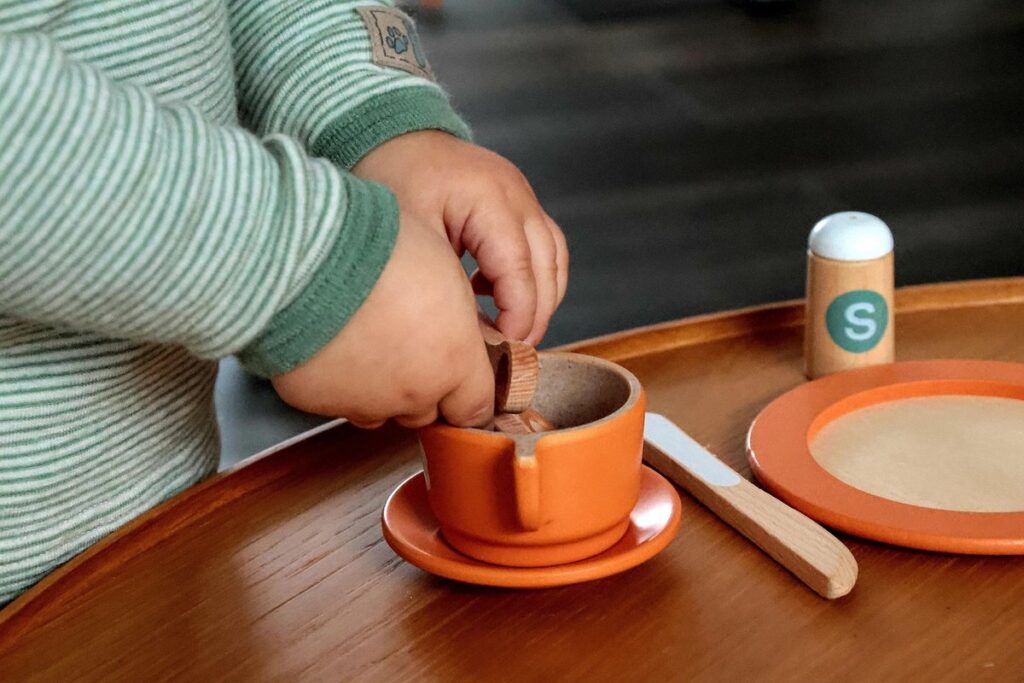
The Importance of Play-Based Learning
As we explore the world of play-based learning, it’s essential to understand why making time for playful activities is crucial for young minds. This section highlights the benefits and outcomes of a play-focused approach to education.
Benefits of Play-Based Learning for Children’s Development
Play-based learning is more than just fun activities – it’s a powerful tool for nurturing your child’s cognitive, social-emotional, and physical development. By incorporating play into their daily routine, you’re giving them the opportunity to learn through exploration, experimentation, and creativity.
Cognitively, play-based learning helps children develop problem-solving skills, critical thinking, and memory retention. For instance, puzzles, building blocks, and brain teasers challenge their minds and encourage logical reasoning. Social-emotionally, play enables kids to develop essential life skills like communication, empathy, and conflict resolution. They learn to navigate different roles, take turns, and cooperate with others through games and role-playing.
Physically, active play promotes gross motor skills, coordination, and balance. Outdoor activities like tag, soccer, or dance help children develop their large muscle groups and burn off energy. As your child grows, they’ll benefit from these foundational skills in academics, sports, and even social interactions. By embracing a play-based learning approach, you’re not only making learning enjoyable but also setting them up for long-term success.
Overcoming Objections to Play-Based Learning
One of the most common concerns parents and educators have about play-based learning is its effectiveness compared to traditional methods. However, research has shown time and again that play-based learning can be just as effective, if not more so, than traditional teaching methods.
For instance, a study by the National Association for the Education of Young Children found that children who participated in play-based learning programs showed significant improvements in their cognitive, social-emotional, and physical development compared to those who received traditional instruction. Moreover, play-based learning has been shown to be particularly effective for young children, as it allows them to develop foundational skills such as problem-solving, critical thinking, and creativity.
So, how can you address common concerns about play-based learning? First, start by understanding that play-based learning is not a replacement for traditional instruction, but rather an enhancement. By incorporating play-based activities into your daily routine, you can create a more engaging and effective learning environment. Additionally, consider seeking out evidence-based programs or curricula that have been proven to be successful in promoting play-based learning.
When implementing play-based learning in the classroom or at home, it’s essential to ensure that children are engaged in activities that promote challenge, creativity, and critical thinking. This can include open-ended projects, problem-solving games, and hands-on experiments. By providing opportunities for children to explore and learn through play, you can foster a love of learning and set them up for success in all areas of life.
Setting Up a Play-Based Learning Environment
Transforming your space into a play-based learning environment is easier than you think, and we’re here to guide you through every step of the way. Let’s get started on creating a haven for exploration!
Creating a Safe and Stimulating Space
When setting up a play-based learning environment, creating a safe and stimulating space is crucial for fostering creativity and exploration. To achieve this, consider the physical layout of the room. Arrange furniture to encourage movement and interaction, such as placing chairs and tables in a circular formation or using mats and cushions to define different areas.
Incorporating sensory materials can also enhance the play experience. Add textured surfaces like rugs, bean bags, and foam blocks to engage children’s sense of touch. Provide a variety of materials for visual exploration, including mirrors, bubbles, and colorful fabrics. For auditory experiences, include instruments like drums, xylophones, or chimes.
Safety is another essential aspect to consider. Ensure the room has sufficient lighting, and install soft flooring or mats to cushion falls. Store heavy objects out of reach, and keep flammable materials away from heat sources. By attending to these details, you can create a space that inspires creativity and supports learning through play.
Sourcing Play Materials and Resources
Having an adequate supply of high-quality play materials and resources is crucial for creating a thriving play-based learning environment. These materials not only spark imagination but also foster curiosity, creativity, and problem-solving skills in children.
When it comes to sourcing these materials, consider exploring DIY projects that are both budget-friendly and customizable. For instance, repurposing cardboard boxes into castles or robots can be an engaging and cost-effective way to encourage creative play. Alternatively, scour thrift stores or second-hand shops for gently used toys and materials that can be cleaned and reused.
Budget-friendly options also abound in online marketplaces like Craigslist or Facebook Marketplace, where you can find gently used items at discounted prices. Additionally, take advantage of accessible online tools, such as educational websites or apps, that offer interactive learning experiences and play-based activities. Some popular options include Khan Academy Kids, PBS Kids, and Toca Life.
Implementing Play-Based Learning Activities
Let’s dive into some practical ways to incorporate play-based learning activities into your daily routine, making learning a fun and engaging experience for children. You’ll find creative ideas to get you started.
Science and Nature-Based Play Ideas
When it comes to hands-on science and nature-based activities, there are countless ways to encourage children to learn through exploration and experimentation. Making slime is a great way to introduce kids to the concept of polymers and chemical reactions. By mixing together simple ingredients like glue, water, and borax, children can create their own batch of slimy goodness while developing their fine motor skills.
Planting a garden is another excellent activity that combines science and nature. Not only will children learn about photosynthesis and the life cycle of plants, but they’ll also get to reap the rewards of watching something they planted grow into something beautiful. You can start with simple activities like planting seeds or watching the growth of sprouts on a windowsill.
To take it further, try these ideas:
• Create a bug hotel using natural materials like sticks and leaves
• Make a homemade bird feeder using peanut butter and seeds
• Conduct a simple experiment to demonstrate the concept of buoyancy by dropping various objects into water
Art and Creativity-Based Play Ideas
Encouraging creativity and self-expression is essential for children’s cognitive development, social skills, and overall well-being. Art and creativity-based play activities are an excellent way to foster these aspects while promoting learning through play.
Projects like painting and drawing can help children develop fine motor skills, hand-eye coordination, and color recognition. For instance, a simple activity like finger painting can be turned into a science lesson by exploring the properties of different materials, such as texture and viscosity. Music-making is another creative outlet that can enhance auditory processing, rhythm, and memory.
Crafting activities like making collages or creating 3D objects using recycled materials can introduce children to basic math concepts, spatial reasoning, and critical thinking. You can also try incorporating real-life examples into your play sessions. For example, asking children to create a self-portrait or a picture of their family can help them develop an understanding of proportions and perspective.
To implement these activities effectively, provide a variety of art supplies and materials for children to explore and express themselves freely. Observe and encourage their creativity without imposing your own expectations or preferences.
Encouraging Active Learning Through Games and Challenges
Games and challenges can be a powerful way to encourage active learning, engaging kids in hands-on exploration of new concepts and ideas. Let’s explore some fun examples together!
Designing Challenging Activities That Promote Problem-Solving Skills
Designing challenging activities that promote problem-solving skills is an art that requires creativity and strategy. When crafting games and challenges for children, it’s essential to strike the right balance between fun and difficulty. You want to engage their minds without overwhelming them.
To get started, identify the specific skills you aim to develop in your young learners. Do you want to enhance critical thinking? Foster collaboration among peers? Or perhaps promote creative problem-solving? Once you’ve pinpointed these goals, design activities that encourage children to think critically and work together.
For instance, consider a treasure hunt that requires teams to solve puzzles and riddles before reaching the final prize. This activity not only promotes problem-solving but also encourages teamwork and communication among participants. To take it up a notch, introduce variables like time limits or obstacles that require quick thinking and adaptability.
When designing your own games and challenges, remember to provide opportunities for children to reflect on their process and outcomes. Encourage them to ask questions, seek help when needed, and learn from their mistakes. By doing so, you’ll not only develop their problem-solving skills but also instill a growth mindset that will serve them well in all aspects of life.
Incorporating Physical Education into Play-Based Learning
Physical activity is an essential component of learning and development. Regular exercise has been shown to improve cognitive function, boost mood, and enhance academic performance. When incorporated into play-based learning activities, physical education can be a powerful tool for fostering creativity, critical thinking, and problem-solving skills.
Incorporate physical activity into your play-based learning by trying these ideas:
• Outdoor obstacle courses: Set up a mini obstacle course in the backyard or park using household items like hula hoops, cones, and balance beams.
• Movement games: Play tag, hide-and-seek, or capture the flag to get kids moving while having fun.
• Dance parties: Put on some upbeat music and have a dance party, incorporating movement and creativity.
• Yoga for kids: Adapt simple yoga poses into kid-friendly versions that promote flexibility and relaxation.
By combining physical education with play-based learning, you can create engaging and interactive activities that cater to different learning styles and abilities.
Supporting Children with Different Learning Needs
When working with children who learn differently, it can be especially important to tailor play-based learning experiences that meet their unique needs and abilities. We’ll share some practical ideas for supporting diverse learners.
Adapting Play-Based Learning Strategies for Children with Special Needs
Adapting play-based learning strategies to meet the unique needs of children with disabilities or special requirements requires creativity and flexibility. Every child learns differently, so it’s essential to tailor play activities to their individual needs. For instance, a child with autism may benefit from structured play with clear rules and expectations, while a child with ADHD might require more dynamic and interactive games.
To adapt play-based learning strategies, consider the following tips:
* Observe your child’s interests and strengths to inform play choices.
* Break down complex activities into smaller, manageable steps.
* Use visual aids like pictures or schedules to help children with cognitive disabilities understand expectations.
* Incorporate sensory-friendly materials like fidget toys or weighted blankets for children who require extra sensory support.
* Be patient and flexible – adapt plans as needed to accommodate changing needs.
By being responsive to each child’s unique requirements, you can create an inclusive and engaging play environment that fosters learning and development.
Involving Parents and Caregivers in Play-Based Learning
Involving parents and caregivers is crucial to create a seamless transition between home and school. It not only fosters ongoing communication but also helps in creating a learning environment that’s consistent across both settings. Here are some ways you can do this:
To start, establish an open line of communication with parents and caregivers through regular updates on their child’s progress, either in person or via email or a learning app. You could also schedule parent-teacher conferences to discuss their child’s learning goals and how they can be supported at home.
When it comes to incorporating play-based learning into the home environment, suggest activities that can be easily replicated in both settings. For instance, if you’re working on a math project with your students, provide parents with simple ways they can reinforce those concepts at home through games or puzzles.
This not only helps bridge the gap between school and home but also encourages parents to take an active role in their child’s learning journey. By doing so, you’ll be creating a more supportive and inclusive environment that caters to each child’s unique needs.
Addressing Common Challenges and Limitations
While implementing learning through play can be incredibly rewarding, it’s not without its challenges. Let’s explore some of the most common obstacles you may face as a parent or educator.
Managing Time and Scheduling Constraints
When implementing play-based learning, it’s not uncommon to face time management challenges and scheduling constraints. With limited hours in a day, finding ways to optimize your time is crucial for making the most out of this approach.
Firstly, consider prioritizing activities that promote critical thinking and problem-solving skills. These types of tasks tend to be more engaging and can often lead to higher levels of creativity and productivity among children. Allocate dedicated blocks of time for such activities, ensuring they get sufficient attention without feeling rushed or squeezed into an already packed schedule.
To overcome scheduling constraints, consider the concept of ‘time-boxing’. This involves dedicating a set amount of time to each activity, say 30 minutes for free play or 45 minutes for structured projects. By doing so, you’ll ensure each task receives the necessary attention without getting bogged down by over-ambitious goals.
Be flexible and adapt your approach as needed. Life can be unpredictable, and unexpected events may impact your schedule. Plan for contingencies and have a backup plan in place to minimize disruptions when they arise. By doing so, you’ll create space for spontaneity while maintaining consistency in your play-based learning endeavors.
Addressing Misconceptions about Play-Based Learning
One of the most significant hurdles to implementing play-based learning is dispelling common misconceptions about its effectiveness. Many educators and parents assume that play is a frivolous activity with little academic value. However, this couldn’t be further from the truth.
Research has consistently shown that play-based learning leads to better cognitive development, improved social skills, and increased creativity in children. In fact, studies have demonstrated that play-based learning can be just as effective as traditional teaching methods in improving academic outcomes. For example, a study published in the Journal of Applied Developmental Psychology found that preschoolers who engaged in play-based math activities showed significant improvements in math skills compared to their peers.
To address concerns about play’s effectiveness in the classroom or home setting, consider implementing structured play activities that align with learning objectives. This can be as simple as incorporating games and puzzles into lessons or creating a designated play area for exploration. By doing so, you can create a seamless transition between play and academics, allowing children to learn through fun and engaging experiences.
Frequently Asked Questions
What if I’m short on time, but still want to implement play-based learning?
It’s not necessary to dedicate hours a day to play-based learning. Even small moments, like incorporating playful activities during morning routines or before bedtimes, can be beneficial. Start with short sessions (10-15 minutes) and gradually increase as your child becomes more engaged.
Can I adapt play-based learning for children with special needs?
Yes, play-based learning is highly adaptable to different abilities and needs. Focus on creating a safe and inclusive environment that caters to individual requirements. Be sure to involve professionals, such as occupational therapists or special education specialists, in developing tailored strategies.
How do I know which activities will be most engaging for my child?
Observe your child’s interests and passions, then incorporate those into play-based learning activities. For example, if they love dinosaurs, create a dinosaur-themed sensory bin or outdoor adventure. This approach not only makes learning more enjoyable but also fosters creativity and imagination.
What about safety concerns when setting up a play environment?
Safety is paramount in any play-based learning setup. Ensure that your space has proper supervision, soft flooring, and easily accessible exit points. Remove any hazards, such as sharp objects or heavy furniture, to create a safe yet stimulating environment for exploration.
Can I involve older children in helping with younger siblings’ play-based learning?
Absolutely! Engaging older children in supporting their younger siblings can foster a sense of responsibility, teamwork, and leadership skills. Assign tasks like preparing materials, setting up activities, or assisting with supervision, ensuring they understand the importance of their role in promoting playful learning.