
As a parent or caregiver, dealing with preschool behavior problems can be overwhelming and stressful. It’s not uncommon for young children to exhibit tantrums, aggressive behavior, or other challenging behaviors that leave you wondering if you’re doing something wrong. However, it’s essential to recognize that these issues often stem from underlying causes such as emotional needs, developmental milestones, or environmental factors. By identifying the root cause of the problem, you can develop effective strategies for managing and addressing these behaviors. In this article, we’ll explore common signs of preschool behavior issues, their underlying causes, and practical tips for managing tantrums and aggressive behavior in a way that promotes healthy development and strengthens your relationship with your child.
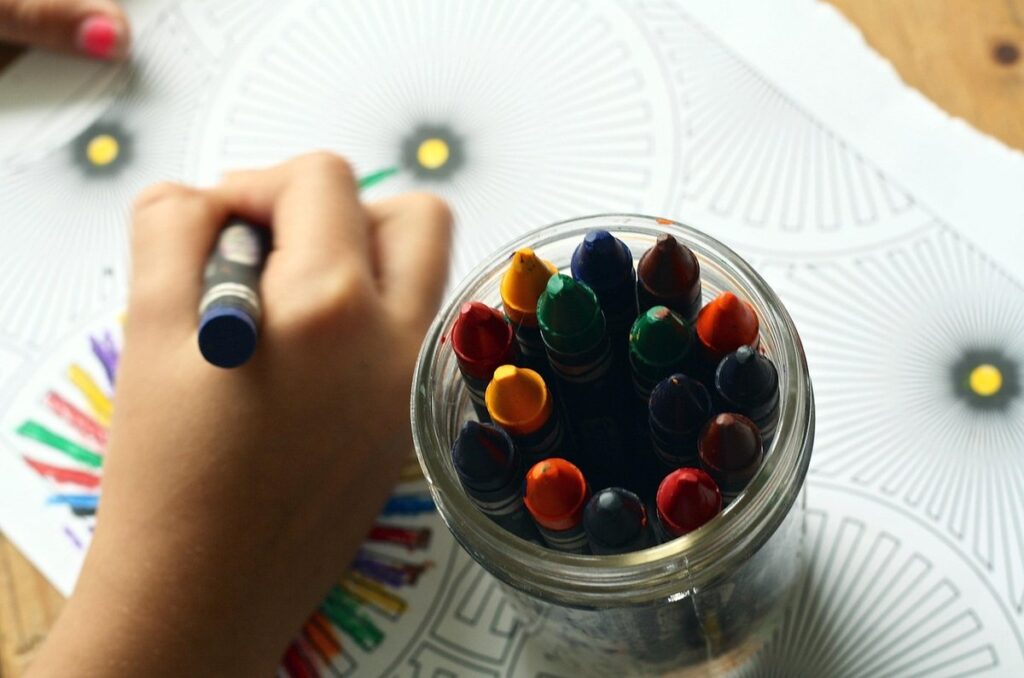
Understanding Preschool Behavior Problems
Preschool behavior problems can be frustrating and puzzling for parents, but understanding their causes is a crucial step in finding effective solutions. In this section, we’ll explore common behavioral issues that may arise during these formative years.
Common Causes of Preschool Behavior Issues
When it comes to preschool behavior issues, there are several common causes that can contribute to a child’s difficulty following rules, completing tasks, and getting along with peers. One of the most significant contributors is lack of sleep or fatigue. Children need plenty of rest to regulate their emotions, manage stress, and develop self-control. When they don’t get enough sleep, they may become irritable, restless, and more likely to engage in negative behaviors.
Inadequate nutrition and hydration can also impact a child’s behavior. A diet lacking essential nutrients and fiber can lead to mood swings, anxiety, and hyperactivity. Ensuring your child eats a balanced meal that includes fruits, vegetables, whole grains, lean proteins, and healthy fats is crucial. Furthermore, staying hydrated by drinking plenty of water throughout the day can also help regulate emotions.
Other common causes include sensory processing difficulties and emotional regulation challenges. Some children may have trouble filtering out background noise or processing certain textures and smells, leading to overwhelm and acting out. Emotional regulation challenges can cause a child to struggle with managing their feelings, leading to tantrums and aggressive behavior. Identifying and addressing these underlying issues is key to helping your preschooler develop better self-regulation skills and behaviors.
Identifying the Root Cause of Behavior Problems
Recognizing signs of underlying issues is crucial to effectively addressing preschool behavior problems. Anxiety and Attention Deficit Hyperactivity Disorder (ADHD) are two common conditions that can manifest in behavioral issues. For instance, a child with anxiety may become withdrawn or overly clingy, while a child with ADHD might exhibit impulsivity or hyperactivity. Be aware of these potential red flags to identify underlying issues.
When it comes to addressing contributing factors, family dynamics and environmental stressors often play significant roles. Changes at home, such as a new sibling or parent’s job change, can affect a child’s behavior. Environmental factors like exposure to toxins, lack of physical activity, or an unhealthy diet can also contribute to behavioral issues. Consider the following steps:
* Conduct regular check-ins with your child’s teacher to stay informed about their behavior in school
* Keep a journal to track changes in your child’s mood or behavior over time
* Discuss potential contributing factors with your child’s pediatrician and develop a plan to address them
Signs and Symptoms of Preschool Behavior Problems
If you’re wondering if your child is exhibiting typical preschool behavior or something more concerning, knowing the signs and symptoms can help you get to the root of the issue.
Aggressive Behavior in Preschoolers
Aggressive behavior in preschoolers can be alarming and challenging to address. As a parent or caregiver, it’s essential to recognize the signs of aggressive behavior in your child to provide them with the right support and guidance.
Some common forms of aggression in preschoolers include physical aggression towards peers or adults. This may manifest as hitting, pushing, or biting. Verbal aggression is also prevalent, with children yelling or name-calling to express their frustration. Destruction of property can be another form of aggressive behavior, where children intentionally damage objects or materials.
It’s crucial to note that these behaviors are often a result of underlying issues, such as difficulty regulating emotions, lack of impulse control, or inadequate social skills. When addressing aggressive behavior in preschoolers, it’s essential to focus on teaching alternative ways to manage feelings and interact with others. For example, you can encourage your child to use words to express their emotions, practice empathy towards others, and engage in calming activities when feeling overwhelmed.
Try using the “Stop, Look, Think” approach to help your child pause before acting aggressively. This involves stopping the behavior, looking at the situation objectively, and thinking about alternative solutions. By teaching your child effective communication skills and coping mechanisms, you can help them develop healthier ways of expressing themselves and interacting with others.
Tantrums and Meltdowns in Preschoolers
Tantrums and meltdowns are common occurrences in preschoolers, often leaving parents feeling frustrated and helpless. However, it’s essential to understand that these outbursts are usually a cry for help, indicating that the child is struggling with frustration or disappointment.
Frequent outbursts can be triggered by various factors, such as not being able to complete a task, losing a toy, or facing a difficult situation. For example, if your child is unable to put on their coat quickly enough before going outside, they might become overwhelmed and erupt in a tantrum.
Difficulty transitioning between activities can also lead to meltdowns. Preschoolers often struggle with separating from the excitement of one activity to move on to another. This can be particularly challenging when it involves leaving a beloved teacher or peer.
Refusal to comply with instructions is another common sign of tantrums and meltdowns in preschoolers. If your child consistently resists following directions, it may indicate that they’re struggling to manage their emotions or feeling overwhelmed by the expectations placed upon them.
In such cases, it’s essential to address the root cause of the behavior and teach your child coping mechanisms to manage frustration and disappointment effectively.
Strategies for Managing Preschool Behavior Problems
When dealing with challenging behavior in preschoolers, having effective strategies at your disposal can make all the difference. Let’s explore practical ways to manage common problems that arise during this critical stage of development.
Setting Clear Expectations and Boundaries
Setting clear expectations and boundaries is crucial for managing preschool behavior problems. Establishing a daily routine and schedule can help children feel secure and develop self-regulation skills. For example, having a consistent morning routine that includes waking up at the same time every day, eating breakfast, and getting dressed in a set order helps young children understand what is expected of them.
Communicating clear rules and consequences is also essential for preschoolers to learn right from wrong. Make sure to explain rules clearly and concisely, and ensure that consequences are fair and related to the misbehavior. For instance, if a child draws on the wall with crayons, it’s not enough to simply scold them; instead, clean up the mess together and set aside the crayons for later use.
Encouraging independence and self-regulation skills is also vital in helping preschoolers manage their behavior. Provide opportunities for children to make choices, such as choosing between two healthy snacks or picking a book to read during circle time. This helps them develop problem-solving skills and builds confidence in their decision-making abilities.
Positive Reinforcement Techniques
When it comes to managing preschool behavior problems, using positive reinforcement techniques can be an incredibly effective approach. By focusing on rewarding good behavior rather than simply punishing bad behavior, you can create a more supportive and encouraging environment for your child.
One simple yet powerful technique is verbal praise. When your child exhibits good behavior, be sure to acknowledge it with specific and genuine praise. For example, if they share their toys with a friend, say something like, “I really appreciate how you shared your toy with your friend! That was very kind of you.” This not only encourages good behavior but also helps build self-esteem.
Implementing a reward system can also be a great way to reinforce positive behavior. Choose rewards that are meaningful and exciting for your child, such as stickers, stars on a chart, or special privileges like extra storytime. Make sure to set clear expectations and criteria for earning rewards, so your child knows what they need to do to receive them.
Fostering a growth mindset in preschoolers is also crucial. Encourage your child to view challenges and mistakes as opportunities for learning and growth, rather than failures. When they make a mistake or struggle with something, say something like, “It’s okay, making mistakes helps us learn!” This can help build resilience and confidence.
By incorporating these positive reinforcement techniques into your daily interactions with your preschooler, you can create a more supportive and encouraging environment that promotes good behavior and fosters social-emotional growth. Remember to be consistent and patient, as developing new habits takes time.
Role of Parents and Caregivers in Addressing Preschool Behavior Problems
As a parent, you play a crucial role in helping your child manage preschool behavior problems, and understanding how to support them is key to finding effective solutions. This section will explore ways parents and caregivers can contribute positively.
Effective Communication with Preschoolers
Effective communication is a vital skill for parents and caregivers to master when interacting with preschoolers. When it comes to addressing behavior problems, clear and respectful communication can make all the difference. One key aspect of effective communication is using simple, clear language to convey expectations.
Avoid using complex sentences or jargon that might confuse your child. Instead, use straightforward language that is easy for them to understand. For example, if you’re setting a boundary around sharing toys, say “We take turns with our toys, so please give the block back to your friend.” This clear communication helps preschoolers feel secure and understood.
Another essential aspect of effective communication is listening actively to their needs and concerns. Give your child your undivided attention, making eye contact and asking open-ended questions that encourage them to share their thoughts and feelings. By validating their emotions and experiences, you show your child that you value and respect them.
Collaborating with Educators and Professionals
Collaborating with educators and professionals is crucial when addressing preschool behavior problems. By working together, you can ensure a consistent approach to managing challenging behaviors. Start by establishing an open line of communication with your child’s teachers. Schedule regular meetings or exchange emails to stay informed about their daily experiences in the classroom.
Together, you and the teacher can develop a tailored behavior plan that addresses specific issues. This might involve setting clear expectations for behavior, creating visual reminders, or implementing positive reinforcement techniques. Be sure to share this plan with other caregivers, such as grandparents or babysitters, so everyone is on the same page.
If your child’s behavior problems persist or are causing significant distress, consider seeking support from a therapist or counselor. A professional can provide guidance on addressing underlying issues, such as anxiety or ADHD. They may also offer strategies for improving communication and relationships within the family. By working together with educators and professionals, you can create a comprehensive support system to help your child succeed in preschool.
Long-Term Consequences of Unaddressed Preschool Behavior Problems
If left unaddressed, preschool behavior problems can have far-reaching and devastating effects on a child’s life, from strained relationships to academic struggles. We’ll explore these long-term consequences in more detail.
Potential Outcomes for Children with Persistent Behavior Issues
If left unaddressed, preschool behavior problems can have far-reaching consequences for children’s long-term success and well-being. One of the most significant outcomes is an increased risk of academic underachievement. Children who struggle with behavior issues may find it challenging to focus, follow directions, and complete tasks, ultimately affecting their grades and academic progress.
Moreover, persistent behavior problems in preschool can also impact a child’s social skills development. They may have difficulty forming and maintaining relationships with peers, which is crucial for emotional intelligence, empathy, and communication skills. As they grow older, these difficulties can lead to social isolation, low self-esteem, and strained relationships throughout their lives.
Additionally, children with persistent behavior issues are more likely to develop anxiety, depression, or other mental health concerns. This is often a result of the stress, frustration, and emotional turmoil that comes with managing chronic behavioral problems. As parents, caregivers, and educators, it’s essential to recognize these warning signs early on and provide targeted support to mitigate these risks and help children thrive in the long run.
Importance of Early Intervention and Support
Early intervention and support are crucial for preschoolers who exhibit behavior problems. By addressing these issues early on, you can prevent long-term consequences that may affect their academic, social, and emotional development. A supportive environment plays a significant role in helping preschoolers develop essential social-emotional skills.
When children experience difficulties with self-regulation, they may struggle to manage their emotions, leading to behavioral problems. However, providing a nurturing environment where they feel safe to express themselves can help mitigate these issues. For instance, incorporating empathy-building activities and teaching conflict resolution strategies can help children develop healthy relationships with peers.
In addition to creating a supportive environment, it’s also essential to identify the underlying causes of behavior problems. This could be related to family dynamics, previous traumatic experiences, or learning difficulties. By understanding the root cause, you can develop targeted interventions that address the specific needs of each child. For example, providing extra support for a child with a learning disability can help them stay on track and reduce frustration-related behaviors.
Creating a Supportive Environment for Preschoolers with Behavior Problems
Creating a supportive environment is crucial when dealing with preschool behavior problems, as it can greatly impact a child’s ability to learn and thrive. We’ll explore practical tips to create a positive atmosphere at home or in the classroom.
Building Positive Relationships with Peers and Adults
Building positive relationships with peers and adults is essential for preschoolers to develop social skills, emotional intelligence, and a sense of belonging. To encourage friendships and social connections, consider implementing group activities that promote collaboration and sharing, such as art projects or science experiments. For example, you can set up a “friendship station” in the classroom where children can play together while developing their communication skills.
Modeling positive relationships with adults is equally important. As a teacher, you are your students’ most significant role model. Demonstrate kindness, empathy, and respect towards them, and they will learn to do the same. This includes active listening, validating their feelings, and using non-verbal cues like facial expressions and body language.
Fostering a sense of belonging in the classroom is also crucial. Create opportunities for children to share about themselves, such as show-and-tell or circle time. Recognize and celebrate each child’s unique qualities and strengths, which can help build their confidence and self-esteem. By doing so, you’ll create a welcoming environment that encourages positive relationships among preschoolers and between them and the adults in their lives.
Providing Opportunities for Physical Activity and Outdoor Play
Regular breaks for physical activity and movement are essential for preschoolers with behavior problems. Research shows that children who engage in regular physical activity tend to have better emotional regulation, reduced anxiety levels, and improved focus (1). By incorporating short breaks into the daily routine, educators can help young children release excess energy, refocus their attention, and return to learning tasks more calmly.
Outdoor play is another vital component of a supportive environment. Exposure to nature has been shown to have numerous benefits for preschoolers, including improved mood, reduced stress levels, and enhanced creativity (2). Consider incorporating outdoor activities into the daily schedule, such as nature walks, gardening, or simply playing outside during recess. This can be as simple as moving the classroom outdoors on a nice day or finding a nearby park for an afternoon excursion.
In addition to physical activity, promoting gross motor skills development is also crucial for preschoolers with behavior problems. Gross motor skills, which include activities such as running, jumping, and balancing, play a vital role in overall health and well-being (3). Educators can support this development by incorporating activities that challenge young children’s large muscles, such as obstacle courses, balance beams, or ball games. By doing so, preschoolers will be better equipped to manage their emotions, regulate their behavior, and engage in learning tasks with greater ease and enthusiasm.
Frequently Asked Questions
What if I’ve identified the root cause of my child’s behavior problem, but still don’t know how to address it?
It’s essential to break down complex problems into smaller, manageable parts. Start by brainstorming potential solutions and then test them with your child. Consider seeking guidance from a professional or talking to other parents who have faced similar challenges. For example, if your child is struggling with impulse control due to sensory issues, you might start by implementing simple coping mechanisms like deep breathing exercises.
How can I balance setting clear expectations with being overly restrictive?
It’s crucial to strike the right balance between providing structure and allowing for independence. Clearly communicate rules and consequences while also giving your child space to make choices and learn from mistakes. For instance, if you’re teaching your child to clean up toys, start by modeling the behavior yourself and gradually increasing their responsibilities as they demonstrate their ability.
Can I use positive reinforcement techniques with children who exhibit aggressive behavior?
Yes, it’s still possible to use positive reinforcement strategies even when dealing with challenging behaviors like aggression. However, it’s essential to tailor your approach to the child’s specific needs. This might involve using rewards that are less tangible, such as praise or stickers, and focusing on non-verbal cues like body language and facial expressions.
How can I communicate effectively with a preschooler who is struggling to express themselves?
Preschoolers often have difficulty articulating their emotions due to limited vocabulary and communication skills. To overcome this challenge, try using visual aids like pictures or drawings, engaging in role-playing activities that model healthy expression of emotions, and actively listening for underlying messages beneath their words.
What if I’m concerned about my child’s behavior problem having long-term consequences?
While it’s natural to worry about the potential outcomes, remember that early intervention and support can significantly mitigate the risk of persistent behavior issues. Focus on developing a collaborative relationship with educators, healthcare professionals, or therapists who can help you create a comprehensive plan for addressing your child’s unique needs.