
Watching your baby grow and develop new skills each month is one of the most exciting experiences as a parent. But with so many different milestones to track, it can be overwhelming to know what to expect and how to support their unique development. That’s why understanding baby developmental milestones from month to month is crucial for parents. As babies grow physically, cognitively, and emotionally, they reach new stages of growth that require attention and nurturing from caregivers. In this article, we’ll break down the key physical, cognitive, and emotional milestones your baby will hit each month, from birth to 12 months. We’ll also provide expert tips on how to support their development, address any concerns you may have, and celebrate their individual progress along the way.
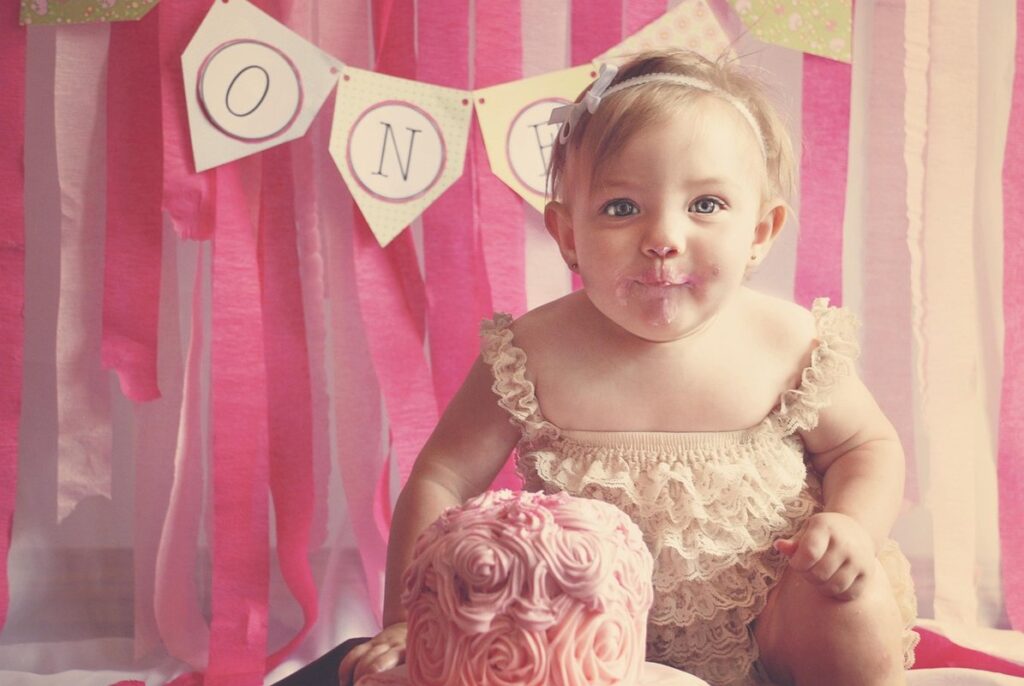
Understanding Baby Development
As you watch your baby grow and learn new skills, it’s essential to understand what developmental milestones they can expect each month, and when they might start showing signs of growth. In this section, we’ll break down key developments by age.
What to Expect in the First Year
The first year of life is a period of incredible growth and development. In this initial stage, babies progress through various physical, cognitive, and emotional milestones that lay the foundation for future achievements.
Physically, babies experience significant changes from birth to 12 months. For instance, newborns can lift their heads while on their stomachs by around two weeks old. By one month, they’re able to hold their heads steady and bring hands to midline when lying down. At three months, babies typically achieve full head control and are able to sit up with support.
Cognitively, infants develop problem-solving skills during the first year. They learn to recognize familiar faces by two months and understand object permanence (knowing that objects still exist even when out of sight) by six months. By nine months, babies start demonstrating an understanding of causality, meaning they can figure out cause-and-effect relationships.
Emotionally, newborns begin forming attachments with caregivers through physical touch and eye contact from the very start. These early interactions shape their attachment styles and influence future social development. Throughout the first year, it’s essential to engage in regular bonding activities like skin-to-skin contact, reading, and singing to foster a strong emotional connection.
Setting Realistic Expectations for Your Baby’s Growth
As you follow baby’s developmental milestones month by month, it’s essential to manage your expectations and focus on supporting their unique growth. Every child develops at their own pace, and comparing your little one to others can be misleading. Research shows that 50% of children reach certain milestones later than expected, yet still develop perfectly normally.
To set realistic expectations for your baby’s growth:
* Focus on the process, not just the milestones themselves. Celebrate small victories, like taking their first steps or saying a few words.
* Avoid comparing your child to others. Each baby is unique and will reach certain milestones at different times.
* Consult with your pediatrician if you have concerns about your baby’s development. They can provide personalized advice and guidance.
* Prioritize building a strong relationship with your child, based on love, patience, and understanding. This foundation will serve them well as they navigate their growth and development.
Remember, every baby is different, and it’s essential to focus on supporting their unique growth rather than comparing them to others. By doing so, you’ll cultivate a positive and nurturing environment for your little one to thrive.
Month 1-3: Newborn Development
During these first three months, your newborn will begin to establish a daily routine and make significant strides in physical development, such as lifting their head while on their stomach. They’ll also start to recognize familiar faces and respond to sounds.
Physical Development: Lifting Head, Bringing Hands to Midline
As you watch your newborn grow and develop, it’s exciting to see them master new physical skills. In the first three months, babies typically make significant progress in terms of controlling their movements and interacting with their environment. One of the most impressive developments is lifting their head while on their stomach.
To encourage this skill, place your baby on their tummy during playtime and engage them with toys or other objects that stimulate movement. This will help them learn to lift and hold their head up, a crucial step in developing neck strength and balance. Another important milestone is bringing their hands to the middle of their body.
This often occurs around 2-3 months, when babies start to realize they can move their arms and bring them closer together. To promote this development, place toys or objects just out of reach, encouraging your baby to stretch and move towards them. This will help strengthen their arm and shoulder muscles. As you watch your baby master these skills, remember that every child develops at their own pace – be patient and enjoy the process!
Cognitive Development: Recognizing Familiar Faces and Voices
As your baby grows and develops, you’ll start to notice their ability to recognize familiar faces and voices improving significantly. Around 1-3 months old, babies begin to develop object permanence, which means they understand that objects still exist even when they can’t be seen. This concept is crucial for recognizing and remembering familiar faces.
When it comes to facial recognition, research suggests that babies as young as 2 weeks old can distinguish between their mother’s face and a stranger’s. However, this ability improves dramatically around 1-3 months. To encourage your baby’s facial recognition skills, try engaging in regular face-to-face interactions, making eye contact, and using different facial expressions.
In terms of voice recognition, babies are also capable of distinguishing between familiar voices from an early age. In fact, studies show that newborns can recognize their mother’s voice within the first few days of birth. To encourage your baby’s vocal recognition skills, talk to them regularly, use a soothing tone, and respond to their coos and babbles. By 3 months old, your baby will likely start to show signs of understanding cause-and-effect relationships, such as laughing at a toy that makes noise when pressed.
Emotional Development: Establishing Bond with Caregivers
During the first three months of life, newborns are learning to trust and form attachment with their caregivers. This process is essential for emotional development, as it lays the foundation for future relationships and self-esteem. In Month 1-3, babies are highly dependent on their primary caregivers for basic needs such as feeding, changing, and soothing.
To establish a strong bond with your newborn, prioritize skin-to-skin contact, eye-gaze, and responsive caregiving. When you hold your baby close, their heart rate slows down, and they begin to feel safe and secure. Gazing into each other’s eyes also releases oxytocin, promoting feelings of love and attachment.
To encourage bonding with caregivers during this critical period:
* Respond promptly to your baby’s coos, cries, and gestures
* Engage in activities like feeding, bathing, and playing together
* Use touch therapy, such as massage or gentle stroking, to promote relaxation and trust
* Maintain a calm environment by minimizing noise levels and stress
By investing time and effort into building this early attachment, you’ll lay the groundwork for a lifelong connection with your baby.
Month 4-6: Infant Development
At four to six months, your baby is discovering the world around them, and their development is accelerating rapidly. This exciting stage brings many new milestones to celebrate.
Physical Development: Rolling Over, Reaching for Toys
At four to six months old, babies continue to refine their physical skills, laying the foundation for future independence. One of the most impressive developments during this period is rolling over – a skill that often leaves parents amazed and impressed.
By around five months, most babies have mastered rolling from their stomachs to their backs, but some might take until six months or even slightly longer to master the reverse motion. To encourage your baby’s rolling skills, try placing toys just out of reach on the opposite side of their mat or play area. This will motivate them to roll over and explore.
Reaching for toys is another significant milestone in this period. Around four to five months, babies begin to extend their arms and grab onto objects, often with a surprising amount of precision. To stimulate this skill, try offering toys that are within easy reach but still require some effort to grasp. This will help your baby practice their hand-eye coordination and fine motor skills.
Transferring toys from one hand to another is an essential development in this period as well. Around five months, babies start to develop the pincer grip, which enables them to hold objects between their thumb and index finger. To encourage this skill, offer toys with different textures and weights that can be transferred easily between hands.
Cognitive Development: Problem-Solving and Imitation
At four to six months, you’ll start to notice significant advancements in your baby’s cognitive development. Problem-solving is a crucial aspect of this stage, and it begins with simple yet fascinating activities like figuring out how to retrieve an out-of-reach toy. This might involve rolling over, reaching up, or even using their mouth to grasp the object.
As you observe your baby engage in these activities, remember that imitation also starts to play a vital role in their learning process. They’ll begin to mimic actions they see others performing, like clapping hands or making sounds. To encourage this imitation, try incorporating simple actions into your daily routine and interacting with your baby frequently.
One way to foster problem-solving skills is by presenting your baby with toys that challenge them, such as a toy attached to a mobile or hanging from the ceiling. This will motivate them to figure out how to get it down, promoting cognitive development and hand-eye coordination. As you watch your baby learn and grow, be sure to offer plenty of support and encouragement – after all, their curiosity is just beginning to unfold!
Emotional Development: Responding to Names and Voices
During months 4-6, infants begin to refine their emotional development, becoming more attuned to their surroundings and learning to respond to familiar voices. This is a critical period for building relationships with caregivers and family members.
At this stage, babies start to recognize and respond to names, often turning their heads or making eye contact when they hear their name called. They may also begin to identify the tone of voice associated with different family members, such as a soothing voice from mom or a playful voice from dad.
To encourage your baby’s emotional development during this period, try engaging in regular conversations and reading books together. Describe objects, actions, and events in simple terms, using facial expressions and gestures to convey emotions. For example, when reading about a sad character, use a concerned tone of voice and make a sympathetic face.
By responding to names and voices, your baby is learning valuable social skills that will help them navigate complex relationships throughout their life.
Month 7-9: Baby Milestones in Gross Motor Skills
Between months seven and nine, your baby will start to crawl, pull themselves up, and take their first steps towards becoming a confident walker. You’ll be amazed at their rapid progress in gross motor skills during this period!
Physical Development: Sitting Up Unassisted, Crawling
At around 7 months old, babies start to gain more control over their bodies and improve their gross motor skills. One of the most exciting milestones is sitting up unassisted! This usually happens between 6-10 months, but every baby develops at their own pace.
To encourage your little one to sit up on their own, place toys or other objects just out of reach in front of them. As they try to grab what’s in front of them, they’ll naturally lift themselves up into a sitting position. You can also try placing them in a high chair or a sitting position on the floor and see if they can balance themselves.
Another exciting milestone is crawling! Most babies start crawling between 7-10 months old, but some may start as early as 6 months or as late as 11 months. To encourage your baby to crawl, place toys or other objects just out of reach across the room. This will give them a reason to get moving and explore their surroundings.
Remember, every baby develops at their own pace, so don’t worry if your little one takes a bit longer to master these skills. The most important thing is that they’re having fun and learning as they go!
Cognitive Development: Understanding Object Permanence and Cause-and-Effect Relationships
As babies approach their eighth and ninth months, they start to develop a deeper understanding of object permanence. This concept is crucial for cognitive development, as it allows them to grasp that objects continue to exist even when they’re out of sight. To test this understanding, try hiding a toy or block from your baby and then revealing it again. Watch how they react – do they look for the hidden object? If so, congratulations! Your baby is beginning to understand object permanence.
Around this time, babies also start to explore cause-and-effect relationships. They begin to figure out that their actions can lead to consequences. For example, if you drop a toy and it makes a noise, your baby might try to imitate the sound by shaking or banging on other objects. This experimentation is not only fun but also essential for cognitive development.
To encourage this exploration, provide a safe and stimulating environment with plenty of toys and materials that allow for experimentation, such as play dough, blocks, and balls. Supervise closely to ensure your baby’s safety while allowing them the freedom to explore and learn through trial and error.
Emotional Development: Showing Affection for Familiar People
As you navigate the seventh to ninth month of your baby’s life, you’ll notice significant strides in their emotional development. One essential aspect of this growth is showing affection for familiar people. Your baby will begin to develop attachments and bond with those they love, which is crucial for their emotional well-being.
During this period, babies often display affection through physical touch. They may nuzzle their head or face against you, lean into hugs, or even give gentle kisses. These actions are a sign that your baby feels comfortable and secure in your presence.
To encourage your baby’s emotional development, engage in activities that foster bonding. Eye contact is essential, so make an effort to gaze at your baby regularly. Smile, talk, and laugh with them – they’ll start to recognize your voice and facial expressions. Respond positively to their attempts to show affection by reciprocating with gentle touch or words of encouragement.
Some babies may be more reserved in showing affection, while others will shower you with love. Respect their boundaries and allow them to initiate contact when they’re ready. By doing so, you’ll establish a strong foundation for your baby’s emotional growth and development.
Month 10-12: Fine Motor Skills and Language Development
By around 10-12 months, your baby’s fine motor skills will be maturing, allowing for more complex actions like stacking blocks and drawing simple shapes. They’ll also start to express themselves through language.
Physical Development: Standing with Support, Pointing to Body Parts
At 10-12 months, babies continue to refine their fine motor skills, which enable them to interact with their environment and communicate effectively. One of the significant milestones achieved during this period is standing with support. Babies start to learn how to balance themselves while holding onto furniture or a person’s hand for support. This skill helps them build confidence in their ability to stand up straight.
As babies become more confident in their physical abilities, they also begin to point to body parts when asked. For example, if you ask your baby to “show me your nose,” they will use their index finger to point to their nose. This is an excellent way for them to develop communication skills and understand the concept of self-awareness.
When it comes to using utensils, babies typically learn how to hold a spoon or fork by 10-12 months. They may not be perfect at feeding themselves just yet, but they are getting closer! To support your baby’s fine motor development, make sure to provide them with plenty of opportunities to practice standing and walking while holding onto support, pointing to body parts during playtime, and attempting to use utensils during mealtime.
Cognitive Development: Understanding Words for Objects and Actions
At 10-12 months old, babies start to grasp simple words for objects and actions, marking a significant milestone in their language development. You might be delighted to hear that your little one is saying “mama” or “ball,” but what’s happening behind the scenes?
During this period, babies begin to understand the relationship between sounds and meanings. They learn to associate specific words with everyday objects and actions, like a ball or a book. This newfound understanding lays the foundation for more complex language skills later on.
To encourage your baby’s vocabulary growth, engage in conversations during daily activities, such as reading together or singing songs. Use simple, clear language when talking about objects and actions, and be patient with their attempts to imitate sounds and words. For instance, if you’re showing your baby a ball, say “ball” and encourage them to repeat after you.
Remember that every baby develops at their own pace, so don’t worry if your child takes longer to grasp certain words or concepts. By creating a nurturing environment rich in language experiences, you’ll be supporting their cognitive development and setting the stage for future language milestones.
Emotional Development: Showing Independence and Curiosity
As we approach the final stretch of the first year, babies are learning to assert their independence and curiosity is at an all-time high. Around 10-12 months old, you might notice your baby becoming more autonomous, wanting to do things on their own. This is a normal part of emotional development.
Independence can manifest in various ways, such as:
• Refusing help when dressing or feeding themselves
• Insisting on doing tasks like washing hands or brushing teeth independently
• Showing interest in simple tools like spoons or play kitchens
To encourage this independence, provide your baby with opportunities to practice and make mistakes. For example, you can set up a safe space for them to explore and learn while engaging in activities like stacking blocks or pouring sand.
As babies become more curious, they’ll start to investigate their surroundings by putting objects in their mouth. This is a normal phase of development and helps them learn about texture, taste, and cause-and-effect relationships. To foster curiosity:
• Offer a variety of toys and objects for exploration
• Engage your baby in interactive games like peek-a-boo or pat-a-cake
• Encourage problem-solving by placing objects just out of reach
Common Concerns and How to Support Your Baby’s Development
As you navigate your baby’s developmental milestones, it’s natural to have questions and concerns about their growth. This section addresses common worries and offers practical tips for supporting your baby’s overall development.
Addressing Delayed Milestones and Seeking Professional Help
As you track your baby’s developmental milestones month by month, it’s essential to stay vigilant and address any concerns that may arise. If you notice your little one is lagging behind in certain areas, don’t panic – every baby develops at their own pace. However, it’s crucial to monitor their progress closely and seek professional help if necessary.
Red flags for potential developmental delays include a lack of response to sounds or visual stimuli by three months, no smiling or laughter by six months, or no sitting up unassisted by nine months. If you’re worried about your baby’s development, start by keeping a detailed journal of their milestones and sharing it with your pediatrician.
Don’t hesitate to reach out if you have concerns – early intervention can make all the difference in addressing potential delays. Remember that your pediatrician is there to support you every step of the way. With regular check-ups and open communication, you’ll be better equipped to identify any issues before they become major concerns.
Creating a Supportive Environment for Learning and Growth
Creating a supportive environment is crucial for your baby’s learning and growth. From birth to 12 months, your little one will be constantly observing, imitating, and exploring their surroundings. To foster a nurturing atmosphere that encourages development, consider the following tips.
Start by engaging with your baby in meaningful ways. For instance, when they’re around six months old, you can begin reading together or singing silly songs. This exposes them to new sounds, rhythms, and vocabulary, laying the foundation for language skills. You can also encourage physical activity by placing toys just out of reach, which will motivate your baby to crawl or walk towards them.
Make sure the environment is safe and stimulating. Arrange the room with your baby in mind, placing favorite toys within their grasp. This helps prevent frustration and promotes exploration. Additionally, create opportunities for social interaction by setting up playdates or video calls with family members. These experiences will help your baby develop essential communication skills, like facial recognition and emotional intelligence.
Conclusion: Celebrating Your Baby’s Unique Progress
As you navigate your baby’s journey through various developmental milestones month by month, it’s essential to remember that every child grows at their own pace. Rather than comparing your little one to others or worrying about falling behind, focus on celebrating their unique progress and accomplishments. This might mean acknowledging the first time they master a new skill, like sitting up unassisted or saying “mama” for the very first time. Keep in mind that milestones serve as a general guideline rather than a strict timeline.
By letting go of expectations and focusing on your baby’s individual growth, you’ll create a nurturing environment that fosters confidence and curiosity. Take pride in the small victories and remember to cherish the moments that make motherhood so precious – even if they don’t fit neatly into a predetermined developmental category.
Frequently Asked Questions
How can I best track my baby’s developmental milestones to ensure they’re meeting their full potential?
Tracking your baby’s development involves observing their physical, cognitive, and emotional growth regularly. Create a developmental chart or use an app like Baby Tracker to record milestones achieved each month. Regular check-ins with your pediatrician will also help identify any potential delays.
What if I notice my baby is significantly behind in certain areas, such as language or gross motor skills?
If you have concerns about your baby’s development, it’s always best to consult your pediatrician. They can assess your child and provide guidance on whether they require additional support or early intervention services. Early identification and intervention are crucial for helping children catch up.
How do I create a supportive environment that fosters learning and growth in my baby?
A supportive environment is key to encouraging healthy development. Provide opportunities for exploration, engage in interactive play, and maintain a safe space with minimal distractions. Be responsive to your child’s cues and offer comfort when needed, establishing trust and promoting emotional well-being.
Can I still support my baby’s cognitive development if we’re not following a specific curriculum or routine?
Absolutely! Cognitive development is fostered through everyday interactions and activities like reading, singing, and problem-solving. Engage in conversations with your child, ask questions, and encourage them to explore their surroundings to promote healthy brain growth.
How do I balance supporting my baby’s independence with maintaining a safe environment?
As babies develop physically and emotionally, it’s essential to strike a balance between allowing independence and ensuring safety. Provide opportunities for exploration while setting clear boundaries and supervising activities to prevent potential hazards.