
Co-sleeping is a common practice among parents, but it’s not without its controversies. Some swear by the benefits of sharing a bed with their baby, citing improved sleep quality and enhanced breastfeeding support. On the other hand, others are wary due to concerns about Sudden Infant Death Syndrome (SIDS) risk and disruptions to adult relationships. As you weigh the pros and cons of co-sleeping, it’s essential to consider both perspectives. This article will delve into the advantages and disadvantages of sharing a bed with your baby, providing expert insights to help you make an informed decision. We’ll explore the potential risks and benefits of co-sleeping, from improved sleep for both mom and baby to the impact on breastfeeding success.
Introduction to Co-Sleeping
As you consider joining the co-sleeping debate, let’s start by exploring what it actually means to share a bed with your baby and its potential benefits. This simple yet significant change can have a profound impact on family dynamics.
What is Co-Sleeping?
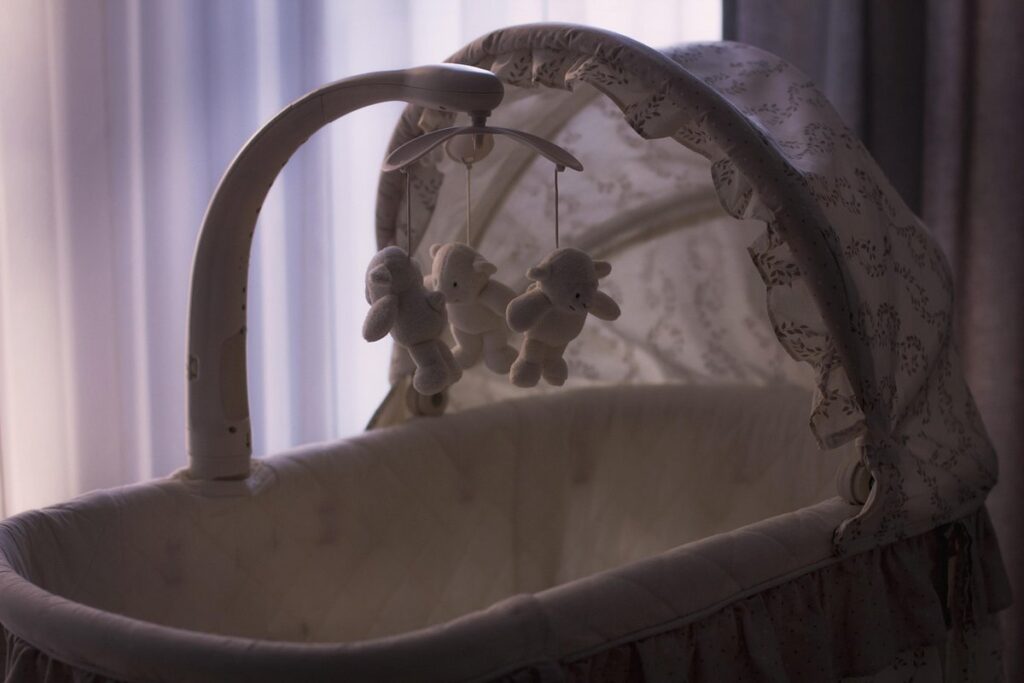
Co-sleeping is an ancient practice that involves sharing a sleeping space with one’s infant or toddler. It can take various forms, including bed-sharing, where the baby sleeps in the parents’ bed, and side-car cribs, also known as co-sleeper beds, which attach to the parent’s bed. Another arrangement is using a bassinet or crib placed next to the parents’ bed.
Bed-sharing is the most common form of co-sleeping and has been practiced for centuries. It involves placing the baby in the parents’ bed, often with the mother’s body as a barrier between the baby and any potential hazards. Some couples also use a special mattress or pad specifically designed for bed-sharing to ensure safety.
Co-sleeping arrangements can vary depending on cultural norms and personal preferences. For example, some families use a family bed, where multiple children sleep together in one bed, while others prefer a separate sleeping space for each child but still share a room with the parents.
Benefits of Co-Sleeping Research
Research has consistently shown that co-sleeping can have numerous benefits for both babies and parents. For instance, a study published in the Journal of Developmental & Behavioral Pediatrics found that co-sleeping was associated with improved sleep quality among infants. This is likely due to the fact that co-sleeping allows mothers to easily nurse their babies throughout the night, which can help regulate their sleep patterns.
In addition to improved sleep quality, co-sleeping has also been shown to support breastfeeding. A study published in the Journal of Human Lactation found that mothers who co-slept with their babies had higher rates of exclusive breastfeeding at 3 months compared to those who used a separate sleeping space for their baby. This is likely due to the fact that co-sleeping makes it easier for mothers to nurse their babies frequently, which is essential for establishing and maintaining a healthy milk supply.
By choosing to co-sleep, parents can reap these benefits while also promoting a strong bond between themselves and their baby.
The Pros of Co-Sleeping
Let’s dive into the benefits of sharing a bed with your baby, exploring how co-sleeping can actually promote better sleep and strengthen your bond.
Emotional Bonding and Attachment
Co-sleeping offers a unique opportunity for parents to strengthen their emotional bond with their infant. When babies sleep close to their caregivers, they pick up on subtle cues like heartbeats and breathing patterns, fostering a sense of security and trust. This proximity can also trigger the release of oxytocin, often referred to as the “love hormone,” which promotes feelings of attachment and affection.
In fact, studies have shown that co-sleeping can increase the levels of oxytocin in both mothers and babies by up to 30% compared to separated sleeping arrangements. This increased bond can lead to a more harmonious and responsive relationship between parents and infant. For instance, when babies are close to their caregivers at night, they’re more likely to respond positively to touch and affection during the day.
To maximize the emotional benefits of co-sleeping, try to establish a consistent sleeping routine that includes skin-to-skin contact and gentle interactions before bed. This can help create a soothing atmosphere that promotes relaxation and bonding. By doing so, you’ll not only ensure your baby’s physical needs are met but also nurture the foundation of a lifelong attachment.
Convenience and Practicality
Co-sleeping can be a game-changer for new parents, especially during those sleep-deprived early months. With a newborn’s unpredictable schedule and frequent feedings, it’s easy to get exhausted trying to navigate between the nursery and the bedroom. Co-sleeping allows you to respond quickly to your baby’s needs, without having to sacrifice comfort or convenience.
In the first few months, it’s not uncommon for new parents to wake up multiple times a night for feedings or diaper changes. By keeping their baby close by, co-sleeping parents can simply roll over and tend to their little one without getting out of bed. This can be especially helpful during those late-night hours when energy levels are at an all-time low.
Additionally, co-sleeping can also simplify the process of breastfeeding. With a baby right next to you, it’s easier to nurse discreetly and without having to worry about disturbing others in the household. Of course, it’s essential to follow safe co-sleeping practices and ensure that your sleeping environment is free from hazards.
Cultural Significance
Co-sleeping has been an integral part of human culture for centuries, with various societies embracing it as a natural and beneficial practice. In many African cultures, for instance, co-sleeping is seen as a way to foster close family bonds and ensure the child’s safety. In some Asian countries like Japan and Thailand, co-sleeping is a common practice that promotes a sense of community and intergenerational connection.
In fact, studies have shown that in many non-Western cultures, co-sleeping rates are significantly higher than in Western societies. For example, a study conducted in the Philippines found that 70% of infants slept with their mothers, compared to only 10-20% in Western countries like the US and UK.
As we navigate our own co-sleeping choices, it’s essential to appreciate the cultural significance of this practice. Rather than viewing co-sleeping as a ‘ primitive’ or ‘unsanitary’ practice, we can learn from other cultures and adapt their wisdom to suit our own needs. By embracing co-sleeping in a mindful and informed way, we can tap into its many benefits and create a more nurturing environment for our families.
It’s worth noting that cultural significance doesn’t mean dismissing Western concerns about co-sleeping safety. Rather, it’s about being aware of the diverse perspectives on this topic and making an educated decision based on our individual circumstances. By doing so, we can celebrate the diversity of human experience while also prioritizing our own family’s well-being.
The Cons of Co-Sleeping
While co-sleeping has its benefits, there are also some potential downsides to consider when deciding whether it’s right for your family. Some of these concerns may surprise you.
SIDS (Sudden Infant Death Syndrome) Risk
One of the most significant concerns about co-sleeping is the increased risk of Sudden Infant Death Syndrome (SIDS). Research has consistently shown that bed-sharing with a baby can raise the risk of SIDS by as much as 50%. In fact, studies have found that babies who sleep on their stomachs in an adult bed are three times more likely to die from SIDS than those who sleep on their backs in their own cribs.
To put this into perspective, the American Academy of Pediatrics (AAP) recommends room-sharing with your baby, but not bed-sharing. This is because bed-sharing can lead to a number of hazards, including suffocation and entrapment. Babies can become trapped between the mattress and the wall or get caught in bedding or pillows.
To reduce the risk of SIDS when co-sleeping, it’s essential to follow certain guidelines. These include keeping the baby’s face uncovered, avoiding soft bedding like blankets and pillows, and ensuring that the bed is clear of any hazards. Additionally, parents can consider using a co-sleeper or bassinet designed for safe sleep near their bed. By taking these precautions, you can minimize the risks associated with co-sleeping and create a safer sleep environment for your baby.
Sleep Disturbances and Parental Fatigue
Co-sleeping can have a significant impact on sleep quality for both parents and infants. When sharing a bed with their child, parents often experience fragmented sleep patterns, as they wake up to tend to the baby’s needs or respond to their movements. This can lead to chronic fatigue, affecting daily life and relationships.
Infants who co-sleep may also have disrupted sleep patterns due to the external noises, lights, and stimulation present in a shared bed environment. Research suggests that babies in co-sleeping arrangements are more likely to experience night wakings, which can further disrupt parental sleep.
As both parents and infants struggle with sleep disturbances, it’s common for them to rely on caffeine or other stimulants to stay awake during the day. However, this approach can exacerbate fatigue and create a cycle of exhaustion that’s challenging to break. To mitigate these effects, some co-sleeping families find success with establishing a consistent bedtime routine, creating a sleep-conducive environment, and setting clear boundaries around sleep time.
By acknowledging the potential for sleep disturbances in co-sleeping arrangements, parents can take proactive steps to promote healthy sleep habits and minimize the risks associated with shared sleeping.
Safety Precautions and Alternatives
While co-sleeping can be a comfortable option, there are some essential safety precautions to consider before making it a part of your bedtime routine. Let’s explore these crucial considerations together.
Safe Co-Sleeping Practices
While co-sleeping can be beneficial for some families, it’s essential to prioritize safety above all else. Room sharing without bed-sharing is an excellent alternative to traditional co-sleeping. This practice allows parents and babies to benefit from the closeness of room sharing while minimizing the risks associated with bed-sharing.
To safely co-sleep by room sharing, make sure your bedroom is a sleep sanctuary for everyone. Keep it quiet, dark, and at a comfortable temperature. Ensure that you and your partner have a safe place to sleep, free from clutter and tripping hazards.
Consider using a bassinet or crib in the same room as your bed. This allows for easy access to your baby while maintaining a safe sleeping environment. When bringing your baby into bed, do so when they’re sleepy but not yet asleep. Avoid sharing a bed with your baby if you’ve been drinking alcohol or taking medication that can impair your ability to respond quickly in an emergency.
Remember, it’s crucial to prioritize your baby’s safety above any benefits of co-sleeping. By following these guidelines and choosing room sharing without bed-sharing, you can enjoy the closeness of co-sleeping while minimizing its risks.
Alternative Sleeping Arrangements
If you’re concerned about the risks associated with co-sleeping but still want to reap its benefits, there are alternative sleeping arrangements that can provide a compromise. Side-car cribs, also known as co-sleeper cribs or bedside sleepers, are a popular option for parents who want to keep their baby close while minimizing the risk of accidental suffocation.
These cribs attach securely to your bed and create a separate sleeping space for your infant. This allows you to easily monitor your baby’s breathing and respond quickly if needed. Side-car cribs also make it easier to breastfeed, as they allow you to nurse your baby in bed without having to get out of bed yourself.
When choosing a side-car crib, look for one that meets the American Academy of Pediatrics’ (AAP) safety standards and has a firm, snug-fitting mattress. You should also ensure that the crib is securely attached to your bed to prevent it from tipping over. By opting for a side-car crib, you can enjoy the convenience and closeness of co-sleeping while prioritizing your baby’s safety.
Cultural and Personal Perspectives on Co-Sleeping
For many families, co-sleeping is more than just a sleeping arrangement – it’s a deeply personal choice influenced by cultural backgrounds and individual experiences. In this section, we’ll explore these diverse perspectives.
Global Views on Co-Sleeping
Co-sleeping practices vary significantly across cultures, reflecting diverse values and lifestyles. In some societies, co-sleeping is a normative practice, while in others it’s viewed as a safety risk. For instance, many African countries, such as South Africa and Kenya, have traditionally practiced co-sleeping due to overcrowding and limited space. This has led to the development of unique cultural adaptations, like shared sleeping areas and close parent-child proximity.
In contrast, many Western cultures view co-sleeping with skepticism, citing concerns about SIDS (Sudden Infant Death Syndrome) and sleep disturbances. However, some research suggests that these risks may be overstated, especially in well-established co-sleeping practices. For example, a study published in the Journal of Developmental & Behavioral Pediatrics found no increased risk of SIDS among infants who shared a bed with their parents.
As a parent considering co-sleeping, it’s essential to understand and appreciate the cultural nuances surrounding this practice. By being aware of these differences, you can make an informed decision that suits your family’s unique needs and circumstances.
Personal Stories and Experiences
Co-sleeping has been a part of many cultures around the world for centuries. But what does it really mean to co-sleep? For some parents, it’s about creating a warm and loving environment where they can bond with their child during sleep time. Take Emily, a mom from Sweden who shared her experience with us: “We co-slept with our baby until she was about two years old. It wasn’t always easy, but we found that it helped us establish a strong connection with each other.”
Emily’s story is just one example of the many benefits of co-sleeping. Some parents find that it helps them breastfeed more effectively, as their child can easily latch on during nighttime feedings. Others appreciate the convenience of having their baby close by, making it easier to respond quickly if they cry out.
But what about the potential risks? We spoke with Rachel, a mom who tried co-sleeping but found it wasn’t for her: “I was worried that I would roll over on my baby and accidentally suffocate them. It made me anxious, so we switched to a crib in our room.” Both Emily’s and Rachel’s experiences highlight the importance of being informed and making an educated decision about co-sleeping.
For parents considering co-sleeping, it’s essential to weigh the pros and cons carefully. Some key factors to consider include:
• Creating a safe sleep environment: This means removing any loose bedding or objects that could pose a hazard.
• Establishing boundaries: Co-sleeping can be beneficial for some children, but not all. It’s crucial to respect your child‘s needs and preferences.
• Communicating with your partner: If you have a partner, make sure you’re both on the same page about co-sleeping.
Ultimately, whether or not to co-sleep is a personal decision that depends on your unique circumstances and priorities as a family. By listening to the experiences of others and doing your research, you can make an informed choice that works best for you and your child.
Making an Informed Decision
Now that you’ve weighed the pros and cons of co-sleeping, it’s time to take a closer look at how to make a decision that works for your family. Consider these key factors when making an informed choice.
Evaluating Your Options
When deciding whether to co-sleep with your baby, it’s essential to take a step back and weigh the pros and cons. This involves considering not only the benefits but also the potential risks and challenges associated with sharing a bed. By doing so, you’ll be able to make an informed decision that suits your lifestyle, parenting style, and personal preferences.
To begin evaluating your options, consider the following: What are your reasons for wanting to co-sleep? Is it to promote bonding, increase efficiency, or due to space constraints? On the other hand, what are your concerns about co-sleeping? Do you worry about the risk of SIDS (Sudden Infant Death Syndrome), or have a history of sleep disorders in your family? By acknowledging both sides, you’ll be better equipped to create a safe and comfortable sleeping environment for your baby. It’s also crucial to discuss your co-sleeping plans with your partner, if applicable, to ensure you’re both on the same page.
Safety First: Prioritizing Infant Health
When making a decision about co-sleeping, it’s essential to remember that infant safety should always be the top priority. The risk of SIDS (Sudden Infant Death Syndrome) is significantly higher when an adult bed is shared with an infant. According to the American Academy of Pediatrics (AAP), infants who sleep in the same bed as their parents are at a 40% increased risk of dying from SIDS.
To minimize this risk, it’s crucial to create a safe co-sleeping environment. This includes ensuring that any bedding or blankets used are lightweight and breathable, avoiding overheating, and maintaining a smoke-free home. Additionally, the sleeping surface should be firm and flat, free from soft objects like pillows, blankets, or toys.
When considering co-sleeping, it’s also vital to assess your own sleep habits and ensure you’re not putting your infant at risk due to your own behavior. For example, if you’re a heavy sleeper or consume alcohol before bed, it may be best to explore alternative sleeping arrangements that prioritize your infant’s safety.
Frequently Asked Questions
How can I ensure safe co-sleeping practices for my baby?
Ensure your sleeping space is free from any hazards, such as loose bedding or pillows that could obstruct breathing. Also, make sure you’re not smoking or consuming substances before sharing a bed with your baby.
What if I’m breastfeeding exclusively and want to continue using a side-car crib instead of co-sleeping directly?
You can still maintain close proximity to your baby while breastfeeding by placing the crib next to your bed. This setup allows for easy access and facilitates nighttime feedings without compromising on safety or comfort.
Can I co-sleep with my baby if I have a larger-than-average bed?
Yes, having an extra-large bed doesn’t inherently increase SIDS risk. However, ensure that there’s enough space between you and your partner to avoid any accidental rolling onto the baby. Consider using mattress protectors and breathable bedding to minimize risks.
What should I do if my partner is not comfortable with co-sleeping?
Communication is key in such situations. Discuss the benefits and concerns of co-sleeping openly, considering both perspectives. You might consider compromises like using a side-car crib or finding alternative sleeping arrangements that work for everyone involved.
Are there any specific age restrictions for co-sleeping with my baby?
The American Academy of Pediatrics recommends room-sharing but not bed-sharing until the infant is at least six months old and weighs more than 11 pounds. However, some research suggests benefits can start earlier; consult your pediatrician to determine the best approach for your child’s needs and development stage.