
Weaning your child off a pacifier can be a daunting task, but with the right approach, you can set them up for success. Many parents rely on pacifiers to soothe their babies and provide comfort during fussy times, but as children grow older, it’s essential to wean them from this habit to promote healthy sleep patterns, prevent tooth misalignment, and encourage self-soothing skills. But how do you do it without triggering tantrums or making the process too painful for both of you? In this comprehensive guide, we’ll walk you through the benefits and challenges of pacifier weaning, including gradual methods that can make the transition smoother. We’ll also share expert tips on managing tantrums and setting a clear plan for successful weaning, helping you to break free from pacifier reliance once and for all.
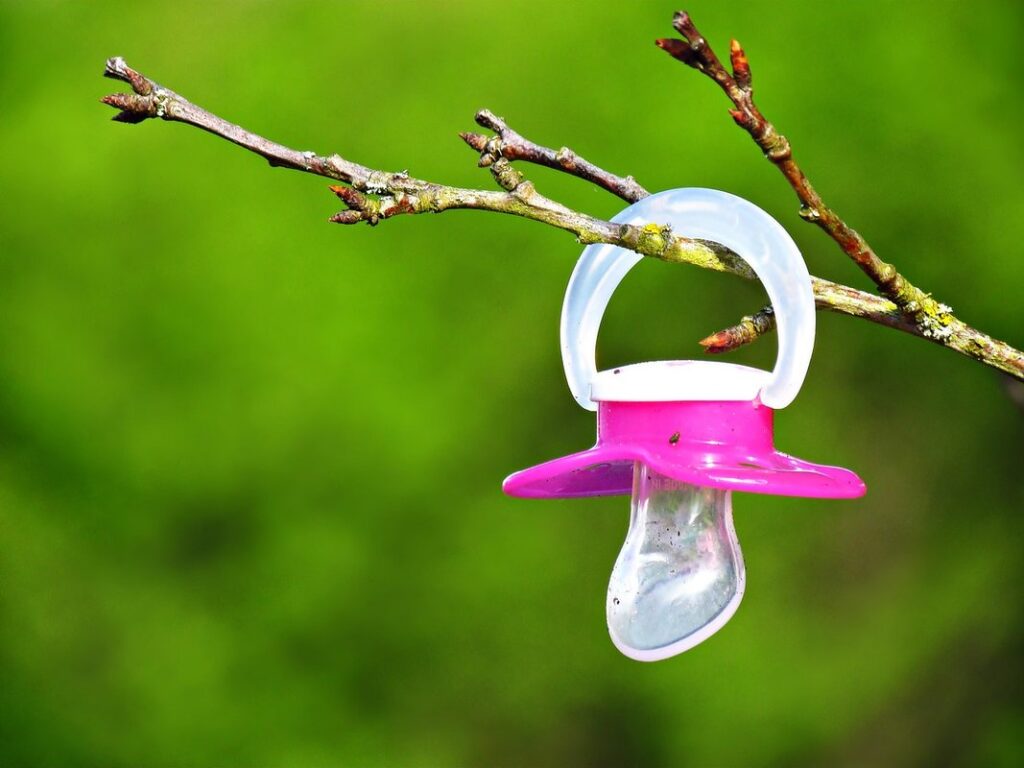
Understanding the Benefits and Challenges
As you start weaning your child from a pacifier, it’s natural to wonder what benefits and challenges lie ahead. In this next part of our guide, we’ll explore both aspects in more detail.
Why Wean Your Child from a Pacifier?
When you consider weaning your child from a pacifier, it’s essential to understand the potential risks associated with prolonged use. One of the primary concerns is tooth decay. Prolonged sucking on a pacifier can lead to an increased risk of tooth misalignment and tooth decay due to the constant flow of bacteria-rich saliva into the mouth. In fact, studies have shown that children who use pacifiers beyond the age of 3 are more likely to experience dental problems.
Another concern is sleep associations. When your child becomes accustomed to using a pacifier as a means of falling asleep or staying asleep, it can create a difficult-to-break habit. Weaning from a pacifier can lead to restlessness, tantrums, and difficulty settling down for naps or nighttime sleep. As a parent, you may find yourself wondering how to break this association without disrupting your child’s entire routine.
In addition to these concerns, there is also the social stigma of using a pacifier beyond a certain age. Children who use pacifiers in public settings can be subject to teasing and ridicule from their peers, which can lead to feelings of embarrassment and low self-esteem.
Common Obstacles to Weaning
Weaning from pacifiers can be a challenging process for many parents. One of the biggest obstacles is dealing with tantrums that arise when children are asked to give up their beloved pacifier. It’s not uncommon for young children to become attached to their pacifier and throw tantrums when it’s taken away, especially in public or at bedtime.
Regression is another common challenge parents face during weaning. This can manifest as a child reverting back to using the pacifier after they’ve made progress in dropping it. Regression can be caused by a variety of factors, such as stress, changes in routine, or even a cold or illness that disrupts sleep patterns.
Difficulty falling asleep without their pacifier is also a common issue for some children. This can be due to the association between the pacifier and sleep, making it difficult for them to self-soothe and fall asleep without it. To overcome these challenges, parents should establish a consistent bedtime routine, offer reassurance and comfort without the pacifier, and consider using a lovey or comfort object in its place.
Preparing for Pacifier Weaning
Before you start the weaning process, it’s essential to prepare your child and yourself for what’s to come. This section will walk you through creating a plan that sets everyone up for success.
Creating a Weaning Plan
Creating a weaning plan is crucial to ensure a smooth transition for your child. To start, set realistic goals with your child’s pediatrician. Consider the age and personality of your child when determining a suitable timeline. A general rule of thumb is to wean children under two years within six months, while older children may take longer.
Establishing a routine can help maintain consistency during the weaning process. Choose a specific time of day for pacifier use and gradually reduce its frequency over time. For example, if your child typically uses their pacifier during naptime or bedtime, you can start by having them drop it one hour earlier each night. Replace the lost sleep with a soothing activity, such as reading or singing.
Selecting an effective weaning method is also important. Some parents opt for cold turkey, while others choose gradual reduction methods. The “hug and substitute” approach involves replacing the pacifier with a comfort object, like a favorite toy or blanket. Be prepared to adapt your plan as needed based on your child’s reaction to changes in their routine.
Choosing the Right Time to Wean
When it comes to weaning your child from their pacifier, timing is everything. It’s essential to consider their age, developmental stage, and individual readiness before starting the process.
Typically, pediatricians recommend weaning pacifiers between 1 to 4 years of age. However, every child is unique, and some may be ready earlier or later than others. Factors such as emotional maturity, self-soothing skills, and attachment style can influence a child’s readiness to give up their pacifier.
Consider your child’s developmental stage: around 2-3 years old, children start to develop more independence and might resist the pacifier. On the other hand, if your child is still very attached to the pacifier at this age, it may be best to wait until they’re a bit older.
Pay attention to your child’s cues, such as trying to hide or throw away the pacifier, which can indicate readiness for weaning. You can also try introducing alternative comfort objects, like stuffed animals or blankets, to help ease the transition. Be patient and adjust your approach according to your child’s individual needs.
Techniques for Successful Weaning
Now that you’ve made it through the initial stages of weaning, let’s dive into some effective techniques to help your little one adjust to life without their pacifier. These tried-and-true strategies will make the process smoother than ever.
Cold Turkey Method
The Cold Turkey Method can be an effective approach to weaning from pacifiers, but it’s essential to prepare yourself and your child for this drastic change. By abruptly stopping pacifier use, you’ll help your child learn to self-soothe without relying on the pacifier.
To minimize tantrums during this transition, establish a new sleep routine at least 2-3 days before weaning. Encourage your child to engage in relaxing activities, such as reading or listening to calming music, to unwind before bedtime. You can also create a soothing sleep environment by keeping the room cool, dark, and quiet.
It’s crucial to set clear expectations with your child about what to expect during this transition. Explain that they’ll no longer be able to use their pacifier and offer reassurance that it’s a natural step towards growing up. Offer plenty of praise and encouragement as your child adapts to the new sleep routine.
Remember, consistency is key when using the Cold Turkey Method. Stick to your plan and avoid giving in to demands for the pacifier. With time and patience, your child will learn to fall asleep without it.
Gradual Weaning Methods
Gradually reducing pacifier use can be an effective approach to weaning. One method is to limit the frequency of pacifier usage. For instance, you might try taking it away during meals or when engaging in physical activities. You could also designate specific times for pacifier use, such as nap time only.
Another approach involves replacing the pacifier with a comfort object, like a stuffed animal or soft blanket. This can help your child develop emotional attachment to something other than the pacifier. Encourage your child to cuddle and sleep with this new object instead of the pacifier.
Some parents also use the “one out, one in” rule: for every time they take away a pacifier, they give their child a small toy or treat as a reward. This approach can help create positive associations with giving up the pacifier.
Managing Weaning Challenges
If you’re experiencing difficulties getting rid of your child’s pacifier, don’t worry – we’ve got you covered. This section will walk you through common challenges and provide practical solutions to help you overcome them.
Coping with Tantrums and Regression
It’s not uncommon for children to experience emotional outbursts and regression during the weaning process. In fact, it’s a normal part of letting go of something that’s been a source of comfort for so long. However, this doesn’t make it any easier for parents to deal with.
To manage tantrums and setbacks, it’s essential to set clear expectations and boundaries while being empathetic and understanding. This means avoiding power struggles and instead focusing on offering reassurance and support. For example, if your child becomes upset during the weaning process, try acknowledging their feelings and validating their emotions by saying something like, “I know you’re feeling really sad right now.”
It’s also crucial to create a distraction plan to help redirect your child’s attention away from the pacifier. This can be as simple as engaging them in an activity they enjoy or offering a comfort object that’s not associated with the pacifier.
By being prepared and having strategies in place, you can navigate even the most challenging moments of the weaning process with greater ease. Remember, every small step counts, and setbacks are an opportunity to learn and grow together as a family.
Establishing a New Sleep Routine
When weaning your child from a pacifier, it’s essential to tackle their sleep routine simultaneously. This is because pacifiers often become linked with falling asleep, making it challenging for your child to self-soothe and sleep through the night without one. Establishing a consistent sleep schedule can help break this association.
To improve sleep quality, start by setting a regular bedtime and sticking to it, even on weekends. Encourage relaxing bedtime routines, such as reading or singing, but avoid screen time before bed. Create a sleep-conducive environment by ensuring the room is dark, quiet, and at a comfortable temperature.
Help your child learn to self-soothe by giving them opportunities to settle down on their own when they’re fussy. This can be done by placing them in their crib or bed when they’re sleepy but still awake. Gradually increase the amount of time between checks, allowing them to learn to fall asleep independently. By addressing sleep habits and introducing healthy routines, you’ll be better equipped to navigate the weaning process and reduce your child’s reliance on the pacifier.
Pacifier Weaning and Developmental Milestones
As you navigate the process of weaning your child from their pacifier, it’s essential to consider how this change will impact their developmental milestones. Let’s take a closer look at what to expect in each stage of growth.
Impact on Language and Cognitive Development
Prolonged pacifier use has been linked to potential delays in language development and cognitive growth. Research suggests that children who rely heavily on pacifiers may have difficulty transitioning from babbling to actual speech, as they become accustomed to the soothing sound of the pacifier.
In a study published by the American Academy of Pediatrics (AAP), it was found that children who used pacifiers beyond 18 months were more likely to experience delays in language development. This is because prolonged pacifier use can hinder the child’s ability to develop phonetic skills, leading to difficulties with articulation and vocabulary expansion.
To minimize potential risks, consider setting clear boundaries around pacifier use from an early age. Encourage verbal communication by responding promptly to your child’s coos and babbles. You can also try gradually reducing pacifier use over time, replacing it with comfort objects like stuffed animals or blankets when the need arises. By making a conscious effort to promote language development through interaction and communication, you can help your child reach developmental milestones on schedule.
Physical Health Consequences
Continuing to use a pacifier beyond toddlerhood can have severe physical health consequences for your child. One of the most common issues is an increased risk of ear infections. When a child sucks on a pacifier, it creates suction that can cause the Eustachian tube, which regulates air pressure in the ears, to become blocked. This blockage allows bacteria to accumulate and lead to infection.
Moreover, using a pacifier for extended periods can also contribute to tooth decay and other oral health issues. The constant sucking motion can alter the alignment of teeth and lead to uneven wear on the upper and lower teeth. Furthermore, the bacteria in the mouth that cause cavities are more likely to thrive when a child uses a pacifier.
To minimize these risks, it’s essential to wean your child off the pacifier by their second birthday. Establishing good oral hygiene habits, such as regular brushing and flossing, is also crucial for maintaining healthy teeth and gums. By making informed choices about pacifier use and prioritizing oral health, you can help your child develop a strong foundation for lifelong physical well-being.
Supporting Your Child through Weaning
Weaning from a pacifier can be tough on your little one, so it’s essential to provide emotional support and guidance throughout the process. This section offers practical tips for supporting your child as they say goodbye to their beloved binky.
Building Emotional Resilience
As you embark on the weaning journey with your child, it’s essential to acknowledge that this process can be emotionally challenging for them. Building emotional resilience during this time is crucial to ensure a smooth transition from relying on a pacifier to self-soothing and independent sleep habits.
Helping your child develop emotional resilience involves acknowledging their feelings and providing reassurance. When your child cries or gets frustrated, validate their emotions by saying “I know you’re upset” or “It’s okay to feel sad.” This helps them understand that their feelings are normal and acceptable.
Encourage open communication by listening attentively to your child’s concerns. Ask questions like “What do you think is making it hard for you to sleep without the pacifier?” or “How can I help you feel more comfortable at night?” By doing so, you’ll create a safe space for them to express themselves and develop self-regulation skills.
Offer physical comfort like hugs, cuddles, or reading together to provide reassurance and stability. Remember that emotional resilience is developed over time with patience, consistency, and positive interactions.
Encouraging Positive Behaviors
As you progress with the weaning process, it’s essential to encourage positive behaviors that will help your child develop essential life skills. One of the most significant milestones is teaching self-soothing techniques, which can be a challenging task, especially for young children.
Start by establishing a bedtime routine that allows your child to learn how to relax without relying on their pacifier. This could include activities like reading a book, singing a lullaby, or having a warm bath. As your child becomes more comfortable with these new routines, they will begin to associate them with sleep time.
Independence is also crucial for healthy development. Encourage your child to take ownership of their belongings and make choices about their daily routine. This could be as simple as choosing which book to read before bed or picking out their own pajamas. By giving them the freedom to make decisions, you’re helping them build confidence and self-reliance.
Frequently Asked Questions
What if my child is extremely attached to their pacifier, and I’m worried about the weaning process causing emotional distress?
Gradual weaning methods can help minimize stress during the transition. You can start by reducing the frequency of use or replacing the pacifier with a comfort object, like a soft toy. Monitor your child’s progress and adjust the approach as needed to avoid regression.
How long does it take for children to fully adjust to life without a pacifier?
Adjustment times vary depending on age and individual development. Typically, most children adapt within 2-4 weeks after weaning begins. Be patient and consistent with your plan, as small setbacks can occur along the way.
Can I still use a pacifier at bedtime for a few more months if my child is nearing an important developmental milestone?
While it’s essential to prioritize healthy sleep patterns, some flexibility may be necessary around specific milestones like teething or potty training. Discuss with your pediatrician how you can balance weaning with your child’s unique needs.
Will I need to adjust our sleep routine significantly after the pacifier is removed, or can it remain largely intact?
Your sleep routine might require some tweaking to accommodate new habits and promote healthy sleep hygiene. Establish a calming pre-sleep environment and encourage self-soothing techniques to ensure a smooth transition into independent sleep patterns.
How do I address my child’s tantrums during the weaning process, especially when they’re feeling frustrated or resistant to change?
Acknowledge your child’s emotions and validate their feelings while maintaining clear boundaries. Offer reassurance that you’re working together towards a healthier habit. Encourage positive behaviors by praising small successes along the way.