
Grocery shopping with toddlers can be a daunting task. Between the colorful aisles, tempting treats, and overwhelming crowds, it’s no wonder many young children melt down in the middle of the store. As a parent, you know how frustrating it is to try and manage your toddler’s behavior while navigating the grocery list. But what if you could make shopping with your little one a positive experience? With some preparation and strategies, you can turn tantrum-filled trips into enjoyable outings. In this article, we’ll explore effective ways to prepare your toddlers for grocery store visits, prevent meltdowns, and even make shopping a fun adventure. Whether you’re a seasoned pro or a newbie to parenting, our tips will help you tackle grocery store behavior with confidence and keep your toddler happy and content.
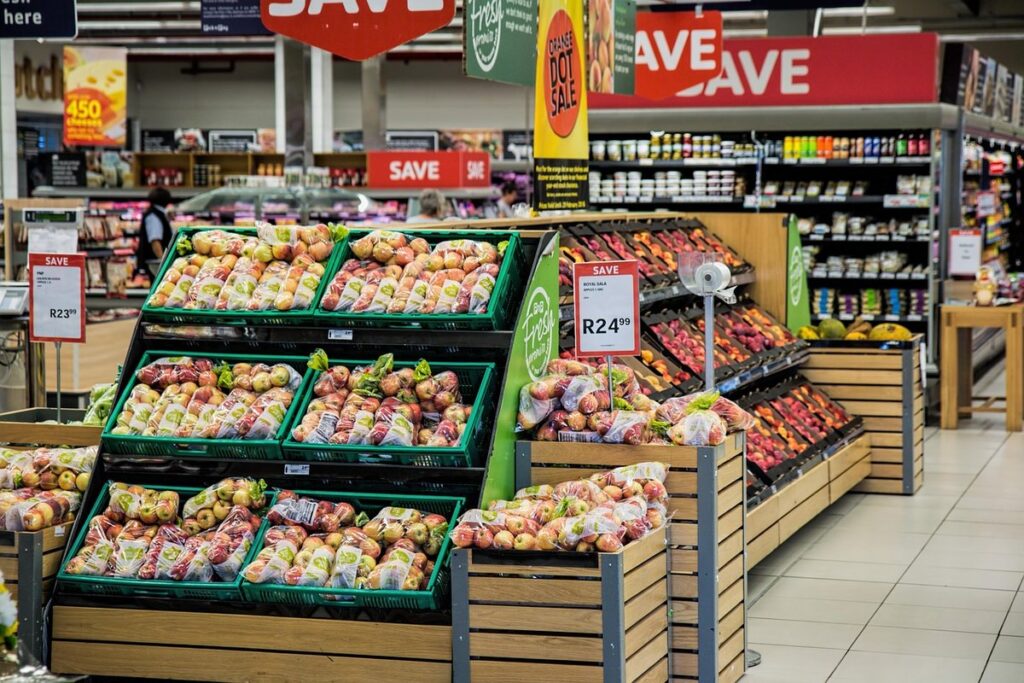
Understanding Toddler Behavior in Public Places
Navigating grocery stores with toddlers can be overwhelming, especially when it comes to understanding their behavior and how to manage meltdowns in public. This section addresses those challenging situations head-on.
Why Toddlers Get Distracted in Grocery Stores
When you’re shopping with a toddler, it’s not uncommon for them to get completely absorbed in the surroundings of the grocery store. For young children, these environments can be overwhelming and stimulating, making it difficult for them to focus on what they need to do – like helping mom or dad pick out groceries.
One major distraction for toddlers is colorful packaging. Have you ever watched your child be mesmerized by a brightly colored cereal box or cartoon character on a food label? These enticing visuals can captivate their attention and make them forget about the task at hand. To minimize this, consider letting your toddler help with choosing simpler items like fruits and vegetables, which are often packaged in more subdued colors.
Another common distraction is tempting treats. For many toddlers, the allure of sugary snacks is hard to resist. This can lead to meltdowns if they’re not allowed to have their desired treat. To avoid this, consider purchasing these items last or making a game out of saying “no” to them in a gentle manner.
How to Prepare Your Child for a Grocery Store Visit
Preparing your child for a grocery store visit can make all the difference in ensuring a smooth and stress-free experience for both of you. Before heading out, take some time to explain what to expect at the grocery store. Let them know that they will see many new sights and sounds, including colorful food displays, buzzing cash registers, and even other children crying.
Help your child prepare by role-playing different scenarios, such as putting items in a cart or saying “please” and “thank you” to store staff. You can also show them pictures of fruits and vegetables and ask them to identify their favorite foods. Make sure they understand that it’s okay to say no to certain products or take breaks if needed.
Consider taking your child on smaller trips around the neighborhood before attempting a big grocery store visit. This will help them become comfortable with being in a new environment and make them more receptive to exploring a larger space like a grocery store.
Strategies for Managing Toddler Tantrums in Stores
We’ve all been there: stuck in a crowded store, trying to navigate the cereal aisle while your toddler is meltdown mode. Next, we’ll share some tried-and-true strategies for surviving tantrums in stores.
Recognizing Warning Signs of an Impending Meltdown
When you’re navigating a grocery store with a toddler, it’s not always easy to predict when a meltdown might occur. However, there are often subtle warning signs that can indicate a storm is brewing. Staying calm and responding promptly can make all the difference in preventing or diffusing an impending tantrum.
Look out for changes in tone – a raised voice or whiny pitch can signal distress. Changes in behavior, such as increased fidgeting, clinging to you, or refusing to move from one area of the store to another, are also red flags. Pay attention if your child is fixated on something specific, like a toy or a particular product, and becomes agitated when you try to redirect them.
If you notice any of these warning signs, stay calm and respond with empathy. Validate your child’s feelings by acknowledging their frustration, saying something like “I know you’re really upset right now.” This helps them feel heard and understood, which can de-escalate the situation. Next, redirect their attention to a more appealing activity or offer choices, giving them a sense of control over the situation.
How to Stay Calm When Your Child is Having a Tantrum
Staying calm during a tantrum is crucial to de-escalating the situation and preventing further meltdowns. When your child starts screaming in the middle of the grocery store, it’s natural to feel frazzled yourself. But remember that children feed off their caregivers’ emotions, so take a deep breath and try not to let your anxiety show.
One effective technique is deep breathing: inhale slowly through your nose for a count of four, hold your breath for a count of four, and exhale slowly through your mouth for a count of four. This helps slow down your heart rate and calm your nervous system. To distract yourself from the tantrum, try to focus on something else in the store – like the colorful displays or the friendly sales associates.
You can also use this opportunity to practice empathy: acknowledge your child’s feelings with phrases like “I know you’re really upset right now” or “It can be frustrating when we can’t have what we want.” By staying calm and empathetic, you’ll help your child regulate their emotions and eventually return to a calm state.
Practical Tips for Shopping with Toddlers
To make shopping trips with your toddler a breeze, here are some practical tips to help you navigate the store with ease and minimal meltdowns. From cart organization to distractions, we’ve got you covered!
Choosing the Right Time to Visit the Store
When it comes to shopping with toddlers at the grocery store, timing is everything. Avoiding peak hours can make a huge difference in your overall shopping experience and help prevent meltdowns. Typically, the busiest times at most grocery stores are between 5 pm and 7 pm on weekdays when people are picking up groceries after work or dinner.
If possible, try to plan your shopping trip during less busy periods such as early morning or late afternoon/early evening on weekends. These times tend to be more relaxed, allowing you to take your time browsing the aisles without feeling rushed.
Another factor to consider is your child’s schedule and energy levels. If they’re not well-rested or are hungry, it can be challenging to navigate the store effectively. Try to plan your shopping trip when your toddler is most rested and fed. For example, if you know they tend to get overtired in the afternoon, try to avoid shopping during this time.
Consider visiting stores that offer quieter hours for parents with young children or those that provide special services like online shopping and curbside pickup. Some grocery stores also have dedicated sections for families with young children, offering a more relaxed environment.
Using the ‘One-Task-at-a-Time’ Approach for a Smoother Shopping Experience
When navigating the grocery store with a toddler, it’s easy to get caught up in trying to accomplish multiple tasks at once – like refereeing tantrums, keeping track of shopping lists, and corralling your little one from wandering off. However, this can quickly lead to frustration, wasted time, and even missed items on your list.
Instead, try focusing on one task at a time. For example, if you’re trying to get your toddler to pick up toys in the cart while you grab something from the top shelf, focus solely on getting that item first – don’t worry about cleaning up the toys yet. By streamlining your approach and tackling tasks individually, you’ll find it easier to stay calm and composed.
Here’s a simple strategy to try: “single-task shopping.” As soon as you enter the store, decide what one thing you need to accomplish in that aisle or section – whether it’s grabbing a specific item, refilling milk, or helping your toddler use the potty. By concentrating on one goal at a time, you’ll save mental energy and make the experience more enjoyable for both of you.
Essential Products for Making Grocery Store Trips Easier
When it comes to navigating grocery stores with toddlers, having the right products can make all the difference. Here are some must-haves that’ll save you time and stress on shopping trips.
Must-Have Items in Your Shopping Cart
When navigating the grocery store with toddlers, having the right products in your cart can make all the difference. Baby-friendly snacks are a must-have to keep tiny tummies satisfied and prevent meltdowns. Opt for easy-to-grab items like puffed rice, crackers, or dried fruits that are less messy and easy to eat on-the-go.
Don’t forget portable entertainment items to keep your little ones engaged while you shop. Travel-sized toys, coloring books, and crayons can be lifesavers in the checkout line or during long shopping trips. You can also consider packing a small backpack with favorite stuffed animals, sippy cups, or pacifiers for added comfort.
Other essential products include reusable bags, a refillable water bottle, and a stroller-friendly snack container to keep everything within reach. Consider investing in a small cart cover or blanket to create a cozy spot for your toddler to sit while you shop. Remember, the key is to be prepared and flexible – have fun exploring different products that work best for your family!
Using Technology to Streamline Your Shopping Experience
As you navigate the challenges of grocery shopping with toddlers, it’s essential to explore ways to streamline this process. One area that can greatly benefit from technology is the shopping experience itself. With various apps and digital tools available, you can make the most out of your time at the store.
For instance, consider using a cashback app like Ibotta or Fetch Rewards, which offer exclusive discounts on everyday items. These apps allow you to browse deals and add them to your purchase list before even stepping foot in the store. Additionally, digital coupons through store loyalty programs can save you money without cluttering your wallet with paper coupons.
Another valuable tool is price comparison apps like Flipp or Out of Milk. These apps enable you to track sales cycles, create shopping lists, and monitor prices for items on sale. By utilizing these resources in conjunction with each other, you can make informed purchasing decisions and stay within your budget – all while keeping up with your toddler’s needs.
Safety Considerations for Toddlers in Grocery Stores
When shopping with toddlers, safety is a top priority, and grocery stores can pose unique hazards that require extra attention to prevent accidents and injuries. This section covers essential tips for keeping your little ones safe in the store.
Preventing Injuries from Store Equipment
When navigating grocery stores with toddlers, it’s essential to be aware of potential hazards that can lead to injuries. One significant concern is store equipment, such as shopping carts and automatic doors. To prevent accidents, make sure to secure the cart by locking the wheels when not in use. This will prevent it from rolling away and potentially colliding with other shoppers or objects.
Be mindful of toddlers approaching automatic doors, as they can easily get trapped between the closing doors. Opt for manual doors or ask a store employee to assist with opening or closing them. Additionally, ensure your child is aware of the door’s movement by demonstrating how it works.
When using shopping carts, teach your toddler to hold onto the cart and not climb on it. You can also consider using a stroller instead, which provides more protection for your child. By being vigilant and taking preventive measures, you can minimize the risk of injuries from store equipment and create a safer experience for both you and your little one.
What to Do If You Lose Your Child in the Store
Losing track of your toddler in a grocery store is every parent’s worst nightmare. However, panicking can lead to more chaos and make it even harder to find your child. If you do lose sight of your little one, stay calm and follow these essential steps.
Firstly, designate a meeting spot before you start shopping. Choose a landmark or a specific area where you both agree to meet in case you get separated. This could be a fountain, a statue, or even the store’s customer service desk. Make sure your child understands this plan and knows what to do if they can’t find you.
In the event of a separation, don’t waste time frantically searching the aisles. Instead, head straight to your designated meeting spot. If your child is still nowhere to be found, ask for assistance from store staff or security personnel. They are trained to handle such situations and may have cameras or other tools to help locate your child quickly.
Remember, being prepared and having a plan in place can make all the difference in these tense moments. By staying calm and following a clear protocol, you can minimize stress and ensure a safe reunion with your toddler.
Creating a Positive Grocery Store Experience
When it comes to grocery shopping with toddlers, managing their behavior is crucial for a stress-free experience. Here’s how you can create a positive and enjoyable trip for both of you.
Encouraging Active Participation from Your Child
Encouraging active participation from your child is an excellent way to make grocery shopping a positive experience for both of you. Not only will it keep them engaged and distracted from tantrums, but it also helps teach them valuable skills like decision-making and responsibility.
Try letting your toddler pick out fruits or vegetables at the store. Many stores now have “kid-friendly” sections where colorful produce is displayed in an attractive way. Let your child choose their favorite fruit or veggie, and encourage them to ask the farmer or store staff about it. This not only introduces them to new foods but also helps them develop an appreciation for healthy eating.
Another fun idea is to create a shopping list together as a team. You can even make it a game by letting your child tick off each item on the list as you find it in the store. Not only will this help them feel more involved, but it’ll also teach them about meal planning and grocery management. Just remember to keep it simple and fun – don’t overwhelm them with complicated lists or tasks!
Building Memories through Shared Experiences
As you navigate the aisles with your toddler, it’s easy to get caught up in the chaos of finding the perfect combination of food and sanity. But amidst the hustle and bustle, don’t forget that these trips can be a unique opportunity to create lasting memories with your little one. Singing silly songs or playing games while shopping can make the experience enjoyable for both you and your toddler.
Try incorporating activities like “I Spy” or “Simon Says” into your shopping routine. These simple games can distract from any tantrums and help keep your child engaged in the process. You can also use this time to teach your toddler about different fruits, vegetables, and other grocery items, making the experience both fun and educational.
To make these moments even more special, consider creating a “Grocery Store Adventure” list with your child before you head out. This list can include things like finding a new fruit or trying a new snack. By giving your toddler ownership in the process, they’ll be more invested in making the experience a success.
Frequently Asked Questions
What if my child is extremely resistant to the “one-task-at-a-time” approach? How can I adapt this strategy for them?
If your child is having trouble following the one-task-at-a-time approach, try breaking it down further. Instead of focusing on a single task like picking out produce, focus on a smaller action within that task, such as selecting a specific apple variety. This can help make the process feel less overwhelming and more manageable for young children.
How do I handle situations where my child becomes fixated on something they really want in the store, but it’s not on our list or is too expensive?
If your child becomes fixated on an item that isn’t on your shopping list or is outside of your budget, calmly explain the reasoning behind not purchasing it. You can also offer a compromise, such as taking a picture of the item to look at later or saving up for it in the future.
Can I use this approach with younger toddlers (under 2 years old) who may not be able to follow complex instructions?
While older toddlers may benefit from more structured guidance, younger toddlers can still participate in grocery shopping experiences. Consider using simple, visual aids like pictures or flashcards to help them recognize items on your list.
What if my child starts to get upset because they’re having trouble navigating the store’s layout or finding certain items?
If your child is struggling with navigation or item location, try simplifying the task by choosing a smaller grocery store or using online shopping options. You can also create a simple map of the store with key items marked to help them feel more in control.
How do I balance teaching my child about making choices and being responsible for their actions with not wanting to make a scene in public?
It’s essential to strike a balance between empowering your child to make choices and maintaining a peaceful shopping experience. Consider setting clear expectations before entering the store, such as staying close to you and respecting your decisions when it comes to purchases.