
Friendship problems can be just as challenging for elementary school kids as they are for adults. As children navigate the complexities of social relationships, they may encounter bullying, exclusion, or conflicts with their peers. Parents and educators often struggle to support these young students in developing healthy friendships and social-emotional skills.
In this article, we’ll delve into the common challenges that arise when it comes to friendship problems in elementary school. We’ll explore how parents can identify signs of struggling friendships, what educators can do to promote positive relationships, and strategies for teaching children essential social skills like empathy, communication, and conflict resolution. By understanding these issues and implementing effective approaches, we can help our kids build strong, lasting friendships that benefit their emotional well-being and academic success.
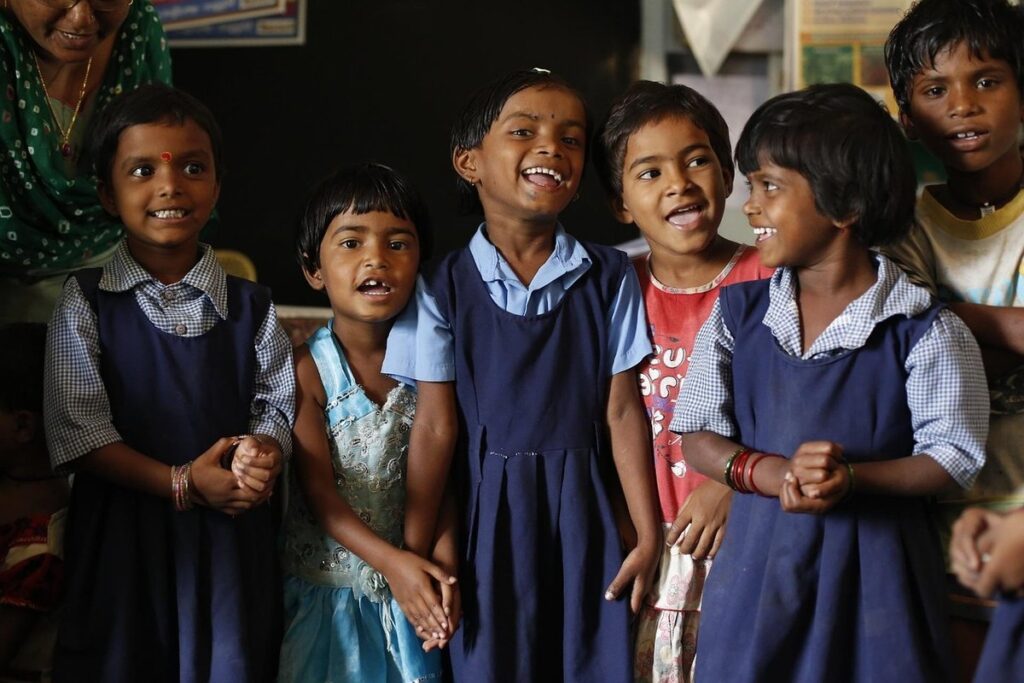
The Importance of Friendships in Elementary School
Friendships play a vital role in shaping your child’s social skills, emotional intelligence, and confidence during elementary school years. This is especially true for building lasting relationships that extend beyond academics.
Why Friendships Matter at This Age
As children enter elementary school, friendships become an essential part of their lives. Having close friends during this age can have a profound impact on their social, emotional, and cognitive development. Friendships provide a sense of belonging, which is crucial for building self-esteem and confidence.
When children have close friends, they feel more secure and supported, allowing them to take risks and explore new things without fear of being rejected or left out. This, in turn, reduces anxiety and stress levels, making it easier for them to focus on their studies and perform better academically.
In fact, research has shown that children who have close friendships tend to have higher GPAs and better attendance records than those who don’t. Friendships also help children develop important social skills like communication, empathy, and conflict resolution.
By encouraging your child’s friendships during this age, you can help them build a strong foundation for future relationships and academic success. Encourage them to participate in group activities, invite friends over for playdates, and model good friendship behaviors yourself. By doing so, you’ll be helping your child develop essential life skills that will benefit them for years to come.
Types of Friendships Children Form at This Age
At this age, children typically form different types of friendships that shape their social skills and experiences. Same-gender friendships are common among elementary school students as they often bond over shared interests and activities. Boys tend to play with boys and girls with girls, reinforcing same-sex stereotypes. However, allowing them to interact with the opposite sex can help broaden their perspectives and develop essential communication skills.
Friendships with peers from diverse backgrounds also play a significant role in shaping children’s social development. When children form friendships across racial, ethnic, or cultural lines, they learn valuable lessons about empathy, understanding, and cooperation. For instance, if your child befriends a student who speaks a different language at home, it may help them appreciate the value of linguistic diversity.
In addition to these types, children may also form close relationships with peers in their class or school who share similar interests. Encourage your child to engage with classmates from various backgrounds to foster a more inclusive environment and promote social growth.
Causes of Friendship Problems in Elementary School
As you try to figure out why your child is struggling with friends, it’s essential to understand what could be causing these friendship problems in elementary school. Sometimes, bullying, social media pressure, and cliques can all play a role.
Bullying and Cyberbullying: A Growing Concern
Bullying and cyberbullying have become increasingly prevalent concerns in elementary schools. According to a survey by the National Center for Education Statistics, approximately 21% of students aged 6-11 reported being bullied on school property during the 2019-2020 school year. Cyberbullying is also a growing issue, with 36% of children aged 10-18 experiencing online harassment.
The impact of bullying and cyberbullying on children’s mental health cannot be overstated. Victims may experience anxiety, depression, and even suicidal thoughts. As parents and educators, it’s essential to recognize the signs of bullying. Look for changes in behavior, such as withdrawal from social activities or a sudden drop in academic performance.
To prevent bullying, establish a safe and inclusive school environment by promoting empathy and kindness among students. Encourage open communication with your child about their experiences and feelings. Teachers can also use classroom discussions to address bullying and promote respectful relationships. Additionally, implement anti-bullying policies and provide support for victims through counseling services or peer mentoring programs.
Social Skills Deficits and Their Impact on Friendships
When children struggle with social skills, it can be tough for them to make friends and maintain healthy relationships. One of the key challenges is difficulty initiating or maintaining conversations – they might feel anxious about starting a conversation, or have trouble thinking of things to say. This can lead to feelings of loneliness and isolation.
To teach your child essential social skills, start by modeling empathy and active listening yourself. When you’re interacting with others, pay attention to their body language and verbal cues, and try to understand their perspective. You can also role-play different scenarios with your child, such as introducing themselves to a new classmate or resolving a conflict with a friend.
It’s also important to teach your child how to resolve conflicts in a healthy way. This might involve staying calm, listening to the other person’s point of view, and finding a compromise that works for everyone. By teaching these skills, you can help your child build stronger friendships and navigate social situations with confidence.
Identifying Friendship Problems in Elementary School
Identifying friendship problems in elementary school can be a challenge, but knowing the signs is crucial to supporting your child’s social growth and well-being. Let’s explore the common issues that may arise during this stage.
Recognizing Signs of Strained Friendships
As a parent of an elementary school student, it’s essential to be aware of the signs that may indicate strained friendships. Keep an eye out for changes in behavior, such as sudden withdrawal from activities they previously enjoyed or becoming overly defensive when questioned about their friends. Mood swings can also be a red flag – if your child is normally outgoing and friendly but becomes irritable or withdrawn around certain classmates.
Pay attention to whether your child is avoiding social situations, like parties or playdates, which can indicate a strained friendship. Changes in sleep patterns, appetite, or energy levels can also signal that something’s amiss. If you notice your child becoming increasingly anxious or preoccupied when talking about their friends, it may be worth exploring the issue further.
By being aware of these signs, you can start to identify potential problems early on and take steps to address them before they escalate into more significant issues.
How to Talk to Your Child About Friendship Issues
Talking to your child about friendship issues can be a daunting task, but it’s essential to have open and supportive conversations to help them navigate these challenges. When discussing their friendships with your child, make sure to listen actively by maintaining eye contact, asking open-ended questions, and avoiding interrupting or judging their feelings.
Validating their emotions is crucial in these conversations. Acknowledge that their feelings are real and normal, even if you don’t agree with their perspective. For example, if they express sadness about being left out of a game at recess, say “I can see why you’d feel sad about that” instead of “You shouldn’t be sad, just try harder next time.” This helps your child feel heard and understood.
Encourage problem-solving skills by asking questions like “What do you think you could do to solve this problem?” or “How do you think you can improve your friendship with [name]?” By empowering your child to take ownership of their relationships, you’re helping them develop essential social skills that will benefit them throughout their lives.
Strategies for Resolving Friendship Problems in Elementary School
As you navigate the challenges of friendship problems with your elementary school child, learning effective strategies to resolve issues is crucial. This section will share practical tips to help rebuild and strengthen friendships.
Encouraging Positive Relationships through Play
Play is an essential component of childhood development, and it plays a crucial role in fostering positive friendships among elementary school students. During playdates, children learn valuable social skills such as communication, cooperation, and conflict resolution. Parents can facilitate playdates that promote these skills by providing opportunities for structured and unstructured play.
For instance, you can set up a playdate with a friend’s child at the park or in your backyard. Encourage them to engage in active play like tag, soccer, or hide-and-seek. These activities not only burn off energy but also teach teamwork, taking turns, and problem-solving skills. You can also organize quieter games like board games or puzzles that promote social interaction and cooperation.
To make the most out of playdates, ensure that they are frequent and consistent. This will help children develop long-lasting friendships. Additionally, encourage open communication with your child about their experiences during the playdate. Ask them to share what they enjoyed or learned from the experience, and use these opportunities to discuss social skills and friendship-building strategies.
Conflict Resolution Skills: Teaching Children to Manage Disagreements
Conflict resolution skills are essential for children to develop as they navigate friendships and social interactions. When disagreements arise, teaching children how to manage them can make all the difference in maintaining healthy relationships. Active listening is a crucial skill that allows children to understand their peers’ perspectives and feelings. Encourage your child to repeat back what they’ve heard to ensure understanding and show empathy.
Compromise is another valuable strategy for resolving conflicts. Teach your child to weigh the importance of each issue and find a mutually beneficial solution. For instance, if two friends disagree on what game to play at recess, suggest they take turns playing their preferred games or compromise on a third option.
Assertiveness is also vital in conflict resolution. Encourage your child to express their needs and feelings calmly and respectfully, using “I” statements instead of “you” statements that can come across as accusatory. Role-playing different scenarios with your child can help them develop these essential skills and feel more confident in handling future disagreements.
Building Resilience and Promoting Positive Friendships
Now that we’ve explored the causes of friendship problems, let’s focus on building resilience and promoting positive friendships to help your child navigate these challenges.
How Parents Can Support Their Child’s Friendship Development
As a parent, it’s natural to want to support your child’s friendship development. You play a significant role in shaping their social skills and relationships. One of the most effective ways to do this is by modeling positive relationships yourself.
Children learn from observing their parents’ behavior, so make sure you’re practicing kindness, empathy, and active listening with family members, friends, and even strangers. For example, if your child sees you being understanding and patient when interacting with a cashier or a neighbor, they’re more likely to do the same in their own friendships.
In addition to modeling positive relationships, encourage empathy by discussing how others might feel in different situations. Ask open-ended questions like “How do you think your friend felt when…?” or “What would you do if someone said something mean to you?” This helps children develop a deeper understanding of others’ perspectives and builds stronger connections with their peers.
Make time for activities that promote socialization, such as playdates, sports teams, or clubs. These opportunities allow your child to interact with different people, build new relationships, and practice important skills like cooperation and communication.
School-Based Initiatives to Foster Positive Friendships
Schools play a vital role in fostering positive friendships among children. One effective way to promote social connections is through buddy systems, where students are paired with a “buddy” from another class or grade level. This helps build relationships and encourages empathy by providing opportunities for kids to work together on projects and share experiences.
Another initiative that has shown promise is peer mentoring programs. These programs pair older students with younger ones, allowing them to develop leadership skills while providing guidance and support. For instance, at a school in California, a peer mentoring program led to significant improvements in social-emotional learning outcomes among participating students.
Inclusive playgrounds are also crucial for promoting positive friendships. By incorporating inclusive play structures and equipment that cater to different abilities, schools can encourage children with varying needs to interact and engage with one another. Partnering with schools to create such an environment is essential – by working together, parents, educators, and community members can help foster a supportive atmosphere where kids feel valued and connected.
Conclusion
In conclusion, friendship problems are a common phenomenon in elementary school. It’s essential for parents, teachers, and caregivers to be aware of these issues and take proactive steps to address them. By fostering an environment that promotes empathy, kindness, and inclusivity, we can help children develop healthy relationships with their peers. Encourage your child to express their feelings and concerns about their friendships, and listen attentively to what they have to say. By doing so, you’ll not only be helping them navigate the challenges of elementary school friendships but also equipping them with essential social skills that will benefit them throughout their lives. By working together, we can help our children build strong, lasting friendships that bring joy and happiness into their lives.
Frequently Asked Questions
Can my child’s friendship problems be a sign of deeper emotional issues?
Yes, difficulties with friendships can sometimes indicate underlying emotional challenges such as anxiety or low self-esteem. If you notice persistent patterns of struggling relationships or social withdrawal, it’s essential to consult with your child’s pediatrician or a mental health professional for guidance on addressing these potential issues.
How do I know if my child is being bullied or excluded online?
Bullying and cyberbullying can be particularly challenging to identify. Pay attention to changes in your child’s behavior, such as sudden withdrawal from activities they enjoy, anxiety about going to school, or complaints about receiving mean messages on social media platforms. Monitor their online activity closely, and if you suspect bullying is occurring, report it to the school authorities immediately.
What are some signs that my child needs help with conflict resolution skills?
Children who struggle with managing conflicts may exhibit behaviors like becoming overly aggressive, withdrawing from interactions, or feeling defeated by disagreements. They might also experience anxiety or stress related to social situations. Look for opportunities to teach your child specific conflict resolution strategies, such as active listening and problem-solving.
Can I still encourage positive friendships if my child has special needs?
Yes, it’s crucial to promote positive relationships even when a child has special needs. Identify friends who are inclusive and understanding, and engage them in activities that cater to everyone’s interests. Consider working with your child’s teacher or therapist to develop strategies for building social connections and teaching essential communication skills.
What role do schools play in preventing friendship problems in elementary school?
Schools can have a significant impact on promoting healthy friendships by implementing anti-bullying programs, providing social-emotional learning opportunities, and fostering inclusive classroom environments. Encourage your child’s school to develop and maintain policies that support positive relationships among students and teachers alike.