
Dividing a room for siblings can be a daunting task, but with some expert guidance, you can create a harmonious living space that promotes mutual respect and independence. As a parent, you want your kids to share a bedroom without sacrificing their individuality or personal space. The key is to strike a balance between shared areas and private nooks, making it easy for them to study, relax, and play together.
In this article, we’ll walk you through our top tips on dividing a room for siblings, from choosing the right furniture arrangement to implementing dividers and organizers that keep clutter at bay. We’ll also share some creative ideas for creating separate zones within a shared space, ensuring each child has their own special spot to call their own. Whether your kids are toddlers or teenagers, we’ve got you covered with expert advice on creating a peaceful and functional bedroom environment that fosters sibling harmony.
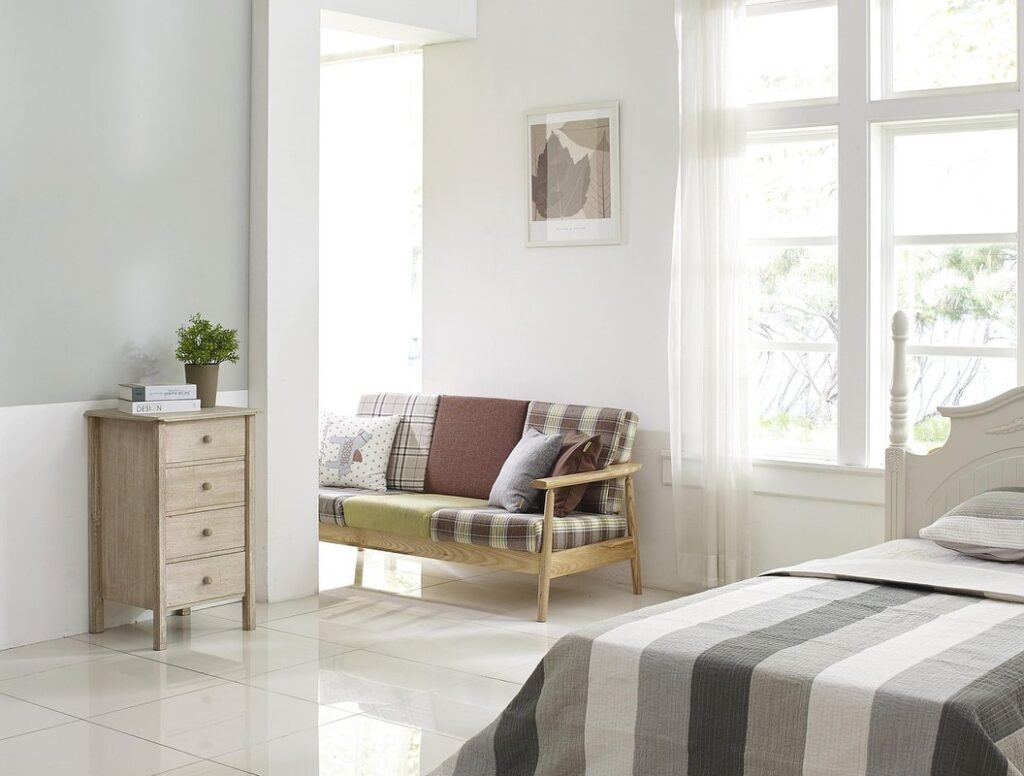
Assessing Your Space and Needs
To effectively divide a room for your siblings, it’s essential to assess the space and consider their individual needs, ages, and personalities. This will help you create a harmonious living environment that suits everyone.
Understanding the Challenges of Shared Spaces
When dividing a room for siblings, one of the biggest challenges you’ll face is managing their individual needs and personalities. Siblings often have strong territorial behaviors, where they claim ownership over certain areas of the room, which can lead to conflicts and power struggles.
Noise levels are another common issue that arises when sharing a space. Younger children may be more prone to making noise, while older siblings might prefer quieter surroundings. Finding a balance between these needs can be difficult, but it’s essential for creating a harmonious living environment.
Personal space is also crucial for siblings sharing a room. Children need their own area where they can relax and unwind without feeling overwhelmed or intruded upon. Consider allocating specific zones within the room for each child, such as a reading nook or a desk space, to help them maintain their sense of independence.
Measuring and Mapping Your Room
Measuring your room accurately is essential to create a harmonious living space for siblings. Start by grabbing a tape measure and walking through the room with a pencil and paper. Take note of the dimensions, including the length, width, and any obstacles such as windows or doors. Record these measurements in both feet and inches, and don’t forget to note any specific features like built-in shelves or closet space.
Next, create a floor plan by drawing a simple diagram of your room. You can use graph paper or online tools like RoomSketcher or Floorplanner to help you visualize potential layouts. Consider the “work zones” in the room – where kids will sleep, study, and relax. Think about how these areas will interact with each other and identify any challenges that need to be addressed.
As you map out your space, think about traffic flow and circulation paths. You’ll want to create clear pathways for your children to move around easily, without compromising on individual work zones. By accurately measuring and mapping your room, you’ll be better equipped to design a functional layout that suits the needs of both siblings.
Choosing the Right Furniture Arrangement
When it comes to creating a harmonious living space for siblings, choosing the right furniture arrangement is crucial. We’ll break down the essential tips to help you create separate zones within a shared room.
Sectionalizing the Space with Furniture
When it comes to dividing a room for siblings, furniture can be a game-changer. Instead of building walls or installing dividers, consider using pieces that can be easily rearranged or reconfigured to separate areas for each child. Bookshelves, desks, and storage units are all great options.
For example, you could place a bookshelf in one corner of the room, and use it as a makeshift room divider by placing bins and baskets on top of it. This not only adds storage but also creates a sense of separation between the two areas. Another idea is to set up a desk or workstation for each child, using a desk organizer or tray to keep their workspace clutter-free.
You can also repurpose existing furniture pieces in creative ways. For instance, if you have an old dresser that’s no longer needed, consider turning it into a room divider by placing it at an angle and adding some decorative items on top. Remember, the key is to be flexible and adaptable when it comes to dividing a room for siblings – with a little creativity, you can create a harmonious living space that meets their unique needs.
Creating Zones with Rugs and Lighting
When dividing a room for siblings, it’s essential to create distinct zones that cater to their individual needs and preferences. This can be achieved through strategic placement of rugs and lighting fixtures, along with other decorative elements.
Start by selecting area rugs that define the different spaces within the room. For instance, you could place a rug in front of a desk or reading nook to create a cozy spot for quiet activities. Conversely, a larger rug under a play area or gaming station can help contain messes and make cleanup easier. Consider choosing rugs with vibrant colors or patterns that reflect each child’s personality.
Lighting fixtures also play a significant role in zone creation. Table lamps or floor lamps can be placed to create pools of light over reading areas or workspaces, while string lights or fairy lights can add ambiance to a designated relaxation zone. By thoughtfully combining rugs and lighting, you can establish functional and visually appealing spaces that each child will enjoy. Remember, the goal is to create separate areas without making the room feel compartmentalized. Experiment with different arrangements until you find a balance that suits your family’s needs.
Implementing Dividers and Room Separators
To create a functional space for your kids, dividers are a great way to define separate areas within a shared room, helping them develop boundaries and independence. Let’s explore how to implement effective room separators.
DIY Dividers: Creative Solutions
If you’re on a tight budget but still want to create separate spaces for your siblings, don’t worry – DIY dividers are here to save the day. One creative solution is using curtains as room dividers. You can hang them from the ceiling or place them between bookshelves to create a cozy nook.
You can also repurpose old screens or trellises to add a decorative touch while maintaining functionality. For example, you can attach plants or strings of fairy lights to the screen to make it more visually appealing. Another idea is to use bookcases or shelving units as room dividers. Not only do they provide storage for toys and books but also create a sense of separation between spaces.
To get started, gather materials like curtains, screens, or bookshelves, and consider the style and aesthetic you want to achieve in your room. Measure the space where you plan to place the divider to ensure it fits perfectly, and don’t be afraid to experiment with different combinations of items to create a unique solution that works for your family.
Store-Bought Options for a More Permanent Solution
If you’re looking for a more permanent solution to dividing a room for siblings, store-bought options are definitely worth considering. There’s a wide range of products available on the market that can help create separate spaces within a shared room. For instance, room dividers with doors can be a great option if you want to create a completely private space for each child.
These dividers often come with features such as locking mechanisms and adjustable heights, which can provide added security and flexibility. Another popular option is fabric panels, which can be easily hung from the ceiling or attached to walls using tension rods or adhesive strips. Not only do they offer a stylish way to divide the room, but they also allow for natural light to pass through.
Some other benefits of store-bought dividers include ease of installation and adjustability. For example, many models come with interchangeable panels or doors, making it easy to swap out designs as your children’s needs change. Just be sure to measure the space carefully before making a purchase to ensure that your chosen divider fits comfortably within the room.
Organizing and Labeling the Space
Now that you’ve chosen a room divider, let’s focus on organizing and labeling the space to ensure each sibling has their own designated area. This involves assigning zones for different activities.
Assigning Zones and Responsibilities
Creating zones within the room that are specifically designated for certain activities or belongings can help prevent clutter and promote organization. This is especially important when sharing a space with siblings. To start, consider what each child needs and wants in their zone.
For example, if one child loves to read, designate a cozy reading nook with a comfortable chair and good lighting. If another child is an artist, set up a creative corner with a desk and art supplies. Make sure each zone has its own storage space for supplies and belongings.
Assigning these responsibilities to each child can help them develop ownership and take care of their designated area. Encourage them to keep their zone tidy by creating a schedule or routine that works for everyone. This could be as simple as setting aside 10 minutes each day to put away toys or books in their respective zones. By dividing the room into manageable spaces, siblings can coexist harmoniously and maintain their individuality within the shared space.
Labels and Signage: A Fun Touch
Adding a personal touch to your siblings’ shared space can make all the difference in their experience of living together. Labels and signage are an easy and creative way to do just that. Consider setting up a “Toy Library” with colorful labels on bins and shelves, where each child has their own designated section for storing toys and games.
You could also create a “Book Nook” with personalized bookshelves or baskets labeled with each child’s name, making it easy for them to find their favorite stories. For younger siblings, you can use fun stickers or colorful markers to label their favorite cups, plates, and utensils in the kitchen.
To take it a step further, involve your children in the process of designing and creating their own labels and signs. This will not only make the space feel more personal but also give them a sense of ownership and responsibility. With a little creativity, you can turn what might otherwise be mundane labels into a fun and engaging element of their shared space.
Maintaining Harmony and Adjusting as Needed
As you settle into your new shared space, it’s inevitable that needs and preferences will change – learn how to adjust and maintain harmony in your divided room. This is where flexibility and effective communication come in handy.
Communication is Key: Encouraging Sibling Cooperation
Encouraging open communication between siblings is essential when dividing a shared room. It sets the foundation for a harmonious living space where they can work together to maintain their environment. Start by modeling effective communication yourself, as kids often learn from observing their parents.
Create opportunities for regular family discussions about sharing and responsibility. For example, you could have a weekly “family meeting” where everyone shares their thoughts and concerns. Make sure each child has an equal say, and actively listen to their input without interrupting or dismissing their opinions.
Encourage your children to communicate with each other by teaching them active listening skills. Role-play different scenarios where they need to work together to resolve conflicts or compromise on a shared space issue. For instance, you could practice resolving a dispute over whose turn it is to use the desk for studying. By fostering open communication and encouraging mutual respect, your kids will be more likely to cooperate and maintain their shared room in harmony.
Flexibility and Adaptability: Being Willing to Make Changes
As you set up your siblings’ shared space, it’s essential to remain flexible and adaptable. Sibling dynamics can shift over time, and new needs may arise that require adjustments to the room’s layout. Be willing to reassess and make changes as necessary.
For example, if one child starts showing a keen interest in reading or drawing, you might need to allocate dedicated space for these activities within the shared area. Alternatively, if siblings’ personalities clash, reevaluating the room’s division can help minimize conflicts. This may involve adjusting the placement of furniture or creating separate zones for different activities.
To make changes smoothly, communicate openly with your children about their needs and preferences. Observe how they use the space and adjust accordingly. Keep in mind that what works today might not work tomorrow. Being flexible will allow you to respond to changing circumstances and create a harmonious living environment that meets the evolving needs of your siblings.
Frequently Asked Questions
How do I decide which sibling should have the bigger or better area?
When dividing a room for siblings, it’s essential to consider their individual needs and personalities. A simple way to approach this is to ask each child what they need most from the space, whether it’s a desk for studying, a reading nook, or a cozy sleeping area. This will help you create zones that cater to their unique requirements.
What if my kids are very young and can’t communicate their needs effectively?
In cases where your children are too young to express their preferences, try observing them as they play in the room. You might notice which areas they tend to gravitate towards or spend more time in. Use this insight to create zones that meet their natural inclinations.
Can I use curtains or drapes as a divider instead of buying separate dividers?
Curtains or drapes can be an excellent and budget-friendly option for creating zones within the room. Choose durable, easy-to-clean materials, and consider using rods with adjustable brackets to customize the height and width of your dividers.
How do I balance individual space with shared areas in a small bedroom?
When working with limited square footage, prioritize functionality by incorporating multi-functional furniture pieces that serve as storage units or desks. This will help maintain a sense of openness while still providing each child with their own dedicated space.
Should I involve my kids in the decision-making process when implementing dividers and zones?
Involving your children in the decision-making process is crucial for creating a harmonious living environment. Encourage them to share their ideas and preferences, and work together to find solutions that cater to everyone’s needs. This will help build a sense of ownership and responsibility for maintaining the space.