
Teaching children how to resolve conflicts is an essential life skill that we often overlook. As parents or caregivers, we want our kids to grow into kind, empathetic, and responsible individuals who can navigate challenging situations with ease. However, conflict resolution skills are not something we’re born with; they need to be learned and practiced over time.
Fortunately, teaching conflict resolution steps to kids is easier than you think. By following a structured approach that encourages open communication, active listening, and empathy, children can develop the skills they need to resolve conflicts in a healthy and constructive way. In this article, we’ll guide you through the key steps of conflict resolution for kids, from identifying the problem to encouraging apologies and forgiveness. We’ll show you how to help your child become more confident, resilient, and equipped to handle even the most challenging situations.
Understanding Conflict and Its Impact on Children
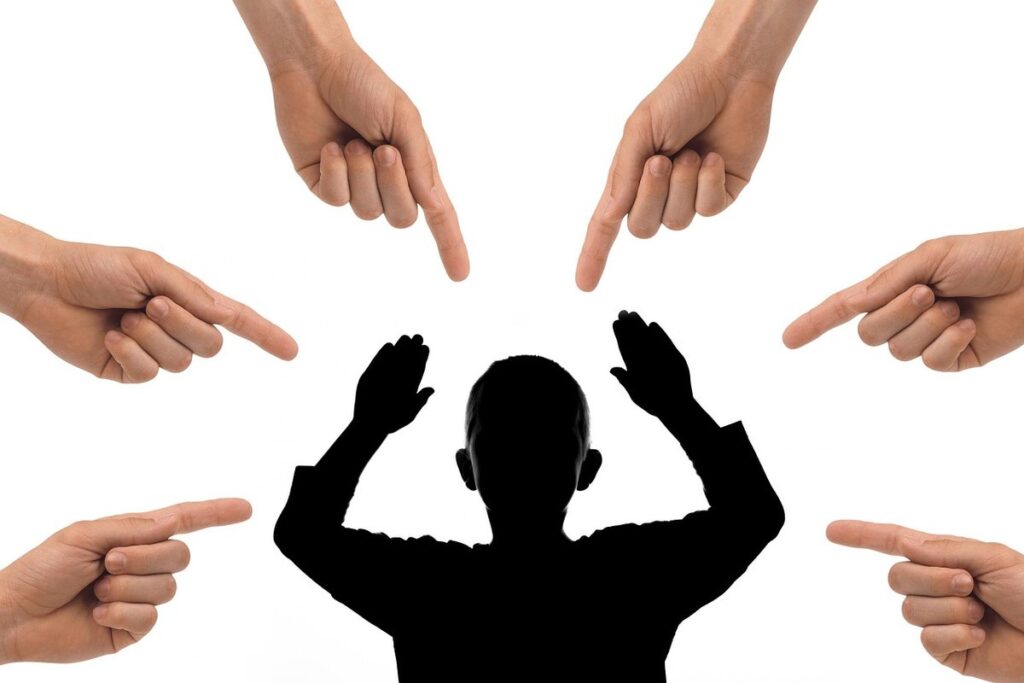
Conflict can be a challenging experience for kids, affecting not only their emotional well-being but also their academic and social development. Understanding how conflict impacts children is crucial to teaching them effective resolution strategies.
Recognizing Conflict in Different Forms
Children often face various types of conflicts that can be challenging to navigate. One common type is interpersonal conflict with peers or family members. This can manifest as bullying, gossiping, or social exclusion. For example, a child may feel left out during recess or experience hurtful comments from classmates.
Academic conflicts are another area where children may struggle. This can include difficulties with homework, tests, or assignments. A child may feel overwhelmed by the workload or frustrated when they don’t understand a concept. Parents and caregivers should be aware of these situations and offer support to help their child develop effective learning strategies.
Emotional conflicts also affect many children. They may experience feelings of anger, sadness, or anxiety due to various reasons such as moving to a new home, starting at a new school, or dealing with a family crisis. Recognizing these emotional struggles is essential to provide the necessary guidance and support for your child to develop healthy coping mechanisms.
In all these situations, it’s crucial to help children identify their feelings and thoughts, communicate effectively, and resolve conflicts in a positive manner. By acknowledging these different forms of conflict, you can better understand how to guide your child towards developing essential conflict resolution skills.
The Importance of Conflict Resolution for Child Development
Developing conflict resolution skills is crucial for a child’s overall growth and development. When children learn to navigate disagreements effectively, it can have a profound impact on their social, emotional, and cognitive abilities.
For instance, teaching conflict resolution skills can significantly improve a child’s self-esteem. By being able to resolve conflicts in a constructive manner, kids gain confidence in expressing their needs and wants without feeling overwhelmed or anxious. This enables them to develop healthy relationships with peers, forming lasting bonds built on trust and mutual respect.
Moreover, learning conflict resolution strategies enhances problem-solving abilities. Children who are taught effective communication skills can articulate their thoughts and feelings more clearly, which helps resolve disputes peacefully. They also learn to think critically, weighing different perspectives before arriving at a solution.
By incorporating conflict resolution into your child’s daily life, you’re not only teaching them how to manage disagreements but also equipping them with essential life skills that will benefit them well beyond childhood.
Teaching Conflict Resolution Skills
As you teach kids how to navigate conflicts, it’s essential to equip them with skills to resolve disputes peacefully and respectfully. This section provides practical tips for doing just that!
Encouraging Open Communication
Encouraging open communication is a crucial aspect of teaching conflict resolution skills to kids. When children feel heard and understood, they’re more likely to express their concerns and work towards finding a solution. To create an environment where kids feel comfortable sharing their feelings and thoughts, start by modeling active listening yourself. This means maintaining eye contact, nodding to show you’re engaged, and asking open-ended questions that encourage them to share more.
Practice empathy-building strategies like reflecting back what the child has said, acknowledging their emotions, and validating their experiences. For example, if a child says “I’m really angry because I wanted to play with my friend,” you could respond by saying “You’re feeling upset because your friend wouldn’t let you play together?” This shows that you understand and care about their feelings.
Encourage kids to express themselves freely without fear of judgment or repercussions. Create opportunities for regular check-ins, such as during dinner or before bed, where they can discuss any conflicts they’ve had during the day. By making open communication a habit, kids will learn to navigate difficult situations more effectively and develop healthy conflict resolution skills.
Role-Playing Different Scenarios
Role-playing different conflict scenarios is an excellent way to teach kids essential conflict resolution skills. By engaging in these exercises, children can develop problem-solving abilities, practice empathy and active listening, and learn effective communication techniques. For instance, if a child is struggling with disagreements over toys or personal space, you can set up a role-play scenario where they have to negotiate with their peers.
To structure these exercises, start by introducing a conflict scenario that’s relevant to your child’s life, such as sharing a toy or taking turns on the playground. Then, encourage them to take on different roles and act out how they would handle the situation. For example, one child could be the “grumpy” friend who refuses to share, while another child takes on the role of the friend trying to persuade them.
As they act out these scenarios, remind your child that it’s essential to communicate their feelings and needs clearly, listen actively to others, and find a mutually beneficial solution. By doing so, you’ll help them develop the skills needed to navigate everyday conflicts with confidence and ease. Encourage positive outcomes by praising their efforts and providing constructive feedback when necessary.
Conflict Resolution Steps for Kids
Teaching kids how to resolve conflicts is a valuable life skill, and understanding these steps will help them navigate difficult situations at home, school, and beyond. We’ll break down each step in this essential guide.
Identifying the Problem
Identifying the problem is often the most challenging part of conflict resolution for kids. When children are caught up in an argument, it’s easy to get sidetracked by emotions and lose sight of what’s really at issue. To resolve conflicts effectively, kids need to clarify the problem without escalating emotions.
Teach your child to take a step back from the situation and ask themselves: “What’s really bothering me about this?” or “What do I want to happen in this situation?” Encourage them to identify specific behaviors or actions that are causing the conflict, rather than general feelings. For example, instead of saying “You always ignore me,” they could say “I feel ignored when you’re playing with your friends without including me.”
To stay focused on finding a solution, encourage kids to acknowledge their feelings and then set them aside for now. This can be done by labeling emotions: “I’m feeling really angry right now” or “I feel sad because I wanted to play with you.” By acknowledging their emotions, kids can begin to separate the issue from their personal feelings and work towards a resolution.
Expressing Feelings and Needs
When resolving conflicts, it’s essential for kids to express their feelings and needs clearly. This helps prevent misunderstandings and promotes a more constructive conversation. One effective way to do this is by using “I” statements.
For example, if a child feels upset because their friend took the last toy they wanted to play with, they could say, “I feel sad when I don’t get to play with my favorite toy.” This statement conveys their emotions without blaming or accusing others. It also opens up a dialogue for finding a solution, such as taking turns playing with the toy.
“I” statements can help children express themselves effectively, reducing defensiveness and promoting understanding. To practice this skill, encourage your child to rephrase negative statements into “I” statements. For instance, “You always take my toys!” becomes “I feel upset when you take my toys without asking.” By using “I” statements, kids can communicate their needs and feelings more assertively, leading to better conflict resolution outcomes.
Managing Emotions During Conflicts
When conflicts arise, kids often struggle to manage their emotions and respond calmly. This is where teaching them effective emotional regulation techniques can make all the difference in resolving disputes peacefully.
Recognizing and Validating Emotions
When conflicts arise between kids, it’s easy for emotions to escalate and communication to break down. However, recognizing and validating all parties’ emotions is crucial during these situations. Acknowledging feelings helps reduce tension and promotes a more constructive discussion.
Imagine if you’re playing with your friend, but they accidentally knock over one of your toys. You might feel frustrated or angry. If your friend acknowledges your frustration by saying “I’m sorry I broke your toy” and asks how they can help, it’s easier to calm down and talk about what happened. This simple act of validation shows that your feelings are being taken seriously.
To teach kids the importance of recognizing and validating emotions, you can encourage them to use phrases like “I see you’re really upset” or “That sounds frustrating.” By acknowledging each other’s emotions, kids learn to communicate more effectively and work through conflicts in a positive way.
Strategies for Managing Anger and Frustration
When kids are caught up in a conflict, it’s not uncommon for their emotions to run high. Anger and frustration can be overwhelming, making it hard to think clearly and find a resolution. But there are strategies that can help manage these feelings and calm the situation.
Taking deep breaths is one simple yet effective technique. When we’re feeling anxious or upset, our breathing tends to become rapid and shallow. By taking slow, deliberate breaths in through our nose and out through our mouth, we can calm our nervous system and clear our mind. Encourage your child to inhale for a count of four, hold their breath for a count of two, and exhale for a count of six. This exercise can help them relax and regain control.
Counting to ten is another popular strategy that works wonders in the heat of the moment. When we’re feeling angry or frustrated, it’s easy to react impulsively. By taking a brief pause to count to ten, kids can give themselves time to think before acting. They might ask themselves: “Is this really worth reacting to?” or “How can I respond in a way that doesn’t escalate the situation?”
Stepping away from the situation for a moment is also a great idea. When we’re caught up in a conflict, it’s hard to see things objectively. By taking a step back, kids can gain some perspective and approach the issue with a clearer mind. Encourage them to take a short break, do something they enjoy, or engage in an activity that helps distract from the situation.
These strategies aren’t meant to sweep conflicts under the rug; rather, they’re designed to help kids manage their emotions and respond more thoughtfully. By teaching your child these techniques, you’ll be giving them valuable tools for navigating difficult situations with confidence and ease.
Encouraging Apologies and Forgiveness
When conflicts arise, it’s essential for kids to learn how to apologize sincerely and forgive others. We’ll explore the importance of apologies in conflict resolution in this next step.
The Role of Apology in Conflict Resolution
When kids experience conflicts with their peers or family members, they often struggle to resolve the issue and move forward. This is where apologies come into play. A sincere apology can be a powerful tool in mending hurt feelings and repairing relationships.
When a child hurts someone’s feelings or breaks something, it’s essential to teach them how to apologize sincerely. A genuine apology should include three key components: acknowledgment of what happened, expression of remorse, and commitment to change. For example, if a child accidentally knocks over their sibling’s toy, they can say, “I’m sorry I broke your toy. It was careless of me, and I promise to be more careful in the future.” By using these words, kids can show that they understand the impact of their actions and are willing to make amends.
Apologies promote a sense of closure by allowing both parties to move forward from the conflict. When kids learn to apologize sincerely, they develop essential social skills that benefit them throughout their lives.
Practicing Forgiveness and Moving Forward
When conflicts arise, it’s essential for kids to learn the value of forgiveness. Forgiveness doesn’t mean forgetting what happened or excusing someone’s behavior; rather, it allows children to release negative emotions and move forward.
To forgive themselves, kids can try journaling about their feelings or talking to a trusted adult. For example, after losing a game, a child might write down why they felt so upset and then let go of those feelings by ripping up the paper.
When forgiving others, it’s helpful for children to understand that everyone makes mistakes and has bad days. They can practice empathy by putting themselves in someone else’s shoes and trying to see things from their perspective. For instance, if a friend accidentally broke their toy, they might say, “It was an accident” instead of getting angry.
As kids learn to forgive, they develop emotional healing and personal growth. By releasing negative emotions, children can focus on the present moment and build stronger relationships with others.
Supporting Children Through Conflict Resolution
As you guide your child through challenging situations, it’s essential to model healthy conflict resolution skills, teaching them how to express feelings and needs effectively. This section focuses on practical strategies for supporting children during conflicts.
Parental Involvement and Guidance
As parents and caregivers, you play a significant role in helping your child develop conflict resolution skills. When faced with difficult situations, children often turn to their trusted adults for guidance and support. However, it’s essential to strike a balance between offering help and allowing them to take ownership of the process.
To guide your child without taking over or solving the problem for them, try these strategies:
* Encourage open communication by creating a safe space where they feel comfortable discussing their feelings and concerns.
* Ask open-ended questions that prompt critical thinking and problem-solving, such as “What do you think might happen if…”, “How would you like to resolve this situation?”, or “What are some possible solutions?”
* Refrain from giving unsolicited advice or jumping into the conflict. Instead, let your child know that you’re there to support them in finding their own solution.
* Role-play different scenarios with your child to help them practice effective communication and problem-solving skills.
By providing a supportive environment and guiding your child through the conflict resolution process, you’ll be helping them develop essential life skills for navigating challenging situations.
Building Resilience and Conflict Resolution Confidence
Helping children develop resilience and confidence in resolving conflicts independently is crucial for their emotional well-being and future success. One way to achieve this is by teaching them effective communication skills, active listening, and problem-solving strategies. Role-playing exercises can be particularly useful in practicing these skills in a safe and supportive environment.
For instance, you can engage your child in a mock scenario where they need to resolve a conflict with a friend or classmate. Encourage them to express their feelings, needs, and concerns while also listening attentively to the other person’s perspective. This exercise can be repeated with various scenarios, allowing your child to develop problem-solving skills and build confidence in handling different situations.
Another activity is teaching children the “I-Statement” technique. An “I-Statement” allows your child to express their feelings without placing blame or making accusations. For example, instead of saying “You always interrupt me,” they can say “I feel frustrated when I’m not allowed to finish speaking.” This approach fosters self-awareness and respect for others’ perspectives.
You can also incorporate games like “Peaceful Playground” or “Conflict Resolution Charades” that simulate real-life scenarios. These activities help children develop essential skills, such as empathy, assertiveness, and conflict resolution strategies, in a fun and engaging way. By practicing these exercises regularly, your child will become more confident in resolving conflicts independently, which is an invaluable life skill that will benefit them for years to come.
Frequently Asked Questions
How can I adapt conflict resolution steps for kids with special needs or disabilities?
When teaching conflict resolution skills to children with special needs, it’s essential to consider their unique needs and abilities. Tailor the approach by using visual aids, simple language, and breaking down complex concepts into smaller steps. Involve occupational therapists or other professionals in developing a customized plan that meets your child’s specific requirements.
What if my child is experiencing intense anger during conflicts – what strategies can help manage these emotions?
Managing anger during conflicts can be challenging for kids (and adults alike!). Encourage your child to take deep breaths, engage in physical activity, or use creative expression (like drawing or writing) to release tension. Model healthy emotional regulation yourself, and work with your child to develop a personal “anger toolkit” that works best for them.
How can I handle conflicts where my child is involved as a bystander or witness?
When children witness conflict, it’s natural for them to feel anxious, scared, or confused. Encourage open communication about their feelings and involve them in finding solutions. Role-play different scenarios together, focusing on empathy and problem-solving skills.
Can I use positive reinforcement techniques to encourage my child to practice conflict resolution skills regularly?
Absolutely! Positive reinforcement can be an effective motivator for kids to develop healthy conflict resolution habits. Praise your child’s efforts and accomplishments, setting clear expectations for regular practice (e.g., weekly role-playing sessions). Consider creating a reward system or “confidence chart” to track their progress.
What if my child is resistant to apologizing after a conflict – how can I encourage them to take responsibility for their actions?
Resisting apologies can be a common challenge in teaching conflict resolution skills. Focus on helping your child understand the value of taking responsibility and making amends, using empathetic language to acknowledge the other person’s feelings. Model genuine remorse yourself, demonstrating that apologies are an essential part of healing and growth.
How often should I review and update my child’s conflict resolution plan to ensure it remains effective?
Regularly reviewing and updating your child’s conflict resolution plan is vital for continued progress. Schedule regular “check-ins” (e.g., quarterly) to discuss challenges, successes, and areas for improvement. Collaborate with your child to adjust the plan as needed, incorporating new strategies or techniques that work best for them.