
Dealing with anger can be a real challenge for kids, and as a parent or caregiver, it’s essential to know how to help them manage their emotions. Anger management tools are more than just strategies – they’re life skills that can benefit your child in countless ways. When children learn effective anger management techniques, they become more confident, resilient, and better equipped to handle stress and frustration. But what exactly are these tools, and how can you implement them at home? In this article, we’ll explore a comprehensive guide to anger management for kids, covering calming strategies, positive self-talk, and creating a supportive environment that helps your child cope with their emotions and thrive in everyday life.
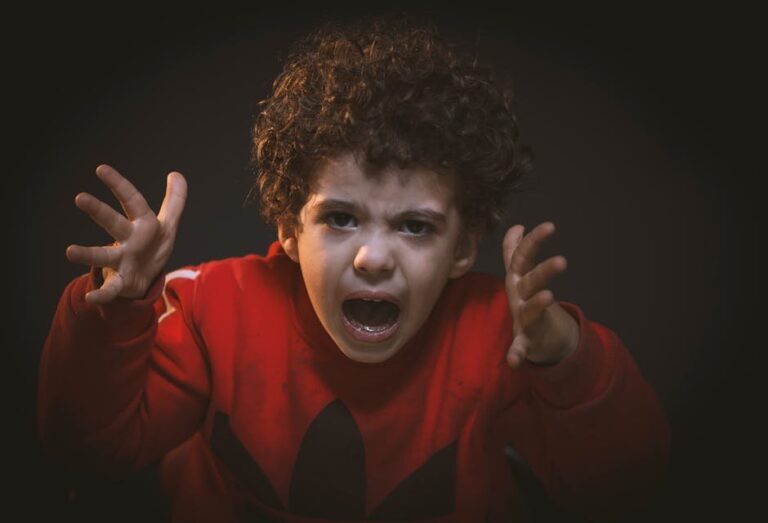
Understanding Child Anger
When it comes to understanding child anger, parents and caregivers often struggle to recognize the signs and know how to respond appropriately. Recognizing these patterns is a crucial step in effective anger management for kids.
Recognizing Signs of Anger in Children
Recognizing signs of anger in children can be a challenging task for parents. However, being able to identify these cues is crucial in helping them manage their emotions and develop healthy coping mechanisms. Some common signs of anger in children include facial expressions such as scowling, frowning, or clenching their jaws. Body language like crossing arms, stomping feet, or becoming rigid can also indicate that a child is feeling angry.
Verbal cues are another telltale sign of anger in children. They may lash out with hurtful words, raise their voice, or stomp away in frustration. Some parents might notice a change in their child’s tone or pitch when they’re upset, while others may observe an increase in irritability or restlessness.
To identify the underlying causes of your child’s anger, pay attention to patterns and triggers. Is it related to a particular event or situation? Are there any specific times of the day when you notice your child becoming angrier? By understanding what sets them off, you can begin to develop strategies to help manage their emotions and reduce the frequency and intensity of angry outbursts.
The Importance of Emotional Intelligence in Children
Emotional intelligence (EI) plays a vital role in helping kids manage their emotions, including anger. By developing EI in children, parents and caregivers can equip them with the skills necessary to navigate complex social situations, build strong relationships, and make informed decisions.
EI enables children to recognize and understand their own emotions as well as those of others. This self-awareness allows them to regulate their feelings and respond appropriately to challenging situations. For instance, a child with high EI might say, “I’m feeling angry right now because I don’t like waiting in line.” They can then take steps to calm down, such as taking deep breaths or stepping away from the situation.
Parents can develop EI in children through positive reinforcement and modeling. By teaching children to identify and label their emotions, and by validating their feelings, parents help them develop a growth mindset and build resilience. Encourage your child to express their emotions using “I” statements, which helps them take ownership of their feelings. For example, “I’m feeling frustrated when I don’t get what I want.” This simple yet powerful strategy can have a profound impact on your child’s emotional well-being.
Teaching Anger Management Techniques
When it comes to teaching anger management techniques, consistency and patience are key. We’ll explore some simple strategies you can use to help kids develop healthy ways to express their emotions.
Calming Strategies for Kids
Teaching kids effective calming strategies is an essential part of anger management. When they feel overwhelmed or angry, these techniques can help them calm down and regain control. One simple yet powerful strategy is deep breathing. Encourage your child to inhale deeply through their nose, hold the breath for a few seconds, and exhale slowly through their mouth. You can even create a fun breathing exercise together, such as blowing bubbles or counting breaths.
Another effective calming technique is physical activity. Regular exercise releases endorphins, which are natural mood-boosters that help reduce stress and anxiety. Take your child on a short walk, play a game of catch, or engage in some light stretching to get those endorphins flowing. Establishing a daily routine can also help regulate your child’s emotions. Set aside time each day for relaxation, whether it’s reading, drawing, or practicing yoga together.
Creating a calm environment is equally important. Ensure your home is free from distractions and clutter, and encourage your child to choose soothing colors for their room. By incorporating these calming strategies into your daily routine, you’ll help your child develop essential anger management skills that will benefit them throughout their lives.
Positive Self-Talk and Affirmations
Helping children cultivate positive self-talk and affirmations is an essential aspect of anger management. When kids are angry, they often have negative thoughts that can fuel their emotions. By encouraging them to practice positive self-talk and affirmations, parents can help them reframe these thoughts and develop a more balanced emotional state.
Start by teaching your child the concept of affirmations – short, powerful statements that promote positivity and confidence. Encourage them to create personalized affirmations, such as “I am strong and capable,” or “I can handle this situation.” Repeat these phrases together daily, using a calm and gentle tone.
Practical ways to integrate positive self-talk into your child’s life include:
• Creating a “Feelings Journal” where they write down their emotions and corresponding affirmations
• Encouraging them to say one kind thing to themselves each day before bed
• Role-playing different scenarios that trigger anger, practicing calm and assertive responses with affirming statements
Creating a Supportive Environment
Creating a supportive environment is crucial when teaching kids anger management skills, as it allows them to feel safe and encouraged to express their emotions. Here, we’ll explore simple ways to achieve this.
Establishing Clear Boundaries and Expectations
When it comes to managing anger in kids, setting clear boundaries and expectations is crucial. It helps them understand what behavior is acceptable and what’s not, reducing the risk of explosive outbursts. As a parent, you play a significant role in modeling healthy behavior and communication styles.
To establish clear boundaries, start by being specific about your expectations. For example, instead of saying “be kind,” say “use gentle hands when playing with others.” This clarity helps kids understand what’s expected of them. It’s also essential to consistently enforce consequences for misbehavior, ensuring that your child knows what will happen if they lose control.
Modeling healthy behavior is just as vital. Kids learn from observing their parents, so make sure you’re managing your own anger in a healthy way. Take a deep breath, count to ten, or step away when feeling overwhelmed. This shows your child that it’s okay to feel angry but not okay to act out aggressively. By being consistent and modeling healthy behavior, you’ll help your child develop essential anger management skills.
Encouraging Open Communication
Creating an open and supportive environment where children feel comfortable expressing their emotions is crucial for effective anger management. When kids feel heard and validated, they’re more likely to tackle difficult emotions head-on. To encourage open communication, model active listening skills by maintaining eye contact, asking open-ended questions, and paraphrasing what your child says.
Empathy is also key in creating a supportive environment. Try to understand the underlying reasons for their anger, whether it’s frustration with a sibling or a feeling of being overwhelmed. Acknowledge their emotions without judgment, using phrases like “That sounds really tough” or “I can see why you’d feel that way.” By doing so, you’ll help your child feel understood and validated.
To take this further, practice problem-solving strategies together as a family. Ask your child to describe the situation, identify the problem, and brainstorm solutions. This collaborative approach not only helps manage anger but also fosters resilience and self-confidence. By promoting open communication, empathy, and problem-solving, you’ll create an environment where your child feels comfortable expressing their emotions and working through challenges with support.
Managing Anger Triggers
Let’s take a closer look at common anger triggers that can affect kids, from bullying to schoolwork stress, and how you can help them manage these feelings. Understanding what sets your child off is key to teaching effective coping strategies.
Identifying and Avoiding Triggering Situations
Identifying common triggers is the first step to helping your child manage their anger. As a parent, you’re likely familiar with situations that can trigger explosive outbursts in your child. These might include stress at school, frustration with a difficult task, or boredom due to lack of stimulation.
To identify specific triggers, take note of when and where these episodes occur. Ask yourself questions like: Was my child stressed about an upcoming test? Frustrated by a puzzle they couldn’t solve? Or simply bored with the same old routine?
Once you’ve identified common triggers, you can start working on strategies to minimize or avoid them altogether. For instance, if your child often gets angry during homework time due to frustration, try breaking tasks into smaller chunks or providing extra support and guidance.
If stress is a major trigger, establish a calming pre-bedtime routine that involves relaxation techniques like deep breathing, visualization, or yoga. By anticipating and addressing these triggers, you can help your child develop healthy coping mechanisms and reduce anger episodes over time.
Developing Problem-Solving Skills
Teaching children problem-solving skills is an essential tool for managing anger-provoking situations. When kids feel overwhelmed by a situation, they’re more likely to act impulsively and lash out in anger. By equipping them with effective problem-solving strategies, you can help them navigate difficult emotions and find more constructive ways to cope.
Start by teaching your child the “STOP” method: Stop what you’re doing, Take a deep breath, Observe their thoughts and feelings, and Plan a solution. This simple framework helps kids slow down and think critically about a situation before reacting.
Another approach is to encourage your child to ask themselves questions like: What’s causing my anger? Is there another way I can handle this? What are the consequences of acting impulsively? By generating solutions and evaluating outcomes, kids can develop more adaptive coping strategies and manage their anger in healthier ways.
Incorporating role-playing exercises into daily activities can also help reinforce problem-solving skills. Practice different scenarios together, such as dealing with a bully or handling frustration during a game. By rehearsing these situations, your child will become more confident in their ability to think critically and manage their emotions.
Role-Playing and Anger Management Games
When your child gets angry, it can be overwhelming for them to calm down and express their feelings. That’s where role-playing and anger management games come in to help them cope and learn healthy emotional regulation skills.
Benefits of Role-Playing in Anger Management
Role-playing is an excellent tool to teach kids anger management skills, and its benefits are numerous. By engaging in role-plays, children can develop increased self-awareness, allowing them to recognize their emotions and triggers more effectively. This, in turn, enables them to better manage their feelings and respond appropriately.
Empathy is another significant benefit of role-playing for kids with anger issues. When children act out scenarios from different perspectives, they begin to understand the impact of their actions on others. For example, if a child enacts a scenario where someone gets upset when their toy is taken away, they may develop compassion and apologize instead of getting defensive.
To practice these skills at home, you can try simple role-plays like “What if” scenarios or acting out real-life situations. You might say to your child, “Imagine we’re at the store, and there’s a long line in front of us. What do you think someone might feel if they’ve been waiting for a long time?” This encourages critical thinking and opens up opportunities for discussions about emotions and empathy.
Some specific role-play scenarios you can try include:
* Taking turns and sharing
* Saying sorry when hurtful words are used
* Handling disappointment or frustration in healthy ways
* Respecting others’ personal space
Remember to keep these scenarios light-hearted and fun, allowing your child to relax and engage with the activities.
Anger Management Games for Kids
When it comes to teaching anger management concepts to kids, making it fun and engaging is key. That’s why we’ve put together a range of anger management games that parents can play with their children. These games are designed to be interactive, easy to understand, and adaptable for different age groups.
One great game to try is “Feelings Charades.” In this game, you write down different emotions (happy, sad, angry, etc.) on slips of paper and put them in a hat. Each player takes turns drawing an emotion and acting it out without speaking. The other players have to guess the feeling being acted out. This game helps kids recognize and identify different emotions, which is an essential step in managing anger.
Another fun game is “Angry Animal Cards.” Create a deck of cards with pictures or illustrations of different animals (e.g., a grizzly bear for angry, a happy puppy for joyful). Shuffle the deck and draw a card. Ask your child to think about how the animal on the card might be feeling in that moment. This game encourages kids to think critically about emotions and develop empathy.
When adapting these games for different age groups, keep it simple for younger children (ages 4-6) and focus on basic emotions like happy, sad, and angry. For older children (ages 7-12), you can add more complex emotions and encourage them to use problem-solving skills to resolve conflicts.
Conclusion: Empowering Children with Anger Management Tools
As we wrap up our exploration of anger management tools for kids, let’s focus on empowering them to manage their emotions and thrive in a healthy way. This final section shares actionable takeaways.
Recap of Key Takeaways
As we conclude our exploration of anger management tools for kids, it’s essential to revisit the key takeaways and emphasize the importance of teaching these skills from an early age. By implementing the strategies outlined in this post, parents can help their children develop a healthier relationship with emotions and build resilience that will serve them well throughout their lives.
First and foremost, recognizing signs of anger is crucial in empowering kids with anger management tools. We discussed various indicators, such as increased heart rate, tense muscles, and irritability, which can signal that a child is on the verge of an anger episode. By being aware of these warning signs, parents can take proactive steps to intervene and teach their child calming techniques.
Teaching calming techniques, including deep breathing exercises, physical activity, and visualization, was another key focus area in this post. These strategies not only help kids regulate their emotions but also promote relaxation and reduce stress levels. By incorporating these techniques into daily routines, parents can create a supportive environment that encourages children to express their feelings in a healthy way.
Creating a supportive environment is essential for teaching anger management skills. This involves modeling positive behaviors, setting clear expectations, and encouraging open communication about emotions. By doing so, parents can foster a sense of safety and security, allowing kids to feel comfortable exploring and managing their emotions.
Incorporating these strategies into daily life may seem daunting at first, but we encourage you to start small. Begin by identifying one area where you’d like to see improvement and take incremental steps towards creating change. Remember, every small step counts, and consistency is key when teaching kids new skills.
By revisiting the key points outlined in this post, parents can better understand how to empower their children with anger management tools that will help them cope and thrive throughout their lives. With patience, practice, and persistence, parents can become confident in their ability to teach their kids valuable life skills that will benefit them for years to come.
Frequently Asked Questions
How can I create a daily routine that incorporates anger management techniques with my child’s existing schedule?
Creating a daily routine is essential to incorporating anger management techniques into your child’s life. Start by identifying activities and strategies from the article, such as deep breathing or positive self-talk, and schedule them into your child’s daily routine. Be flexible and adjust the routine as needed to accommodate your child’s unique needs and preferences.
What if my child struggles with recognizing their anger triggers?
Identifying anger triggers can be challenging for children, but it’s essential for effective anger management. Encourage your child to keep a journal or draw pictures of situations that make them feel angry. This will help you both identify common themes and patterns. Use this information to develop strategies for avoiding or coping with these triggers.
Can I use role-playing activities from the article in a classroom setting?
Yes, role-playing can be an effective way to teach anger management techniques in a classroom setting. Adapt activities from the article to fit your specific teaching needs and consider involving teachers, parents, or other caregivers in the process. Be sure to set clear expectations and guidelines for participation.
How do I handle situations where my child’s anger is triggered by a bully or another child?
Dealing with bullying can be challenging, but it’s essential to address these situations promptly and sensitively. Encourage your child to express their feelings and work together to develop strategies for coping with bullies. Consider involving teachers, school counselors, or other authority figures in the process.
What if my child continues to struggle with anger management despite our best efforts?
If you’ve implemented strategies from the article and still see difficulty managing anger, consider seeking professional help from a therapist or counselor who specializes in childhood anger issues. They can provide additional guidance, support, and personalized recommendations for your unique situation.