
As a parent, there’s nothing more worrying than seeing your child struggling with anxiety. Whether it’s separation anxiety at school drop-off or performance anxiety before a big test, it’s heartbreaking to see our little ones feel overwhelmed and scared. But what if you could help your child develop the tools they need to calm their racing thoughts and anxious feelings? Calming strategies are not just a nicety, but a necessity for kids struggling with anxiety – and the good news is that there are many effective ways to teach them these skills. In this article, we’ll explore practical advice on breathing techniques, mindfulness practices, movement-based therapies, and how to create a supportive home environment that helps your child feel safe and calm when anxiety strikes.
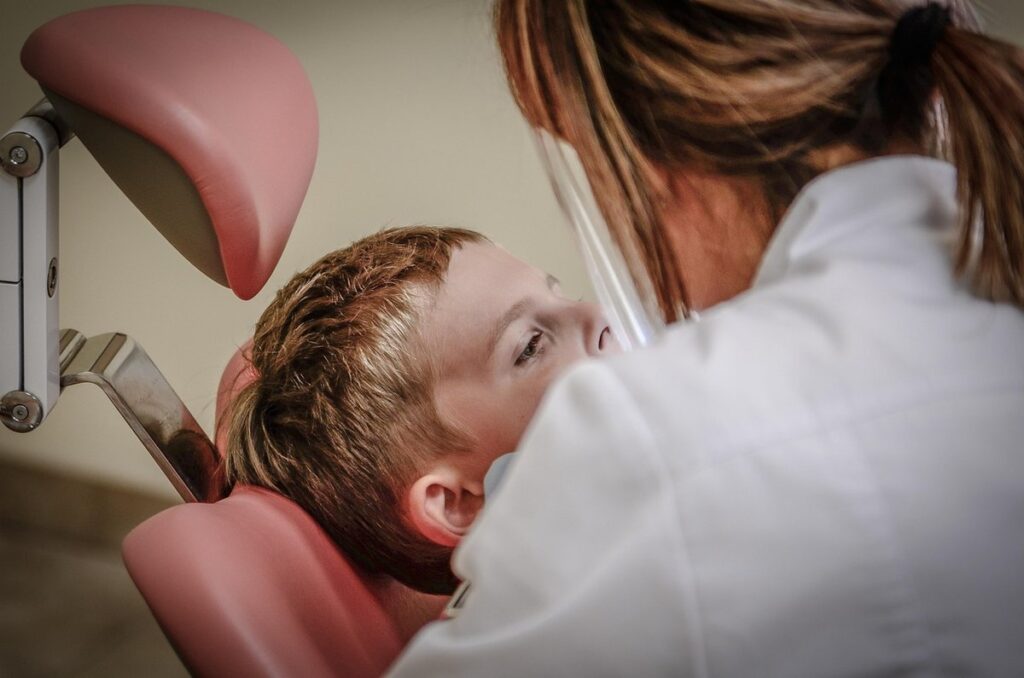
Understanding Childhood Anxiety
Childhood anxiety can be overwhelming for both children and parents, so it’s essential to understand its underlying causes and how it manifests in kids. This section will explore the reasons behind child anxiety.
Recognizing the Signs of Anxiety in Children
Identifying anxiety symptoms in children can be challenging, but it’s crucial for parents and caregivers to recognize them early on. Physical signs of anxiety in kids may include rapid heartbeat, trembling hands, or an upset stomach. They might also experience emotional indicators like irritability, restlessness, or clinginess.
Behavioral changes are another common way anxiety manifests in children. For instance, they might become withdrawn, refuse to participate in activities, or exhibit excessive worry about schoolwork or everyday tasks. Some kids may even act out aggressively as a coping mechanism.
To better understand these signs, remember that every child is unique and may display different symptoms of anxiety. By paying attention to your child’s behavior, you can identify patterns and intervene before anxiety takes hold.
When observing potential anxiety symptoms in your child, ask yourself: What are their typical behaviors? Are there any changes or deviations from what I’ve seen before? By taking the time to notice these signs and responding with empathy and support, you’ll be better equipped to help your child manage their anxiety.
The Impact of Anxiety on Children’s Daily Lives
Childhood anxiety can have far-reaching consequences on a child’s daily life, relationships, and overall well-being. For some children, it may start with a simple fear of separation from their parents, but for others, it can escalate into full-blown anxiety disorders that affect every aspect of their lives.
Anxious children often struggle to focus in school due to racing thoughts and worries about what’s happening at home or what might happen next. This can lead to poor grades, decreased participation in extracurricular activities, and strained relationships with teachers and peers. At home, anxious children may become increasingly withdrawn, refusing to engage in activities they once enjoyed.
To better understand the impact of anxiety on your child’s daily life, pay attention to changes in their behavior, such as an increased need for reassurance or excessive worrying about minor issues. By recognizing these signs early on, you can begin to implement calming strategies that help your child cope with anxiety and develop more positive relationships with others.
In practical terms, this might mean taking a few extra minutes each morning to connect with your child before school, listening attentively to their concerns, and offering reassurance without dismissing their feelings.
Breathing Techniques for Calming Anxiety
Deep breathing can be a powerful tool in calming anxious children, and we’ll show you how to teach simple techniques that work. From diaphragmatic breathing to 4-7-8 exercises, we’ve got you covered.
Diaphragmatic Breathing: A Simple yet Effective Technique
Diaphragmatic breathing is an essential technique to calm anxious children. When practiced correctly, it can help reduce stress and promote relaxation. To teach diaphragmatic breathing to kids, start by demonstrating the proper posture: have them sit or lie comfortably with their back supported, placing one hand on their belly and the other on their chest.
As they inhale through their nose, instruct them to allow their belly to rise as their diaphragm descends. Their hand on their stomach should move outward as air fills the lungs. On exhalation, have them gently push their abdomen inward while releasing the breath slowly through their mouth.
Encourage your child to breathe deeply and focus on the sensation of the rising and falling belly. Practice this exercise together daily for a few minutes, gradually increasing the duration as they become more comfortable with the technique. Remember to model diaphragmatic breathing yourself, as children often learn by observing and imitating adults’ behaviors.
Box Breathing: A Fun and Engaging Method
Box breathing is a fun and engaging method that can help children regulate their breath and calm their minds. This visual technique involves imagining their breath as a box, with four distinct corners: inhale for 4 seconds, hold for 4 seconds, exhale for 4 seconds, and hold again for 4 seconds.
To try box breathing with your child, start by finding a quiet and comfortable spot together. Close your eyes and place one hand on your chest and the other on your belly to help your child feel their breath move in and out of their body. Then, inhale slowly through your nose for a count of 4, filling up like a box being filled with air. Hold your breath for a count of 4, keeping your lungs full but still. Exhale slowly through your mouth for a count of 4, emptying the box completely. Finally, hold your breath again for a count of 4 before starting the cycle over.
By practicing box breathing together, you can help your child develop greater awareness of their breath and learn to calm their mind in times of anxiety. With regular practice, this technique can become a trusted tool in their emotional toolkit.
Mindfulness Practices for Children
Helping kids develop mindfulness skills can be a game-changer for managing anxiety, and we’ll explore simple practices you can try at home. From deep breathing to visualization exercises, we’ve got you covered!
Guided Imagery: Transporting Kids to Calming Environments
Guided imagery is a powerful tool to transport children to calming environments, reducing anxiety levels and promoting relaxation. This technique involves using vivid imagination to create a peaceful atmosphere that helps kids unwind and feel safe.
Imagine taking your child on a virtual beach vacation, where they can hear the soothing sound of waves gently lapping against the shore. They can visualize palm trees swaying in the breeze and feel the warm sand between their toes. Alternatively, you could take them to a serene forest, surrounded by tall trees and the sweet songs of birds.
To implement guided imagery exercises with your child, start by finding a quiet and comfortable spot where they feel safe. Encourage them to close their eyes and begin describing a peaceful environment that sparks their imagination. Use descriptive language to paint a picture in their mind, such as “Imagine the smell of freshly cut grass” or “Feel the warmth of the sun on your skin.” As you guide them through this exercise, observe how their body language changes, and notice any signs of relaxation, like deep breathing or calm facial expressions.
By incorporating guided imagery into your daily routine, you can help your child develop coping skills to manage anxiety in a fun and engaging way.
Body Scan Meditation: Focusing on Physical Relaxation
Body scan meditation is an excellent mindfulness practice to help kids relax physically and mentally. When done regularly, it can lead to a significant reduction in anxiety levels in children. This practice encourages them to become more aware of their body sensations, letting go of tension and stress.
To start a body scan meditation with your child, find a quiet and comfortable spot where they can lie down or sit comfortably. Begin by guiding them to close their eyes and take a few deep breaths. Next, ask them to bring their attention to their toes, feeling any sensations or relaxation in this area. Slowly move the focus up through their body, scanning each part – feet, ankles, calves, knees, thighs, hips, back, shoulders, arms, hands, neck, and head.
As you guide your child through this process, encourage them to release any tension they may feel in each area. For example, if their shoulders are feeling tight, suggest that they breathe into the sensation and let go of the tension. By doing so, kids can become more aware of their physical bodies and learn to calm themselves down in a healthy way.
Movement-Based Strategies for Calming Anxiety
When anxiety takes over, it can be challenging to know where to turn. Luckily, movement-based strategies can help calm the body and mind of a child experiencing anxiety.
Yoga for Kids: A Holistic Approach to Managing Anxiety
Yoga is an excellent way to help kids develop self-awareness, balance, and inner calm. By introducing basic poses and breathing exercises, you can teach your child valuable tools for managing anxiety. Begin with simple poses like “Downward-Facing Dog” or “Child’s Pose,” which promote flexibility and relaxation.
For younger children, focus on animal-inspired poses like “Cobra” or “Butterfly,” which stimulate imagination and creativity while encouraging physical movement. For older kids, introduce more complex poses like “Tree Pose” or “Warrior II,” which foster balance and confidence.
Incorporate breathing exercises into your practice, such as the “4-7-8 Method”: inhale for a count of four, hold for seven breaths, and exhale for eight. This technique helps regulate the nervous system, promoting calmness and reducing stress. Practice these poses together with your child, encouraging them to explore and express their emotions through movement.
By making yoga a regular part of your child’s routine, you’ll help them develop essential coping skills for managing anxiety.
Nature Walks and Outdoor Activities: Using Environmentally Based Therapies
Nature has an incredible way of calming our minds and soothing our worries. When it comes to anxiety in children, incorporating nature-based therapies into their daily routine can be a game-changer. Exposure to the outdoors has been shown to reduce symptoms of anxiety in kids, improve mood, and even lower stress levels.
One of the simplest ways to get started is by taking a regular nature walk with your child. Leave your phones behind and focus on observing the surroundings – watch how birds flit between trees, listen to the songs of the wind, or simply feel the sun’s warmth on your skin. You can also try activities like:
* Collecting leaves or flowers and creating a collage or mobile
* Going on a scavenger hunt for specific types of rocks or sticks
* Having a picnic in a nearby park or backyard
* Planting a small garden together, where your child can nurture their own plants
Remember, the key is to keep it simple and enjoyable. By incorporating these activities into your daily routine, you can help your child develop a healthier relationship with nature – and reduce anxiety levels in the process.
Building Emotional Resilience in Children
Helping your child build emotional resilience is crucial for their mental well-being, so let’s explore how to teach them coping skills and self-regulation techniques. We’ll focus on practical strategies for building emotional strength in kids.
Encouraging Open Communication about Feelings
When children struggle with anxiety, it’s essential to create a safe space where they feel comfortable sharing their feelings and emotions. This open communication is crucial for building emotional resilience and helps anxious children develop coping strategies.
To encourage open communication about feelings, start by listening attentively to your child without judgment or interruption. Use verbal cues like “I’m here for you” or “You can tell me anything” to create a sense of security. When your child does share their emotions, validate their feelings by acknowledging the anxiety and offering empathy.
For example, if your child says they’re feeling anxious about a school project, you might respond with, “It sounds like this project is really stressing you out. That can be overwhelming.” This response acknowledges their anxiety while also encouraging them to share more about their concerns.
By creating a safe space for open discussion and empathy, you’ll help your anxious child develop emotional resilience and feel more comfortable expressing their feelings.
Teaching Problem-Solving Skills: Helping Kids Cope with Stressful Situations
Teaching problem-solving skills to children is a vital tool in helping them cope with stressful situations and reduce anxiety. By empowering kids with effective coping strategies, you can equip them with the confidence to tackle challenging scenarios on their own.
To start, model problem-solving behavior yourself by discussing a difficult situation with your child and how you would approach it. This will help them see that adults also face challenges and need to find solutions. When faced with an anxiety-provoking situation, encourage your child to ask themselves questions like “What’s the worst that could happen?” or “What have I done in similar situations before?”
Help your child identify their strengths and weaknesses, and teach them to break down complex problems into smaller, manageable parts. For example, if they’re feeling overwhelmed by a big test, help them create a study plan, set achievable goals, and reward themselves for each milestone reached. By doing so, you’ll be giving your child the skills and tools to navigate life’s challenges with greater ease and confidence.
Creating a Calming Environment at Home
Transforming your home into a peaceful haven is one of the most effective ways to calm an anxious child, and it’s easier than you think. We’ll explore some simple yet powerful tips for creating a calming environment at home.
Establishing a Daily Routine that Promotes Relaxation
Establishing a daily routine that promotes relaxation is one of the most effective ways to help children manage anxiety. By incorporating calming activities and techniques into their daily schedule, kids can learn to regulate their emotions and develop healthy coping mechanisms. A consistent routine provides a sense of security and predictability, which is especially important for anxious children who often feel overwhelmed by uncertainty.
Start by identifying your child’s most relaxed state, whether it’s during a quiet morning moment or after a gentle evening activity. Use this as a foundation to build a daily routine that includes activities such as reading, drawing, or practicing deep breathing exercises. Encourage your child to participate in the planning process, allowing them to feel more invested in their routine.
For example, you can establish a calming bedtime routine that includes a warm bath, gentle storytelling, and guided imagery. Alternatively, incorporate short breaks throughout the day for stretching, yoga, or mindfulness meditation. By prioritizing relaxation techniques and activities, your child will learn to manage anxiety in a healthy and sustainable way.
Making Your Home an Anxiety-Free Zone: Practical Tips for Caregivers
As a caregiver, you play a significant role in creating an environment that fosters emotional well-being and anxiety reduction for children. To make your home an anxiety-free zone, it’s essential to identify and eliminate triggers that may exacerbate their stress levels.
Start by conducting an “anxiety audit” of your home. Take note of areas where your child tends to feel anxious or overwhelmed, such as the bathroom or kitchen. Consider factors like noise levels, lighting, and clutter, which can contribute to anxiety. Once you’ve identified potential triggers, take steps to minimize them. For example, if your child feels anxious in the bathroom due to loud noises from plumbing, consider installing sound-absorbing materials or using a white noise machine.
By setting clear boundaries and promoting relaxation, you can create a soothing atmosphere that encourages calmness. Encourage your child to engage in relaxing activities like reading, drawing, or deep breathing exercises before bedtime. Make sure to also model these behaviors yourself, as children often learn by observing their caregivers. By making small changes to your home environment, you can help reduce your child’s anxiety levels and create a more peaceful living space.
Frequently Asked Questions
Can my child benefit from calming strategies even if they don’t have a diagnosed anxiety disorder?
Yes, any child can benefit from learning calming strategies to manage stress and feelings of overwhelm. These techniques are not just for children with diagnosed anxiety disorders but also for kids who experience occasional anxiety or need help regulating their emotions.
How do I know which calming strategy is best for my child?
Observe your child’s preferences and interests to determine the most effective approach. For example, if they enjoy movement, try incorporating yoga or nature walks into your routine. If they’re more visual, guided imagery might be a better fit.
What’s the difference between mindfulness and meditation in the context of calming anxiety?
Mindfulness is about being present in the moment, focusing on thoughts, feelings, and sensations without judgment. Meditation typically involves visualization or focusing on a specific object to quiet the mind. Both practices can help calm anxiety, but they serve distinct purposes.
How can I create a consistent daily routine that promotes relaxation for my child?
Develop a predictable schedule with calming activities incorporated into it, such as a bedtime story, diaphragmatic breathing exercises, or a relaxing bath before bed. Be flexible and adapt the routine as your child grows and their needs change.
What’s an effective way to involve siblings in creating a calming environment at home?
Encourage open communication about feelings and involve your child’s siblings in planning relaxation activities together. This could include picking out soothing music, deciding on calming activities for the evening, or even creating a “calm-down” jar with glitter or other relaxing elements.