
As a new parent, there’s nothing more precious than watching your little one sleep peacefully in their crib. But with so many things to worry about, it can be overwhelming to know how to create a safe sleep environment for your infant. The truth is, sleep safety is not just a concern – it’s a crucial aspect of ensuring your baby stays healthy and injury-free during the night. With the risk of SIDS (Sudden Infant Death Syndrome) and other accidents always lurking, it’s essential to follow established guidelines to reduce the risks. In this comprehensive guide, we’ll walk you through the latest federal and international recommendations for safe sleep environments, helping you create a haven where your baby can rest easy and stay safe.
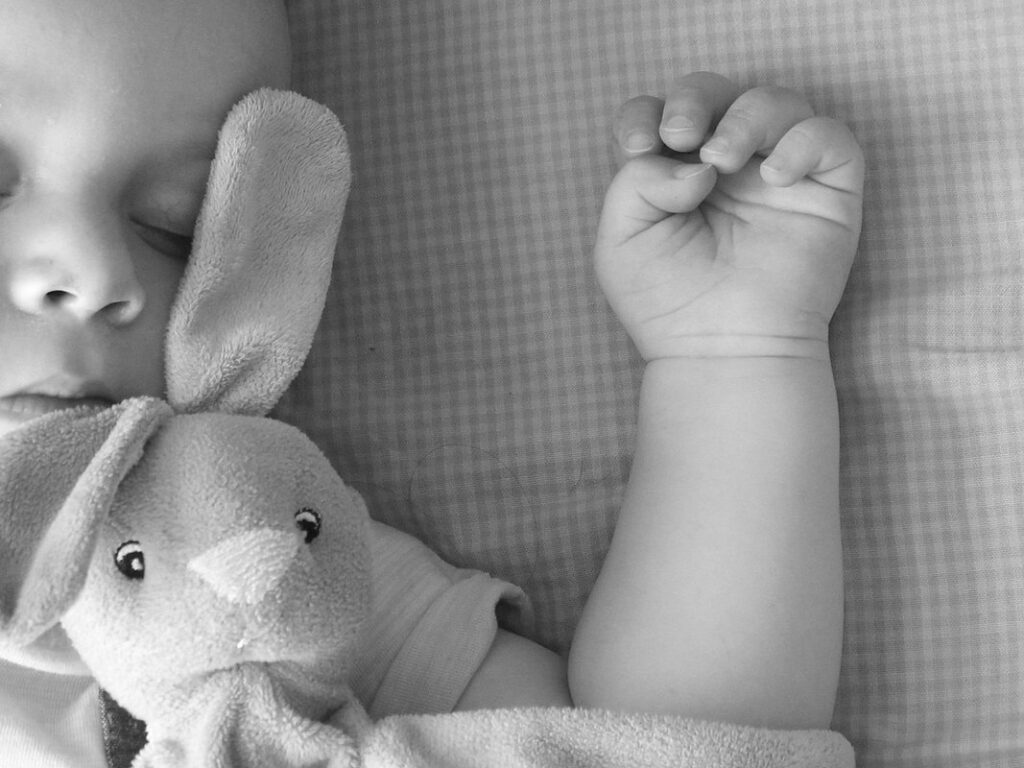
Understanding the Importance of Safe Sleep
Understanding the importance of safe sleep is crucial for protecting your infant from potential dangers, and that’s exactly what we’ll be diving into next. Let’s explore why it matters most.
The Risks of Unsafe Sleep Environments
Co-sleeping with your infant may seem like a convenient and comforting option, but it poses significant risks to their safety. In fact, sleeping with your baby increases the risk of SIDS by 2-5 times compared to having them sleep in their own crib (American Academy of Pediatrics). Soft bedding, plush toys, and loose blankets can also obstruct an infant’s airway, making it difficult for them to breathe.
Babies are naturally curious, and they may wriggle or roll onto soft surfaces while sleeping. This is particularly concerning when it comes to mattresses, couch cushions, and pillows. Even the most well-intentioned parents may inadvertently create a hazardous sleep environment by placing their baby on a soft surface.
To mitigate these risks, opt for firm mattresses and avoid using loose bedding, pillows, or toys in your baby’s crib. Consider using a lightweight blanket or swaddle to keep them warm, but be sure to remove any loose items from the bed once they’re asleep. By prioritizing a safe sleep environment, you’ll be taking a crucial step towards protecting your infant from SIDS and other potential hazards.
Federal and International Guidelines for Safe Sleep
Reputable organizations such as the American Academy of Pediatrics (AAP) and the World Health Organization (WHO) have established comprehensive guidelines for safe sleep practices. The AAP recommends that infants sleep on their backs to reduce the risk of Sudden Infant Death Syndrome (SIDS). This recommendation is supported by numerous studies, which have consistently shown a lower risk of SIDS among babies who sleep on their backs.
The WHO also emphasizes the importance of creating a safe sleep environment, including ensuring the baby’s sleep surface is firm and flat, free from soft bedding such as pillows, blankets, and quilts. The WHO recommends that the crib or sleeping area be smoke-free, with no smoking allowed in the home, to reduce the risk of SIDS.
It’s essential for parents to familiarize themselves with these guidelines to provide a safe sleep environment for their infant. For example, if you’re traveling, make sure your hotel room is smoke-free and has a firm mattress or consider bringing a portable crib with a firm sleeping surface. By following these evidence-based guidelines, you can significantly reduce the risk of SIDS and create a safe sleep environment for your baby.
The Role of Parental Education in Promoting Safe Sleep
As new parents, it’s natural to have questions and concerns about creating a safe sleep environment for your baby. However, educating yourself on safe sleep practices is just as crucial as understanding the technical aspects of infant care. This is where parental education comes into play.
During prenatal care, expectant mothers can receive valuable information on establishing healthy sleep habits and recognizing potential sleep risks. Pediatricians also provide critical guidance on creating a safe sleep environment during well-baby visits. Moreover, community resources such as hospitals, healthcare organizations, and online parenting forums offer wealth of information on safe sleep practices.
It’s essential to take advantage of these educational opportunities to grasp the importance of back sleeping, firm mattresses, and avoiding soft bedding or loose objects in the crib. By doing so, you’ll be better equipped to navigate any challenges that may arise during your child’s first few years of life.
Creating a Safe Sleep Environment
To create a safe sleep environment for your infant, it’s essential to ensure their sleeping space is free from hazards and distractions. This includes setting up a firm, flat mattress and choosing breathable bedding.
Choosing a Safe Sleeping Place for Your Baby
When it comes to choosing a safe sleeping place for your baby, you have several options to consider. The American Academy of Pediatrics (AAP) recommends that babies sleep in the same room as their parents, but in a separate sleep space, such as a crib or bassinet.
A crib is a popular choice for many new parents, and it’s easy to see why – they’re spacious, comfortable, and come with a firm mattress. When selecting a crib, look for one that meets current safety standards, which include having a snug-fitting mattress and no gaps between the mattress and sides of the crib. You should also avoid using drop-side cribs, as they’ve been linked to several infant fatalities.
Bassinets are another safe option, especially for newborns. They’re designed to be portable and can be easily moved from room to room. Like cribs, bassinets should have a firm mattress and meet safety standards. Consider a convertible crib or bassinet that can grow with your baby – this will save you money in the long run and reduce clutter in your nursery.
When it comes to other sleeping spaces, such as co-sleepers or bedside sleepers, be cautious of any product that has gaps between the sides or has a soft mattress. These features increase the risk of SIDS (Sudden Infant Death Syndrome).
Safe Sleeping Surfaces and Bedding
When it comes to creating a safe sleep environment for your infant, choosing the right bedding, mattress, and pillow is crucial. The American Academy of Pediatrics (AAP) recommends using a firm, flat mattress that fits snugly into the crib. Avoid using soft or waterbed mattresses as they can increase the risk of SIDS.
When it comes to bedding, opt for lightweight blankets and avoid using thick quilts, comforters, or pillows in the crib. Instead, use a tight-fitting sheet on the mattress, and consider using a sleep sack or swaddle for warmth. These types of bedding reduce the risk of suffocation by keeping the face uncovered.
Some key points to remember when selecting a pillow are that infants should not have pillows in their cribs at all. If you must use a pillow, choose one made from breathable materials like cotton or bamboo. And never put your infant to sleep with any loose blankets or bedding items near their head, as this can lead to accidental suffocation.
When choosing a mattress for your crib, make sure it meets current safety standards and is firm enough to support your baby’s weight.
Keeping the Sleeping Area Clear and Uncluttered
A clutter-free sleep environment is crucial in preventing accidents and ensuring your infant’s safety while sleeping. A clear and uncluttered space helps to reduce the risk of entrapment, suffocation, and other hazards that can occur when an infant gets tangled up in bedding or objects.
When designing your baby’s sleep area, keep it simple and minimal. Remove any loose items such as pillows, blankets, and stuffed animals from the crib. A firm, snug-fitting mattress is essential, but avoid using soft bedding like quilts, comforters, or blankets that can pose a suffocation risk.
Make sure to leave enough space for your infant to move around comfortably without getting tangled in bedding. Also, keep any curtains, blinds, or other window treatments out of reach to prevent them from becoming entangled with the crib or baby’s clothing.
Remember, it’s also important to check your baby’s sleep environment regularly to ensure that it remains safe and clutter-free. A well-designed and maintained sleep area will help you rest easy knowing that your infant is sleeping safely.
Establishing a Consistent Sleep Routine
Developing a consistent sleep schedule for your infant is crucial, and it’s easier than you think to establish good habits from the start. Let’s dive into how to create a soothing bedtime routine.
Creating a Sleep Schedule That Works for You and Your Baby
Establishing a consistent sleep schedule is crucial for both you and your baby. It’s not just about getting enough rest; it’s also about promoting healthy sleep habits that will benefit your child throughout their life. A well-established sleep routine helps regulate your baby’s internal clock, making it easier to fall asleep and stay asleep.
To create a sleep schedule that works for you and your baby, start by establishing a bedtime routine that includes activities like bath time, reading, and singing lullabies. This signals to your baby that it’s time for sleep. Be consistent with the timing of this routine and try to put your baby in bed at the same time every night.
Aim for 12-15 hours of sleep in a 24-hour period, including naps. Babies under four months need more frequent feedings and shorter stretches of sleep. As they grow older, their sleep patterns will change, and they’ll require less nighttime feeding and longer periods of sleep at night. Be patient and flexible, as every baby is different.
Monitor your baby’s cues for tiredness, such as yawning or rubbing their eyes. Put them in bed before they become overtired, which can make it harder to fall asleep.
Techniques for Soothing Your Baby to Sleep
When it’s time to put your little one down for a nap, you want them to drift off to dreamland quickly and peacefully. Establishing a soothing bedtime routine is crucial in helping your baby relax and fall asleep easily. Let’s explore some popular techniques that can help.
Swaddling is a classic method of calming babies down. By snugly wrapping their tiny body in a blanket, it mimics the comfort and security they felt inside the womb. To swaddle safely, make sure to keep the swaddle loose around your baby’s hips and chest area, as this can be a suffocation risk if too tight. You can also try using a “5S” swaddling technique: snug shoulders, secure sides, supported spine, soothing sack, and safe sleep environment.
White noise machines are another effective way to block out background sounds that might disturb your baby’s sleep. These machines produce constant, soothing sounds like ocean waves or raindrops, which can be calming for little ones. Some popular options include white noise apps, fans, or dedicated machines.
Pacifiers, when used properly, can also help soothe your baby into a peaceful slumber. The American Academy of Pediatrics recommends using pacifiers during sleep times to reduce the risk of SIDS (Sudden Infant Death Syndrome). However, be sure to introduce them at the right time – between 2-4 weeks old – and follow proper hygiene guidelines to avoid infection.
It’s essential to note that while these techniques can help your baby fall asleep faster, they should never take priority over a safe sleep environment. Always prioritize a firm, flat mattress, a tight-fitting sheet, and room sharing or using a crib with the same safety features as a full-size bed.
Common Safe Sleep Concerns and Misconceptions
Many parents have questions and concerns when it comes to safe sleep practices for their infants, and some misconceptions can actually put babies at risk. We’ll address these common worries head-on in this section.
Separating Fact from Fiction: Addressing Common Myths About Safe Sleep
Co-sleeping, also known as bed-sharing, is often misunderstood. Some parents assume it’s safer than having their infant sleep in a separate room due to the proximity and warmth of the adult body. However, research suggests that bed-sharing significantly increases the risk of Sudden Infant Death Syndrome (SIDS). In fact, according to the American Academy of Pediatrics (AAP), sharing a bed with an infant can triple their chances of dying from SIDS.
Another common myth is that breastfed babies sleep more soundly due to the hormone-induced sleepiness caused by breast milk. While it’s true that breastfeeding releases melatonin and serotonin, which promote relaxation, this doesn’t necessarily translate to better sleep quality or duration. In fact, research shows that breastfed infants are not less likely to experience SIDS than formula-fed babies.
To put these myths into perspective, consider the following: the AAP recommends room-sharing with your infant for the first six months and one year of age, but emphasizes that bed-sharing should be avoided due to the increased risk of accidents. When it comes to promoting safe sleep habits, focus on keeping your baby in their own crib or bassinet, free from soft bedding and other hazards, rather than relying on myths or misconceptions about co-sleeping or breast milk-induced sleepiness.
Navigating Different Family Dynamics and Travel Arrangements
When it comes to safe sleep practices, every family’s situation is unique. For those with multiple children, adapting safe sleep guidelines can be challenging. To ensure a peaceful and safe sleeping environment for all, consider the following strategies:
Firstly, designate a specific sleeping area for each child. This will prevent overcrowding and minimize the risk of accidental suffocation or entrapment. Make sure to use a firm mattress and tight-fitting sheet for each baby.
When traveling, packing essential sleep gear is crucial. Bring along a portable crib or play yard that meets safety standards. Always check the hotel room’s bed configuration before settling in, opting for a firm mattress over a sofa bed whenever possible.
To make safe sleep arrangements more convenient while on-the-go, consider investing in a baby carrier or sling. These allow you to hold your infant close while keeping their face uncovered and reducing the risk of SIDS.
Monitoring Your Baby’s Safety During Sleep
As you create a safe sleep environment for your baby, it’s essential to regularly check on them while they’re sleeping to ensure their continued safety and well-being. This involves knowing what signs to look out for.
Recognizing the Signs of a Safe Sleep Environment
When it comes to ensuring your baby’s safety during sleep, recognizing the warning signs of a safe sleep environment is crucial. A key indicator of a safe sleep space is an unobstructed crib. This means keeping the crib free from clutter and ensuring there are no loose items that could pose a hazard. For example, keep toys and stuffed animals out of reach to prevent your baby from being able to grab them while sleeping.
Another essential aspect is the absence of soft bedding. Soft materials like pillows, blankets, and mattress overlays can increase the risk of SIDS (Sudden Infant Death Syndrome). Instead, opt for a firm, snug-fitting sheet that allows for easy breathability. To ensure your baby’s safety, check their crib regularly to make sure it remains clear of any obstructions or soft bedding.
It’s also vital to be mindful of other potential hazards in the sleep environment, such as loose cords or wires and exposed electrical outlets. By creating a clutter-free and safe space for your baby to sleep, you’ll be able to rest assured that they’re getting the best possible start in life.
Knowing When to Intervene: Identifying Potential Sleep Hazards
When you’re putting your baby down to sleep, it’s natural to feel anxious about their safety. One of the key aspects of safe sleeping is being able to identify potential hazards that can pose a risk to your little one’s well-being.
Overheating is a common issue that can lead to SIDS (Sudden Infant Death Syndrome). To check if your baby is too hot, gently remove any excess blankets and clothing. A good rule of thumb is to ensure they’re dressed in light layers for the room temperature. You should be able to feel their tummy, rather than it being too warm or cold.
Another hazard to watch out for is entrapment. This can occur when a baby’s face gets trapped against a mattress or pillow, cutting off oxygen supply. To prevent this, make sure your baby sleeps on their back with plenty of space around them. Use a firm mattress and keep any soft bedding away from the sleep area.
Regularly check your baby’s sleeping environment to ensure it’s safe and hazard-free. Be aware of any items that could pose a risk, such as loose toys or blankets, and remove them immediately. By being vigilant about potential hazards, you can significantly reduce the risk of accidents occurring during sleep.
Long-Term Safe Sleep Habits for Your Child
As you establish a safe sleep routine, it’s essential to think ahead and plan for long-term habits that will benefit your child’s physical and emotional development throughout their childhood. We’ll explore some practical tips to help you achieve this goal.
Helping Your Baby Transition from a Crib to a Bed
As your baby grows and matures, they will eventually outgrow their crib and be ready for a big kid bed. This transition can be an exciting milestone for parents, but it’s essential to ensure that your child continues to practice safe sleep habits. One of the most critical aspects of transitioning from a crib to a bed is to establish a consistent sleeping environment.
Start by making sure the new bed meets current safety standards and is free from any hazards such as loose bedding or soft objects. Ensure the mattress is firm, and consider using a tight-fitting sheet to reduce the risk of suffocation. As you transition your child to their new bed, continue to place them on their back for each sleep period, just like in the crib.
When choosing a big kid bed, opt for one with guardrails or a toddler bed with a wall on both sides to prevent falls. Also, avoid using any soft bedding, such as blankets or pillows, and keep the room at a comfortable temperature. By following these guidelines, you can help your child develop safe sleep habits that will last a lifetime.
When setting up the new bed, make sure it’s placed away from windows, blinds, and curtains to prevent cord strangulation hazards. Also, consider using a bed rail or guardrail to prevent your child from rolling off the bed during the night.
By taking these steps, you can help your baby transition smoothly from their crib to a big kid bed while maintaining a safe sleep environment.
Maintaining Safe Sleep Practices as Your Child Grows Older
As your child grows older and begins to assert their independence, it’s natural for them to test boundaries when it comes to sleep. To maintain safe sleep practices, consistency is key. Reinforce the habits you’ve established from infancy by continuing to provide a consistent sleep environment and routine.
Communicate openly with your child about the importance of safe sleep habits. Explain that sleep is not just for rest, but also for keeping them healthy and safe. Be specific about what this means in their daily lives, such as avoiding soft bedding or loose clothing while sleeping.
As they become more aware of their surroundings, encourage your child to take ownership of their own sleep safety by making informed choices. For example, you can ask them to identify potential hazards in the bedroom, like loose cords or a cluttered floor. By involving your child in this process, you’re teaching them valuable skills that will last a lifetime and helping them develop good habits that promote safe sleep.
Frequently Asked Questions
What is the ideal age for transitioning my baby from a crib to a bed?
The American Academy of Pediatrics recommends transitioning your child from a crib to a toddler bed between the ages of 2-3 years old. However, this can vary depending on your child’s physical and emotional readiness. Monitor their ability to climb in and out of bed safely, and be prepared for the transition by establishing a consistent sleep routine.
Can I still use a soft mattress or bedding if it meets certain safety standards?
While using a firm mattress is crucial for safe sleeping surfaces, some soft mattresses with built-in safety features may meet federal guidelines. However, it’s essential to verify that the mattress complies with all relevant regulations and has been tested for SIDS risk.
How can I maintain a consistent sleep schedule when traveling with my baby?
Establishing a consistent sleep routine is challenging enough at home; add travel into the mix, and it can be overwhelming! Plan ahead by bringing familiar items from home, maintaining your child’s regular sleep schedule as much as possible, and being flexible to accommodate new environments.
What if I need to intervene during a potentially hazardous sleep situation?
If you suspect an immediate threat to your baby’s safety during sleep (e.g., overheating, entrapment), act swiftly. Gently remove any hazards, move the child to a safe area, and contact local emergency services or a trusted healthcare professional for guidance.
How can I ensure my older child understands the importance of safe sleep habits?
As your child grows older, it’s crucial to reinforce safe sleep practices through open communication and ongoing education. Discuss the risks associated with unsafe sleeping surfaces, share personal experiences, and involve them in maintaining a safe sleep environment at home.