
Are you tired of screen time dominating your kid’s daily routine? It’s time to get them outside and exploring the great outdoors! Engaging in outdoor nature activities is not only essential for their physical health but also promotes mental well-being, creativity, and a lifelong love for nature. By spending more time outdoors, kids can develop a deeper connection with the world around them, foster curiosity, and build essential skills like problem-solving and critical thinking. In this article, we’ll share a range of outdoor activities designed to spark imagination and encourage family bonding. From scavenger hunts to nature journaling, we’ll cover fun and educational ideas that will get your kids excited about exploring the great outdoors and promote a healthier, more balanced lifestyle. Let’s dive in!
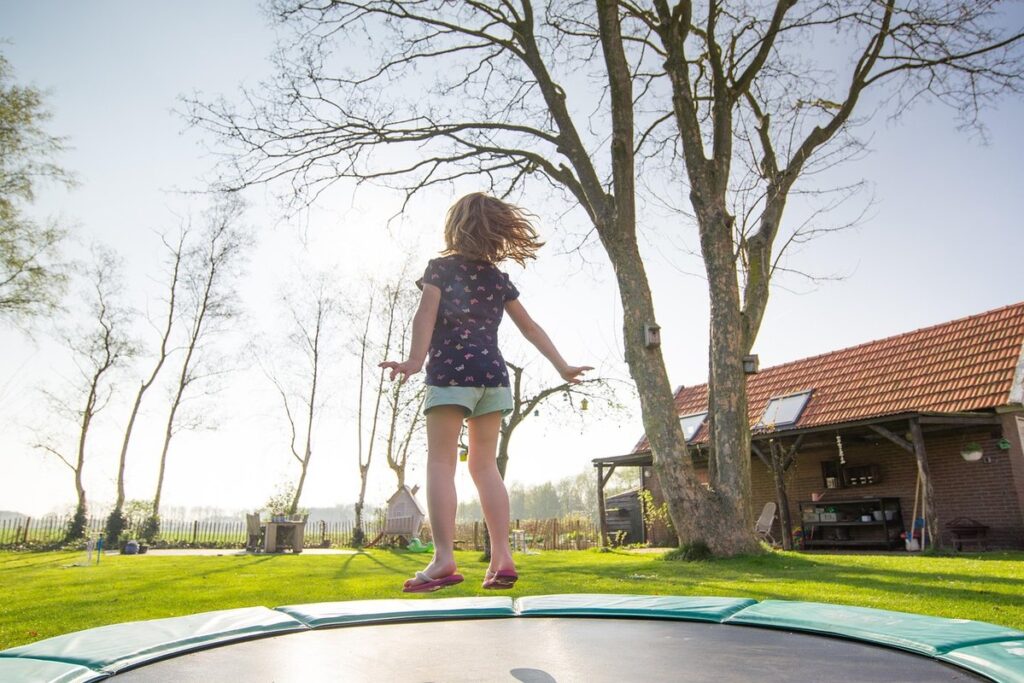
Benefits of Outdoor Nature Activities for Children
Engaging in outdoor nature activities can have a profound impact on your child’s physical, emotional, and cognitive development, leading to numerous benefits. Let’s explore some of these advantages together.
Physical Health and Development
Regular outdoor nature activities are essential for children’s physical growth, strength, and coordination. When kids engage in outdoor play, they naturally tend to move more, run around, and explore their surroundings, which helps build their overall endurance and stamina. By encouraging them to participate in various outdoor activities, parents can promote a healthy lifestyle from an early age.
Nature-based exercises such as rock climbing, hiking, or even walking through the woods help improve balance and agility in children. These activities also enhance problem-solving skills, as kids need to navigate through obstacles and overcome challenges while exploring their surroundings. Moreover, nature has its way of promoting overall well-being by exposing them to natural light, fresh air, and a calming environment.
You can make the most out of these exercises by incorporating games that require movement into your child’s outdoor routine. For example, hide-and-seek in the woods or a backyard, scavenger hunt, or nature-inspired obstacle courses are all great ways to keep kids active while promoting physical development.
Mental Health and Happiness
Spending time outdoors has a profound impact on children’s mental health, often overlooked in today’s fast-paced world. Research shows that kids who engage in regular outdoor activities experience reduced stress levels, improved mood, and increased self-esteem.
Being in nature has a calming effect on the mind and body, allowing children to unwind and recharge. A study found that kids who spent time outdoors showed significant reductions in cortisol levels – a key indicator of stress. Moreover, exposure to natural light boosts serotonin production, which regulates mood, appetite, and sleep patterns.
Parents can encourage their kids to spend more time outdoors by making it fun and accessible. Create a backyard nature haven with plants, bird feeders, or a small pond. Plan regular outdoor activities like hiking, biking, or picnicking. Even simple tasks like gardening or collecting leaves can become enjoyable experiences when done together as a family. By prioritizing outdoor time, parents can help their kids develop a lifelong appreciation for nature and improve their mental well-being.
Nature-Based Games and Activities for Kids
Get ready to unleash your little ones’ creativity and energy with these fun and engaging nature-based games and activities that’ll make outdoor exploration a blast! From scavenger hunts to nature art projects.
Scavenger Hunts and Outdoor Adventures
Scavenger hunts are an excellent way to encourage kids to explore and interact with their natural surroundings. These fun outdoor activities not only promote exploration but also teamwork and problem-solving skills. To create a scavenger hunt, start by making a list of items for the children to find or tasks to complete.
You can categorize the list into three types: visual, auditory, and tactile. For example, the visual category could include finding specific leaves, birds, or flowers. The auditory category might involve identifying different bird calls or animal sounds. Meanwhile, the tactile category could include collecting pinecones, rocks, or sand.
When creating a scavenger hunt list, be sure to tailor it to your child’s age and abilities. For younger children, focus on easy-to-find items like leaves, feathers, or specific types of flowers. As they get older, you can add more challenging tasks, such as identifying different tree species or taking pictures of specific wildlife.
To make it even more exciting, consider creating a scavenger hunt with a twist! Set up a mini challenge within the larger activity by providing clues to help them find certain items. This adds an extra layer of problem-solving fun and encourages collaboration among participants.
Art and Craft Projects
Engaging kids in nature-inspired art projects is an excellent way to encourage creativity while promoting an appreciation for the natural world. One of the simplest and most accessible ways to express this creativity is through leaf rubbings. Collect various leaves from trees, place them under a sheet of paper, and rub gently with a crayon or pencil. The resulting print provides a unique record of the leaf’s shape and texture.
Another great activity is rock painting, where kids can let their imagination run wild on rocks they collect on hikes or in their own backyard. Using acrylic paints, watercolors, or even natural dyes like berry juice or coffee, kids can create vibrant designs that reflect their personality. For a more ephemeral project, try making flower crowns together as a family using real flowers, leaves, and twigs. This not only encourages creativity but also teaches about the life cycle of plants.
Outdoor Skills and Education
Learning outdoor skills is essential for kids, so we’ll dive into the importance of teaching them how to navigate, build shelters, and identify plants in the wild.
Plant Identification and Gardening
As kids explore the great outdoors, one of the most exciting discoveries they can make is learning about plants. Plant identification and gardening are perfect activities for kids to get involved with, teaching them valuable skills about nature and responsibility.
To start recognizing different types of plants, trees, and flowers, begin by observing their basic characteristics. Leaves come in various shapes, sizes, and colors – some have sharp edges while others are soft and fuzzy. Flowers can be large or small, single-petaled or multi-petaled. Trees often have distinctive bark patterns or branch formations.
Gardening is a fantastic way to get kids hands-on experience with plant identification. Start by planting easy-to-grow flowers like sunflowers or marigolds in pots or directly in the ground. Teach your child to observe their seedlings regularly, noting changes in color, shape, and growth rate. As the plants mature, introduce new vocabulary about pollination, photosynthesis, and other essential concepts.
By participating in simple gardening activities, kids develop an appreciation for nature’s cycles and rhythms while learning essential skills that can be applied throughout their lives.
Nature Journaling and Observation
Nature journaling is an excellent way to encourage kids to slow down and observe their surroundings, developing a deeper connection with nature. By incorporating this activity into your outdoor adventures, you can help children develop essential skills such as observation, documentation, and recording.
Start by providing each child with a dedicated nature journal or sketchbook, where they can record their observations, drawings, and notes about the natural world. Encourage them to observe the sights, sounds, and scents around them, noting the details of plants, animals, and landscapes. Suggest they draw pictures of what they see, label the different parts of a plant, or sketch a bird’s nest.
Make it engaging by incorporating fun activities such as creating leaf rubbings, making twig sculptures, or writing acrostic poems using nature-inspired words. This will not only help them develop their observational skills but also foster creativity and imagination. As you explore together, be sure to ask open-ended questions that encourage critical thinking and curiosity about the natural world.
When reviewing their journals, acknowledge their efforts and offer suggestions for improvement. Celebrate the unique perspectives and insights they bring to the table, highlighting how this activity can become a lifelong passion for nature exploration.
Safety Precautions for Outdoor Activities
When venturing outdoors, it’s essential to take necessary precautions to ensure your child’s safety and well-being during nature activities. This includes being aware of potential hazards and knowing what to do in case of an emergency.
Sun Protection and Hydration
When spending time outdoors with kids, it’s essential to prioritize their safety by taking sun protection measures seriously. The sun’s strong rays can cause sunburn, heat exhaustion, and even long-term damage to young skin. To safeguard against this, apply broad-spectrum sunscreen with a high SPF rating at least 30 minutes before heading out. Make sure your child wears protective clothing such as hats with brims that cover their face, neck, and ears. Sunglasses should also be worn, especially if they’re near water or sand, which can reflect the sun’s rays.
Encourage kids to drink plenty of water throughout outdoor activities. Aim for at least 8-10 ounces of water per hour of playtime. You can also pack healthy snacks like fruits and sandwiches that are rich in hydrating properties. For younger children, consider packing refillable water bottles with fun designs or stickers to make hydration more appealing. By teaching kids the importance of sun protection and hydration from an early age, they’ll develop good habits that will last a lifetime.
Wildlife Encounters and Emergency Preparedness
When venturing into nature with kids, it’s essential to be aware of potential wildlife threats and know what to do in case of an emergency. This includes recognizing the warning signs of bee stings, snake bites, and other hazards.
For example, if you’re on a hike and notice a beehive or bees flying around, stay calm and slowly back away without panicking the bees further. If someone gets stung, wash the area with soap and water to reduce swelling and apply a cold compress to ease pain. For more severe reactions, seek medical attention.
When it comes to snakes, never try to touch or remove one from your path. Instead, give it space and back away slowly while keeping an eye on the snake’s movement. If you’re unfortunate enough to get bitten, remain calm and still, as moving can spread venom faster. Then, carefully remove any constricting items like jewelry or watches and seek medical attention.
To minimize risks, teach kids about wildlife safety by setting clear rules and guidelines, such as staying close to adults, not touching animals, and avoiding areas with known hazards. Make learning wildlife encounters a fun experience by observing from a safe distance and appreciating these creatures’ natural habitats.
Tips for Parents and Caregivers
As you plan outdoor nature activities with your kids, we’ve got some practical tips to help you make the most of these experiences and keep everyone safe. From setting boundaries to encouraging exploration.
Creating a Family Nature Tradition
Creating a family nature tradition is one of the most rewarding experiences you can give to your children. It’s not just about spending time outdoors together; it’s about creating shared memories and a deeper connection with nature that will last a lifetime. To get started, try incorporating regular outdoor activities into your daily or weekly routine.
For example, take a family walk around the block after dinner each night to spot constellations or observe local wildlife. Or, schedule a weekly picnic in a nearby park or forest, where you can play games and enjoy nature together. You could even set aside one day a week for a “nature adventure” where you explore a new outdoor location.
The benefits of creating a family nature tradition are numerous. Children develop an appreciation and respect for the natural world, which can lead to a lifelong love of science, conservation, and exploration. They also learn valuable skills like observation, patience, and teamwork.
Overcoming Challenges and Fostering Involvement
When it comes to outdoor nature activities with kids, every parent or caregiver has faced this scenario at some point: a reluctant child who would rather stay indoors. It’s not uncommon for children to feel hesitant about venturing into the great outdoors, especially if they’re unfamiliar with the surroundings.
To overcome these challenges and foster involvement, start by making it fun! Involve your child in planning the activity or choosing the destination. This simple act of giving them some control can make a huge difference in their willingness to participate.
If your child still seems hesitant, try breaking down the experience into smaller, more manageable parts. For example, if you’re going on a hike, start with a short walk and gradually increase the distance over time. Make sure to provide plenty of opportunities for breaks, snacks, and exploration along the way.
Remember, the goal is to create a positive association with outdoor activities from an early age. By starting small and being patient, your child will eventually become more confident and enthusiastic about exploring the great outdoors.
Additional Resources and Inspiration
For those who want to dive even deeper into outdoor learning, we’ve curated a list of fantastic resources and inspiring ideas for kids. Check them out below!
Online Communities and Forums
Joining online communities and forums can be a fantastic way to connect with other parents who share your passion for getting kids outdoors. By participating in these spaces, you’ll not only find inspiration and ideas for nature-based activities but also have the opportunity to ask questions, get feedback, and learn from others.
Some popular online resources include social media groups dedicated to outdoor education, parenting forums focused on environmentalism, and blogs that share tips and stories of families exploring nature together. For example, Facebook groups like “Outdoor Families” or “Nature-Based Learning” are great places to start, where you can ask questions, share photos, and get advice from experienced parents.
You can also search for online communities centered around specific activities, such as birdwatching or geocaching. These spaces will give you access to expert tips, recommended locations, and opportunities to connect with others who share your interests. By tapping into these resources, you’ll be able to create more engaging and educational outdoor experiences for your kids, while also building a supportive community of like-minded parents.
Local Parks and Outdoor Spaces
When it comes to exploring the great outdoors with kids, there’s no better way to start than by discovering local parks and outdoor spaces. Not only do these areas offer a wealth of nature-based activities, but they can also be a treasure trove of hidden gems waiting to be discovered.
To find nearby parks and trails that are suitable for your little ones, try the following:
* Visit your city or town’s website and look for park maps or trail guides. Many cities have online resources that provide detailed information on local outdoor spaces, including maps, reviews, and ratings.
* Check event calendars to see if any events or activities are planned in nearby parks. This could be anything from nature walks to outdoor concerts.
* Use apps like Park Rangers or AllTrails to find nearby trails and parks. These apps often have user-generated content and reviews that can help you choose the best spots for your family’s needs.
Remember, exploring local parks and outdoor spaces is all about discovery – so don’t be afraid to get out there and explore!
Frequently Asked Questions
What if my child has a medical condition that makes it difficult to engage in outdoor activities?
If your child has a medical condition, don’t worry! You can still adapt many outdoor activities to suit their needs. Consider consulting with a healthcare professional or an organization specializing in accessible outdoor recreation. Many parks and nature centers also offer adaptive programs for children with disabilities. With some creativity and planning, your child can enjoy the benefits of outdoor nature activities while staying safe.
How do I balance my own desire for relaxation with the need to supervise my kids during outdoor activities?
It’s essential to find a balance between enjoying yourself and ensuring your kids’ safety. Consider designating specific times for adult breaks or enlisting help from other family members or friends. You can also plan activities that are low-key and relaxing, like nature journaling or photography, which allow you to engage with nature while still having some quiet time.
What if my child gets lost during a scavenger hunt or outdoor adventure?
This is a common concern for many parents! To minimize the risk of your child getting lost, make sure they understand basic navigation skills and always stay within sight. Consider setting up a meeting spot in case someone gets separated, and encourage them to ask an adult for help if needed. It’s also essential to teach your child about staying calm and finding shelter if they do get lost.
How can I incorporate outdoor nature activities into our busy family schedule?
You don’t need to set aside hours each day for outdoor activities! Even small moments, like taking a short walk during lunch or doing some stretching exercises in the backyard, can be beneficial. Consider scheduling regular “nature breaks” or incorporating outdoor activities into your daily routine, such as right after school or before dinner.
Can outdoor nature activities help with children’s anxiety and stress levels?
Yes! Spending time in nature has been shown to have a calming effect on both children and adults. By engaging in activities like mindfulness walks, nature journaling, or simply spending quiet time outdoors, your child can learn to manage their anxiety and develop coping mechanisms for stressful situations.