
As a parent, sending your child off to school with a safe and satisfying lunch can be a daily worry, especially if they have food allergies. You want to ensure their lunchbox is free from common allergens like peanuts, tree nuts, dairy, eggs, fish, shellfish, soy, and wheat. But packing allergy-friendly lunches that are also healthy and appealing can be a challenge. In this article, we’ll share practical tips for managing food allergies in the classroom and provide you with delicious and easy-to-make allergy-safe lunch ideas for school. We’ll cover recipe substitutions, ingredient swaps, and creative ways to make mealtime safe and enjoyable for kids with allergies. By following these simple strategies, you can give your child the confidence to take charge of their own food needs and enjoy a worry-free school day.
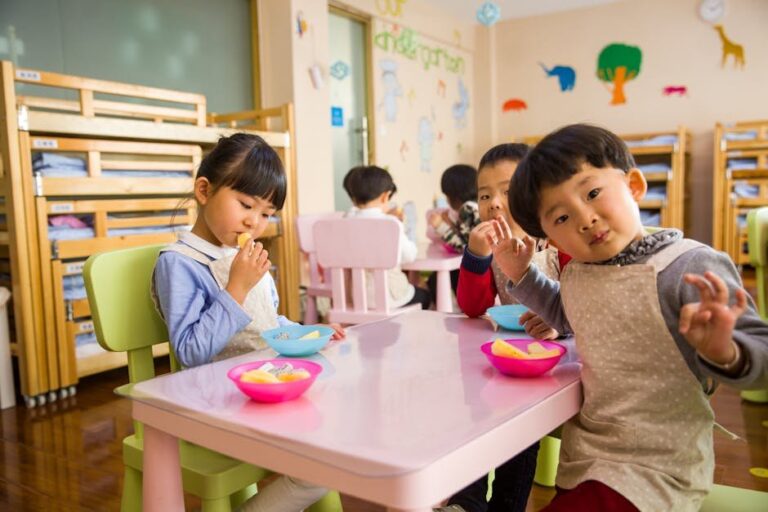
Introduction to Food Allergies in Schools
When sending your child off to school, it’s essential to consider their food allergies and take steps to ensure a safe and inclusive environment for all students. This section addresses common allergy concerns and protocols in schools.
Understanding Common Food Allergens in Schools
When it comes to sending kids off to school with lunch, it’s essential to consider the common food allergens that might be present in the classroom. These allergens can cause severe reactions, and it’s not uncommon for schools to have specific protocols in place to manage them.
Peanuts, tree nuts, milk, eggs, fish, shellfish, wheat, and soy are the most prevalent food allergens found in schools. According to Food Allergy Research & Education (FARE), a staggering 1 in 13 children in the US has a food allergy. This means that one in every classroom likely has at least one student with a severe food allergy.
These allergies can be life-threatening, and it’s crucial for parents, caregivers, and educators to take precautions when packing lunches or providing snacks. When preparing lunch for school, try to avoid these common allergens altogether. Instead, opt for allergy-safe alternatives like sunflower seed butter and jelly sandwiches, fruit, carrot sticks with hummus, or hard-boiled eggs (if the child’s allergy isn’t to eggs). Always check with the teacher or school administration about specific allergy protocols in place before sending lunch.
Risks and Consequences of Undiagnosed or Untreated Food Allergies
When it comes to food allergies in schools, undiagnosed or untreated allergies can have severe consequences. One of the most significant risks is anaphylaxis, a life-threatening allergic reaction that requires immediate medical attention. According to Food Allergy Research & Education (FARE), one in 13 children has a food allergy, and about two-thirds of these cases are caused by peanuts, tree nuts, milk, eggs, fish, shellfish, wheat, and soy.
If left untreated or undiagnosed, food allergies can also lead to long-term health effects. For instance, repeated exposure to an allergenic food can cause chronic inflammation, which may increase the risk of developing other conditions like asthma or eczema. Additionally, some research suggests that food allergies may contribute to the development of obesity and metabolic disorders later in life.
To mitigate these risks, it’s essential for schools to have a comprehensive allergy management plan in place. This should include staff training on recognizing symptoms, using epinephrine injectors, and developing emergency response plans. Parents can also play a crucial role by being proactive about their child’s allergies, providing the school with accurate information, and ensuring that their child is equipped with an EpiPen or other allergy medication.
Planning Allergy-Safe Lunches for School
When packing lunches for school, it can be overwhelming to ensure that they are safe for kids with allergies. Let’s break down how to plan allergy-safe lunch options.
Tips for Packing Allergy-Safe Lunches
When it comes to packing allergy-safe lunches for school, it’s not just about choosing safe foods, but also taking steps to prevent cross-contamination and ensure the child with a food allergy can safely enjoy their meal. To start, choose foods that are less likely to trigger an allergic reaction, such as fruits, vegetables, whole grains, lean proteins, and dairy-free alternatives.
Labeling foods clearly is crucial in preventing accidental exposure. Use stickers or labels to identify each item in the lunchbox, including any allergens present. For example, if you’re packing a peanut butter sandwich, label it clearly so that the teacher or school staff knows what they’re dealing with. Avoid using the same utensils or containers for both safe and potentially hazardous foods.
To prevent cross-contamination, consider using separate cutting boards, plates, and utensils when preparing meals for children with food allergies. Store these items in a designated area to keep them separate from other kitchen essentials. Always wash your hands thoroughly before handling food and make sure to clean any surfaces that may have come into contact with the allergen.
Allergy-Friendly Food Options for School Lunches
When packing allergy-friendly food options for school lunches, it’s essential to consider safe alternatives to common allergens like peanuts and tree nuts. Sunflower seed butter is a popular substitute for peanut butter that can be used as a spread or added to sandwiches. Look for sunflower seed butter with no added oils and minimal ingredients.
Fruit leather is another great option for kids’ lunches, providing a sweet treat without the need for common allergens. Homemade fruit leather made from pureed fruit and pectin is a healthier alternative to store-bought options often laced with added sugars. Crackers are a versatile item that can be paired with sunflower seed butter or hummus for a satisfying snack.
Energy balls made from oats, honey, and coconut flakes are another allergy-friendly option that’s easy to prepare in bulk and pack for school lunches. These no-bake bites provide a quick energy boost without the risk of common allergens. Be sure to store them in an airtight container to maintain freshness throughout the day.
Avoiding Common Allergenic Foods in School Lunches
When packing your child’s school lunch, it’s essential to steer clear of common allergenic foods that can cause severe reactions, such as nuts and shellfish. We’ll explore some simple swaps in this section.
Peanut-Free Alternatives to Peanut Butter Sandwiches
If your child has a peanut allergy, it can be challenging to come up with lunch ideas that are safe for them to eat at school. One classic sandwich staple that often poses a problem is the peanut butter and jelly (or banana) sandwich. But don’t worry – there are plenty of delicious alternatives you can try.
Sunflower seed butter sandwiches are a popular substitute, made by spreading sunflower seed butter on bread instead of peanut butter. Other nut-free options include soy butter and coconut butter. You can also get creative with the fillings: try using almond-free jam or honey for added flavor. If your child enjoys the texture of peanut butter, they may like the slightly crunchy consistency of sunflower seed butter.
Consider making a batch of these alternative sandwiches on the weekend and freezing them for school lunches throughout the week. Just be sure to label them clearly with their contents, in case your child’s lunchbox is accidentally grabbed by someone else. With a little experimentation, you can find a peanut-free alternative that your child will love just as much as the original!
Milk-Free Yogurt Parfait Ideas for School Lunches
When it comes to packing allergy-safe lunches for school, finding milk-free yogurt parfait ideas can be a challenge. But don’t worry, we’ve got you covered! With just a few simple swaps and some creative layering, you can create delicious and safe milk-free yogurt parfaits that your kids will love.
Start by choosing a non-dairy yogurt alternative such as soy yogurt, coconut yogurt, or almond yogurt. Look for brands that are free from common allergens like dairy, nuts, and soy (if your child has a soy allergy). Layer the yogurt with fresh berries, granola made from safe ingredients, and even some sliced banana or honey for added sweetness.
To take it to the next level, try adding some crunch with chopped sunflower seeds or pumpkin seeds. These are great alternatives to traditional nuts and can add texture without the risk of an allergic reaction. If your child loves a little bit of indulgence, consider using dairy-free chocolate chips or shaved coconut as a topping.
Remember, always check with the school about their allergy policies and procedures before introducing new foods, especially if they involve common allergens. With a little creativity and planning, you can create milk-free yogurt parfaits that are safe for your child to enjoy at school.
Snacks and Treats That Are Safe for Schools
When it comes to packing snacks and treats, we want to ensure they’re safe for our kids’ classmates with allergies. Here are some great options that fit the bill.
Fresh Fruit and Vegetable Snack Options
When it comes to snack time at school, fresh fruit and vegetable options are not only delicious but also a great way to provide a boost of energy and essential nutrients. One easy and fun option is to create fruit kebabs by threading grapes, strawberries, or pineapple chunks onto skewers – a perfect finger food for little hands.
For a more savory snack, carrot sticks with hummus make a great pair. Simply cut carrots into bite-sized sticks and serve them alongside a small container of store-bought or homemade hummus for dipping. You can also try other veggie options like cucumber slices, cherry tomatoes, or sliced bell peppers.
To take it to the next level, consider creating your own trail mix using dried fruits and vegetables, such as apricots, mangoes, and beets. This is a great way to ensure that everyone in the class has something they can enjoy.
Homemade Energy Balls Made with Allergy-Friendly Ingredients
When it comes to packing safe and healthy snacks for school, energy balls are an excellent option. Not only are they easy to make and transport, but they’re also a great way to ensure that your child’s snack time is both nutritious and enjoyable. But what if you have kids with allergies in the classroom? Traditional energy ball recipes often rely on common allergens like peanuts and tree nuts, but we’ve got some good news – there are plenty of allergy-friendly alternatives.
To make homemade energy balls using allergy-friendly ingredients, start by substituting sunflower seed butter for traditional peanut butter. This nut-free alternative provides a similar creamy texture and nutty flavor that kids will love. Next, add in rolled oats, which provide fiber and crunch to the energy balls. Finally, use honey as a sweetener instead of refined sugars. Here’s a simple recipe to get you started:
* 2 tablespoons sunflower seed butter
* 1 tablespoon honey
* 1/4 cup rolled oats
* 1/4 cup chopped dried fruit (like cranberries or raisins)
Combine all the ingredients in a bowl and mix until well combined. Roll into small balls and refrigerate until firm. These homemade energy balls are perfect for school snacks, and because they’re made with allergy-friendly ingredients, you can feel confident that your child’s classmates will be safe to enjoy them too.
Managing Food Allergies in the Classroom
When it comes to managing food allergies in the classroom, clear communication and planning are key to ensuring a safe and inclusive environment for all students. Here’s how you can make it happen.
Establishing a Food Allergy Action Plan
When it comes to managing food allergies in the classroom, establishing a clear action plan is crucial in case of an allergic reaction. This plan should be developed in collaboration with parents, teachers, and students to ensure everyone knows their role in keeping the student safe.
Start by identifying potential allergens that may be present in the school environment, including common lunch items. For example, if a student has a peanut allergy, it’s essential to avoid peanuts or peanut products altogether. Consider creating an “allergy-friendly zone” in the classroom where students with food allergies can safely eat without worrying about cross-contamination.
In case of an allergic reaction, know what steps to take immediately. This may include administering medication, such as an EpiPen, and calling 911 if necessary. Make sure all teachers and staff are aware of the action plan and know how to respond in an emergency situation.
Educating Peers About Food Allergies
As you prepare allergy-safe lunches for school, it’s also essential to educate your child’s peers about food allergies. This can be a sensitive topic, but with open communication and inclusivity, everyone can benefit from understanding and respect.
To start, have an open conversation with your child about their food allergies and what they need from their classmates. Encourage them to share this information in the classroom as well. You can also talk to the teacher or school administration to develop a plan for educating the class about food allergies.
When it comes to teaching peers about food allergies, focus on empathy and understanding. For example, you could explain that foods like peanuts and tree nuts are not only harmful but also impossible to avoid in many everyday situations. This can help classmates understand why their friend needs to be extra careful.
Make education a fun and engaging process by incorporating classroom activities or discussions. Consider role-playing scenarios where students have to navigate food choices in social situations. You could also create a “Food Allergy Buddy” program, where classmates learn to support and include the student with allergies.
Remember, educating peers about food allergies is not just about preventing accidents; it’s also about promoting inclusivity and respect for differences. By working together, you can create a more empathetic and supportive classroom environment that benefits everyone involved.
Frequently Asked Questions
What if my child’s allergy is not listed on the school’s allergy alert system, or what if I’m unsure how to report an allergy?
Always err on the side of caution when it comes to your child’s food allergies. Even if their allergy isn’t listed, notify the school immediately and provide them with documentation from a medical professional. This will ensure they receive proper care in case of an emergency.
How do I know which ingredients are safe for my child’s specific allergies, and where can I find reliable information?
Consult reputable sources like Food Allergy Research & Education (FARE) or the American Academy of Pediatrics (AAP) to stay informed about food allergens. You can also reach out to registered dietitians or healthcare professionals for personalized guidance on ingredient swaps and safe alternatives.
What if my child has multiple allergies, making it difficult to pack a lunch that meets all their needs?
Packing lunches for kids with complex allergies requires creativity! Focus on common allergen-free ingredients like fruits, vegetables, lean proteins, and whole grains. Consider consulting with a registered dietitian or healthcare professional to develop a personalized meal plan.
Can I use store-bought allergy-friendly products as a convenient alternative, and are they always safe?
Yes, many store-bought products are designed to be allergen-free and can be a convenient option for busy parents. However, always read labels carefully and look for third-party certifications like “tree nut-free” or “gluten-free.” Be aware that even allergy-friendly products can be contaminated during processing, so it’s essential to stay vigilant.
How do I communicate with my child’s teachers about their food allergies, and what kind of support can they expect from the school?
Communicate openly with your child’s teacher about their food allergies, including how severe the allergy is and what steps they can take in case of an emergency. Many schools have trained staff members who are equipped to handle food allergy emergencies; don’t hesitate to ask about their protocols and procedures.