
As a parent, there’s nothing quite like watching your child explore the great outdoors. Whether they’re playing in the backyard or at the park, outdoor playtime is essential for their physical and emotional development. However, with freedom comes responsibility – ensuring your child stays safe while having fun outside. Unfortunately, accidents can happen quickly, and it’s every parent’s worst nightmare to see their child injured due to a preventable hazard.
In this article, we’ll share expert safety tips on how to create a safe playground for kids to explore and thrive. From proper supervision and environment design to emergency preparedness, we’ll cover the essential topics you need to know to keep your little ones safe. By the end of this guide, you’ll have a clear understanding of what to look out for and how to mitigate risks, giving you peace of mind when letting your child play outside.
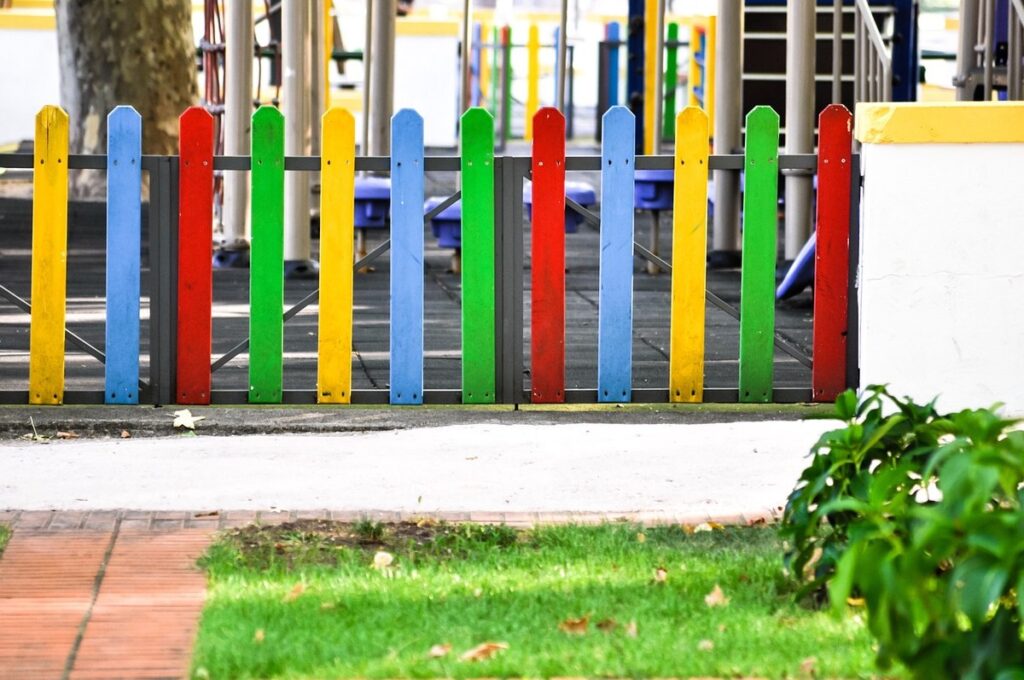
Understanding Outdoor Play Risks
When it comes to outdoor play, there are numerous risks that can put your child’s safety at risk. Let’s explore some of these potential hazards together.
Common Hazards in Outdoor Play Areas
When children engage in outdoor play, they’re not only burning off energy but also developing essential skills and building confidence. However, this carefree atmosphere can be compromised by hazards lurking in even the most idyllic playgrounds or backyards.
Common hazards in outdoor play areas include worn-out or faulty playground equipment that may lead to injuries from falls or entrapment. Parents and caregivers should inspect the equipment regularly for any signs of damage, rust, or wear and tear. Make sure to check for loose screws, wobbly foundations, or broken chains that could cause accidents.
Another hazard is the presence of loose objects such as rocks, sticks, or sharp debris on the playground surface. These can lead to slips, trips, or puncture wounds. Clearing the area around equipment and play zones before allowing children to play can prevent many potential injuries. Additionally, extreme weather conditions like intense heat, thunderstorms, or icy surfaces pose significant risks that should be monitored closely. It’s essential for caregivers to stay vigilant and take necessary precautions to minimize these hazards and ensure a safe environment for outdoor play.
Identifying Potential Dangers in Neighborhoods and Parks
When venturing into neighborhoods and parks with children, it’s essential to be aware of potential dangers that could put their safety at risk. Start by conducting a thorough walk-through assessment of the area you plan to visit. Look out for traffic hazards such as speeding cars, narrow roads, or lack of pedestrian crossings.
Water bodies can also pose a significant threat, whether it’s a nearby river, lake, or even a swimming pool not supervised by an adult. Be mindful of any areas where children might accidentally slip, fall, or get swept away by strong currents.
Wildlife in parks and open spaces can be unpredictable, so keep an eye out for signs warning about potential wildlife encounters. For example, some parks may have areas closed off due to nesting birds, while others may have coyotes or other predators roaming freely.
To minimize risks, teach children basic safety rules such as staying close to adults, not running near water bodies, and avoiding direct contact with wildlife. When in unfamiliar territory, stay alert and aware of potential hazards. By doing so, you’ll be better equipped to protect your little ones from harm when enjoying outdoor playtime together.
Supervising Children During Outdoor Play
When kids are playing outdoors, it’s essential to keep a watchful eye on them at all times. Let’s discuss some practical tips for supervising children during outdoor play safely and effectively.
Strategies for Effective Supervision
When it comes to supervising children during outdoor play, being effective is just as important as ensuring their safety. This means setting clear boundaries and guidelines for behavior, not just physically but also emotionally.
Setting Boundaries:
Establishing clear rules and expectations helps prevent accidents and injuries. For example, designate specific areas for certain activities, such as ball games or picnics, to avoid conflicts over shared spaces. When it comes to more complex situations, like swimming or water play, develop a plan for supervision that includes having another adult on hand.
Maintaining a Safe Distance:
Supervising children at a safe distance is crucial in allowing them to explore and learn while minimizing the risk of accidents. This distance can vary depending on the activity and age group, but a good rule of thumb is being within arm’s reach without being overly intrusive.
Monitoring Activities:
Keep an eye out for potential hazards, such as wildlife, bodies of water, or inclement weather conditions. For younger children, regularly check in to ensure they’re not getting too close to any risks, and encourage them to stay away from hazards like sharp objects or toxic substances.
Recognizing Signs of Fatigue or Distress in Children
When supervising children during outdoor play, it’s crucial to be aware of signs of fatigue or distress. These can manifest differently depending on age and individual temperament, but there are some general indicators to watch out for.
For younger children (under 5), look for signs such as irritability, clinginess, or refusing to participate in activities they usually enjoy. They may also become more quiet or withdrawn than usual. Older children might exhibit physical symptoms like slow movements, difficulty concentrating, or decreased coordination.
If you notice any of these signs, it’s essential to intervene promptly. Give your child a break and encourage them to rest for a while. Offer water and snacks to replenish energy levels. Be mindful that some children may not openly communicate their needs, so pay attention to non-verbal cues as well.
Remember, prevention is key. Plan outdoor activities according to the weather and ensure your child gets enough breaks to avoid exhaustion. Keep an eye on the time and monitor your child’s physical condition regularly. By being attentive and taking proactive measures, you can help prevent accidents and ensure a safe and enjoyable experience for everyone involved.
Safety Precautions for Specific Outdoor Activities
When engaging in specific outdoor activities, it’s crucial to consider the unique safety concerns and potential hazards associated with each one, such as hiking, swimming, or biking. This section will cover some of these essential considerations.
Water Play Safety Tips
When it comes to water play, safety should always be top of mind. According to the American Academy of Pediatrics (AAP), drowning is a leading cause of death for children aged 1-14 years old, with most incidents occurring during recreational activities like swimming and wading. To minimize this risk, proper supervision is crucial.
Always maintain visual contact with your child when they’re in or around water, even if it’s just a small pool or kiddie pool. This means being within arm’s reach at all times, especially for young children who can quickly become exhausted or disoriented in the water.
Another essential step is to ensure your child has basic swimming skills. Enroll them in swimming lessons with a qualified instructor as soon as possible, ideally by age 4-6 years old. This will not only improve their safety but also build confidence and a lifelong love for water activities.
Regularly inspect equipment such as pool noodles, kickboards, and life jackets to ensure they’re in good condition and free from damage. Store them safely when not in use to prevent accidents caused by improper storage or misuse.
Remember, prevention is key to ensuring your child’s safety during water play. By following these simple tips and being vigilant, you can significantly reduce the risk of accidents and injuries.
Sports-Related Safety Considerations
When engaging children in sports and physical activities outdoors, it’s essential to prioritize their safety above all else. Proper equipment use is a crucial aspect of sports-related safety considerations. Ensure that your child uses the right gear for their sport or activity, such as helmets for skateboarding or cycling, knee pads for soccer, and mouthguards for contact sports like rugby or hockey.
Rule enforcement is also vital to prevent injuries and promote a safe playing environment. Teach children to respect game rules and adhere to established guidelines, such as staying within designated play areas or following designated routes when participating in activities like orienteering or scavenger hunts.
Concussion prevention should be a top concern for parents and caregivers, especially in contact sports. Educate your child about the signs of concussions, which may include headaches, dizziness, or confusion after a hit to the head. Establish protocols for responding to concussions, such as removing them from play immediately and seeking medical attention if symptoms persist.
By emphasizing proper equipment use, rule enforcement, and concussion prevention, you can help minimize the risk of injuries and ensure a safe and enjoyable outdoor sports experience for your child.
Creating Safe Outdoor Environments
When it comes to outdoor play, creating safe environments is crucial to prevent accidents and injuries. Let’s explore some essential steps for designing a secure outdoor space.
Designing Child-Friendly Playgrounds
Designing child-friendly playgrounds is crucial to ensuring kids have fun while staying safe. When selecting equipment, opt for durable and sturdy structures that are designed with safety features such as soft landings and minimal pinch points. Consider using natural elements like logs, rocks, or sand instead of traditional plastic playsets.
Surfacing materials also play a significant role in playground design. Look for rubber mulch or poured-in-place rubber surfacing, which can provide excellent fall protection. Avoid loose gravel, sand, or wood chips as they can be slippery and increase the risk of injuries.
Layout is another critical aspect to consider when designing child-friendly playgrounds. Ensure that equipment is placed at least 6 feet apart from each other to prevent collisions. Create separate zones for different age groups and abilities to avoid overcrowding and conflicts.
By following these guidelines, you can create a safe and enjoyable outdoor space for kids to play in.
Implementing Safety Measures in Neighborhoods and Parks
When it comes to creating safe outdoor environments for children, neighborhoods and parks are often the first places that come to mind. Implementing safety measures in these areas is crucial to prevent accidents and ensure a secure play experience for kids.
One effective way to improve safety in neighborhoods is through traffic calming measures. These can include speed bumps, pedestrian crossings, or even narrowed streets to reduce the speed of vehicles. For example, a study by the National Association of City Transportation Officials found that communities with traffic calming measures saw a 30% reduction in pedestrian injuries and fatalities.
In parks, adequate lighting and surveillance cameras are essential safety features. Well-lit pathways and play areas can deter potential threats and provide visibility for parents and caregivers to keep an eye on their children. Installing security cameras can also help authorities respond quickly in case of an incident. Consider working with local officials or park administrators to implement these measures and create a safer outdoor environment for kids to enjoy nature.
Emergency Preparedness for Outdoor Accidents
While it’s essential to have a first aid kit and plan on hand, knowing how to respond in an emergency is just as crucial for outdoor safety. We’ll cover what to do in case of accidents like injuries, illnesses, and getting lost.
Responding to Injuries or Emergencies
When an injury or emergency occurs during outdoor play, it’s essential to respond quickly and effectively. Basic first aid is crucial in preventing further harm and providing immediate relief. Make sure you’re familiar with basic first aid techniques such as CPR, wound cleaning, and splinting. If a child has a severe allergic reaction, administer epinephrine via an EpiPen if available.
If the injury or emergency requires medical attention, call emergency services immediately. In many countries, dialing 911 is the standard procedure. When speaking to the operator, provide clear details about the situation and location. Stay on the line until the operator instructs you to hang up.
In case of severe injuries, stabilize the child’s body as much as possible without moving them excessively. If transporting an injured child to a medical facility is necessary, ensure someone stays with the child at all times. If alone with the child, try to call for help while keeping the child calm and comfortable.
Preventing Long-Term Consequences of Outdoor Accidents
When you’re outdoors with children, accidents can happen even if you’ve taken all necessary precautions. While immediate medical attention is essential for treating injuries sustained during an outdoor accident, it’s equally crucial to consider the long-term consequences that may arise from these incidents.
In some cases, ongoing medical care might be required to address issues such as broken bones, concussions, or other severe injuries. This can involve costly treatments and therapies, which may not be covered by your standard health insurance policy. Insurance claims for outdoor accidents can be complex, especially if liability is unclear. It’s essential to understand your coverage and report incidents promptly to avoid any potential disputes.
To mitigate these risks, consider investing in an umbrella insurance policy or purchasing additional personal accident coverage that includes long-term care benefits. Additionally, take note of incident details and medical documentation from the time of the accident, as this information may be crucial for future claims. By being prepared and understanding your insurance options, you can better protect yourself and your family against unexpected financial burdens resulting from outdoor accidents.
Frequently Asked Questions
What if I’m unable to supervise my child at all times during outdoor play?
You don’t need to constantly watch your child’s every move, but ensure you’re aware of their location and activities at regular intervals. Create a safe zone with clear boundaries where they can explore without immediate supervision.
How do I assess the risk level of our neighborhood or park for outdoor play?
Walk through the area with your child and identify potential hazards such as broken glass, potholes, or overgrown vegetation. Report any issues to local authorities and consider adjusting your routine to avoid these areas.
Can I still let my child engage in outdoor activities during extreme weather conditions?
No, prioritize their safety by monitoring weather forecasts and taking necessary precautions during storms, heatwaves, or cold snaps. Stay informed about pollen counts if your child has allergies.
What should I do if I encounter other children who are not following basic playground etiquette while supervising my own child?
Gently intervene to remind the other children of playground rules and safety guidelines. Encourage a culture of respect among children by modeling positive behavior yourself.
How can I ensure that outdoor play areas, such as our backyard or local park, remain safe for years to come?
Regularly inspect equipment and report any damage to maintenance teams. Set up regular clean-up days with your community to maintain the area’s overall condition and foster a sense of shared responsibility among users.