
Teaching your child how to manage their emotions is one of the most valuable gifts you can give them. Emotion regulation skills are essential for kids to develop emotional intelligence, resilience, and a healthy relationship with their feelings. As a parent or caregiver, it’s not uncommon to feel overwhelmed by your child’s mood swings, meltdowns, and difficulty expressing themselves. But what if you could equip them with the tools they need to regulate their emotions in a healthy way? This article will explore practical strategies for teaching emotion regulation skills to children, including identifying emotions, calming techniques, and creating a daily routine that promotes emotional intelligence. By learning these skills, your child can develop greater self-awareness, self-regulation, and social skills, leading to a more positive and productive life.
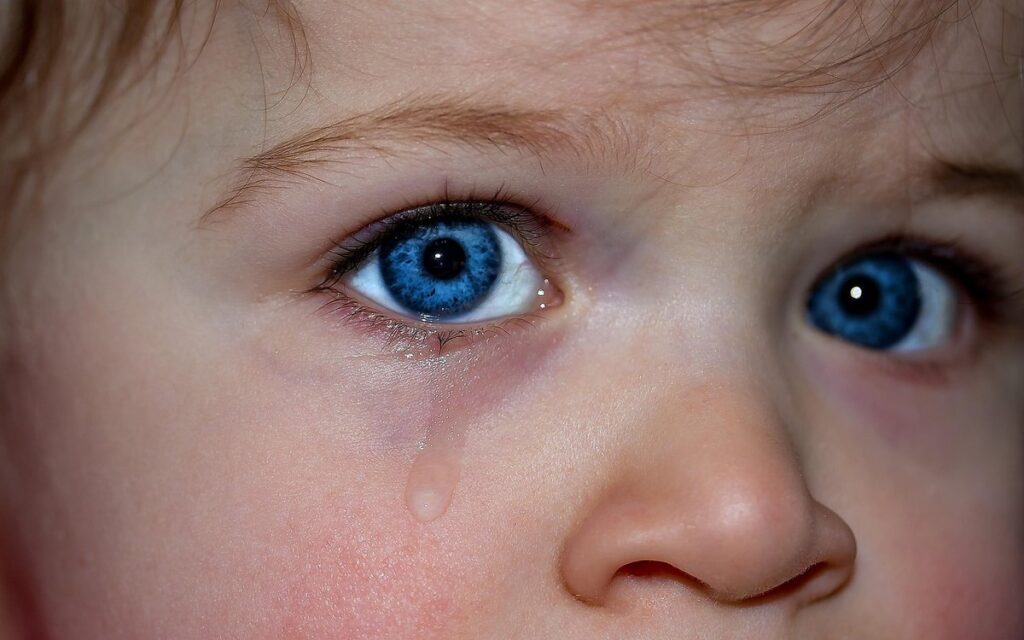
Understanding Emotion Regulation in Children
Understanding emotion regulation in children is crucial for their emotional well-being and long-term success. This section will explore how to recognize and manage common emotional triggers in kids.
What is Emotion Regulation?
Emotion regulation is the ability to manage and modulate one’s emotional responses to various situations. It’s an essential life skill that helps children navigate their emotions, making it easier for them to develop healthy relationships, learn effectively, and behave appropriately. As children grow, they begin to understand and express a wide range of emotions, but learning to regulate these emotions takes time and practice.
By around 2-3 years old, children start to develop basic emotion regulation skills through their interactions with caregivers and the environment. They begin to recognize and label their emotions, which helps them connect emotional experiences to specific feelings. As they progress into toddlerhood, they learn to express their emotions in more complex ways, such as through language or behavior.
The importance of emotion regulation cannot be overstated. When children master this skill, it enables them to develop resilience, self-awareness, and better decision-making abilities. They become more adaptable, less prone to outbursts, and more likely to engage in healthy coping mechanisms when faced with challenges. By teaching your child effective emotion regulation strategies, you’ll help them build a strong foundation for emotional intelligence, which will serve them well throughout their lives.
The Impact of Emotion Regulation on Child Development
Developing effective emotion regulation skills in children is crucial for their overall well-being and long-term success. When children learn to manage their emotions, they are better equipped to handle challenges, form healthy relationships, and maintain good mental health.
Research has shown that children who develop strong emotion regulation skills tend to perform better academically, as they can focus and stay motivated in the face of obstacles. In contrast, poor emotion regulation skills have been linked to decreased academic performance, increased behavioral problems, and a higher risk of developing anxiety and depression later in life.
The impact of good or poor emotion regulation skills on relationships is also significant. Children who can regulate their emotions are more likely to develop strong, empathetic relationships with peers and family members. They learn to communicate effectively, express their needs and feelings in a healthy way, and navigate conflicts with ease.
As a parent or caregiver, you play a vital role in teaching your child emotion regulation skills. By modeling healthy emotional expression and providing opportunities for practice, you can help your child develop the tools they need to thrive in all areas of life.
Why Teach Emotion Regulation Skills to Children?
Teaching children emotion regulation skills is crucial for their emotional well-being, as it helps them navigate life’s challenges and develop healthy relationships. In this section, we’ll explore why these skills are essential for kids’ growth and development.
Benefits of Teaching Emotion Regulation
Teaching children emotion regulation skills is essential for their social, emotional, and cognitive development. When kids learn to manage their emotions, they develop self-awareness, self-regulation, and self-motivation skills that benefit them throughout life. This, in turn, helps build strong relationships with family and friends, improves academic performance, and enhances overall well-being.
Emotion regulation skills enable children to recognize and understand their feelings, making it easier for them to express themselves appropriately. For instance, a child who learns to manage anger will be less likely to engage in aggressive behavior and more likely to use words to communicate their needs. By teaching emotion regulation, you’re also helping your child develop problem-solving skills, which are critical for navigating life’s challenges.
By integrating emotion regulation into daily routines, such as through mindfulness practices or open conversations about feelings, you can set the stage for a lifetime of emotional intelligence and resilience.
Common Challenges in Teaching Emotion Regulation
Teaching emotion regulation skills can be a challenging task for parents and caregivers. One of the most common obstacles is dealing with tantrums and resistance from children. When children feel overwhelmed by their emotions, they may lash out through screaming, crying, or hitting. This behavior can be frustrating and exhausting for adults.
Another challenge is recognizing the difference between emotional regulation and obedience. Some children may behave well in public but struggle to manage their emotions at home. Others may comply with rules but not understand why they’re necessary. To overcome this hurdle, it’s essential to set clear expectations and boundaries while also teaching children to identify and label their emotions.
It’s also common for parents to feel like they’re failing when their child has a meltdown in public. However, it’s crucial to remember that these outbursts are an opportunity for growth and learning. By staying calm, empathizing with the child, and offering support, you can help them develop essential emotion regulation skills.
To make progress, try implementing small changes at home, such as encouraging self-expression through art or movement, practicing mindfulness together, or role-playing different social scenarios. These activities can help your child develop emotional awareness and learn to regulate their feelings in a healthy way.
Identifying Emotions: A Crucial Step in Emotion Regulation
Identifying emotions can be a challenging but essential skill for kids to develop, and it’s one that sets the stage for effective emotion regulation. Let’s explore this crucial step together.
Recognizing and Labeling Emotions
Teaching children to recognize and label their emotions is an essential step in emotion regulation. Children often struggle to identify and articulate their feelings, making it challenging for them to manage their emotions effectively. To help them develop emotional vocabulary, start by introducing basic emotions like happiness, sadness, anger, and fear. You can use simple examples, such as “You look happy when you’re playing with your favorite toy.”
Next, encourage children to explore more complex emotions by discussing scenarios that might evoke different feelings. For instance, “How do you think you would feel if someone took your favorite toy without asking?” or “What would you do if you got lost in the park?” This helps them develop empathy and connect their thoughts with emotions.
To further build emotional vocabulary, engage children in conversations about how people express emotions differently. Ask them to describe what they see others doing when they’re feeling a particular way. For example, “When someone is sad, what do you think they might look like or say?” By teaching children to identify and name their emotions, you provide them with the tools needed to manage their feelings effectively.
Understanding Emotional Triggers
Understanding what triggers strong emotions is a crucial step in helping children develop better emotion regulation skills. When children can identify and recognize their emotional triggers, they’re better equipped to manage their feelings and behaviors. For instance, let’s say your child becomes irritable every time they’re asked to do their homework after school. By understanding that the trigger is the homework itself, not just the task of doing it, you can help them find alternative solutions.
This might mean establishing a more positive association with homework by making it a fun and engaging activity, or identifying ways to break down larger tasks into smaller, more manageable chunks. Identifying emotional triggers also helps children develop self-awareness, which is essential for developing emotion regulation skills. By becoming more aware of what sets them off, they can begin to develop strategies to cope with those triggers in healthier ways.
It’s essential to remember that every child is unique and may have different emotional triggers. By working together with your child to identify their individual triggers, you can help them develop a personalized approach to managing their emotions.
Teaching Children to Regulate Their Emotions
When it comes to teaching your child to manage their emotions, one crucial skill is helping them develop self-awareness and recognize how they’re feeling. This section will focus on practical strategies for cultivating emotional regulation in kids.
Calming Techniques for Children
When it comes to teaching children emotion regulation skills, calming techniques are an essential part of the process. Children’s brains are constantly processing new information and emotions can become overwhelming for them. That’s why introducing various calming techniques can help them manage their feelings and behaviors.
Some effective calming techniques suitable for children include deep breathing exercises. You can start by having your child inhale deeply through their nose, hold their breath for a few seconds, and then exhale slowly through their mouth. Repeat this process several times to help calm the body and mind.
Another technique is visualization. Encourage your child to close their eyes and imagine themselves in a peaceful place, such as a beach or a forest. This can help distract them from overwhelming emotions and promote relaxation. Additionally, physical activity like yoga or dancing can be an excellent way to release tension and regulate emotions.
You can also try the “5-4-3-2-1” technique with your child. Have them notice five things they can see, four things they can touch, three things they can hear, two things they can smell, and one thing they can taste. This helps bring their focus back to the present moment and calm their nervous system.
Encouraging Positive Self-Talk and Self-Compassion
Teaching children positive affirmations and self-compassion is an essential aspect of helping them manage negative emotions. When we feel overwhelmed, our default mode often defaults to negative self-talk, which can reinforce feelings of anxiety, sadness, or anger. By introducing positive affirmations, you can encourage your child to develop a more compassionate and realistic relationship with themselves.
Start by modeling positive affirmations yourself, so your child sees the power of kind words in action. Create a daily routine where you both practice simple affirmations together, such as “I am enough,” or “I can handle this.” Be sure to use ‘I’ statements, which help children take ownership of their thoughts and feelings.
Encourage your child to create their own affirmations by exploring what they value most about themselves. For example, if they love playing soccer, they might say, “I’m a great soccer player” or “I work hard on my skills.” By fostering a growth mindset through positive self-talk, you’ll help your child develop resilience and self-compassion that will serve them well throughout their life.
Strategies for Managing Intense Emotions
When dealing with intense emotions, it’s essential to have strategies in place to help your child calm down and regain control. Here are some practical techniques you can try at home.
Teaching Children to Take a Break
Allowing children time to calm down when overwhelmed is an essential strategy for teaching emotion regulation skills. When kids feel overpowered by their emotions, it’s like a storm brewing inside them – if we don’t intervene, the outburst can be catastrophic. By giving them permission to step away and breathe, you’re providing a safety valve that helps prevent escalation.
In practice, this means creating a “calm-down” space where your child can retreat when feeling overwhelmed. This could be a designated quiet area in the house, a corner of their bedroom, or even just a spot outside where they can collect themselves. When your child requests time to calm down, it’s essential to respect their wishes and not force them to stay in a situation that’s causing distress.
Some strategies for helping your child calm down include deep breathing exercises, counting games, or engaging in a soothing activity like drawing or reading. By modeling these techniques yourself, you’ll show your child that taking breaks is an acceptable way to manage intense emotions.
Encouraging Physical Activity as an Emotional Release
When children experience intense emotions, they often struggle to find healthy ways to express and manage them. This is where physical activity comes into play as a valuable emotional release. Research has shown that exercise can significantly reduce stress and anxiety levels, improve mood, and even alleviate symptoms of depression in both adults and children.
Engaging in physical activities such as running, dancing, or simply playing outside can help children release pent-up emotions and redirect their energy towards something positive. For instance, a child who is feeling angry or frustrated can be encouraged to go for a brisk walk or jog around the block. This not only provides an outlet for their emotions but also helps them develop self-regulation skills.
Parents can encourage physical activity as an emotional release by:
• Creating a safe and supportive environment that promotes physical play
• Modeling healthy exercise habits themselves
• Encouraging outdoor activities like hiking, biking, or swimming
• Setting aside dedicated time for physical activity each day
• Using exercise as a reward or incentive for positive behavior
Building Emotion Regulation Skills Through Practice and Consistency
To build strong emotion regulation skills, it’s essential to establish a consistent practice routine that helps your child recognize and manage their emotions in a healthy way. This section provides practical tips for making this a reality.
Creating a Daily Routine for Emotion Regulation
Creating a daily routine that incorporates emotion regulation practices is crucial for children to develop healthy emotional management skills. A consistent schedule helps establish habits and reduces anxiety, making it easier for kids to navigate their emotions throughout the day.
Start by identifying activities that promote calmness and relaxation, such as deep breathing exercises, drawing, or reading. Incorporate these practices into your child’s daily routine, ideally at the same time each day. For example, you can dedicate 10-15 minutes in the morning for a guided meditation session. Similarly, establish a calming pre-bedtime ritual to signal to your child that it’s time to wind down.
Other activities that can be included in the daily routine are physical exercises like yoga or sports, which help release tension and improve mood. Limiting screen time is also essential, as excessive exposure to digital media can exacerbate emotional difficulties. By incorporating these emotion regulation practices into their daily routine, children learn to recognize, express, and manage their emotions more effectively, developing the skills they need to thrive in a rapidly changing world.
Encouraging Children to Practice Self-Reflection
Encouraging children to practice self-reflection is an essential skill for building emotion regulation skills. By reflecting on their emotional experiences, children can develop a deeper understanding of themselves and learn to manage their feelings more effectively. One effective way to encourage self-reflection in children is through journaling or drawing.
Start by introducing the concept of journaling or drawing as a tool for expressing emotions and thoughts. Explain that it’s a safe space for them to process their feelings without fear of judgment. For younger children, consider using prompts such as “What made me happy today?” or “How did I feel when…”. For older children, you can use more open-ended questions like “What were your biggest challenges this week?” or “How do you think you could handle a difficult situation better next time?”
As they begin to journal or draw regularly, encourage them to reflect on their entries and identify patterns or areas for improvement. Ask questions like “What did you learn about yourself from writing/drawing today?” or “Is there something that keeps coming up for you?”. By doing so, children will develop the habit of introspection, which is a critical component of emotion regulation skills.
Parent-Caregiver Support and Collaboration: A Key Factor in Teaching Emotion Regulation Skills
When it comes to teaching children emotion regulation skills, collaboration between parents and caregivers is crucial for their success. Here’s how you can work together to help kids manage their feelings and behaviors.
Building Emotional Intelligence as a Family
As parents and caregivers, we play a significant role in shaping our children’s emotional intelligence. One of the most effective ways to teach emotion regulation skills is by modeling healthy behavior ourselves. When kids see their caregivers managing their emotions effectively, they learn that it’s possible and begin to develop these skills themselves.
So, how can you model healthy emotion regulation behaviors? Start by acknowledging your own feelings and needs. Label your emotions when you’re feeling overwhelmed or stressed, so your child sees that it’s okay to express emotions in a healthy way. For example, if you’re frustrated with traffic, say “I’m feeling really frustrated right now because I’m stuck in traffic.” This helps your child understand that emotions are valid and can be expressed openly.
Be mindful of how you respond to your child’s emotions as well. Avoid dismissing their feelings or telling them to “toughen up.” Instead, offer empathy and validation. If your child is upset, try saying “You seem really sad right now. It can be tough when we’re feeling that way.” By mirroring healthy emotion regulation behaviors, you create a supportive environment where your child feels comfortable developing these essential skills.
Collaborating with Teachers and Other Professionals
Collaborating with teachers and other professionals is crucial when it comes to teaching emotion regulation skills to children. Children spend a significant amount of time outside the home, often interacting with caregivers who may not have access to the same information as you do about their emotional development.
Working together with these individuals can help provide consistent support for your child’s emotional growth. For example, if your child is struggling with anxiety in school, it would be helpful to communicate with their teacher to develop a plan for how they will manage their anxiety during the school day. This might involve providing them with extra breaks or having a designated “calm-down” area.
By sharing information and strategies, you can create a cohesive support system that helps your child develop healthy emotion regulation skills. Regular communication with teachers, therapists, or other professionals involved in your child’s care can also help identify potential issues before they become significant problems. This collaborative approach not only benefits your child but also allows you to work together as a team towards their emotional well-being.
Frequently Asked Questions
Can I teach emotion regulation skills to my child at any age?
Yes, it’s never too early or late to start teaching emotion regulation skills. Research suggests that even infants as young as six months old can learn to regulate their emotions through gentle touch and soothing music.
How do I know if my child is struggling with emotional intelligence?
Pay attention to your child’s ability to identify, express, and manage their emotions. Ask yourself: Can they recognize how others feel? Do they get overwhelmed easily or struggle to calm down after a meltdown?
What are some common mistakes parents make when teaching emotion regulation skills?
One common mistake is not making it fun and engaging for the child. Another is expecting them to understand abstract concepts without providing concrete examples and hands-on practice. Make sure to involve your child in the process and tailor activities to their learning style.
How can I support a child who has experienced trauma or significant emotional distress?
Consider consulting with a therapist or counselor who specializes in working with children. They can help you develop a personalized plan that incorporates evidence-based practices, such as trauma-informed yoga, art therapy, or cognitive-behavioral techniques.
Can I teach emotion regulation skills to multiple children at once, or should it be individualized?
While some group activities can be beneficial for teaching emotion regulation, individualized attention and practice are often more effective. Consider adapting strategies to meet the unique needs of each child and incorporating one-on-one time for personalized support.