
Camping trips can be some of the most memorable experiences we have, but they often come with a challenge: cooking delicious meals in the great outdoors. When you’re roughing it, food safety and simplicity are key to enjoying your time under the stars. But who says you have to sacrifice flavor for convenience? With the right recipes and gear, you can cook up a storm in the wilderness.
In this article, we’ll share some simple camping recipes that will make mealtime a breeze. From hearty breakfasts to satisfying dinners, our easy-to-follow instructions will ensure you’re cooking with confidence. We’ll also cover the essentials for safe food handling while camping and provide tips on how to keep your meals fresh and delicious even when you’re miles from home. Whether you’re a seasoned camper or just starting out, these simple recipes and expert advice will make your next outdoor adventure a culinary success.
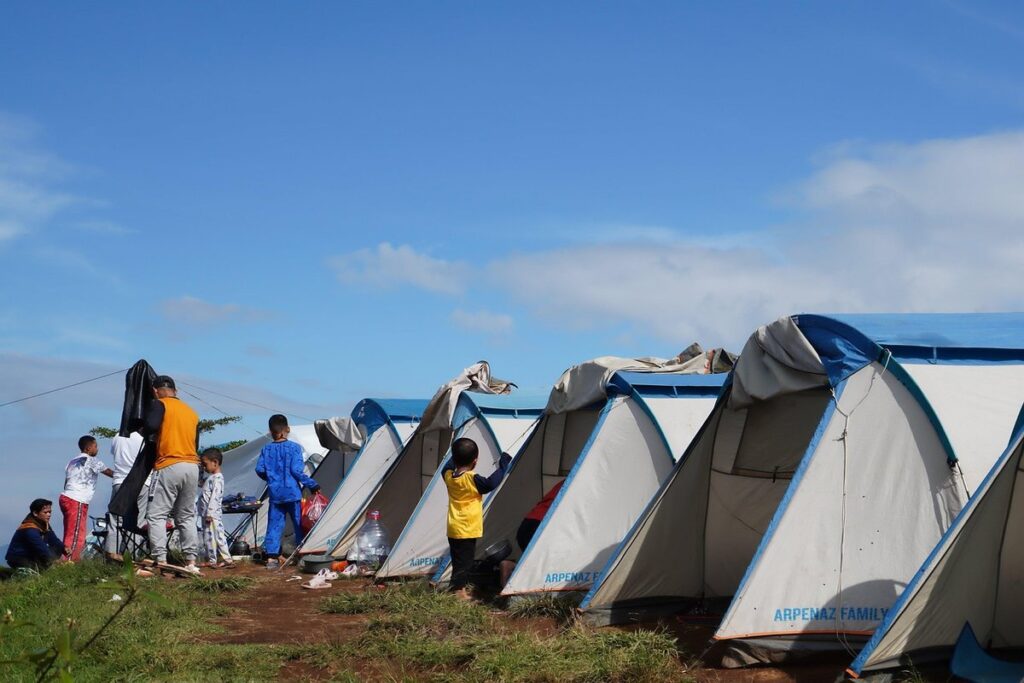
Essential Gear and Planning for Cooking in the Wild
To cook safely and effectively in the great outdoors, you’ll need the right gear and a solid plan. Pack these essentials to ensure a successful wild cooking experience.
Choosing the Right Cooking Equipment
When it comes to cooking in the wild, having the right equipment can make all the difference between a delicious meal and a disappointing one. Let’s face it: you don’t want to be stuck with a pot that’s too small for your group or a stove that runs out of fuel just when you need it most.
Before choosing your cooking gear, consider the type of trip you’re planning and the number of people you’ll be feeding. For short trips with a small group, a portable two-burner stove and a single pot might be sufficient. But if you’re heading out for an extended period or with a larger crew, invest in a more robust setup that can handle multiple pots and pans.
When selecting equipment, prioritize durability and ease of use. Look for lightweight options made from rust-resistant materials like stainless steel or titanium. Don’t skimp on fuel either – opt for high-quality cans that will burn efficiently and provide plenty of heat. As for utensils, choose multi-functional tools that can serve as both a spatula and a knife to save space in your pack.
Meal Planning and Shopping for Ingredients
Planning meals before a camping trip is essential to ensure you’re fueled for your adventure. It’s easy to get caught up in the excitement of being outdoors, but neglecting meal planning can lead to unhealthy and uninspiring food choices. To avoid this, take some time to think about what you’ll be doing during your trip and how much energy you’ll need.
Consider the climate and weather conditions you’ll be experiencing. If it’s going to be hot, opt for light and refreshing meals like salads or grilled fish. If it’s chilly, focus on hearty stews or chili recipes. Plan meals that can be prepared in advance to save time during your trip.
When shopping for ingredients, prioritize lightweight options that are high in nutrients but low in weight. Canned goods, dried fruits, and nuts are great choices. Avoid heavy items like fresh produce, which may not keep well in a camp setting. Some essential ingredients to pack include whole grains like rice or quinoa, lean proteins like beans or tofu, and healthy fats like olive oil.
When selecting ingredients, consider their shelf life and how they’ll hold up during transportation. Pack meals that can be easily reheated using your camping stove. Don’t forget to bring a cooler if you plan on cooking perishable items. With a little planning, you can enjoy delicious and nutritious meals even in the great outdoors.
Storing and Handling Food Safely While Camping
When you’re camping, it’s easy to get caught up in the excitement of being outdoors and forget about food safety. However, proper storage and handling of food are crucial to preventing foodborne illnesses. Start by storing perishable items like meat, dairy, and eggs in a cooler with ice packs. This will help keep them at a safe temperature below 40°F (4°C).
When it comes to raw meat, handle it separately from other foods to prevent cross-contamination. Use separate cutting boards, knives, and utensils for raw meat to avoid transferring bacteria to other foods. Always wash your hands thoroughly after handling raw meat, and make sure to clean any surfaces that come into contact with it.
Remember to pack food in airtight containers to keep insects and animals out. Store them in a sealed cooler or a bear-proof container if necessary. When preparing meals, use separate plates, utensils, and cutting boards for each dish to prevent cross-contamination. By following these simple tips, you can enjoy your camping trip without worrying about food safety.
Easy-to-Prepare Breakfast Recipes for Camping
Starting your camping day off right is easy with these simple and delicious breakfast recipes that can be prepared even when you’re miles from civilization. No fancy equipment needed!
Overnight Oats: A Simple and Delicious Option
When it comes to breakfast options while camping, overnight oats are an excellent choice. Not only are they simple to prepare, but they’re also packed with nutrients and can be customized to suit your taste preferences.
Oats are a great option for outdoor meals because they’re lightweight, easy to store, and require minimal cooking equipment. To make overnight oats, you’ll need rolled oats, milk or a non-dairy alternative, and your choice of flavorings such as nuts, seeds, or dried fruits. Simply combine the ingredients in a jar or container, refrigerate overnight, and enjoy in the morning.
One of the best things about overnight oats is their versatility. You can switch up the flavors to keep your breakfast routine interesting. Try adding cinnamon for a warm twist or nutmeg for an extra kick. Experiment with different types of milk or yogurt for varying textures. For example, using almond milk adds a subtle nutty flavor while coconut milk provides a creamy element.
For a camping-specific overnight oats recipe, you can try adding some protein-rich peanut butter or granola to keep you fueled throughout the day. With their convenience and customizability, overnight oats are an ideal breakfast option for your next camping adventure.
Campfire Pancakes with Fresh Fruit Syrup
Starting your day off right is crucial when camping, and what’s better than a warm stack of pancakes to fill you up for a busy day outdoors? Campfire pancakes with fresh fruit syrup are an easy and delicious way to satisfy your morning cravings. To make these tasty treats, start by mixing together 1 cup of all-purpose flour, 2 tablespoons of sugar, 2 teaspoons of baking powder, and a pinch of salt in a large bowl.
Next, add in 1 cup of milk, 1 large egg, and 2 tablespoons of melted butter, whisking until the batter is smooth. If you don’t have fresh fruit on hand, consider using alternative sweeteners like honey or maple syrup to add flavor to your pancakes. Once the batter is mixed, use a ladle to scoop it onto a preheated griddle or cast-iron skillet over the campfire.
Cook for 2-3 minutes or until bubbles appear on the surface and the edges start to dry, then flip and cook for an additional 1-2 minutes. Serve warm with your favorite fresh fruit syrup – try using berries, citrus, or apples to add natural sweetness to your pancakes.
One-Pot Wonders: Simple Lunch Recipes for Camping
When it comes to camping, quick and easy meals are a must, which is why we’re excited to share our top picks for one-pot wonders that’ll fuel your next adventure. These simple recipes come together in just minutes!
Chicken Fajita Pasta: A Hearty and Flavorful Option
When it comes to one-pot wonders, few dishes are as satisfying and flavorful as chicken fajita pasta. This hearty option is perfect for camping trips where you need a filling meal that’s easy to prepare and cook over an open flame.
To make this dish, start by selecting the right ingredients. You’ll want to choose boneless, skinless chicken breasts and slice them into thin strips. Use a combination of onions, bell peppers, and jalapenos for added flavor and texture. Don’t forget to add some fajita seasoning to give your pasta a boost of Mexican flair.
To cook this dish in one pot, sauté the chicken and vegetables in a large saucepan over medium-high heat until they’re browned and cooked through. Then, add your favorite pasta shape (such as penne or rotini) along with some diced tomatoes and chicken broth. Bring everything to a boil, then reduce the heat to low and let simmer for 10-12 minutes or until the pasta is al dente.
To take this dish to the next level, consider adding some shredded cheese, sour cream, or avocado slices on top. This will not only add flavor but also provide a creamy contrast to the spicy fajita seasoning.
Black Bean Chili with Crusty Bread: A Comforting Camp Meal
When it comes to camp meals, there’s nothing quite like a warm, comforting bowl of black bean chili to hit the spot. And the best part? It’s ridiculously easy to make using canned beans and store-bought broth. Simply sauté some onions, garlic, and bell peppers in a pot over medium heat until they’re tender, then add in two cups of canned black beans, one can of diced tomatoes, and four cups of chicken or vegetable broth.
Customize the flavors to your liking with a sprinkle of cumin, chili powder, or smoked paprika – just be mindful that adding too much spice might make the dish overpowering. Bring the mixture to a boil, then reduce the heat to low and let it simmer for 20-25 minutes, stirring occasionally.
Serve the chili over a slice (or two) of crusty bread for a filling meal that’s sure to satisfy even the hungriest camper. You can also add some shredded cheese, sour cream, or diced avocado on top for extra flavor and nutrition. This recipe is perfect for camping because it requires minimal prep work and can be cooked entirely in one pot – just what you need after a long day of exploring!
Grilled Delights: Easy Dinner Recipes for Camping
Camping doesn’t mean sacrificing flavor, and we’ve got some deliciously easy grilled recipes to prove it! From burgers to skewers, get ready to elevate your campsite cuisine.
Grilled Steak with Herbs and Lemon: A Show-Stopping Option
Grilling steak over an open flame is a surefire way to impress your fellow campers and satisfy your own cravings for a delicious meal. But where do you start? Selecting the right cut of meat is key – look for something with good marbling, like a ribeye or strip loin. These cuts will stay juicy even when cooked over high heat.
To prepare your steak for grilling, it’s essential to have a solid marinade game plan. Mix together olive oil, minced garlic, chopped fresh herbs (like thyme or rosemary), and a squeeze of lemon juice. Let the steak sit in this mixture for at least 30 minutes before throwing it on the grill.
When it comes to cooking your steak, don’t be afraid to get a little assertive with the heat. Aim for medium-high heat, and cook for 4-5 minutes per side for a perfectly charred crust and a tender interior. To check for doneness, use the finger test: press the thickest part of the meat with your thumb – it should feel soft and squishy if it’s cooked to perfection.
Campfire Skillet Meals: Sausage and Potatoes with Onions
When you’re camping, there’s nothing quite like gathering around the campfire to share a hearty meal with friends and family. One of our favorite campfire skillet meals is a simple yet satisfying combination of sausage, potatoes, and onions. This recipe is perfect for those who want to enjoy a filling dinner without too much fuss.
To start, you’ll need some basic ingredients: 1 pound of your preferred sausage (we like using classic pork or chorizo), 2-3 medium-sized potatoes, 1 large onion, and some salt and pepper to taste. For added flavor, consider tossing in some garlic powder or dried herbs like thyme or rosemary.
Cook the sausage over medium heat in a cast-iron skillet until browned on both sides. Remove it from the pan and set aside. Next, add sliced potatoes and onions to the skillet, cooking for about 10 minutes or until they’re tender and lightly browned. Finally, return the cooked sausage to the pan, stir to combine with the potato-onion mixture, and season with salt and pepper as needed.
If you want to mix things up, try swapping out the sausage for bacon or adding in some diced bell peppers or mushrooms. The beauty of this recipe is its flexibility – so don’t be afraid to get creative and make it your own!
Snacks and Desserts: Sweet Treats for Camping
When it comes to camping, sweet treats are just as important as savory meals. In this section, we’ll share our favorite simple snacks and desserts that are perfect for a fun-filled camping adventure.
No-Bake Energy Balls: A Healthy and Convenient Option
When it comes to satisfying your sweet tooth while camping, no-bake energy balls are an excellent option. These bite-sized treats are made with rolled oats, nut butter, and honey, making them a healthy and convenient snack for outdoor enthusiasts.
These energy balls are incredibly easy to make and require no cooking or baking. Simply mix together rolled oats, your preferred nut butter (peanut butter, almond butter, or cashew butter work well), and a drizzle of honey in a bowl until you have a sticky dough. Then, use your hands to shape the mixture into small balls, about 1-inch in diameter.
One of the best things about no-bake energy balls is their customizability. You can add different flavor combinations to create unique taste experiences. Try adding chopped nuts like walnuts or pecans for added crunch, or a sprinkle of cinnamon or cocoa powder for extra flavor. Experiment with different types of nut butter and honey to find your favorite combination.
These energy balls are perfect for camping because they’re lightweight, pack well, and don’t require refrigeration until after opening. They’re also a great option for kids and adults alike, as they’re easy to eat on-the-go. Simply place them in an airtight container or bag and enjoy whenever you need a sweet pick-me-up during your next camping adventure.
Campfire Banana Boats: A Delicious Dessert Option
Campfire Banana Boats are an amazing dessert option for camping trips. They’re easy to make and require minimal ingredients, making them perfect for a quick treat while enjoying the great outdoors.
To make Campfire Banana Boats, start by cutting a banana lengthwise and scoop out some of the insides to create a boat-like shape. Then, add a few marshmallows on one half of the banana, followed by a piece of chocolate. Place the other half of the banana on top to close it.
Customize your toppings with different types of chocolate or even peanut butter for added flavor. If you want to take your banana boats to the next level, try using a kitchen torch to toast the marshmallows instead of cooking them over the campfire. This will give them a nice golden brown color and a gooey texture.
The best part about Campfire Banana Boats is that they can be made right over the campfire, eliminating the need for a stove or oven. Simply place your banana boats on a stick or skewer and hold them over the flames until the chocolate is melted and the marshmallows are toasted to perfection.
Water Purification and Food Safety Tips for Camping
When it comes to camping, access to clean drinking water is just as crucial as a delicious meal. Here’s how to ensure both in our next section.
Understanding the Importance of Safe Drinking Water
When venturing into the great outdoors, it’s easy to overlook one of the most essential aspects of camping: access to safe drinking water. However, contaminated water can quickly ruin an otherwise enjoyable trip. According to the Centers for Disease Control and Prevention (CDC), approximately 1 in 9 people worldwide lack access to clean drinking water.
To mitigate this risk, familiarize yourself with basic water purification methods. Boiling is one of the simplest and most effective ways to kill bacteria, viruses, and other pathogens that can cause illness. Bring a portable stove or build a campfire to heat water to at least 160°F (71°C) for 1-3 minutes. Another option is using a water filter, which removes particulate matter, sediment, and bacteria. Popular options include ceramic filters like the Sawyer Mini or LifeStraw.
When searching for safe drinking water sources, look for areas with minimal human impact, such as rivers or streams far from agricultural runoff or sewage. Avoid standing water that may contain mosquito larvae, which can spread diseases like malaria and Zika virus. Always assess the color, clarity, and odor of the water before consumption – if it looks or smells off, it’s best to err on the side of caution and purify the water further.
Storing Food at the Right Temperature: A Guide for Camping
When you’re camping, it’s easy to get caught up in the excitement of being outdoors and forget about one of the most crucial aspects of food safety: storing food at the right temperature. Proper food storage is essential to prevent spoilage, contamination, and foodborne illnesses.
First, make sure you have a good quality cooler with ice packs that can keep your perishable items chilled for at least 24 hours. Pack raw meat, poultry, and seafood in sealed containers or zip-top bags on the bottom of the cooler to prevent cross-contamination with other foods. Keep cooked and ready-to-eat foods on the top shelf, away from direct sunlight.
Remember to store food in a shaded area if you don’t have access to a cooler. Bring reusable containers or insulated bags with ice packs to keep items cool for several hours. Also, be sure to clean your hands regularly while handling food and keep raw meat, poultry, and seafood separate from ready-to-eat foods to prevent cross-contamination.
When storing leftovers, make sure they are cooled down to room temperature within two hours of cooking, then refrigerate or freeze them promptly. This will help prevent bacterial growth and reduce the risk of foodborne illnesses. By following these simple tips, you can enjoy your camping meals while maintaining a safe and healthy environment.
Frequently Asked Questions
Can I still cook a delicious meal if it’s raining or cold outside?
Yes, you can! While the atmosphere may change, the recipes shared in this article remain applicable regardless of weather conditions. Simply ensure your gear is protected from the elements and use the techniques mentioned to keep your food fresh and safe.
How do I store my camping stove and cooking equipment when not in use?
When not using your camping stove and cooking equipment, it’s essential to store them properly to prevent damage and maintain their lifespan. Clean and dry your equipment after each use, then store them in airtight containers or ziplock bags to protect against moisture and dust.
What if I forget to pack a critical ingredient for one of the recipes?
No need to stress! This article focuses on simple camping recipes that can be adapted with ingredients you have available. If you forget an ingredient, try substituting it with something similar or omitting it altogether – the dishes will still turn out delicious and satisfying.
Can I cook for a large group using these simple recipes?
Yes, many of the recipes shared in this article can be easily scaled up to feed larger groups. Simply multiply the ingredients as needed, and adjust cooking times accordingly. Keep in mind that you may need to bring additional gear or equipment to accommodate your group’s needs.
How do I ensure food safety when storing leftovers while camping?
When storing leftovers, it’s crucial to follow proper food safety guidelines. Use insulated containers with lids to keep perishable foods at a safe temperature (below 40°F). Label and date the containers so you can easily track how long they’ve been stored.