
The great outdoors: where adventure meets delicious food. When you’re camping, cooking over an open flame can be a challenge, but it also offers endless possibilities for culinary creativity. You don’t have to sacrifice taste for convenience; with the right campfire recipes and tips, you can elevate your outdoor dining experience and enjoy mouth-watering meals even in the wilderness. Whether you’re a seasoned camper or just starting out, this article is here to help. We’ll share some classic grilled meats, hearty stews, and other delectable dishes that are perfect for cooking over a campfire. From prep to presentation, we’ve got you covered with expert advice on how to cook like a pro in the great outdoors.
Introduction to Campfire Cooking
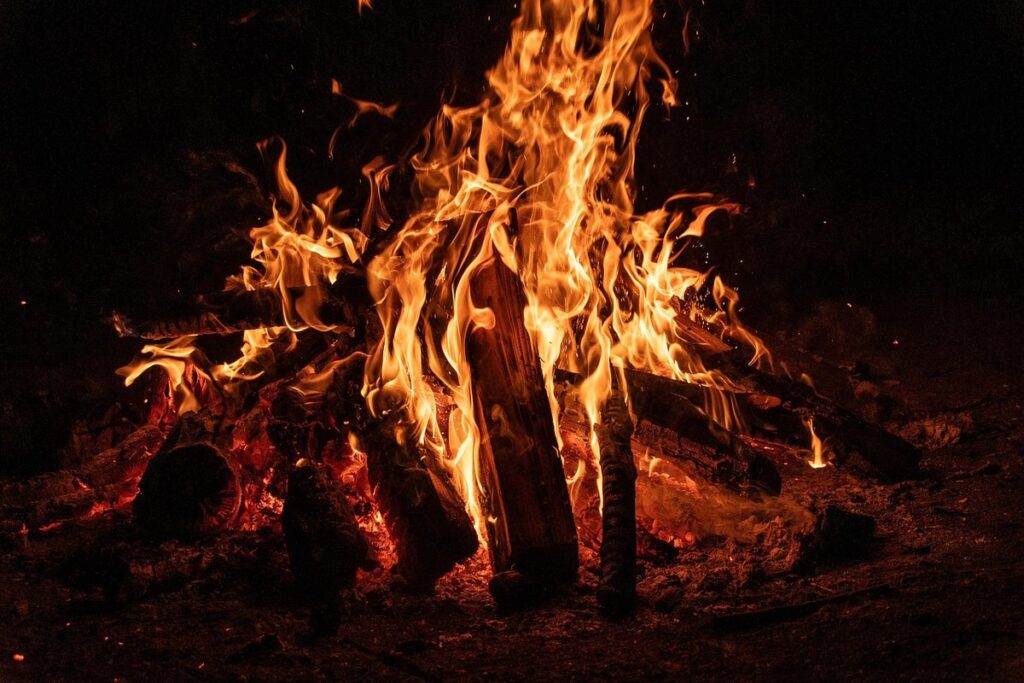
Welcome to campfire cooking, where rustic simplicity meets delicious flavor! In this essential introduction, we’ll cover the basics of preparing and cooking meals over an open flame.
Benefits of Cooking Over a Campfire
Cooking over a campfire is an experience that transcends just preparing a meal – it’s about connecting with nature and enjoying a unique culinary adventure. When you cook outdoors, you’re not limited by the confines of a kitchen or traditional cooking methods. The open flame allows for a level of creativity and experimentation that can’t be replicated indoors.
As you gather around the campfire, the anticipation builds, and the aroma of sizzling food fills the air. Cooking over an open flame brings people together, fostering a sense of community and shared experience. You’re not just cooking for yourself; you’re part of a collective effort to prepare a meal that’s often more memorable than one cooked in a traditional kitchen.
The campfire environment also allows you to appreciate the simplicity of food preparation, relying on basic ingredients and techniques that can produce surprisingly complex flavors. With a little practice and patience, you’ll discover the joy of cooking over an open flame – a skill that will make your outdoor adventures even more enjoyable and satisfying.
Essential Gear for Campfire Cooking
When it comes to campfire cooking, having the right gear is essential. You’ll want to start with a reliable portable stove that can be used for both boiling and simmering water. Look for one that’s compact, lightweight, and easy to assemble.
Next up are your cookware options. Cast iron pots and pans are great for campfire cooking as they retain heat well and can be seasoned for non-stick performance. However, if you’re short on space or prefer a lighter option, consider bringing along some aluminum or stainless steel cookware.
Don’t forget the utensils! A set of durable camping utensils will make meal prep and serving a breeze. Bring along tongs, spatulas, and spoons that can withstand high temperatures.
Finally, no campfire cooking setup is complete without a fuel source. You’ll need to choose between charcoal, wood chips, or liquid fuel for your portable stove. Consider the type of dishes you plan to cook when selecting your fuel – for example, if you’re making stir-fries, wood chips might be the way to go.
Classic Campfire Recipes
Gather ’round the campfire and get ready for some timeless favorites, as we share classic recipes that will become staples of your outdoor cooking adventures. From hearty stews to sweet treats, these dishes never go out of style.
Grilled Meats: Steak, Sausages, and Burgers
When it comes to grilling over a campfire, steak, sausages, and burgers are classics for a reason. Not only do they pack a punch of flavor, but they’re also surprisingly easy to prepare.
To start, you’ll want to make sure your grill is preheated before throwing on any meat. This can be as simple as piling on some larger logs or using a charcoal grill starter to get the coals burning. While that’s heating up, take some time to marinate your steak or season those sausages with a pinch of salt and pepper.
For steak, consider tossing it in a mixture of olive oil, garlic powder, and lemon juice for an hour or two before grilling. As for sausages, go for a simple combo of paprika, brown sugar, and chili powder to add some depth without overpowering the natural flavor.
When it’s time to throw on those burgers, make sure they’re at room temperature and don’t press down on them while they’re cooking – this can squeeze out all that delicious juice. Instead, let them cook for a few minutes before flipping, then serve up with your favorite toppings.
Skillet Meals: Scrambled Eggs, Pancakes, and Hash Browns
When it comes to skillet meals, there’s no better combination than scrambled eggs, pancakes, and hash browns. This classic trio is a staple for many campers, and for good reason – it’s easy to prepare, packed with flavor, and can be cooked using a cast-iron skillet over an open flame.
To start, crack 2-3 eggs per person into a bowl and whisk them together with a pinch of salt and pepper. Next, heat your cast-iron skillet over medium-high heat, adding a small amount of oil to prevent sticking. Once the oil is hot, pour in the egg mixture and scramble until they’re cooked through.
While your eggs are cooking, mix up a batch of pancake batter using a recipe or make-your-own combination. When your eggs are almost done, ladle about 1/4 cup of batter onto the skillet and cook until bubbles appear on the surface – flip and cook for an additional minute. Repeat this process until all the batter is gone.
Hash browns are just as simple to make: grate some potatoes (about 1-2 per person), squeeze out excess moisture, and add a pinch of salt and pepper. Heat a small amount of oil in your skillet over medium heat, then add the grated potatoes in an even layer. Cook for about 5 minutes on each side or until they’re golden brown.
This skillet meal is not only delicious but also incredibly versatile – feel free to customize with any toppings you like!
Campfire Skewers: Vegetarian and Meat Options
When it comes to campfire cooking, skewers are a classic and easy option that’s perfect for a group. You can prepare both vegetarian and meat options, making them suitable for all kinds of gatherings. To get started, you’ll need some bamboo or metal skewers, which can be found at most outdoor supply stores.
For marinades, try using olive oil mixed with lemon juice, minced garlic, and your choice of herbs like thyme or rosemary. For a vegetarian option, thread cherry tomatoes, mushrooms, bell peppers, onions, and zucchini onto the skewer. If you prefer meat options, use chicken, beef, pork, or lamb, alternating with vegetables to ensure even cooking.
Cooking times will vary depending on the type of meat and vegetables used, but as a general rule, aim for 10-15 minutes over medium-high heat. Rotate the skewers halfway through to prevent burning. Remember to always wash your hands before handling food, especially when working with raw meat or poultry. With these simple steps, you’ll be enjoying delicious campfire skewers in no time.
One-Pot Wonders: Hearty Stews and Soups
As you gather ’round the campfire, nothing warms the soul quite like a hearty stew or soup cooked in one pot. Let’s dive into our favorite recipes for comforting one-pot wonders!
Beef Stew with Potatoes and Carrots
This classic beef stew recipe is perfect for a camping trip. It’s hearty, comforting, and can be easily cooked in a large Dutch oven over an open flame. To start, brown 1-2 pounds of beef cubes in the pot with some oil until they’re nicely seared on all sides. Remove the meat from the pot and set it aside.
Next, add 2-3 medium-sized potatoes, peeled and cubed, and 4-5 medium-sized carrots, peeled and sliced, to the pot. Cook them for about 10 minutes or until they start to soften. Now add 1 onion, diced, 3 cloves of garlic, minced, and a cup of beef broth to the pot. Stir everything together and bring it to a boil.
Return the browned beef to the pot, cover it with a lid, and reduce the heat to low-medium. Let it simmer for about 45-60 minutes or until the meat is tender and the vegetables are cooked through. Every 20 minutes or so, stir the stew and adjust the heat as needed to maintain a steady simmer.
Keep an eye on the temperature of your campfire and make sure the Dutch oven isn’t too close to the flames. Aim for a medium-low heat, around 300°F (150°C), to ensure the stew cooks evenly. You can also use coals or embers to regulate the heat. Once cooked, serve hot and enjoy!
Chili Con Carne: A Classic Campfire Recipe
When it comes to campfire recipes that are sure to satisfy even the heartiest of appetites, chili con carne is a classic choice. This one-pot wonder is easy to prepare and can be cooked over an open flame with minimal fuss.
To make a delicious batch of chili con carne, you’ll need some basic ingredients including ground beef, canned beans (such as kidney or black beans), diced tomatoes, onion, garlic, and a blend of spices. Brown the ground beef in a large cast-iron pot over medium-high heat, breaking it up into small pieces as it cooks.
Once the meat is browned, add the chopped onion and minced garlic to the pot and cook until they’re softened. Then, stir in the canned beans, diced tomatoes, chili powder, cumin, and paprika. Bring the mixture to a simmer and let cook for at least 30 minutes to allow the flavors to meld.
One of the best things about this recipe is its flexibility – you can adjust the spice levels to taste by adding more or less chili powder or cayenne pepper. If you like a milder flavor, start with a small amount of chili powder and add more to taste. Conversely, if you prefer a spicier chili, add more cayenne pepper towards the end of cooking time.
Breakfast Favorites: Pancakes, Waffles, and Eggs
Start your day off right with some campfire classics! We’ll show you how to whip up mouth-watering pancakes, waffles, and eggs over an open flame.
Fluffy Pancakes with Fresh Berries and Maple Syrup
When you’re craving something sweet and comforting over the campsite, whipping up a batch of fluffy pancakes is just what the doctor ordered. The good news is that making pancakes over a campfire isn’t much different from doing it at home, but with some simple tricks, you can achieve an extra-light and fluffy result.
First, preheat your cast-iron skillet or griddle over medium heat by placing it on top of the campfire coals for about 10 minutes. While that’s heating up, mix together a batch of pancake batter using a combination of all-purpose flour, sugar, eggs, milk, and melted butter. Don’t forget to add in some salt to balance out the flavors!
When you’re ready to cook your pancakes, use a ladle to scoop 1/4 cupfuls of batter onto the preheated griddle or skillet. Cook for about 2-3 minutes on each side, until bubbles appear on the surface and the edges start to dry.
Once cooked, top with fresh berries such as strawberries, blueberries, or raspberries, and drizzle with pure maple syrup for an indulgent treat that’s sure to satisfy your sweet tooth. If you’re feeling extra fancy, try adding a dollop of whipped cream or a sprinkle of powdered sugar on top. The possibilities are endless!
Campfire Scrambled Eggs with Smoked Salmon and Spinach
When it comes to campfire breakfast recipes, few dishes are as satisfying as scrambled eggs cooked to perfection in a cast-iron skillet. To elevate this classic dish, we recommend adding smoked salmon and spinach for an added burst of flavor.
To make Campfire Scrambled Eggs with Smoked Salmon and Spinach, start by cracking 2-3 large eggs into a bowl and whisking them together with a fork. Season with salt and pepper to taste. Next, heat up your cast-iron skillet over the campfire coals, adding a small amount of oil or butter to prevent sticking.
Once hot, pour in the egg mixture and let it cook for 2-3 minutes before stirring gently with a spatula. Continue cooking until the eggs are just set, then remove from heat. Flaked smoked salmon adds a rich, savory flavor that pairs perfectly with the creamy eggs. Simply top with diced spinach for added nutrition and freshness.
This recipe makes a great breakfast or brunch option for campers looking to fuel up for a day on the trails. Plus, it’s incredibly easy to prepare – just be sure to use a thermometer to ensure your skillet is at the right temperature!
Desserts to Savor: Campfire Treats
S’mores are just the beginning! Let’s move on to some truly decadent campfire desserts that will satisfy your sweet tooth while still being easy to make over an open flame.
S’mores: A Classic Campfire Delight
Making s’mores over a campfire is a timeless delight that evokes memories of childhood summers and cozy gatherings with friends. But there’s more to this classic treat than just throwing marshmallows on a stick – it’s an art form that requires finesse and creativity.
To start, you’ll need some basic supplies: skewers or roasting sticks, marshmallows, chocolate bars, and graham crackers. For the perfect s’more, aim for a golden-brown marshmallow, toasted to perfection over the campfire’s flames. Hold the marshmallow at an angle, allowing it to rotate slowly as it cooks. This technique helps prevent burning and achieves a fluffy interior.
Now, let’s get creative! Try using different types of chocolate, like dark or white chocolate for a unique twist. Add some crushed nuts, sprinkles, or even cinnamon for added flavor and texture. For a gourmet s’more, pair rich, velvety chocolate with fresh berries or caramel sauce. Experiment with various combinations to find your new favorite campfire treat!
Dutch Oven Cobbler with Fresh Fruit and Ice Cream
There’s nothing like a warm and comforting dessert after a day spent around the campfire. Our Dutch Oven Cobbler with Fresh Fruit and Ice Cream is the perfect treat to satisfy your sweet tooth while camping. This recipe is incredibly easy to make, requiring just a few simple ingredients and some prep time before cooking.
To start, preheat your coals by raking them into a tight circle. While they’re heating up, mix together 1 cup of fresh berries (strawberries, blueberries, or raspberries work well), 2 tablespoons of granulated sugar, and 2 tablespoons of cornstarch in the bottom of a greased Dutch oven. Arrange 1 cup of sliced peaches or nectarines on top.
Mix together 1 cup of biscuit mix, 1/4 cup of granulated sugar, and 1/2 cup of cold butter until crumbly. Spoon this mixture evenly over the fruit. Cover the pot with a lid and place it in the coals for about 30 minutes or until the topping is golden brown.
To serve, scoop out a generous portion of cobbler and top it with a dollop of your favorite ice cream. The combination of warm cobbler, sweet fresh berries, and cold creamy ice cream is absolute heaven.
Safety Precautions and Tips for Campfire Cooking
Before diving into those mouth-watering recipes, let’s cover some essential safety tips to ensure a stress-free campfire cooking experience. Follow these guidelines to avoid any mishaps while cooking over an open flame.
Fire Safety and Precautions
When cooking over an open flame, fire safety should always be your top priority. A campfire can quickly get out of control if not monitored properly, putting you and those around you at risk. To build a safe campfire, start by choosing a flat, dry spot away from flammable materials like leaves or branches.
Keep a bucket of water or a fire extinguisher nearby in case the flames get too high or spread beyond the designated area. Build your fire in a shallow pit to contain it and prevent sparks from flying up into trees. Make sure the fire is at least 10 feet away from any overhanging branches or leaves that could catch fire.
When maintaining the campfire, keep an eye on wind direction – if it’s blowing towards flammable materials, adjust the position of your fire pit accordingly. Never leave a campfire unattended and make sure to fully extinguish it before leaving for the night using the “drown, stir, repeat” method: drown the flames with water, stir the ashes to ensure everything is extinguished, and repeat until the fire is completely out.
Kitchen Hygiene and Food Handling
When cooking over a campfire, maintaining good kitchen hygiene is crucial to prevent cross-contamination and foodborne illnesses. Before starting to prepare your meal, make sure to wash your hands thoroughly with soap and water for at least 20 seconds. This simple step can help eliminate bacteria like E. coli and Salmonella from your skin.
It’s also essential to keep your utensils clean. Bring a set of lightweight, dishwashing soap and a sponge or paper towels to wipe down surfaces and utensils after use. Don’t forget to wash your hands again before handling raw ingredients or cooked food. Cleanliness is especially important when preparing meat, poultry, and seafood, as they are more prone to contamination.
Use separate cutting boards for raw meats and produce to prevent cross-contamination. Designate a clean area for storing utensils and equipment away from raw ingredients. Don’t overcrowd your cooking surface – cook in batches if necessary.
Frequently Asked Questions
What are some essential ingredients to stock up on for campfire cooking?
Don’t forget the basics! When it comes to campfire cooking, it’s best to stick with non-perishable items that can withstand the great outdoors. Stock up on canned goods like beans, tomatoes, and tuna. Also, consider packing spices, oils, and condiments to add flavor to your meals. Fresh ingredients like fruits, vegetables, and meats can be added once you reach your campsite.
Can I cook for a large group over a campfire?
Absolutely! Cooking for a crowd is definitely possible when camping. Consider investing in a larger Dutch oven or even a portable grill. You can also prep meals ahead of time to make the cooking process more efficient. Just remember to follow fire safety guidelines and keep a safe distance from flammable materials.
How do I keep my food warm during campfire cooking?
Keeping food warm is crucial when camping, especially for larger groups. Use insulated containers or thermoses to store hot dishes like stews or soups. You can also consider investing in a portable warming tray or a camping stove with a built-in warmer. These will help maintain the perfect temperature for your meals.
Can I cook over a campfire if it’s raining outside?
Cooking over a campfire in the rain might be challenging, but not impossible! Consider using a waterproof cover to shield your cooking area from the elements. You can also opt for indoor camping stoves or portable grills that are designed specifically for rainy conditions.
What’s the best way to store leftovers during campfire cooking?
Proper food storage is crucial when camping to prevent spoilage and contamination. Use airtight containers or zip-top bags to store leftovers in your cooler or insulated bag. Be sure to label each container with its contents and date to avoid confusion later on.