
Are you tired of watching your child struggle with anxiety? Do you wish there was a simple, effective way to help them manage their emotions and stay focused? You’re not alone. Anxiety is on the rise in kids today, and it’s affecting their self-esteem, relationships, and even academic performance. But what if I told you that calm breathing techniques can be a game-changer for your anxious child? Backed by science and proven to reduce stress and improve focus, these simple yet powerful techniques are exactly what your child needs to learn. In this article, we’ll explore the amazing benefits of calm breathing for kids with anxiety, provide step-by-step instructions on how to teach them, and share practical tips on how to incorporate these techniques into your daily routine.
Understanding Anxiety in Children
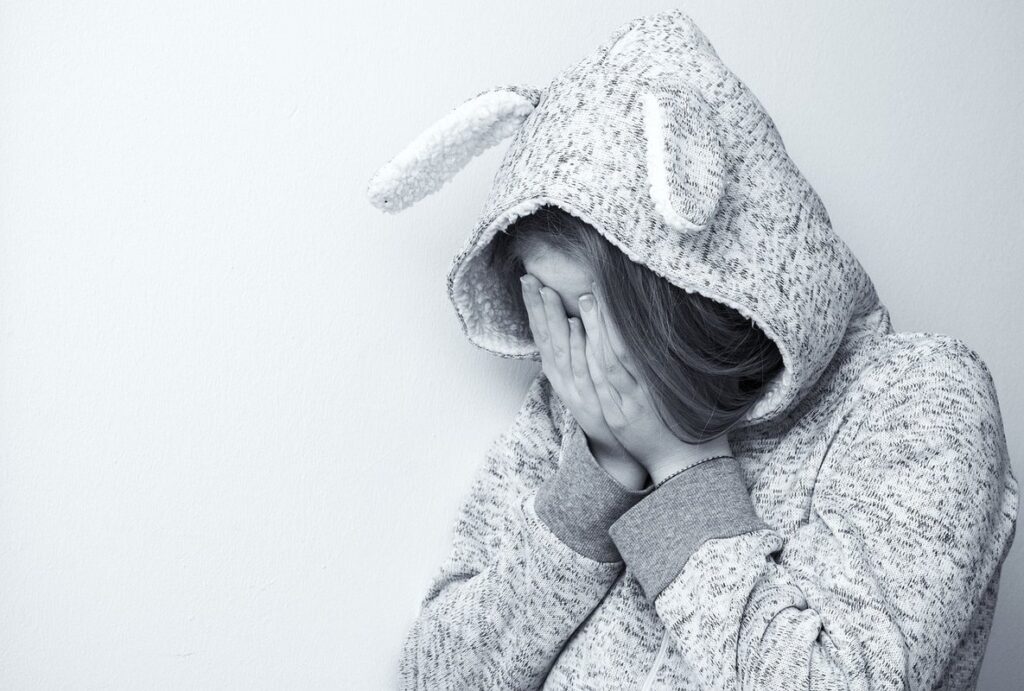
Understanding anxiety in children can be a challenging experience for both kids and parents, but knowing its causes is key to providing effective support. Knowing what triggers anxiety in your child will help you address it more effectively.
The Impact of Anxiety on Child Development
Anxiety can have far-reaching consequences on a child’s life, affecting their physical, emotional, and social development in significant ways. When children experience anxiety, they may exhibit physical symptoms such as headaches, stomachaches, or difficulty sleeping. They might also become irritable, restless, or withdrawn, making it challenging for them to interact with others.
Emotionally, anxious children may struggle with mood swings, feel overwhelmed by minor issues, and have difficulty concentrating in school. They might also develop a negative self-image and low self-esteem due to their anxiety levels. Socially, they could face challenges forming friendships or participating in group activities due to feelings of inadequacy or fear of rejection.
As a parent, it’s essential to be aware of these signs and seek professional help if you notice any of them persisting over time. Meanwhile, incorporating calm breathing techniques into your child’s daily routine can help mitigate anxiety’s impact on their development. For instance, practicing deep breathing exercises with your child before bed can promote better sleep quality and overall well-being.
Recognizing the Warning Signs of Anxiety in Kids
As a parent, it’s essential to recognize the warning signs of anxiety in kids. Anxiety can manifest differently in children than adults, so being aware of these symptoms is crucial for early intervention and support.
Changes in behavior are often the first sign of anxiety in children. This might include acting out in class, being withdrawn from social activities, or becoming easily frustrated with everyday tasks. For instance, a child who was once eager to participate in sports may suddenly refuse to play, citing excuses like “I’m not feeling well” or “I don’t want to.”
Mood swings are another common symptom of anxiety in kids. You might notice that your usually cheerful child becomes irritable and short-tempered for no apparent reason. Physical complaints, such as headaches, stomachaches, or fatigue, can also be a sign of underlying anxiety.
Look out for these anxious behaviors:
• Refusal to participate in activities they once enjoyed
• Increased clinginess or separation anxiety
• Difficulty sleeping or insomnia
• Loss of interest in hobbies or favorite foods
If you suspect that your child is struggling with anxiety, don’t hesitate to reach out to their pediatrician or a mental health professional for guidance and support.
The Benefits of Calm Breathing for Children
Teaching calm breathing techniques can have a profoundly positive impact on your child’s emotional well-being, and understanding these benefits is key to implementing effective strategies. By learning about the advantages of calm breathing for kids, you’ll be better equipped to help them manage anxiety.
How Calm Breathing Affects the Brain and Body
When we take slow, deep breaths, it can have a profound impact on our nervous system, heart rate, and brain activity. This is just as true for children as it is for adults. When kids are anxious or stressed, their body’s “fight or flight” response is triggered, causing their heart to beat faster and their brain to go into overdrive.
But with calm breathing techniques, we can help calm this response down. As they breathe in deeply through the nose and out slowly through the mouth, children begin to relax and their nervous system starts to unwind. Their heart rate slows down, and their brain waves shift from beta (active) to alpha (relaxed).
This is where things get really interesting. Research has shown that calm breathing can actually alter the structure of the brain itself. Specifically, it can increase the production of GABA, a neurotransmitter that helps regulate calmness and reduce anxiety. By teaching our kids how to breathe calmly, we’re giving them a powerful tool to manage their emotions and stay calm under pressure. And with regular practice, they’ll begin to feel more centered and in control – exactly what they need when feeling anxious or overwhelmed.
Teaching Kids to Use Deep Breathing Techniques
Teaching kids to use deep breathing techniques can be an incredibly empowering tool for managing anxiety. To start, let’s explore two essential types of calm breathing: diaphragmatic breathing and box breathing.
Diaphragmatic breathing, also known as belly breathing, is a great technique to begin with. To teach your child this method, find a quiet spot together where they feel comfortable and relaxed. Have them sit up straight with their back against a chair or pillow for support. Now, place one hand on their belly just above the navel, and the other on their chest. Inhale slowly through their nose, allowing their belly to rise as their diaphragm descends. Exhale slowly through their mouth, watching as their belly falls.
Box breathing is another simple yet effective technique that can help kids calm down quickly. To introduce this method, have your child inhale for a count of four, filling their lungs completely. Then, hold their breath for a count of four. Next, exhale for a count of four, emptying their lungs fully. Finally, hold their breath again for a count of four before repeating the cycle.
Calm Breathing Exercises for Anxious Children
Help your anxious child learn to calm their body and mind with these simple yet effective breathing exercises, perfect for kids of all ages. Let’s explore some fun ways to breathe freely together.
Simple Breathing Exercises for Younger Children
For preschoolers and kindergarten-age children, it’s essential to introduce calm breathing exercises that are both engaging and easy to follow. These little ones need activities that stimulate their creativity while teaching them valuable relaxation techniques.
You can start by using fun props like bubbles or balloons to teach them how to breathe deeply. For example, have your child blow bubbles into the air and then gently pop them with a straw, encouraging them to inhale slowly as they do this. As they blow out the “bubble” (actually just letting go of their breath), talk about exhaling stress and worries.
Another simple exercise is called “balloon breathing.” Have your child sit comfortably and imagine they have a balloon inside their tummy. Encourage them to breathe in deeply through their nose, imagining the balloon inflating with air. Then, ask them to hold it for a few seconds before slowly blowing it out through pursed lips.
Remember, the goal is not only to teach calm breathing but also to make it enjoyable and interactive for your child. By doing so, you’ll be laying the groundwork for more advanced relaxation techniques as they grow older.
Breathing Techniques for Older Kids: A Step-by-Step Guide
As your child grows older, they’ll likely need more advanced breathing techniques to manage anxiety. Around 8-12 years old is a great time to introduce guided imagery and progressive muscle relaxation. These techniques can be adapted from simple deep breathing exercises.
Guided Imagery: Imagine a peaceful scene together with your child. Describe a serene beach or a quiet forest, focusing on sensory details like the sound of waves or birds chirping. Encourage your child to visualize themselves in this setting, letting go of worries and tension. You can even record yourself reading a guided imagery script for them to follow.
Progressive Muscle Relaxation: Have your child lie down comfortably and tense specific muscle groups (toes, arms, shoulders) for 5-10 seconds before releasing the tension. This helps release physical strain associated with anxiety. Start with smaller muscles and work your way up, taking deep breaths in between.
Making Calm Breathing a Habit
Now that you’ve learned some effective calm breathing techniques, let’s explore how to make these practices a consistent part of your child’s daily routine.
Creating a Bedtime Routine that Includes Calm Breathing
Establishing a calming pre-sleep routine is crucial for anxious kids to unwind and prepare their minds and bodies for rest. A consistent bedtime routine signals to your child that it’s time to wind down and relax, making it easier for them to fall asleep and stay asleep throughout the night.
Incorporate calm breathing exercises into this routine, such as “Box Breathing” or “4-7-8 Breathing.” These techniques help slow down your child’s heart rate, lower their blood pressure, and calm their nervous system. For example, you can guide your child to inhale for a count of 4, hold their breath for a count of 7, and exhale for a count of 8.
To get started, choose a quiet, comfortable spot in your home where your child can relax before bed. Dim the lights, reduce any background noise, and encourage your child to take slow, deep breaths together. Make this time special by reading a calming book or listening to soothing music. By making calm breathing a part of their bedtime routine, your anxious child will learn to associate these exercises with relaxation and better sleep.
Encouraging Kids to Practice Deep Breathing Throughout the Day
As you help your child develop calm breathing habits, it’s essential to encourage them to practice deep breathing throughout their daily activities. This can be as simple as incorporating breathwork into their homework time. For instance, when they’re feeling stressed or overwhelmed while studying, suggest that they take a few minutes to breathe deeply in through their nose and out through their mouth.
You can also encourage your child to practice calm breathing during transitions, such as between classes at school or during breaks. Remind them to notice how their body feels before and after taking a few deep breaths. This can help them become more aware of their physical sensations and learn to regulate their emotions.
Make it fun by turning breathwork into a game or a challenge! Encourage your child to take slow, deliberate breaths while they’re engaged in an activity, like drawing or building with blocks. As they get the hang of it, you can gradually increase the duration of their breathing exercises.
Overcoming Obstacles: Addressing Challenges and Frustrations
As a parent, you’ll inevitably face challenges and frustrations when teaching your anxious child calm breathing techniques. Here’s how to overcome these obstacles and stay patient and supportive.
Managing Stress and Frustration while Teaching Calm Breathing
As you embark on teaching your child calm breathing techniques, it’s common to encounter challenges that can be frustrating and demotivating. One of the most significant hurdles is resistance from your child. They might initially refuse to sit still or claim they’re not feeling anxious, making it difficult for them to grasp the concept.
To overcome this resistance, try explaining the benefits of calm breathing in a way your child can understand. Explain that it’s not about sitting quietly all the time but rather learning how to manage their emotions and calm down when needed. Be patient and offer positive reinforcement for small successes.
Another common challenge is maintaining focus during exercises. To minimize distractions, choose a quiet spot with minimal interruptions and encourage your child to set aside dedicated time for practice. You can also make it more engaging by incorporating fun activities like drawing or storytelling after the breathing exercise.
Frustration can be a major obstacle when teaching calm breathing techniques. If you find yourself getting frustrated with your child’s lack of progress, take a deep breath (or two) and remember that it’s okay to make mistakes.
Encouraging Kids to Persist in Practicing Calm Breathing
When working with anxious kids, it’s common for them to lose interest in practicing calm breathing when they don’t feel like it. This can be frustrating for parents who have invested time and effort into teaching their child this valuable skill.
To overcome this challenge, it’s essential to encourage your child to continue practicing calm breathing even on days when they don’t feel like it. One way to do this is by making calm breathing a family affair. Model the behavior yourself and practice with your child regularly. This will not only show them that calm breathing is important but also make it more enjoyable for them.
Another strategy is to mix things up and try different calm breathing exercises together. You can find plenty of free resources online, or create your own games using deep breathing. For example, you could take 5-7 breaths in through the nose and out through the mouth while counting to a specific number.
Frequently Asked Questions
What if my child has trouble focusing on the breathing exercises?
Encourage your child to start with short sessions (2-3 minutes) and gradually increase the duration as they become more comfortable with the technique. You can also try practicing together, taking turns leading each other in calm breathing exercises.
How can I make calm breathing a consistent habit for my child?
Create a daily routine that incorporates calm breathing, such as right before bed or during homework breaks. Use a visual reminder like a sticky note or a mobile app to help your child remember to practice deep breathing throughout the day.
Can calm breathing techniques be used in situations of high anxiety, such as during a storm or on a plane?
Yes. Calm breathing can be especially helpful in situations that trigger high levels of anxiety. By teaching your child to focus on their breath and relax their body, you can help them develop greater resilience and ability to cope with stressors.
How do I know if my child is actually benefiting from calm breathing exercises?
Monitor for changes in behavior, such as improved mood, reduced irritability, or increased confidence. You can also ask your child to share their thoughts and feelings about practicing calm breathing, which can help you gauge their level of engagement and understanding.
Are there any specific situations where I should modify the calm breathing techniques to suit my child’s needs?
Yes. If your child has a physical disability that affects their ability to breathe deeply or move their body in certain ways, consider adapting the exercises to be more accessible. For example, you can try using visualizations or guided imagery instead of physical movement.