
The dreaded head lice infestation – every parent’s worst nightmare. If you’re reading this, chances are you or your child has fallen victim to these pesky parasites. Don’t worry, we’ve all been there at some point. Treating head lice can be a daunting task, especially with the various options available. From over-the-counter (OTC) medications to prescription treatments and natural remedies, it’s easy to get overwhelmed by the choices. But fear not! Our comprehensive parent guide is here to help you navigate the world of head lice treatment like a pro. We’ll cover everything from OTC treatments like permethrin and pyrethrin to homeopathic cures and prevention tips to keep your family lice-free for good. In this article, we’ll break down the best ways to treat head lice and share expert advice on how to prevent future infestations.
Understanding Head Lice: Facts and Myths
Let’s set the record straight on what we really know (and don’t know) about head lice, from common misconceptions to surprising facts that might just change everything.
What are Head Lice?
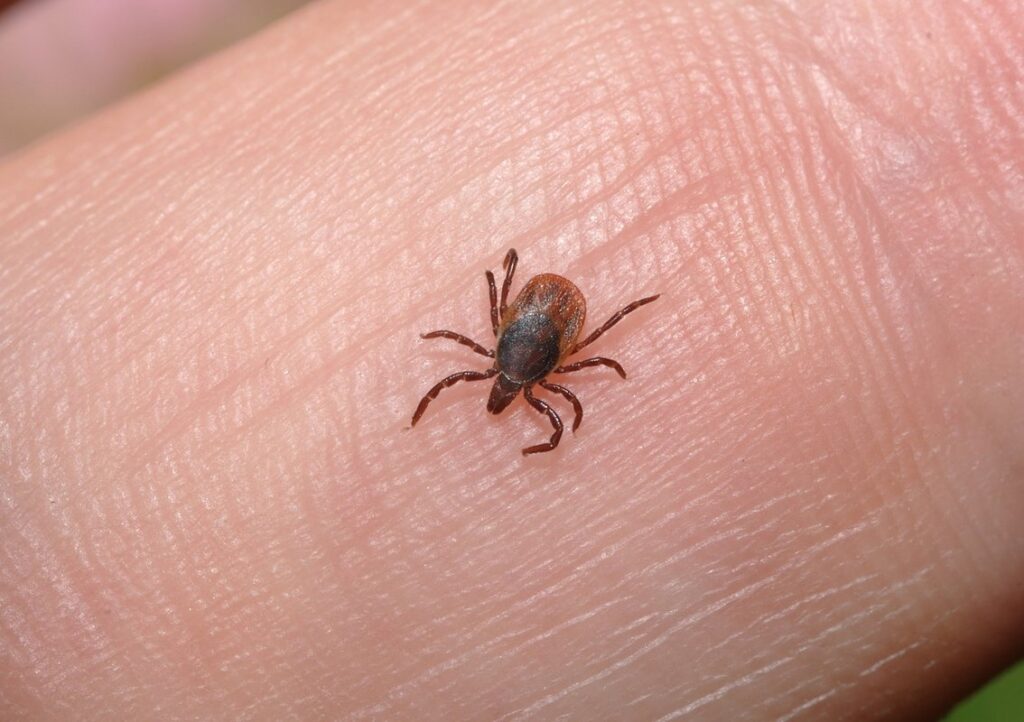
Head lice are tiny parasites that live on human hair and feed on blood from the scalp. They are not a sign of poor hygiene, and anyone can get them regardless of their cleanliness. Head lice are usually brown or grayish in color, about 2-3 millimeters long, and have six legs.
They spread through direct head-to-head contact with an infested person, typically during activities like sports, playing, or even just hugging. Sharing personal items like hair accessories, towels, or pillows can also lead to transmission. According to the Centers for Disease Control and Prevention (CDC), children aged 3-11 are most likely to get head lice.
It’s essential to note that head lice don’t transmit diseases like mosquitoes do; they only cause discomfort, itching, and potential emotional distress. If you suspect your child has head lice, don’t panic! Treatment is available, and we’ll cover it in the next section of this guide. For now, just remember: head lice are common, not a reflection of poor parenting, and can be effectively treated with the right approach.
Common Misconceptions About Head Lice
Many parents are misled by common misconceptions about head lice and their treatment. Let’s address some of these myths to help you make informed decisions when dealing with head lice.
One widespread myth is that head lice spread through poor hygiene. This couldn’t be further from the truth. Head lice can infest anyone, regardless of how often they wash their hair or how clean they keep themselves. In fact, a study by the Centers for Disease Control and Prevention (CDC) found that 99% of head lice cases were due to direct head-to-head contact, not poor hygiene.
Another misconception is that over-the-counter (OTC) treatments are effective in eliminating head lice. While OTC treatments can help kill lice, they often fail to address the eggs (nits), leading to re-infestation. In fact, a study published in the Journal of Medical Entomology found that only 17% of OTC treatments were successful in completely removing head lice.
It’s also essential to note that head lice treatment is not a one-time process. Repeated treatments may be necessary to ensure complete elimination. Be patient and persistent, and don’t hesitate to consult a healthcare professional if you need guidance or additional support.
Recognizing the Signs of a Head Lice Infestation
Identifying head lice can be tricky, but knowing what to look for is key to effective treatment. In this crucial step, we’ll guide you through the subtle signs of a head lice infestation.
Identifying Head Lice Nits and Eggs
When checking for head lice nits and eggs on your child’s scalp, it’s essential to know what you’re looking for. These tiny pests are often hidden from sight, but with the right knowledge, you can identify them effectively.
Head lice nits are the eggs that head lice lay on the hair shaft, usually 1/4 inch away from the scalp. They look like small, oval-shaped specks of white or light brown color. To spot nits, part your child’s hair into sections and examine each strand closely under bright lighting. Look for tiny white dots or lines that appear to be attached to the hair shaft.
Head lice eggs, also known as nits, are usually glued onto the hair shaft with a special substance called cement. This makes them difficult to remove by hand. If you suspect you’ve found a nit, gently comb it out with a fine-toothed comb or a specialized head lice removal tool.
When searching for nits and eggs, also keep an eye out for areas where your child frequently touches their hair, such as behind the ears, on the crown of the head, and around the hairline. Regular checks and early detection are key to effective treatment and preventing re-infestation.
Common Symptoms of Head Lice
Head lice infestations can be frustrating and unsettling for parents. One of the most challenging parts is recognizing the symptoms. Common signs include intense itching on the scalp, particularly behind the ears and at the back of the neck. Parents often report that their child scratches frequently, which can lead to redness, irritation, and even small bumps on the skin.
Other common symptoms associated with head lice infestations are visible crawling lice, tiny eggs (nits), or eggshells attached to hair shafts. In some cases, parents may notice a faint odor due to the presence of lice waste. However, it’s essential to note that not all infestations exhibit these symptoms, and some children might be asymptomatic.
To confirm a diagnosis, check for live lice in your child’s hair using a fine-toothed comb or a specialized tool. When examining the scalp, hold the hair away from the face and gently part the locks to inspect the base of the hair shafts. If you suspect an infestation, consult with a healthcare professional or pharmacist for guidance on treatment options.
Keep in mind that misdiagnosis can lead to ineffective treatments and prolonged infestations. A correct diagnosis is crucial for successful head lice removal.
Choosing an Effective Treatment Option
When it comes to choosing a treatment option for head lice, you’ll want to consider the most effective methods, including medicated shampoos and home remedies, that work best for your child. Let’s explore these options in more detail.
Over-the-Counter (OTC) Treatments
Over-the-counter (OTC) treatments for head lice have gained popularity due to their ease of use and accessibility. However, it’s essential to understand the pros and cons of each treatment before making a decision.
One of the most well-known OTC treatments is permethrin-based products such as Rid or Nix. These creams or shampoos contain 1% permethrin, which kills lice by disrupting their nervous system. However, some parents have reported that these products can be irritating to the scalp and may not be effective for everyone.
Another option is pyrethrin-based treatments like A-200 or R & C. These products work similarly to permethrin but are derived from chrysanthemum flowers. They are generally considered gentler on the skin but may have a lower success rate compared to permethrin-based treatments.
When using OTC treatments, it’s crucial to follow the instructions carefully and repeat the application as directed. This can range from one to three times within a week or two. It’s also essential to wash and dry clothing, bedding, and towels in hot water and high heat to prevent re-infestation. Some OTC treatments may require a second application 7-10 days after the first treatment. Be sure to read and follow the specific instructions for your chosen product carefully.
Keep in mind that it’s not uncommon for head lice to develop resistance to OTC treatments over time. If you’re unsure about which product to choose or if your child still has live lice after using an OTC treatment, consult with a healthcare professional for guidance.
Prescription Medications for Head Lice
If your child has head lice and over-the-counter treatments haven’t worked, you may be considering prescription medications. Several prescription treatments are available for treating head lice, each with its own benefits and potential side effects.
Permethrin (Nix) is one commonly prescribed treatment. It’s a cream rinse that kills both the lice and their eggs. However, permethrin can cause skin irritation, itching, or even allergic reactions in some individuals. To minimize these risks, always follow the product instructions carefully and perform a patch test before using it on your child’s hair.
Another prescription option is ivermectin (Sklice). This topical cream kills lice but not their eggs, so a second application may be needed to get rid of all the lice. Ivermectin has fewer side effects compared to permethrin and is often preferred by parents. Nevertheless, it’s essential to be aware that some children may experience skin irritation or other allergic reactions.
When using prescription medications, make sure to read the instructions carefully and follow any recommendations from your healthcare provider. It’s also crucial to inform your pharmacist about any other treatments you’ve used previously to avoid interactions with other medications.
Natural Remedies for Head Lice Treatment
When it comes to treating head lice, many parents are eager to explore natural remedies and home treatments as an alternative to chemical-based products. While these methods may not be as effective for everyone, they can be a good starting point or used alongside traditional treatment options.
One popular natural remedy is coconut oil. It’s been shown to suffocate the lice, causing them to die within hours of application. To try this method, apply enough coconut oil to cover your child’s hair and leave it on overnight before washing with shampoo in the morning. Another option is tea tree oil, which has antiparasitic properties that can help kill head lice.
Some other home treatments include using mayonnaise or olive oil to suffocate the lice, as well as combing through the hair with a fine-toothed comb after application of these oils. It’s essential to note that natural remedies may require more time and patience than traditional treatments, but they can be a good choice for those who prefer to avoid harsh chemicals.
Before trying any home remedy or treatment, make sure to thoroughly clean your child’s environment, including their bedding, towels, and hair accessories, to prevent re-infestation.
Preparing the Environment for Treatment
Before you start treating head lice, it’s crucial to prepare your home environment to prevent re-infestation and make treatment more effective. This involves thoroughly cleaning and disinfecting key areas.
How to Clean and Disinfect Homes and Belongings
When treating head lice, it’s essential to tackle the entire environment to prevent re-infestation. Cleaning and disinfecting homes, furniture, and personal items is a crucial step that often gets overlooked.
Start by gathering all bedding, towels, and clothing of everyone who has been in contact with the infested person. Wash these items in hot water (at least 130°F) and dry them on high heat for at least 20 minutes. This will kill any remaining lice or eggs.
Vacuum carpets, rugs, and upholstered furniture thoroughly, especially areas where the infested person has been seated or lain. Use a vacuum cleaner with a hose attachment to get into tight spaces and crevices. Dispose of the vacuum bag or empty the canister after use to prevent any remaining lice from escaping.
Disinfect items that cannot be washed, such as hair accessories, brushes, and combs, by soaking them in hot water for at least 10 minutes. You can also use a lice-killing product specifically designed for these types of items, following the manufacturer’s instructions carefully.
Remember to regularly clean and disinfect high-touch areas like doorknobs, light switches, and remotes to prevent re-infestation.
Washing and Drying Clothing and Bedding
When treating head lice, it’s not just about getting rid of the infestation itself – you also need to take steps to prevent re-infestation. One crucial part of this process is washing and drying clothing and bedding that may have come into contact with the infested person.
First, wash all clothing and bedding in hot water (at least 130°F) using a regular laundry detergent. This will help kill any lice or eggs that may be present. It’s essential to wash everything, including pillowcases, sheets, towels, and clothing such as t-shirts, socks, and pants.
When washing, make sure to use a high heat setting on your dryer to kill any remaining lice or eggs. You can also dry-clean or seal in a plastic bag for two weeks anything that can’t be washed, like stuffed animals or pillows. Don’t forget to clean any hair accessories or combs that may have come into contact with the infested person.
Remember to check all clothing and bedding before washing them, as this will help you identify any items that need extra attention. By following these steps, you’ll be able to prevent re-infestation and keep your home lice-free.
Treating Head Lice: A Step-by-Step Guide
Now that you’ve identified a head lice infestation, let’s walk through the steps to effectively treat it and prevent re-infestation. We’ll cover everything from preparation to follow-up.
Preparation Before Treatment
Before you start treating your child’s head lice, it’s essential to take some preparatory steps. This will not only make the treatment process more effective but also reduce the risk of re-infestation.
First and foremost, consider shaving or trimming your child’s hair. This may seem drastic, but it can significantly reduce the number of live lice and nits (eggs) on their head. According to a study by the Centers for Disease Control and Prevention (CDC), cutting or shaving hair is an effective way to treat head lice, especially in cases where the infestation is severe. However, if your child has long or curly hair, this may not be practical.
Before treatment, also make sure to wash your child’s bedding, towels, and clothes in hot water (at least 120°F) and dry them on a hot setting. This will help kill any lice or nits that may have fallen off their head during combing or brushing.
Take the time to thoroughly clean your home as well, paying particular attention to areas where your child spends most of their time, such as their bed and favorite chair.
Applying Treatments Safely and Effectively
When applying over-the-counter (OTC) or prescription treatments to get rid of head lice, it’s essential to follow the instructions carefully and take some extra precautions to ensure safe and effective use. Before treatment, wash and dry all clothing, bedding, and towels in hot water to prevent re-infestation.
For OTC treatments, always read the label and follow these steps:
* Use a fine-tooth comb or a specialized lice comb to remove nits from your child’s hair before applying the treatment.
* Apply the recommended amount of treatment to your child’s dry scalp, working it into a thin layer.
* Leave the treatment on for the specified time (usually 10-12 hours), avoiding any exposure to water or other substances during this period.
When using prescription treatments, always follow the doctor’s instructions closely and take necessary precautions to minimize side effects. It’s also crucial to monitor your child for any adverse reactions or allergic responses after applying either type of treatment.
Preventing Future Head Lice Infestations
To avoid future infestations, let’s talk about how you can create a head lice-free zone in your home and prevent these pesky parasites from spreading.
How to Reduce the Risk of Re-Infestation
To minimize the risk of re-infestation, it’s essential to establish a consistent routine of regular checks and hygiene practices. Check your child’s hair daily, paying close attention to the scalp area where lice are most likely to be found. Use a fine-toothed comb or a specialized head lice removal tool to detect any potential infestations early on.
Encourage your child to wash their hair regularly with an anti-dandruff shampoo, which can help prevent lice from attaching to their hair. Additionally, instruct them to avoid sharing personal items such as combs, brushes, and hair accessories that may come into contact with infected individuals. These simple practices can significantly reduce the risk of re-infestation.
To further reinforce prevention efforts, designate a “lice-free” zone in your home where children can comb out their hair without worrying about contamination from other family members. By implementing these strategies consistently, you’ll be well on your way to reducing the likelihood of re-infestation and keeping head lice at bay.
Creating a Head Lice-Free Zone in Schools
Creating a head lice-free zone in schools is crucial to preventing future infestations and reducing the emotional distress associated with these pests. Schools play a significant role in educating children about good hygiene practices and encouraging parents to do the same at home.
One of the most effective ways to create a head lice-free zone is through education. Teachers, school administrators, and parents must work together to inform students about proper head lice prevention and treatment methods. This can be achieved by incorporating regular sessions on head lice awareness into the curriculum or by organizing workshops for both children and adults.
Here are some practical tips for creating a head lice-free zone:
* Encourage students to keep their long hair tied back, especially during sleepovers, sports activities, and other close contact situations.
* Teach children to avoid sharing personal items such as hats, scarves, combs, or towels.
* Regularly inspect students’ hair for signs of head lice infestation, ideally at the beginning of each school year and after vacations.
* Develop a clear policy on head lice treatment that aligns with local health guidelines, ensuring that all affected students receive proper care and attention.
Frequently Asked Questions
Can I still use over-the-counter treatments if my child has been prescribed a medication for head lice?
No, it’s essential to follow the advice of your pediatrician or healthcare provider when treating head lice with prescription medications. Using OTC treatments alongside prescribed medications can reduce their effectiveness and increase the risk of side effects.
How often should I repeat treatment after an initial application, especially if using natural remedies?
It’s crucial to repeat treatment as directed by the product instructions or your healthcare provider. For some natural remedies, you may need to reapply after 7-10 days to ensure all lice and nits are eliminated. Always follow the specific guidance for each remedy.
How do I prevent re-infestation when someone in my household has had head lice treatment?
To minimize the risk of re-infestation, it’s essential to maintain good hygiene practices, such as frequent washing of bedding, towels, and clothing, as well as vacuuming carpets and upholstered furniture. You can also consider using a medicated shampoo on family members to reduce the likelihood of transmission.
Can I treat head lice with home remedies if my child has sensitive skin?
Yes, there are several gentle, home-based treatments that may be suitable for children with sensitive skin. Consider trying ingredients like coconut oil, olive oil, or tea tree oil, which can help suffocate and kill lice without irritating the scalp.
What should I do if I miss a step in the treatment process, such as forgetting to wash bedding?
Don’t worry! If you miss a step, simply backtrack and complete the task. For example, if you forgot to wash bedding, rewash it with hot water and dry it on high heat to ensure any remaining lice or nits are eliminated.