
As a parent, you want your toddler to develop strong social skills, emotional intelligence, and a healthy attachment style. But did you know that play is one of the best ways to foster these essential qualities? By incorporating simple yet engaging games into your daily routine, you can help your little one grow into a confident, empathetic, and securely attached individual.
In this article, we’ll explore some fun and interactive attachment games that are perfect for toddlers. From classic activities like Follow the Leader and Emotion Charades to creative play ideas that encourage empathy and self-regulation, we’ve got you covered. By playing these games together, you’ll not only strengthen your bond with your child but also help them develop a strong sense of self and others. Get ready to have fun while building a lifelong connection!
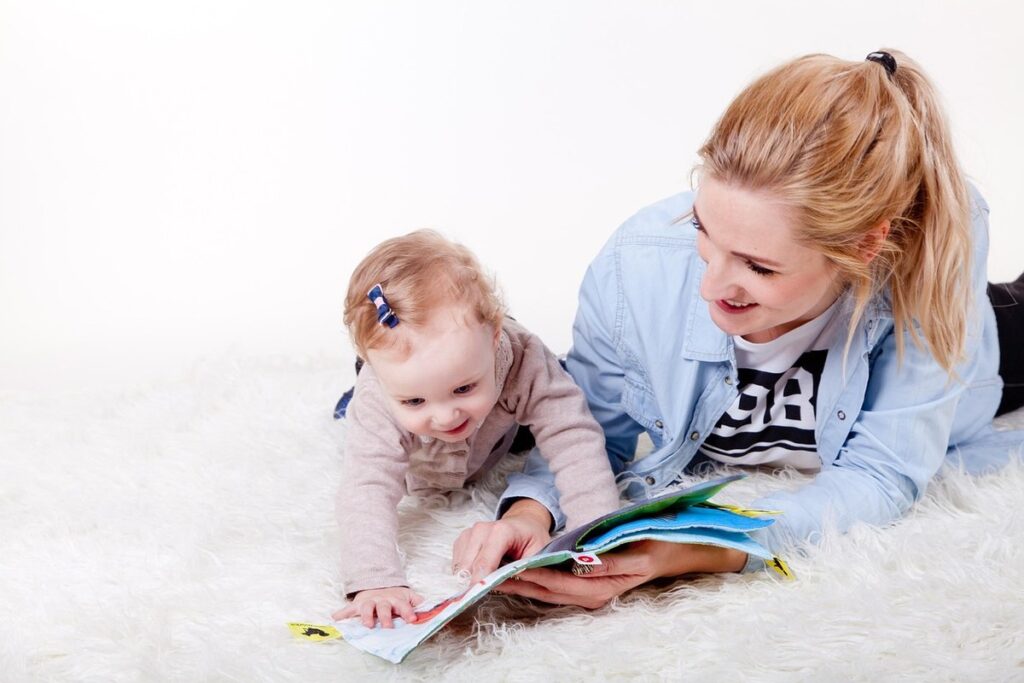
Importance of Attachment in Toddler Development
Understanding attachment is crucial for toddler development, as it lays the foundation for emotional intelligence and social skills that will benefit them throughout childhood and beyond. Let’s explore its significance further.
What is Attachment?
Attachment is the deep emotional bond that forms between a toddler and their primary caregiver. It’s the foundation of a child’s sense of security and trust, which has a profound impact on their emotional and social development. When a toddler feels securely attached to their caregiver, they’re more likely to explore their environment, take risks, and learn new skills.
Attachment also plays a critical role in shaping a toddler’s emotional intelligence. A securely attached child is better able to regulate their emotions, manage stress, and develop empathy towards others. This, in turn, helps them build strong relationships with peers and adults alike.
In practical terms, this means that attachment games for toddlers can have a lasting impact on their social skills. When we engage in playful activities with our little ones, we’re not only having fun – we’re also building trust, promoting emotional intelligence, and fostering a sense of connection. By prioritizing attachment through play, we set the stage for lifelong friendships, healthy relationships, and a strong sense of self-worth.
Types of Attachment Styles
When it comes to attachment styles, there are four primary categories: secure, anxious, avoidant, and disorganized. Understanding these styles can help you identify areas where toddlers may need extra support.
Securely attached children feel safe, loved, and supported by their caregivers. They explore their surroundings with confidence, knowing that they can always return to a loving and responsive environment. If your toddler is securely attached, continue nurturing this bond through playful activities like “Follow the Leader” or “Simon Says,” which promote trust and communication.
Anxious attachment styles, on the other hand, can lead to clinginess or anxiety in new situations. Toddlers with anxious attachment may benefit from gentle separation games, such as hiding behind a blanket while you reassure them of your presence.
Avoidantly attached toddlers often resist physical touch and comfort, preferring independence. Engage these children in active play, like “Obstacle Course” or “Ball Toss,” to help them develop self-reliance while still encouraging affection.
Disorganized attachment can stem from trauma or neglect. If you suspect this style, prioritize building trust through simple activities like “Sensory Play” with calming textures and soothing music.
Signs of Healthy Attachment in Toddlers
When you see your toddler running to hug you when they’re upset, seeking comfort from their caregiver when hurt, or throwing their arms around you with affection, it’s a clear sign of healthy attachment. These behaviors indicate that your child feels safe and secure in the relationship with their primary caregivers. As they demonstrate trust in their attachment figures, they begin to understand that these relationships are a source of strength, comfort, and support.
Healthy attachment also shows itself through play. Your toddler may bring you their favorite toy or blanket, indicating that they feel comfortable sharing their belongings with someone they trust. They might also test boundaries by pushing limits and seeing how you respond, further solidifying the understanding that there’s safety in expressing themselves.
As a parent, recognize these signs of healthy attachment as an opportunity to nurture this vital bond. By responding warmly and consistently to your child’s affectionate gestures, you can reinforce their sense of security and promote continued growth in emotional intelligence and social skills through play-based interactions.
Benefits of Playing Attachment Games with Toddlers
Playing attachment games with your toddler offers numerous benefits that will have a lasting impact on their emotional intelligence and social skills, laying the foundation for strong relationships. Let’s explore these advantages in more detail.
Emotional Intelligence Development
When you play attachment games with your toddler, you’re not just building their social skills – you’re also helping them develop emotional intelligence. Emotional intelligence is the ability to recognize and manage emotions in oneself and others, which is essential for healthy relationships and a happy life.
As toddlers learn through play, they begin to understand that everyone has feelings, even if those feelings are different from their own. For instance, when playing “Feelings Charades,” where you act out different emotions and ask your child to guess how you’re feeling, they start to develop empathy and understand that others may feel scared, happy, or sad.
To take this further, try labeling and validating your child’s emotions during play. When they express a strong emotion, acknowledge it with phrases like “You seem really angry right now” or “I can see that you’re feeling frustrated.” By acknowledging their emotions, you help them develop emotional awareness and learn to manage their feelings in a healthy way.
This is especially important because research shows that children who are emotionally intelligent tend to have better relationships and are more likely to succeed academically and professionally. So, keep playing those attachment games with your toddler – they’re building blocks for a lifetime of emotional intelligence!
Social Skills Enhancement
Playing attachment games with toddlers is an excellent way to foster their social skills, which are essential for building strong relationships and navigating everyday life. These games encourage sharing, empathy, and cooperation, laying the foundation for a lifelong capacity for connection.
One of the most significant social benefits of attachment games is promoting sharing. When toddlers learn to share toys or attention with others, they develop an understanding that everyone has needs and desires. For instance, you can play a game where two children take turns feeding a doll or playing with a toy, teaching them to respect each other’s space.
Empathy is another crucial social skill that attachment games help develop. By engaging in role-playing activities, such as comforting a stuffed animal or helping a friend, toddlers begin to understand and acknowledge others’ feelings. This empathy helps build stronger relationships and can lead to more harmonious family dynamics. To encourage cooperation, try introducing simple group games where everyone works together towards a common goal.
Regularly incorporating attachment games into your playtime with toddlers will have a profound impact on their social skills development.
Building Trust and Confidence
Playing attachment games with toddlers is an excellent way to establish trust and confidence between caregivers and little ones. When we engage in playful interactions that prioritize emotional connection, we create a sense of security and stability for our children. This foundation of trust allows them to feel more confident in exploring their surroundings and taking risks.
To build trust through attachment games, focus on active listening and responding with empathy. For example, if your toddler is upset because they fell down, provide a gentle hug and say “You’re okay! I’m here for you.” Validate their feelings by acknowledging the hurt or frustration they’re experiencing. This empathetic response helps toddlers develop emotional regulation skills and feel more comfortable expressing their emotions.
Consistency is also key in building trust with attachment games. Regularly engage in playful activities that promote mutual interaction, such as peek-a-boo or pat-a-cake, to create a sense of predictability and reliability. As you establish this connection, your toddler will begin to feel more secure and confident in their relationship with you.
Fun Attachment Games to Play with Toddlers
When it comes to fostering a strong bond with your little one, games are an excellent way to encourage attachment and social skills. In this next part, we’ll explore some fun attachment games to play together.
1. “Follow the Leader”
One of the most effective attachment games for toddlers is “Follow the Leader.” This game encourages children to follow their caregivers’ actions and movements, fostering a sense of security and connection. To play, simply start by doing an action like clapping or jumping up and down, and then say “Can you follow me?” or “Watch what I do!” Your child will likely mimic your actions, feeling a sense of excitement and engagement.
As they imitate you, be sure to offer plenty of praise and encouragement. This positive reinforcement will help build their confidence and trust in you as their caregiver. You can also add variations to the game by incorporating different actions or movements, such as spinning around, twirling, or even crawling like a bear.
Remember to move at a pace that’s comfortable for your child and be mindful of their boundaries. If they seem hesitant or uncertain, slow down or adjust the activity accordingly. By making “Follow the Leader” a regular part of your playtime routine, you can help create a stronger bond with your child while promoting social skills like self-regulation and cooperation.
2. “Emotion Charades”
Emotion Charades is an entertaining way to teach toddlers about different emotions. To play this game, write down various emotions on slips of paper such as happiness, sadness, anger, and fear. Then, have the toddler act out each emotion without speaking. Their caregivers or other family members must guess which emotion they’re portraying.
For instance, if the slip of paper says “happiness,” the toddler might start dancing or spin around in a circle. On the other hand, if it says “anger,” they might stomp their feet or cross their arms.
This game encourages empathy by allowing toddlers to understand and recognize different emotions in themselves and others. As they act out each emotion, they begin to grasp what it feels like to be that way. It also fosters social skills by promoting communication and interaction among family members.
To make this activity even more engaging, you can ask the toddler to guess which emotion a family member is feeling. This adds an element of prediction and encourages them to pay attention to others’ emotions.
3. “The Comfort Game”
In “The Comfort Game”, caregivers can create a safe space for their toddlers to feel secure and comforted. This game is an excellent way to demonstrate gentle touch and soothing words, which are essential for toddlers’ emotional development.
To play “The Comfort Game”, start by getting down to your child’s level and gently stroking their hair or arms with your fingertips. Use soft, gentle movements that allow your child to feel safe and relaxed. As you do this, speak in a calm and soothing voice, using words like “you’re safe” or “I’m here for you”. You can also incorporate physical touch by giving them a gentle hug or holding their hand.
This game helps toddlers develop trust and feel secure in their environment. By providing comfort through gentle touch and soothing words, caregivers can help their children build resilience and manage emotions effectively. Remember to be present and mindful during the game, responding to your child’s cues and adjusting your touch and tone accordingly.
Tips for Caregivers: Encouraging Healthy Attachment through Games
As a caregiver, you play a vital role in encouraging healthy attachment in your toddler through playful interactions and activities. Here are some tips to help you do just that!
Creating a Safe Environment
Creating a safe environment is essential for fostering attachment between you and your toddler. It’s where they feel secure enough to explore, learn, and develop emotional intelligence. To establish this space, start by eliminating distractions such as turning off the TV or putting away electronic devices. This will help you stay present and focused on your child.
Designate a cozy area in your home for playtime, filled with toys that encourage interaction. For instance, a play kitchen or a set of blocks can stimulate role-playing and language development. Ensure this zone is free from clutter and easily accessible for your little one to move around comfortably. Additionally, establish clear boundaries and routines, like having regular nap times and mealtimes.
Be mindful of your own emotions when interacting with your toddler. A calm demeanor will help them feel more at ease. When they express their feelings, validate their experiences by labeling their emotions. For example, “You seem really upset right now.” By doing so, you’re acknowledging their emotions and encouraging them to do the same.
Being Present and Mindful
When playing attachment games with toddlers, it’s essential to be present and mindful. This means putting away distractions like your phone and focusing on the child in front of you. Being fully engaged allows you to respond to their cues and build a deeper connection.
To be present, start by making eye contact and using open, non-judgmental body language. When playing a game, pay attention to the toddler’s emotions and needs. If they seem overwhelmed or frustrated, take a break and offer reassurance. Use this opportunity to label and validate their feelings, helping them develop emotional intelligence.
Practically, being mindful also means letting go of expectations about how the game should go. Allow the child to lead and take ownership of their play, even if it deviates from your original plan. By doing so, you’re not only building a stronger attachment but also fostering creativity and problem-solving skills in your toddler. Remember, being present is not just about the activity itself but also about the relationship you’re cultivating with your child.
Responding to Emotions
When responding to emotions during these games, it’s essential to acknowledge and validate your toddler’s feelings. This helps them develop emotional intelligence, which is a crucial aspect of attachment. Imagine you’re playing a game where your child gets upset because they lost their turn – instead of saying “don’t cry,” try acknowledging their feeling: “You really wanted to be the one to pour the block, didn’t you?”
This validation helps toddlers feel understood and accepted, which strengthens the attachment bond between you and your child. It’s also crucial to label their emotions: “I can see that you’re feeling very angry right now.” This teaches them to recognize and express their emotions in a healthy way.
When responding to emotions, remember to stay calm and empathetic. Avoid dismissing or minimizing their feelings, as this can be hurtful and damaging to the attachment bond. By acknowledging and validating your child’s emotions during these games, you’re helping them develop essential social skills and emotional intelligence that will serve them well throughout their life.
Common Challenges and Solutions: Overcoming Resistance or Fear
When it comes to playing attachment games, you may encounter resistance or fear from your toddler – and that’s completely normal! Let’s dive into common challenges and solutions to help overcome these obstacles together.
Understanding Toddler Behavior
As you engage with your toddler through attachment games, you may encounter common challenges that can leave you feeling frustrated or confused. One of the most significant hurdles is understanding and navigating their behavior. Toddlers are naturally resistant to change and often exhibit fear-based reactions when they feel uncertain or threatened.
This is because their brains are still developing at an incredible rate, and they’re constantly processing new information about themselves and their environment. When faced with unfamiliar situations or emotions, toddlers may become overwhelmed and lash out in response. For example, they might refuse to separate from you during playdates or exhibit tantrums when asked to share toys.
It’s essential to recognize that these behaviors are not a personal attack on you but rather a natural manifestation of their fear and uncertainty. By understanding the underlying causes of your toddler’s resistance, you can develop strategies to support them in feeling more secure and confident.
Strategies for Encouraging Attachment
When it comes to toddlers, every parent wants their little one to feel secure and loved. However, some children may resist physical touch or show signs of fear during attachment games. To overcome these challenges, try using gentle, slow movements that help your child become comfortable with affection.
For example, start by holding hands while walking or playing a simple game like peek-a-boo. Gradually increase the level of physical contact as your child becomes more at ease. Be patient and responsive to their cues, always respecting their boundaries.
Another strategy is to engage in activities that promote closeness without direct touch, such as reading together, singing nursery rhymes, or having a picnic. These shared experiences foster a sense of connection and belonging, laying the groundwork for future attachment.
Make sure to observe your child’s reactions and adjust your approach accordingly. If you notice resistance or fear, take it slow and try different tactics until you find what works best for your little one. By being attentive and adaptable, you can help create a strong foundation for healthy attachment in your toddler.
Conclusion: The Power of Attachment Games for Toddlers
As we’ve explored the benefits and variety of attachment games, let’s summarize the key takeaways and reflect on how these simple activities can shape your toddler’s emotional intelligence.
Recap of Key Points
In recap, attachment games for toddlers are a powerful tool for fostering emotional intelligence and social skills. By engaging in these play-based activities with your child, you’re helping them develop a strong foundation for healthy relationships, self-awareness, and effective communication.
Some key takeaways to keep in mind include the importance of empathy-building exercises, such as “Feelings Charades” and “What’s Missing?”, which encourage toddlers to consider others’ perspectives. You should also prioritize games that promote social interaction, like “Sharing Game” and “Friendship Circle”, which help your child develop essential skills for forming and maintaining friendships.
Additionally, remember the significance of validation in attachment games. By acknowledging and accepting your child’s emotions, you’re teaching them that their feelings are valid and important. This not only strengthens your bond but also empowers your child to regulate their own emotions effectively.
Incorporating these practices into your daily routine will have a lasting impact on your toddler’s emotional intelligence and social skills. By making attachment games a part of your playtime, you’ll be giving your child the best possible start in life – one that sets them up for success in both personal and professional relationships.
Encouragement to Continue Playing Attachment Games
As you’ve begun exploring attachment games with your toddler, it’s essential to continue playing and practicing these activities. The benefits of attachment games are numerous, and with consistent effort, you’ll witness significant growth in your child’s emotional intelligence and social skills.
By building on the foundation established through regular play, you’ll deepen your connection with your child and create a secure attachment that will last a lifetime. This continued practice will also help your child develop essential life skills, such as empathy, self-regulation, and effective communication.
To maximize the benefits of attachment games, consider the following tips: Establish a daily routine that includes at least one attachment game, making it a consistent part of your childcare routine. Be patient and flexible – every interaction with your child is an opportunity to strengthen your bond and help them develop emotionally and socially.
As you continue to engage in these activities, remember that progress may be slow but steady. Celebrate small victories, like a breakthrough in communication or a moment of empathy shown towards another child. These moments are the building blocks of a strong attachment and will provide a lifelong foundation for your child’s emotional well-being.
Frequently Asked Questions
How can I adjust attachment games for different ages or developmental stages?
Adjusting attachment games to suit your toddler’s age and development stage is crucial for their continued growth and engagement. For younger toddlers (1-2 years), focus on simple, repetitive games like “Follow the Leader” and “Emotion Charades”. As they grow older (2-3 years), introduce more complex games that promote empathy and self-regulation, such as “The Comfort Game”.
What if my child resists or fears playing attachment games?
Resistance to attachment games is common, especially if your child has experienced trauma or anxiety. Start by creating a safe environment where your child feels comfortable expressing their emotions. Respond to their feelings with empathy and understanding, rather than forcing them to participate. Gradually introduce games that promote trust and confidence.
Can I play attachment games one-on-one with my toddler, or do they require multiple caregivers?
While playing attachment games with multiple caregivers can be beneficial for social skill development, it’s not necessary for all games. One-on-one interactions between you and your toddler are just as valuable, if not more so, in fostering a deep emotional bond.
How often should I play attachment games with my toddler to see noticeable improvements?
The frequency of playing attachment games depends on your child’s unique needs and developmental stage. Aim to play at least 2-3 times a week, but ideally every day, even if it’s just for a few minutes. Consistency is key in developing healthy attachment styles.
Can I modify existing games or activities to make them more attachment-focused?
Absolutely! One of the best ways to incorporate attachment games into your daily routine is by modifying existing activities and toys to promote emotional intelligence and social skills. For example, turn bath time into a bonding experience by using “Emotion Charades” while playing with rubber ducks.