
As a parent, you want to give your child the best possible start in life. One way to do this is by introducing them to sports at an early age. Not only can regular physical activity improve their overall health and fitness, but it also has numerous mental health benefits – reducing stress, anxiety, and promoting self-confidence.
Choosing the right sport for your child can be a daunting task, especially when considering factors like age, ability, and interests. However, with some guidance, you can set them up for success and help them develop a lifelong love of physical activity. In this article, we’ll explore the benefits of sports for kids, offer tips on selecting the right sport at the right time, and provide advice on overcoming common challenges and staying motivated. By the end of it, you’ll be equipped to support your child in their sporting journey.
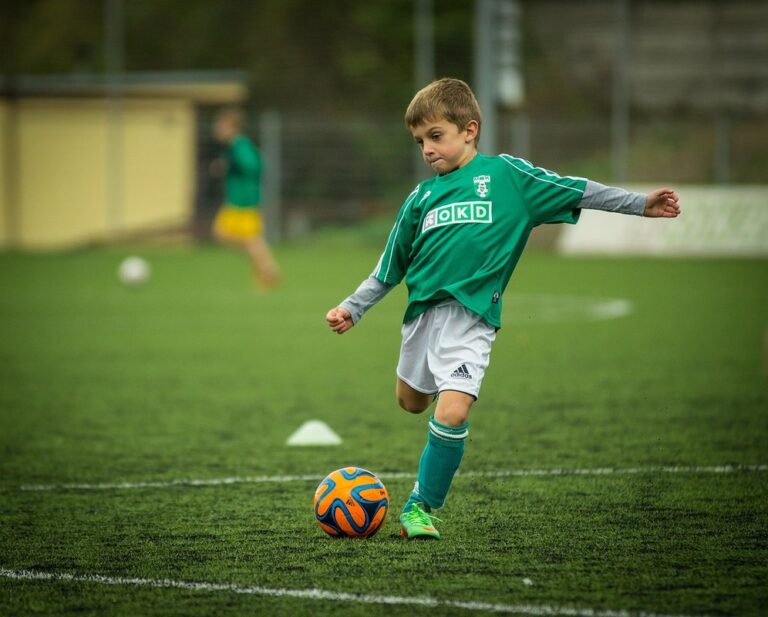
Benefits of Participating in Sports
When it comes to choosing sports for kids, understanding the benefits can help you make an informed decision that will positively impact their development and love for physical activity. Let’s explore some of these advantages in more detail.
Physical Health and Well-being
Participating in sports is one of the best ways to get kids moving and grooving while developing healthy habits that will last a lifetime. Regular physical activity has been proven to reduce the risk of obesity, which affects over 18% of children worldwide (WHO). This can be achieved through various sports activities such as swimming, cycling, or team sports like soccer and basketball.
Moreover, sports participation is also an excellent way to improve cardiovascular health in kids. Studies have shown that regular exercise helps lower blood pressure, increase endurance, and boost overall fitness levels. For example, a study published in the Journal of Pediatrics found that children who participated in at least 60 minutes of moderate-to-vigorous physical activity per day had significantly better cardiovascular health compared to those who were less active.
When choosing sports for your child, consider their age, fitness level, and interests. Encourage them to try out different activities until they find one they enjoy. This will help keep them motivated to continue participating in physical activity throughout their lives.
Mental Health and Emotional Intelligence
When kids participate in sports, they develop essential life skills that extend far beyond physical fitness. One of the most significant benefits is the boost to their mental well-being and emotional intelligence. Research has shown that involvement in sports can lead to improved self-esteem, confidence, and resilience in children.
For instance, a study by the National Federation of State High School Associations found that adolescents who participated in sports were more likely to exhibit positive behaviors such as empathy, cooperation, and self-discipline. This is because team sports, in particular, foster social connections, communication skills, and a sense of belonging – all crucial components of emotional intelligence.
To maximize these benefits for your child, focus on finding a sport that they genuinely enjoy. Encourage them to try different activities until they find one that brings out their enthusiasm. Moreover, consider enrolling them in a sports program that emphasizes values such as teamwork, respect, and fair play. This will help them develop essential life skills while having fun and staying active. By prioritizing emotional intelligence through sports participation, you’ll be setting your child up for a lifetime of success and well-being.
Social Benefits and Friendship Building
Participating in team sports is an excellent way for kids to develop essential social skills that will benefit them throughout their lives. One of the most significant advantages of team sports is the opportunity for kids to make new friends and build strong relationships with their peers. By working together towards a common goal, kids learn valuable teamwork skills, such as communication, empathy, and mutual respect.
As kids participate in team sports, they’ll not only develop friendships but also gain confidence in social situations. They’ll learn how to navigate conflicts, share responsibilities, and support one another’s strengths and weaknesses. For example, in a soccer game, a kid might find themselves playing alongside a child who is shy at first, but as the season progresses, they become closer friends.
To encourage social benefits through team sports, consider the following tips: involve your child in choosing their own sport or team, encourage participation in co-ed leagues to promote diverse relationships, and schedule regular game-day gatherings with fellow players’ families. By doing so, you’ll help your child build a supportive network of friends who share similar interests and passions.
Factors to Consider When Choosing a Sport
When choosing a sport for your child, it’s essential to consider their interests, abilities, and personality traits to ensure they stay engaged and motivated. Let’s dive into some key factors to keep in mind.
Age and Developmental Stage
When choosing a sport for your child, it’s essential to consider their age and developmental stage. Different sports are suited for different ages, and some may be more beneficial than others at specific stages of development.
For younger children (ages 3-5), focus on fun activities that promote basic movement skills, such as running, jumping, and throwing. Sports like swimming, soccer, and gymnastics are great options, as they help develop fundamental motor skills while promoting social interaction. At this age, it’s also crucial to prioritize play-based learning over competitive pressures.
As children enter the school-age years (ages 6-10), they can start exploring more complex sports that require coordination, strategy, and teamwork. Team sports like basketball, baseball, and soccer are excellent choices, while individual sports like tennis and golf may be better suited for those who enjoy solo activities.
When choosing a sport, remember to consider your child’s natural abilities, interests, and personality traits. For example, if they’re naturally athletic but struggle with coordination, a non-contact sport might be more suitable.
Interests and Abilities
When choosing sports for kids, it’s essential to consider their interests and abilities. Every child is unique, with different strengths, weaknesses, and passions. By understanding what makes your child tick, you can introduce them to sports that cater to these needs.
Start by observing your child’s behavior and hobbies outside of school or extracurricular activities. Do they enjoy being active, or do they prefer quieter pursuits? Are they naturally inclined towards teamwork, or do they prefer solo activities?
Make a list of their interests and abilities to help narrow down the options. For example, if your child loves art, they may thrive in sports like synchronized swimming or figure skating that combine physical activity with creative expression. On the other hand, if they’re more athletic, consider team sports like soccer, basketball, or volleyball.
Remember, it’s not about forcing them into a sport that doesn’t come naturally to them. Encourage their curiosity and explore different options together. You might be surprised at how well they excel in an unexpected area!
Safety and Injuries
When choosing a sport for your child, safety should be at the forefront of your mind. With over 3 million children aged 5-14 participating in sports each year, injuries are unfortunately common. According to the American Academy of Pediatrics (AAP), the most common sports-related injuries in kids include sprains, strains, and broken bones.
To minimize the risk of injuries, it’s essential to choose a sport with proper safety measures in place. Look for sports that emphasize warm-ups and cool-downs, as well as regular breaks during practice or playtime. Many organizations also provide concussion protocols, which can help identify potential head injuries early on.
Before enrolling your child in a particular sport, ask about the coach’s experience and qualifications. A qualified coach will prioritize safety and develop strategies to prevent injuries. Additionally, many sports leagues offer injury prevention programs, such as strength training or agility drills, to help kids build resilience and reduce their risk of getting hurt. By choosing a sport with proper safety measures in place, you can help your child stay safe while still enjoying the many benefits of participating in sports.
Popular Sports Options for Kids
When it comes to getting your kids involved in sports, you have a wide range of options to consider, from team sports to individual activities. We’ll explore some popular choices here.
Team Sports (Soccer, Basketball, etc.)
When it comes to team sports, many kids develop a lifelong passion for the thrill of competition and camaraderie with their teammates. Among the most popular options are soccer, basketball, and others that promote physical activity, strategy, and social skills. These sports offer numerous benefits for kids, including improved cardiovascular health, coordination, and confidence.
For example, playing team sports like soccer can help children develop essential life skills such as teamwork, communication, and conflict resolution. A study by the American Academy of Pediatrics found that participating in organized sports can reduce obesity risk, improve self-esteem, and enhance social development.
To introduce your child to team sports, consider enrolling them in a local recreational league or club that focuses on fun and skill-building rather than intense competition. You can also play a supportive role by attending games, cheering them on, and helping with practices. As they grow older, many kids will want to join competitive teams, but starting with beginner-friendly leagues allows them to develop their skills in a positive environment.
Some popular team sports for kids include:
• Soccer: A great option for developing endurance and ball control
• Basketball: Excellent for improving hand-eye coordination and teamwork
• Baseball/Softball: Encourages physical activity and strategic thinking
• Volleyball: Fosters quick reflexes, communication, and agility
Individual Sports (Swimming, Tennis, etc.)
Individual sports are an excellent option for kids who enjoy solo activities and prefer to focus on their own skills development. Swimming is a great example of an individual sport that’s perfect for kids. It not only improves cardiovascular health but also enhances flexibility, strength, and endurance. With its low-impact nature, swimming is an ideal choice for kids with joint issues or chronic injuries.
Tennis is another popular individual sport that’s easy to learn and fun to play. Kids can start with simple drills and gradually progress to more complex strokes. Tennis also improves hand-eye coordination, agility, and reaction time. However, it does require a decent level of physical fitness, so it’s essential to assess your child’s endurance before starting.
When introducing your child to an individual sport like swimming or tennis, remember to provide regular practice sessions with qualified instructors. This will help them build muscle memory and develop good techniques from the outset. Moreover, emphasize the importance of safety gear, especially in sports that involve high-speed movements like tennis. With patience and persistence, kids can excel in these sports and enjoy numerous physical and mental benefits.
Martial Arts and Combat Sports
When it comes to martial arts and combat sports, some parents may worry about the intensity and physicality of these disciplines. However, many martial arts styles are designed specifically for young children, focusing on developing coordination, discipline, and self-control rather than aggressive fighting techniques.
Benefits of martial arts for kids include improved focus, concentration, and self-esteem. Disciplines like karate, taekwondo, and judo also teach valuable life skills such as respect, perseverance, and self-awareness. Many gyms and studios now offer classes specifically designed for young children, incorporating games and activities to make learning fun.
However, it’s essential for parents to ensure that their child is old enough and mature enough to handle the physical demands of martial arts training. A general rule of thumb is to wait until your child is at least six years old before enrolling them in a martial arts class. It’s also crucial to find a reputable instructor who specializes in teaching children, with a focus on safety and fun.
By introducing kids to martial arts in a safe and supportive environment, parents can help their children develop essential life skills while promoting physical activity and healthy lifestyles.
Preparing Your Child for Sport Participation
Before signing up your child for a sports team, it’s essential to prepare them physically and emotionally for the experience. This means helping them develop skills that will make their first season enjoyable and successful.
Setting Realistic Expectations
When introducing your child to sports, it’s essential to set realistic expectations about their performance. Many parents get caught up in the excitement of watching their little ones participate and forget that everyone starts somewhere. This can lead to disappointment when reality sets in, especially if you’re expecting a mini-pro or Olympic champion right from the beginning.
In reality, most kids will not become professional athletes. However, participating in sports can have numerous benefits for their physical and emotional development, regardless of their level of skill. To avoid putting unnecessary pressure on your child, focus on the process rather than the outcome. Celebrate small victories, like mastering a new skill or simply showing up to practice with enthusiasm.
Set achievable goals that align with your child’s age, ability, and interests. For example, if your 5-year-old is just starting out in soccer, don’t expect them to score goals right away. Focus on developing their fundamental movement skills, like running, jumping, and kicking. As they progress, you can gradually increase the difficulty level of your expectations. Remember, the most important thing is for your child to have fun and enjoy the experience of playing sports.
Creating a Supportive Home Environment
Creating a supportive home environment is crucial when it comes to encouraging kids to participate in sports. A positive and encouraging atmosphere at home can make all the difference in helping them develop healthy habits and a love for physical activity that lasts a lifetime.
To start, set clear goals with your child about what they want to achieve through sport participation. This could be anything from improving their overall fitness level to developing teamwork skills or building confidence. Having specific objectives in mind will help you stay motivated and focused as you support them on their journey.
Make sure to schedule dedicated time for sports activities at home, such as playing catch or practicing a new skill together. Even small moments of physical activity can have a significant impact when done consistently. Encourage your child to express their feelings about sport participation by listening actively to their concerns and celebrating their successes.
By establishing open communication channels and creating opportunities for fun, engaging physical activities at home, you’ll be well on your way to fostering a supportive environment that will help your child thrive in sports.
Building a Positive Relationship with Coaches and Officials
Building a positive relationship with coaches and officials is crucial for your child’s enjoyment and development in sports. A healthy partnership between parents, coaches, and officials can make all the difference in creating a supportive and inclusive environment for young athletes.
To establish a positive relationship, it’s essential to be approachable, respectful, and open-minded. When meeting with coaches or officials, introduce yourself, ask questions about their experience and philosophy, and listen attentively to their responses. Be clear about your expectations and concerns as a parent, but also be willing to adapt and learn.
You can foster this relationship by attending team meetings, volunteering in the club or league, or even helping out with small tasks around the venue. By showing genuine interest and effort, you’ll demonstrate that you’re invested in your child’s experience and committed to working together as a team.
Remember, building trust takes time and patience. Be prepared to have open conversations and address any issues promptly. By doing so, you’ll create a supportive network that will help your child thrive in their chosen sport.
Overcoming Challenges and Staying Motivated
Now that you’ve chosen a sport for your kid, it’s time to think about how they’ll stay motivated when faced with challenges. We’ll share tips on keeping them engaged and inspired.
Managing Injuries and Illnesses
As you navigate the world of sports for kids, it’s inevitable that injuries and illnesses will occur. When this happens, it can be disheartening to see your child sit out due to a minor setback. To manage these situations effectively, prioritize open communication with your child’s coaches and medical professionals.
Develop a plan for handling minor injuries, such as sprains or strains, by knowing the basic first aid procedures. This includes applying ice, rest, compression, and elevation (RICE) principles, as well as being aware of when it’s safe to return to play. In more severe cases, work with coaches and medical professionals to create a gradual recovery plan that allows your child to ease back into their sport.
For illnesses like strep throat or mono, consult with doctors about the best course of action for returning to play. Some sports may require a specific period of rest before resuming participation, while others might be more lenient. Keep in mind that some conditions can increase the risk of further injury, so prioritize caution when making decisions.
Ultimately, managing injuries and illnesses requires flexibility, patience, and collaboration with your child’s support team. By being proactive and staying informed, you’ll help your child stay on track despite setbacks.
Dealing with Disappointment and Failure
When it comes to sports, kids are bound to face setbacks and disappointments. Maybe they won’t make the team, might not score a goal, or struggle with their technique. It’s essential for parents to teach their kids how to handle these situations and bounce back stronger.
Here’s the thing: disappointment and failure are an integral part of growth in any area, including sports. By learning to cope with them, kids develop resilience and perseverance that will benefit them throughout their lives. As a parent, you can play a significant role in teaching your child this valuable life skill.
To do so, try using “mistakes” as opportunities for growth. When your child makes an error or faces rejection, sit down with them to discuss what happened, what they could have done differently, and how they can improve next time. By reframing setbacks into learning experiences, you’ll help your child build a growth mindset that will serve them well in all aspects of life.
Encouraging Continuous Improvement
As you and your child settle into their chosen sport, it’s essential to encourage continuous improvement to foster motivation and a lifelong love of physical activity. This doesn’t mean pushing them to be perfect; instead, focus on providing opportunities for growth and development.
One way to do this is by setting specific, achievable goals with your child. For instance, if they’re learning to swim, you might aim to complete a certain number of laps without assistance or work towards mastering a new stroke. This helps your child develop a sense of accomplishment and builds confidence in their abilities.
Another strategy is to provide constructive feedback that’s both supportive and specific. Avoid generic praise like “you tried hard” – instead, focus on what they did well and how they can improve next time. For example, if they struggled with serve-and-volley tennis shots, you might say: “Remember to keep your arm straight and follow through for a stronger hit.” This helps your child identify areas for improvement and develop the skills needed to excel in their chosen sport.
Frequently Asked Questions
How do I balance my child’s multiple interests when choosing a sport?
When your child shows enthusiasm for multiple sports, it can be challenging to decide which one to pursue. To make a decision, consider their strengths and weaknesses in each activity, as well as the commitment required for each sport. You might also ask yourself whether your child is more likely to excel in a team or individual sport.
What if my child is hesitant to join a team sport due to fear of losing or making mistakes?
It’s not uncommon for children to feel anxious about participating in team sports, especially if they’re new to the activity. Encourage your child to focus on developing their skills and having fun rather than winning or impressing others. As a parent, you can also help them build confidence by attending practices together and providing constructive feedback.
Can I still let my child play a sport even if they’re not very coordinated?
Yes, every child has the potential to excel in sports, regardless of their coordination level. Encourage your child to try different activities until they find one that suits them best. Many sports focus on developing teamwork skills and promoting healthy competition rather than solely relying on physical prowess.
How can I ensure my child stays motivated and engaged throughout a sporting season?
Maintaining motivation is crucial for children participating in sports, especially if it’s their first time. As a parent, you can help by setting achievable goals with your child and attending matches or practices to show support. Additionally, make sure they understand the value of perseverance and that setbacks are an opportunity to learn and improve.
What should I do if my child suffers an injury while playing sports?
If your child suffers an injury during a sporting activity, it’s essential to prioritize their well-being above all else. Encourage them to communicate openly about their pain or discomfort with the coach or medical staff. As a parent, you can help by being present at doctor’s appointments and ensuring they receive adequate rest and rehabilitation to prevent further complications.