
As a parent, there’s no greater fear than not knowing how to save your child in an emergency situation. But the truth is, CPR can be lifesaving, and it’s not as complicated as you might think. In this article, we’ll break down the essential CPR steps for parents to follow, from recognizing cardiac arrest symptoms to performing infant and child CPR. Whether it’s a playground accident or a sudden illness, knowing what to do can mean all the difference in a life-or-death situation. We’ll cover advanced life support procedures and provide clear guidance on how to respond in an emergency, including when to call for help and what to expect during treatment. By the end of this article, you’ll be equipped with the knowledge and confidence to handle any crisis that may arise.
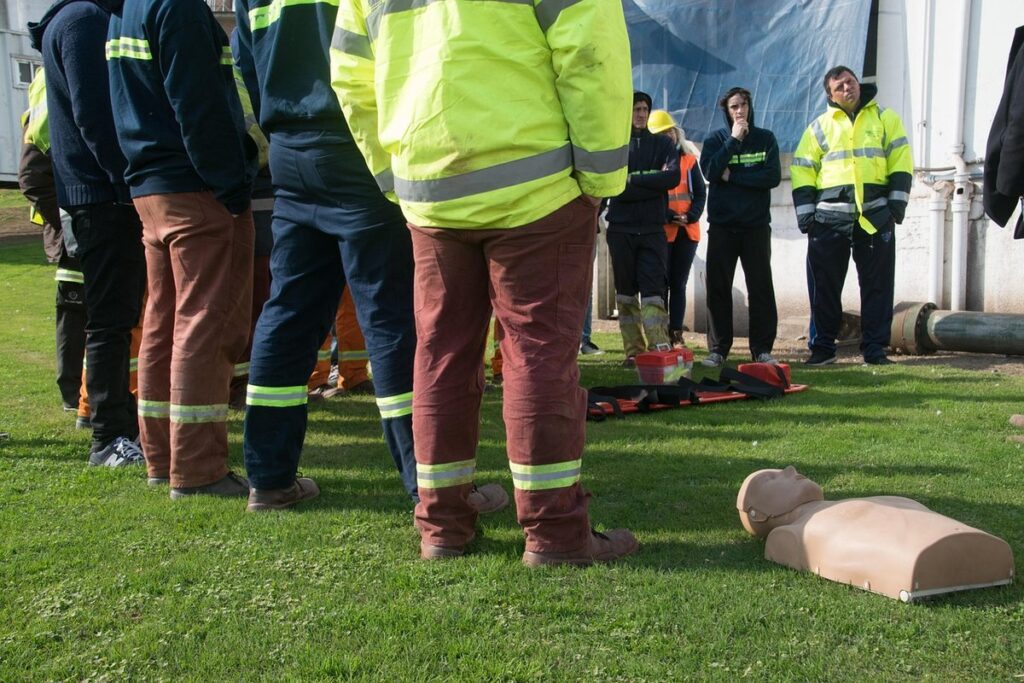
Understanding CPR Basics
To become a confident and effective caregiver, it’s essential to understand the fundamental principles of CPR and how they apply to children and infants. Let’s break down these basics together.
What is CPR and Why is it Important?
Cardiopulmonary resuscitation (CPR) is a lifesaving technique that’s essential for every parent to know. In an emergency situation where someone’s heart has stopped beating or they’re not breathing, CPR can help restore blood flow and oxygenation to the brain and other vital organs. This increases the chances of survival and reduces the risk of long-term damage.
CPR is crucial in situations like drowning, electrocution, poisoning, and cardiac arrest, which are common emergencies that can happen at home or during outdoor activities. In fact, according to the American Heart Association (AHA), CPR performed by bystanders can increase a person’s chances of survival from cardiac arrest by up to 75%. That’s why it’s essential for parents to learn how to perform CPR correctly.
By knowing the basics of CPR, you’ll be able to respond effectively in an emergency situation. This knowledge will also give you peace of mind and confidence as a parent, knowing that you can help save your child’s life if needed.
Recognizing Cardiac Arrest Symptoms
Recognizing cardiac arrest symptoms is crucial to administer CPR effectively. As a parent, it’s essential to know what to look for in case of an emergency. Cardiac arrest can occur without warning, but there are common signs that parents should be aware of.
Sudden collapse is one of the most obvious signs of cardiac arrest. If your child suddenly falls to the ground or becomes limp, it’s a cause for concern. Other symptoms include loss of consciousness, lack of breathing or pulse, and in some cases, confusion or disorientation.
If you notice any of these symptoms in your child, remain calm and call emergency services immediately. Check their airway, breathing, and circulation (ABCs) by gently tilting their head back, listening for breath sounds, and feeling for a pulse. If your child is unresponsive, not breathing, or has no pulse, start CPR with 30 chest compressions followed by two rescue breaths.
Early recognition of cardiac arrest symptoms can significantly improve outcomes in children. As a parent, it’s essential to be vigilant and know what to do in case of an emergency.
Preparing for CPR Emergencies
Before a cardiac emergency strikes, it’s essential you know what steps to take to prepare yourself and your family for lifesaving CPR. We’ll walk through the crucial steps to get ready.
Creating a Safe Environment for CPR
When performing CPR on a child, it’s essential to create a safe environment that allows you to focus on administering effective compressions. To start, clear the area around the child of any obstacles that could get in the way or cause injury. This might include moving furniture, turning off appliances, or even clearing away toys and other items that could be tripped over.
Next, make sure someone nearby can call emergency services for help. You’ll want to have a phone close by so you can quickly dial 911 (or your local emergency number) to get assistance on the way. It’s also helpful to keep the child’s airway clear, which means positioning their head and neck in a way that keeps their mouth and nose open.
While these steps might seem like common sense, they’re crucial in creating an environment where you can provide effective CPR. By clearing the area and having help on the way, you’ll be able to focus on giving compressions at a rate of 30-35 per minute and to a depth of about one-third of the child’s chest cavity.
Learning Basic First Aid Skills
As a parent, knowing basic first aid skills can mean the difference between life and death in an emergency situation. Before attempting CPR, it’s crucial to check the patient’s airway, breathing, and circulation (ABCs). This is often referred to as the primary assessment.
To assess the airway, look for signs of blockage or obstruction, such as a foreign object lodged in the mouth or throat. You can also listen for breath sounds or feel for airflow on your cheek. If the patient is not breathing, start CPR with 30 chest compressions followed by two rescue breaths. For breathing assessment, check if the patient’s chest rises and falls with each breath.
For circulation, check the patient’s pulse at the neck. You can also look for signs of bleeding or bruising that may indicate internal injuries. If you don’t feel a pulse, assume cardiac arrest and start CPR. Remember, these initial checks are critical in determining the best course of action during an emergency. By knowing how to assess ABCs, you’ll be better equipped to provide effective care until medical help arrives.
Performing Infant CPR
Infant CPR requires a slightly different technique than adult CPR, so let’s break down the key steps and procedures you need to follow. Understanding these basics will give you confidence in an emergency situation.
Understanding Infant CPR Techniques
When it comes to performing CPR on infants, it’s essential to understand the specific techniques required. The American Heart Association recommends a modified infant CPR technique that is different from adult and child CPR.
To perform chest compressions on an infant, place the heel of one hand on the center of their chest, just above the nipple line. Use your other hand to support the infant’s head and neck. Compress the chest to a depth of about 1/4 inch (6 mm), allowing for full recoil between each compression. For infants up to 12 months old, the recommended compression rate is 30-35 times per minute.
For rescue breaths, tilt the infant’s head back slightly and pinch their nose shut with your thumb and index finger. Give one breath that lasts about one second. The breath should make the infant’s chest rise. Continue cycles of 30 compressions to two breaths until emergency medical help arrives. If you have access to a bag-valve-mask (BVM) device, use it according to the manufacturer’s instructions for infants.
Remember, practice makes perfect. Consider taking an infant CPR class to learn hands-on and build your confidence in these lifesaving skills.
Recognizing Infant Heart Problems
As you learn CPR steps for parents, it’s essential to be aware of common heart problems that can affect infants. Congenital heart defects (CHDs) are a leading cause of infant mortality worldwide. These defects occur during fetal development and can range from mild to severe.
Some common signs of congenital heart defects in infants include rapid or delayed breathing rates, difficulty feeding due to fatigue or shortness of breath, and unusual sleeping patterns. Parents should be vigilant about monitoring their baby’s behavior and overall health, especially if they have a family history of CHDs.
To identify potential heart problems, pay attention to these red flags: persistent coughing or wheezing, frequent spitting up or regurgitation, and excessive sweating during feeding. If you suspect your infant is experiencing any of these symptoms, consult with your pediatrician promptly. A thorough medical examination and diagnostic tests can confirm the presence of a heart defect.
Remember, early detection and treatment are critical for infants with CHDs. By staying informed and knowing what to look out for, parents can play an active role in their baby’s health and well-being.
Performing Child CPR
When it comes to performing child CPR, every minute counts, and knowing the right steps can make all the difference in an emergency situation. Let’s dive into the specifics of CPR for kids.
Understanding Child CPR Techniques
When performing CPR on children, it’s essential to remember that their chest is smaller and more fragile than an adult’s. To deliver effective compressions, place the heel of one hand on the center of the child’s chest, just above the nipple line. Position the other hand on top of the first hand, with your fingers interlaced. Push down on the chest to a depth of about 1/3 to 1/2 of the chest cavity, aiming for a rate of at least 100-120 compressions per minute.
The key difference in rescue breaths is that children require smaller breaths than adults. Pinch the child’s nose shut and give two quick breaths, each lasting one second. The breath should not be too deep or too shallow – it should fill the lungs just enough to make the chest rise.
In general, CPR on a child is similar to adult CPR but with these adjustments in mind. Always remember that the goal of CPR is to keep blood circulating and oxygen flowing to the brain until medical help arrives. When performing CPR on a child, stay focused, keep your hands positioned correctly, and compress at the right rate to give them the best chance of survival.
Recognizing Child Heart Problems
Recognizing child heart problems is crucial to providing prompt and effective care. One common issue that affects children is arrhythmia, an irregular heartbeat. Parents should be aware of the warning signs, which can vary depending on the type of arrhythmia. For example, a normal sinus rhythm may slow down or speed up, while a supraventricular tachycardia (SVT) can cause a rapid heart rate.
Other common heart problems in children include congenital heart defects and cardiomyopathy. Congenital heart defects are present at birth and can lead to symptoms such as shortness of breath, fatigue, or blue-tinged skin. Cardiomyopathy is a condition where the heart muscle becomes weakened, leading to decreased function.
Parents should be aware of their child’s normal heartbeat and look out for any irregularities. They should also be familiar with common signs of distress, such as chest pain, difficulty breathing, or fainting spells. If they suspect a heart problem, parents should call emergency services immediately and provide as much information as possible about the symptoms and medical history.
Knowing what to look for and how to respond can help save a child’s life in an emergency.
Advanced Life Support (ALS) Procedures
As we move on from the basic steps of CPR, it’s essential that you know how to take a loved one through more complex and potentially life-saving procedures. We’ll cover advanced techniques for managing cardiac arrest in this next part.
Using Automated External Defibrillators (AEDs)
Using an Automated External Defibrillator (AED) is a crucial step in saving someone’s life during cardiac arrest. These devices are designed to be user-friendly and can be easily operated by anyone with minimal training. When an AED is nearby, it should be used immediately.
First, turn on the device and let it analyze the person’s heart rhythm. If the AED determines that a shock is needed, it will instruct you on how to proceed. Next, clear any clothing or objects from the person’s chest area and attach the AED pads according to the manufacturer’s instructions. Make sure the electrodes are securely attached and not twisted.
If the device prompts you to deliver a shock, stand back and press the button. The device will do the rest. Don’t touch the person during this process as electricity can pass through your body. Once the shock is delivered, continue with CPR compressions until emergency medical personnel arrive.
Remember that AEDs are designed for use by anyone, so don’t hesitate to act in an emergency situation.
Administering Medications for Cardiac Arrest
When administering medications during cardiac arrest, it’s essential to follow established protocols and guidelines. Epinephrine is a commonly used medication in these situations. It helps stimulate the heart and increase blood pressure, giving medical professionals more time to perform CPR.
Administering epinephrine involves using an auto-injector or syringe to deliver the correct dose into a muscle, usually the mid-outer aspect of the upper arm. The recommended dose is 1 milligram for adults and children over 12 years old. For infants and children under 12, the dose is 0.01 milligrams per kilogram of body weight.
It’s crucial to note that epinephrine should only be administered after an automated external defibrillator (AED) has been applied and CPR has begun. This ensures that any underlying heart rhythm issues are addressed before attempting to stimulate the heart with medication. In addition to epinephrine, other medications like amiodarone may also be used in certain situations.
As a parent, it’s vital to understand your role in cardiac arrest response. While administering medications is typically left to medical professionals, being aware of the process can help you provide crucial support during an emergency.
After the Emergency: Supporting Family Members
Now that you’ve provided CPR for your child, it’s essential to turn your attention to supporting the rest of your family through what can be an incredibly challenging time. This section addresses their unique needs and concerns.
Managing Stress and Trauma
Managing stress and trauma after an emergency situation is crucial to prevent long-term emotional damage. As a parent, you’re already overwhelmed with worry about your child’s well-being, but it’s essential to acknowledge your own emotional needs during this time. The aftermath of an emergency can be just as challenging as the incident itself.
Seek support from healthcare professionals who have experience in pediatric care. They can provide guidance on how to manage stress and anxiety related to the emergency. You can also reach out to loved ones, such as family members or close friends, for emotional support. Sharing your experience with others can help you feel more connected and less isolated.
It’s also crucial to prioritize self-care during this time. Take breaks when needed, engage in activities that bring you comfort, and try relaxation techniques like deep breathing exercises or meditation. By acknowledging and addressing your own stress and trauma, you’ll be better equipped to support your child as they recover from the emergency situation.
Creating a Plan for Future Emergencies
Creating a plan with your family on how to respond in future emergencies is crucial for ensuring everyone’s safety and well-being. This plan should include designating a meeting point outside the home where family members can gather once they’ve evacuated the building.
Discuss this plan with all household members, including children, and make sure everyone understands their role in case of an emergency. Assign specific tasks to each person, such as checking for injuries or calling 911, so that no one is left wondering what to do.
Designate a meeting spot outside your home where family members can gather once they’ve evacuated the building. This could be a nearby landmark, a neighbor’s house, or even a pre-arranged location at school if children are old enough to take care of themselves in case of an emergency. Make sure everyone knows how to get to this meeting point safely and quickly.
Review your plan with your family regularly to ensure everyone remembers their roles and responsibilities. Practice the plan by conducting regular drills, which can help reduce anxiety and build confidence in responding to emergencies.
Additional Resources for Parents
If you’re looking for more support and guidance, we’ve compiled a list of reliable online resources and organizations that can help you stay informed on child health and safety. Check them out below!
Recommended CPR Training Courses
When it comes to learning CPR, it’s essential to enroll in reputable and accredited training courses. The American Heart Association (AHA) and American Red Cross (ARC) are two of the most recognized organizations offering comprehensive CPR training programs for parents.
The AHA’s Heartsaver Family & Friends CPR/AED course is designed specifically for families and caregivers, teaching them how to respond to emergencies involving adults, children, and infants. This program covers hands-only CPR, use of automated external defibrillators (AEDs), and relief of choking.
Similarly, the ARC offers a range of courses, including Adult CPR/AED, Child CPR/AED, and Infant/Child CPR/AED. These programs not only teach CPR techniques but also cover first aid skills for injuries and illnesses.
Other recommended courses include the AHA’s eLearning platform, which provides online training modules for a more flexible learning experience. Regardless of the program chosen, it’s crucial to practice your new skills regularly and stay up-to-date on the latest guidelines and recommendations.
Enrolling in these programs can help parents feel more confident and prepared to respond in an emergency situation.
Online CPR Resources for Families
As a parent, it’s essential to have access to reliable and comprehensive online resources that can help you learn more about CPR and cardiac arrest prevention. Fortunately, there are many websites, videos, and support groups available that cater specifically to families.
One of the most valuable resources is the American Heart Association (AHA) website, which offers a range of educational materials, including videos, articles, and infographics on CPR techniques for adults, children, and infants. The AHA also has a dedicated section on cardiac arrest prevention, which provides tips on how to reduce your family’s risk.
Another excellent resource is the American Red Cross (ARC) website, which offers online courses and training programs on CPR and first aid. You can learn at your own pace and take quizzes to test your knowledge. Additionally, you can join support groups like the Sudden Cardiac Arrest Foundation or the Heart Rhythm Society to connect with others who have experienced cardiac arrest.
By taking advantage of these online resources, you’ll be better equipped to handle a cardiac emergency and provide lifesaving care until medical help arrives.
Frequently Asked Questions
What if I don’t have a defibrillator (AED) nearby during an emergency?
While it’s ideal to have an AED on hand, you can still perform CPR and call for emergency services to get the child or infant to a hospital as quickly as possible. If you’re in a public place, look for someone who may be able to retrieve an AED from a nearby location.
Can anyone learn CPR, or do I need to have medical training?
Absolutely! Anyone can learn CPR with minimal training and practice. Online courses and hands-on training sessions are available, making it accessible for parents and caregivers. Even a basic understanding of CPR can make a significant difference in an emergency situation.
How often should I update my knowledge on advanced life support procedures?
It’s essential to stay current with the latest guidelines and recommendations from organizations like the American Heart Association (AHA). Reviewing and updating your knowledge regularly will ensure you’re equipped to handle various scenarios effectively. This can be done through online resources, workshops, or refresher courses.
What if I’m unsure about whether a child is experiencing cardiac arrest?
Don’t second-guess yourself in an emergency situation! If a child’s heart has stopped beating or they’re not breathing normally, it’s crucial to start CPR immediately and call for help. You can always seek guidance from medical professionals after the fact, but your prompt action will increase the chances of survival.
Can I use mouth-to-nose resuscitation instead of mouth-to-mouth in infant CPR?
No. Mouth-to-mountain technique is not a recommended method for infant CPR. Stick to the traditional mouth-to-mouth and chest compressions method as instructed by reputable healthcare organizations, such as the AHA. This ensures you provide the most effective care possible during an emergency.