
As a parent, ensuring your child develops healthy eating habits is crucial for their growth and well-being. A balanced diet plate for kids can make mealtime easier and ensure they get all the essential nutrients needed to thrive. But with so many conflicting opinions on what constitutes a healthy meal, it’s easy to feel overwhelmed. The truth is, a balanced diet plate doesn’t have to be complicated or time-consuming. By focusing on a few key principles, you can create meals that your child will love while providing them with the energy and nutrients they need to learn, play, and grow. In this article, we’ll explore the essential nutrients for kids and provide practical meal planning tips to help you create a balanced diet plate for kids.
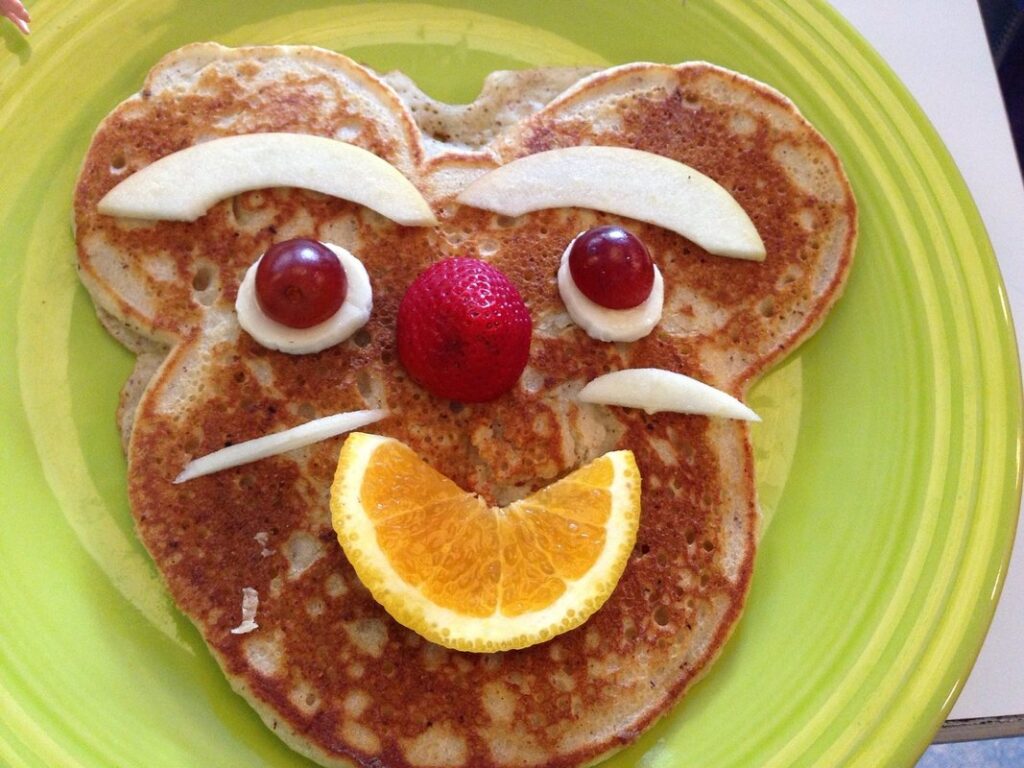
Understanding the Importance of Nutrition for Children
When it comes to feeding your kids, ensuring they get the right nutrients is crucial for their growth and development. This section will break down why nutrition matters most for young children’s health.
Nutritional Needs at Different Ages
As children grow and develop, their nutritional needs change dramatically. From infancy to adolescence, it’s essential to provide them with the right balance of nutrients to support optimal growth and development.
Infants from 0-12 months require a diet rich in protein, iron, and calcium. Breast milk or formula is essential during this stage, but once they start solid foods around six months, introduce single-ingredient purees like sweet potatoes, carrots, and avocados. These nutrient-dense foods will provide the necessary building blocks for growth.
Toddlers (1-3 years) need a diet that’s high in fiber to support their developing gut microbiome. Offer a variety of fruits, vegetables, whole grains, and lean proteins like chicken and fish. For example, try making homemade pasta sauce with pureed tomatoes, carrots, and zucchini for added nutrients.
School-age children (4-12 years) require more calories to support growth spurts. Focus on balanced meals that include complex carbohydrates, lean protein sources, and healthy fats like nuts and seeds. Consider making a “dirt dessert” using whole-grain cookies, bananas, and peanut butter for a fun twist on snack time.
Pre-teens (13-18 years) need even more nutrients to support rapid growth. Encourage them to drink plenty of water, eat lean proteins, and limit sugary snacks.
Common Dietary Mistakes Parents Make
As you strive to create a balanced diet plate for your kids, it’s essential to be aware of common dietary mistakes parents make. Many children develop unhealthy eating habits due to over-reliance on processed foods, which can lead to nutrient deficiencies and a higher risk of chronic diseases.
A significant mistake is not incorporating sufficient fruits and vegetables into their meals. The American Heart Association recommends that kids eat at least 1-2 cups of fruit and 2-3 cups of vegetables daily. However, many parents struggle to meet this goal due to time constraints or limited exposure to new foods.
Additionally, some parents inadvertently promote unhealthy snacking habits by providing easy-to-grab options like sugary drinks or junk food. These snacks may seem convenient, but they can fill the child’s plate with empty calories and hinder nutrient intake. To avoid these pitfalls, try introducing a variety of colorful fruits and vegetables at mealtime, and limit processed foods to special occasions.
Building a Balanced Diet Plate for Kids
Now that you have a basic understanding of what foods are part of each food group, it’s time to build a balanced diet plate for your kids. Let’s fill in the colors of the plate!
Fruits and Vegetables: The Foundation of a Healthy Diet
Fruits and vegetables are the unsung heroes of a child’s diet, providing essential nutrients, fiber, and antioxidants that support growth and development. Aim to fill half of the plate with these nutrient-dense foods. For younger children (ages 2-5), start with small portions (about 1/4 cup or a small handful) and gradually increase as they grow.
To ensure a variety of fruits and vegetables are included, try the “rainbow rule.” Aim to have at least five different colors on the plate each day. For example, pair blueberries (antioxidant-rich) with carrots (vitamin A), broccoli (fiber), spinach (iron), and sweet potatoes (beta-carotene). Limit starchy fruits like bananas and avocados to a few times a week.
Some key tips for introducing new fruits and vegetables include:
* Start with mild flavors and textures
* Involve your child in meal planning and grocery shopping
* Make it fun by trying different shapes, sizes, and dips (e.g., carrot sticks with hummus)
* Be patient – it can take multiple attempts to develop a taste for a new food
Remember, the goal is to cultivate a lifelong love of fruits and vegetables. With consistency and creativity, you’ll set your child up for a healthy relationship with food that will last well beyond childhood.
Protein Sources for Growing Bodies
When it comes to fueling growing bodies, protein is an essential nutrient that kids need to build and repair muscles, organs, and tissues. As a parent, you’re likely wondering what the best protein sources are for your little ones. The good news is that there are plenty of options beyond just meat.
Lean meats like chicken breast, turkey, and pork tenderloin are excellent choices. They’re not only high in protein but also lower in saturated fats and calories. For fish lovers, fatty fish like salmon and sardines are rich in omega-3 fatty acids, which support brain development and heart health. Don’t forget about plant-based options like beans, lentils, and tofu – they’re packed with protein and fiber.
Dairy products like milk, cheese, and yogurt are also great sources of protein. Look for low-fat or fat-free versions to keep things healthy. To incorporate these protein powerhouses into your child’s diet, try adding chicken or beans to pasta dishes, making a tuna salad with mixed greens, or serving Greek yogurt as a snack with fruit.
As a general rule, aim for 10-15% of daily calories from protein sources. For example, if your child needs 1,000 calories per day, that’s 100-150 grams of protein. By including a variety of these protein-rich foods in your child’s meals and snacks, you’ll be supporting their growth and development every step of the way.
Healthy Snacking Habits for Kids
Helping your kids develop healthy snacking habits is a crucial part of creating a balanced diet, and it’s easier than you think. In this next step, we’ll explore some simple tips for nutritious snacks that they’ll love.
The Role of Snacks in a Child’s Diet
Snacks play a vital role in providing energy and maintaining focus for kids throughout the day. When children are growing rapidly, their bodies require a constant flow of nutrients to support development and function optimally. Snacks fill this gap between meals by replenishing energy stores, stabilizing blood sugar levels, and preventing excessive hunger that can lead to overeating during regular meals.
Incorporating nutrient-dense snacks into your child’s daily routine is essential for maintaining focus and concentration at school or while engaging in physical activities. A well-timed snack can boost their mental performance by providing a surge of energy and reducing feelings of fatigue and lethargy. For instance, pairing a handful of nuts with fruit or whole-grain crackers with hummus offers a satisfying combination of protein, healthy fats, and complex carbohydrates to fuel active minds.
When selecting snacks for your child, prioritize nutrient-rich options such as fruits, vegetables, lean proteins, and whole grains. Aim for portion-controlled servings (about 100-200 calories) to avoid overconsumption of added sugars or unhealthy fats.
Healthy Snack Options for Children
When it comes to healthy snacking habits for kids, choosing the right options can be overwhelming. But don’t worry, we’ve got you covered! A balanced snack should provide a combination of nutrients, fiber, and satisfaction, keeping your little ones energized throughout the day.
Fruits are an excellent choice – try cutting up an apple or a banana and serving it with a dollop of peanut butter or almond butter. Not only is peanut butter a great source of protein, but it’s also delicious on its own or paired with fruit. Other fruits like berries, citrus fruits, or even sliced grapes make perfect snacks.
For a crunchy snack, consider cutting up veggies like carrots, cucumbers, or bell peppers and serving them with a side of hummus. Hummus is packed with fiber, protein, and healthy fats, making it an excellent dip for your child’s favorite veggies. Cheese sticks and whole grain crackers are also great options – try pairing them with peanut butter or avocado spread for added nutrition.
When preparing snacks, remember to involve your kids in the process! Let them help pick out their favorite fruits and veggies, or even help you make a homemade hummus dip. This will not only encourage healthy eating habits but also foster a love for cooking and meal prep from an early age.
Meal Planning Tips for Busy Families
As a busy parent, finding time to plan healthy meals can be overwhelming, but don’t worry, we’ve got some practical tips to simplify your meal planning routine. Let’s dive into the essentials of planning delicious and nutritious meals for your family.
Creating a Meal Plan That Works for Your Family
When it comes to creating a meal plan that works for your family, it’s essential to consider everyone’s dietary restrictions, preferences, and schedules. Start by identifying the needs of each family member, including food allergies, intolerances, or cultural requirements. Be honest about what foods you enjoy cooking and eating, as well as what you struggle with.
Consider a “theme night” approach where you dedicate specific nights to certain cuisines or dietary styles, such as Taco Tuesday or Vegetarian Wednesday. This can help reduce decision fatigue and make meal planning more manageable. Plan meals around seasonal produce to ensure freshness and affordability.
To make meal planning even more efficient, designate one day a week for grocery shopping and prep work. Use this time to chop vegetables, marinate meats, and assemble salads or casseroles. With some creativity and flexibility, you can create a meal plan that meets everyone’s needs and keeps your family nourished and happy.
One-Week Meal Plan Sample for Kids
Here is the content for the subsection “One-Week Meal Plan Sample for Kids”:
Creating a balanced diet plate for kids requires planning and creativity. Here’s a sample one-week meal plan that includes healthy breakfast, lunch, dinner, and snack options for kids:
Monday
* Breakfast: Whole wheat toast with scrambled eggs and banana slices
* Lunch: Grilled chicken sandwich on whole wheat bread with carrot sticks and hummus
* Dinner: Baked salmon with roasted vegetables (broccoli, cauliflower) and quinoa
* Snack: Apple slices with almond butter
Tuesday
* Breakfast: Overnight oats with milk, rolled oats, and mixed berries
* Lunch: Turkey and cheese wrap with lettuce, tomato, and cucumber slices
* Dinner: Chicken stir-fry with brown rice and mixed vegetables (bell peppers, snow peas)
* Snack: Greek yogurt with honey and walnuts
Wednesday
* Breakfast: Avocado toast on whole wheat bread with poached eggs
* Lunch: Grilled cheese sandwich on whole wheat bread with tomato soup
* Dinner: Beef tacos with lettuce, tomatoes, and brown rice
* Snack: Cottage cheese with sliced peaches
This meal plan includes a variety of fruits, vegetables, protein sources, and whole grains to provide essential nutrients for growing kids. Feel free to swap out ingredients based on your child’s preferences and dietary needs.
Overcoming Challenges in Implementing a Balanced Diet
As you start implementing a balanced diet for your child, you may encounter obstacles that hinder your progress. This section will help you overcome these common challenges and stay on track.
Common Barriers to Healthy Eating and How to Overcome Them
As a parent, you want the best for your child, and that includes feeding them a balanced diet. However, getting kids to eat healthily can be challenging, especially when faced with picky eating habits or busy schedules. Let’s face it – many parents struggle to provide their kids with the nutrients they need.
One of the most common barriers to healthy eating is picky eating. Some children are naturally more fussy than others and may refuse to try new foods. To overcome this, involve your child in meal planning and grocery shopping. Let them help choose fruits and vegetables at the store, and encourage them to try a small portion of new foods. Make it fun by creating a “taste test” game.
Time constraints are another obstacle many parents face. Between school runs, work, and extracurricular activities, it can be difficult to find time for meal prep or cooking from scratch. Here’s the good news: you don’t need hours of your day to cook a healthy meal. Try one-pot wonders like stir-fries or omelets that can be cooked in under 30 minutes.
Keep in mind that consistency is key when it comes to introducing new foods and habits. Stick to it, even on busy days. Offer healthy snacks between meals to keep energy levels up and prevent overeating at mealtimes.
Encouraging Kids to Try New Foods
When it comes to getting kids to try new foods, mealtime can often become a battleground. But what if we told you there’s a way to make the experience enjoyable and even fun? By making mealtime a positive experience, you’re not only encouraging your child to try new foods but also developing healthy eating habits that will last a lifetime.
Start by getting creative with presentation. Who says broccoli has to be steamed and plain? Try roasting it in the oven with some olive oil and seasoning for a delicious twist. Or, cut up carrots into sticks and serve them with hummus for a tasty dip. The visual appeal of food can go a long way in making it more appealing to kids.
Another effective strategy is to involve your child in the cooking process. Let them help you plan meals, shop for ingredients, or even prepare simple dishes like salads or sandwiches. Not only will they be more invested in trying new foods but also develop essential life skills that’ll benefit them in the long run.
Frequently Asked Questions
How do I know if my child is getting enough nutrients from their meals?
A well-balanced diet plate for kids should provide all the essential nutrients they need to thrive. To ensure your child is getting enough, pay attention to the variety of foods on their plate and include a source of protein, healthy fats, complex carbohydrates, fruits, and vegetables in each meal. You can also consult with a pediatrician or registered dietitian for personalized guidance.
Can I still give my child sugary snacks if they’re eating a balanced meal?
No, it’s not recommended to offer sugary snacks alongside a balanced meal. This can lead to an unhealthy relationship with food and create cravings for sweet treats. Instead, focus on incorporating healthy snack options into your child’s daily routine, such as fruits, cut veggies with hummus, or whole-grain crackers with peanut butter.
How do I get my picky eater to try new foods?
Encouraging kids to try new foods can be challenging, but it’s essential for their nutritional development. Start by introducing new foods in small amounts and gradually increase the serving size over time. Make mealtime engaging and fun by letting them help with food preparation or choosing a new fruit or vegetable to try each week.
What if my child has a food allergy or intolerance? Can I still follow a balanced diet plate?
Yes, it’s possible to create a balanced diet plate for kids with food allergies or intolerances. Consult with a pediatrician or registered dietitian to identify safe alternatives and develop a personalized meal plan that meets your child’s nutritional needs.
How often should I review and adjust my child’s meal plan to ensure they’re meeting their growing needs?
Regularly reviewing and adjusting your child’s meal plan is essential as they grow and develop. Schedule annual check-ups with a pediatrician or registered dietitian to assess your child’s nutritional progress and make adjustments as needed.