
As a parent or educator, have you ever wondered why your child struggles to stay organized, complete homework, or follow through on tasks? Executive function skills are at the heart of these challenges. These essential abilities help our kids plan, regulate their emotions, and make decisions – but when they’re struggling with executive function, it can be a game-changer for learning and development. In this article, we’ll explore the signs of weak executive function in children, what causes them, and most importantly, how you can support and develop these skills at home and in the classroom. We’ll dive into practical strategies for improvement, from setting up a daily routine to teaching organizational techniques that will make a real difference in your child’s academic success and overall well-being.
What Are Executive Function Skills?
Executive function skills are a set of high-level thinking processes that help children manage time, stay organized, and control their impulses. Let’s take a closer look at what these skills entail.
Definition and Importance
Executive function skills are a set of high-level cognitive processes that enable children to plan, organize, and execute tasks. These skills are essential for children’s success, as they directly impact their ability to learn, manage time, and interact with others. The importance of executive function skills cannot be overstated, as difficulties in this area can hinder a child’s academic performance, social relationships, and overall well-being.
Imagine a child struggling to complete homework assignments on time, forgetting important tasks or appointments, or having trouble initiating activities. These challenges are often indicative of underlying executive function deficits. Children with strong executive function skills, on the other hand, are better equipped to set goals, prioritize tasks, and regulate their emotions – leading to greater success in school and beyond.
It’s not just about academics; executive function skills influence daily life in many ways. They help children develop self-awareness, self-regulation, and self-motivation. By understanding and supporting the development of these essential skills, parents and caregivers can provide a strong foundation for their child’s long-term success and happiness.
Types of Executive Functions
Executive functions are not a single skill, but rather a set of cognitive processes that work together to help children plan, organize, and execute tasks. There are several key components of executive function skills that you should be aware of. Let’s break them down:
* Working memory is the ability to hold and manipulate information in your mind for short periods of time. For example, if a child is given a list of instructions, they need to be able to recall and follow each step without getting confused or forgetting important details.
* Cognitive flexibility is the ability to switch between different mental tasks or adjust plans when needed. Imagine a child who has to transition from playing with blocks to doing their homework – they need to be able to change gears quickly and focus on the new task.
* Planning involves thinking ahead, breaking down large tasks into smaller ones, and creating a schedule to stay organized. A child who is struggling with planning might have trouble completing a long-term project or remembering upcoming deadlines.
* Self-regulation refers to the ability to control one’s emotions and behaviors in response to different situations. This can include regulating impulses, managing stress, and developing self-motivation.
* Inhibition is the ability to suppress impulsive behaviors and thoughts. A child who has difficulty with inhibition might have trouble waiting for their turn, interrupting others, or staying focused on a task.
Each of these components is essential for everyday functioning, and deficits in one area can impact overall executive function skills.
Signs of Weak Executive Function Skills in Children
Knowing the signs of weak executive function skills in children is crucial for early intervention and support, so let’s explore some common indicators to look out for.
Identifying Red Flags
When working with children who may have weak executive function skills, it’s essential to be aware of common red flags that indicate they’re struggling. One of the most obvious signs is difficulty with organization and time management. You might notice that their backpacks are a mess, with assignments due tomorrow mixed in with last week’s homework. Or, they consistently forget about upcoming events or deadlines.
Another sign is trouble with self-regulation, which can manifest as difficulties managing emotions, impulsive behaviors, or frequent meltdowns. This can be especially challenging for parents and caregivers who feel like they’re constantly trying to calm their child down or prevent outbursts.
To better identify these red flags in your own child, take a close look at their daily habits and routines. Do you notice that they’re consistently late to school, or do they often forget essential items like their lunch or water bottle? Are there patterns of behavior that seem impulsive or poorly thought-out?
By paying attention to these signs and symptoms, you can start to identify areas where your child may need extra support or accommodations to help them better develop their executive function skills.
How Executive Function Difficulties Can Affect Daily Life
When children struggle with executive function skills, it can be challenging to watch them navigate daily life. One of the most significant impacts is on their daily routines. Simple tasks like getting dressed, eating breakfast, and brushing teeth can become overwhelming and stressful for a child who struggles with planning, organization, or time management.
Executive function challenges can also affect relationships with family members and friends. A child may have difficulty initiating or maintaining conversations, leading to feelings of isolation or loneliness. For example, they might struggle to respond to questions from teachers or classmates during lessons, making it hard for them to make connections with peers.
Academically, executive function difficulties can hinder a child’s ability to complete homework, participate in class discussions, and meet deadlines. They may have trouble organizing materials, following instructions, or staying focused on tasks, leading to frustration and decreased motivation. If you suspect your child is struggling with executive function skills, start by observing their strengths and weaknesses and looking for patterns in their behavior. By understanding the specific areas where they need support, you can develop strategies to help them overcome these challenges and build resilience in daily life.
Causes and Risk Factors of Weak Executive Function Skills
Children with weak executive function skills may be more likely to have certain underlying conditions, such as ADHD, autism, or traumatic brain injury. These conditions can impact cognitive development and impair everyday functioning.
Genetics and Brain Development
Genetic predispositions can significantly impact a child’s development of executive function skills. Research suggests that genetic factors contribute to around 50-60% of the variation in executive functioning abilities. Certain genetic conditions, such as ADHD and autism spectrum disorder (ASD), often involve executive function deficits.
Brain development milestones are also crucial for establishing strong executive function skills. During childhood and adolescence, the brain undergoes significant changes, particularly in regions responsible for executive functions like decision-making and problem-solving. For instance, the prefrontal cortex, a key area for executive functioning, isn’t fully developed until around age 25.
Understanding these genetic and neurodevelopmental factors can help parents and caregivers recognize potential vulnerabilities in a child’s executive function development. Early identification allows for targeted interventions to support growth in areas like planning, organization, and self-regulation. For example, if you notice difficulties with time management or impulsivity, consult with your pediatrician about strategies tailored to your child’s specific needs.
While genetics play a significant role, environmental factors also significantly impact executive function skills. By providing a supportive environment that promotes healthy habits, adequate sleep, and regular physical activity, you can help optimize your child’s brain development and mitigate genetic predispositions.
Environmental and Societal Factors
Children growing up in environments with limited resources, such as poverty, may face unique challenges that impact their executive function skills. For instance, they might be exposed to frequent moves, changes in caregivers, and reduced access to educational opportunities. These stressors can affect brain development, making it harder for children to regulate emotions, plan ahead, and complete tasks.
Trauma is another environmental factor that can significantly impact executive function skills in children. Research suggests that children who experience trauma are more likely to exhibit difficulties with self-regulation, working memory, and attention. This is because their brains are constantly “on alert,” making it challenging for them to focus on learning and development.
The learning environment also plays a crucial role in shaping executive function skills. Children who attend schools with inadequate resources or poor teacher support may struggle to develop these essential skills. In contrast, children attending schools with well-structured routines, supportive teachers, and access to extracurricular activities tend to excel.
Strategies for Supporting Executive Function Skills Development
Let’s dive into practical strategies you can use at home and in daily life to support your child’s development of essential executive function skills. We’ll explore hands-on ways to help them thrive.
Collaborative Problem-Solving Approach
The Collaborative Problem-Solving Approach is a powerful strategy for supporting executive function skills development in children. This approach empowers kids to develop self-regulation and problem-solving abilities while maintaining positive relationships with adults. By working together, children learn to identify problems, generate solutions, and make decisions that promote their own growth and development.
This approach focuses on the child’s perspective and acknowledges their strengths and capabilities. It encourages open communication and collaboration between the child and adult, fostering a sense of mutual respect and trust. When implementing the collaborative problem-solving approach, it’s essential to focus on the process rather than the outcome. By doing so, you help children develop resilience and perseverance.
In practice, this might look like working together with a child to identify strategies for staying focused during homework or planning a fun activity that meets their needs. By taking ownership of their problems and solutions, children build confidence in their ability to self-regulate and make positive choices. As an adult supporting a child’s executive function skills development, consider adopting this approach by asking open-ended questions, actively listening, and providing choices that promote autonomy.
Accommodations and Modifications in the Classroom
When teaching children with executive function difficulties, it’s essential to be flexible and adaptable in your instructional approach. This means providing accommodations and modifications that cater to their individual needs.
One effective strategy is to offer extra time for assignments or exams. This can help reduce stress and anxiety caused by time constraints, allowing students to focus on completing the task accurately. You can also consider breaking down larger projects into smaller, manageable tasks, making it easier for them to stay organized and motivated.
Assistive technology can also be a game-changer in supporting executive function skills. Text-to-speech software, for example, can help with writing assignments by providing audible feedback on grammar, spelling, and punctuation. Mind mapping tools can aid with organization and planning, while apps like Habitica or HabitBull can assist with time management and habit formation.
By incorporating these accommodations and modifications into your teaching practice, you can create a more inclusive and supportive learning environment for students with executive function difficulties.
Building Executive Function Skills Through Activities and Games
Now that we’ve explored what executive function skills are, let’s dive into fun ways to help your child build these essential skills through engaging activities and games.
Fun and Engaging Exercises
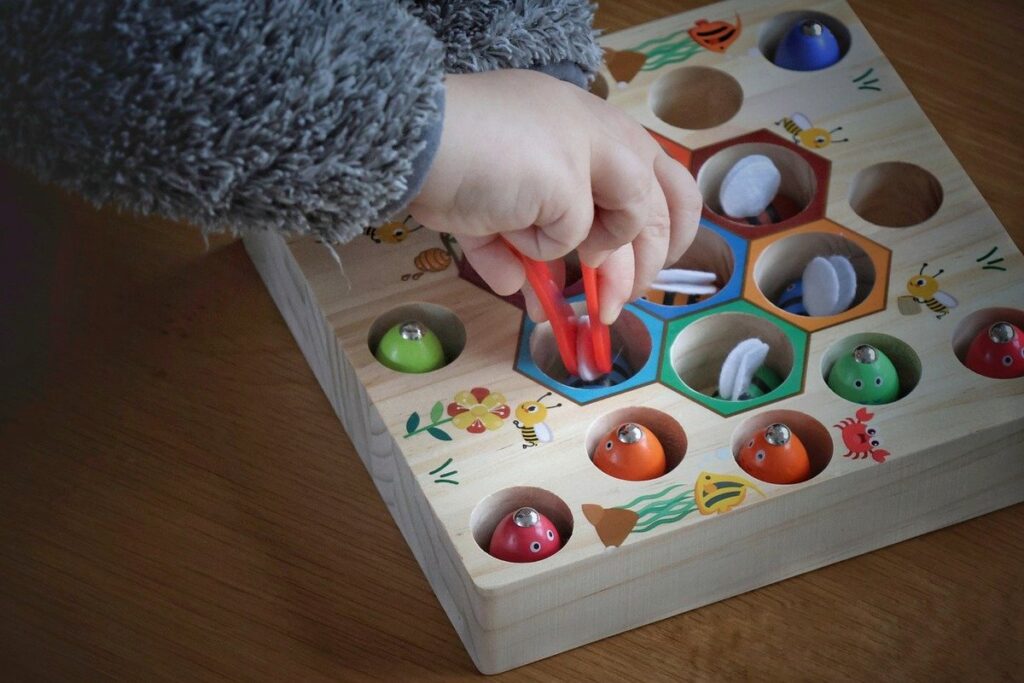
Incorporating fun and engaging exercises into daily activities can make a significant difference in building executive function skills in children. Games, puzzles, and activities that specifically target different components of executive functions can be highly effective.
For example, planning skills can be developed through games like “Simon Says” or “Red Light, Green Light,” which require children to follow instructions, anticipate what’s coming next, and plan their actions accordingly. Working memory can be strengthened through activities like memory matching games, where children need to remember the location of specific objects.
Cognitive flexibility can be improved through puzzles like Rubik’s Cube or brain teasers that challenge children to think creatively and adapt to changing situations. Board games like Chess or checkers also require strategic planning, problem-solving, and adapting to new information – all essential executive function skills.
Make time for these activities with your child, and watch their executive function skills grow in a fun and engaging way.
Incorporating Executive Function-Supporting Activities into Daily Routine
Incorporating executive function-supporting activities into daily routines is an effective way to support children’s development while making it fun and engaging for them. One of the simplest ways to start is by adding a “brain break” to their morning routine, such as solving a puzzle or playing a short game that requires planning and organization.
For example, you can incorporate activities like memory games, matching games, or sequencing puzzles into your child’s daily schedule. These activities help improve working memory, which is an essential component of executive function skills. You can also try incorporating physical activities that require planning and organization, such as setting up a mini obstacle course or playing a game of hide-and-seek.
Another way to support executive function development through daily routines is by encouraging children to plan and prepare for meals or snacks. This can involve tasks like making a shopping list, creating a meal plan, and even cooking simple recipes. By incorporating these activities into their daily routine, you’ll be helping your child develop essential skills in planning, organization, and self-regulation.
Supporting Children with Executive Function Challenges at Home
When supporting a child with executive function challenges at home, it’s essential to understand how their brain works and what strategies can help them overcome daily struggles. Here are practical tips for creating a supportive environment.
Parent-Child Collaboration
When it comes to supporting children with executive function challenges at home, one of the most crucial elements is parent-child collaboration. By working together as a team, you and your child can tackle problems and develop strategies that help them build resilience and independence.
Collaborative problem-solving involves actively engaging with your child to understand their thought process and perspective. This means putting aside your own solutions and instead, focusing on what they think would work best. For example, if your child is struggling with time management, ask them how they think they can better plan their day or complete their tasks.
By working together, you can create a safe and supportive environment where your child feels comfortable sharing their thoughts and ideas. This approach also helps to build trust and strengthens your relationship with your child. Remember, the goal of collaborative problem-solving is not to provide answers or fix problems for your child, but rather to empower them with the skills they need to succeed.
Start by having open and honest conversations with your child about their challenges and strengths. Ask them what strategies they think would work best for managing their time or completing tasks. By actively listening to their ideas and providing support, you can help build their confidence and develop a deeper understanding of their executive function needs.
Creating a Supportive Home Environment
Creating a supportive home environment is crucial for children with executive function challenges to develop and strengthen their skills. One of the most effective ways to do this is by setting clear expectations. This means establishing routines and rules that are easy to follow, providing a visual reminder of what needs to be done, and consistently enforcing consequences when these expectations are not met.
Provide your child with structure and organization tools such as planners, calendars, or apps to help them stay on track. For example, you can create a morning routine chart that outlines the steps needed to get ready for school. This helps them develop self-regulation skills, allowing them to take ownership of their tasks and time management.
Another essential aspect is encouraging self-regulation. Allow your child to make choices within reason, such as choosing what to wear or what activity to do after completing their homework. This empowers them to feel more in control and builds confidence. By doing so, you’re teaching them how to prioritize, manage distractions, and develop problem-solving skills – all vital components of executive function development.
Frequently Asked Questions
How can I prioritize executive function skills development for my child with multiple areas of weakness?
Prioritizing executive function skills development can be challenging, especially when your child struggles with multiple areas. Start by identifying the most critical deficits that impact their daily life and academic performance. Collaborate with teachers or professionals to create a customized plan focusing on one or two key skills at a time. Break down larger tasks into smaller, manageable chunks, and provide frequent feedback and support.
What are some common mistakes parents make when trying to develop executive function skills in children?
Parents often make the mistake of being too rigid or inflexible when teaching organizational techniques or daily routines. This can lead to resistance from your child, making it harder to establish healthy habits. Be open to adjustments and try to find a balance between structure and flexibility. Also, avoid labeling your child as “lazy” or “disorganized,” as this can create negative self-perceptions.
How can I differentiate between genuine lack of motivation and executive function deficits?
Distinguishing between motivational issues and executive function deficits requires careful observation and communication with your child. Pay attention to their self-talk, body language, and overall attitude towards tasks. If they’re struggling with staying focused or completing assignments due to difficulties with planning, organization, or time management, it may be related to executive function skills.
What are some strategies for adapting executive function supports for children with unique learning needs?
Children with special needs require tailored approaches to developing executive function skills. Work closely with their IEP team or therapist to identify individualized accommodations and modifications. Use assistive technology, visual aids, or multisensory teaching methods to cater to your child’s learning style. Also, incorporate frequent breaks, movement opportunities, and sensory integration activities to help them stay focused.
How can I balance supporting my child’s executive function development with maintaining a structured home environment?
Maintaining a balance between supporting executive function skills and establishing a structured home environment requires patience, flexibility, and effective communication. Set clear expectations for daily routines and tasks, but also be willing to adjust your approach as needed. Encourage your child to take ownership of their time management and organization by providing choices and involving them in goal-setting processes.