
As you watch your little ones scribble on paper or draw shapes with crayons, you might wonder when they’ll learn to write their own name, let alone hold a pencil correctly. Developing prewriting skills in preschoolers is a crucial step towards laying the foundation for future academic success. Not only do these early skills benefit cognitive development, but they also play a significant role in social-emotional growth and language development. As a parent or educator, you can make a positive impact on your child’s learning journey by creating a supportive environment that encourages exploration and creativity through play-based activities. In this article, we’ll explore how to foster prewriting skills in preschoolers and provide practical tips for incorporating these essential skills into daily life.
Understanding the Importance of Prewriting
Developing essential prewriting skills in preschoolers is crucial for their future academic success, and understanding its importance is the first step to making it a priority. Let’s dive into why prewriting skills matter most.
Recognizing the Benefits of Prewriting for Young Children
Prewriting skills are often overlooked as a critical component of early childhood development. However, research has shown that prewriting activities can have a significant impact on preschool-age children’s cognitive, social-emotional, and language development.
Cognitively, prewriting activities help young children develop their fine motor skills, hand-eye coordination, and problem-solving abilities. Activities like finger painting, drawing with crayons, and manipulating playdough allow children to experiment with different materials and techniques, laying the groundwork for future writing skills. For instance, a child who can manipulate small objects, such as beads or counting blocks, is more likely to develop the dexterity needed for holding a pencil.
In addition to cognitive benefits, prewriting activities also promote social-emotional growth by encouraging creativity, self-expression, and imagination. Children are able to explore different textures, colors, and patterns, developing their sense of curiosity and wonder. Furthermore, prewriting activities can help children build confidence in their abilities, as they learn to create something from scratch.
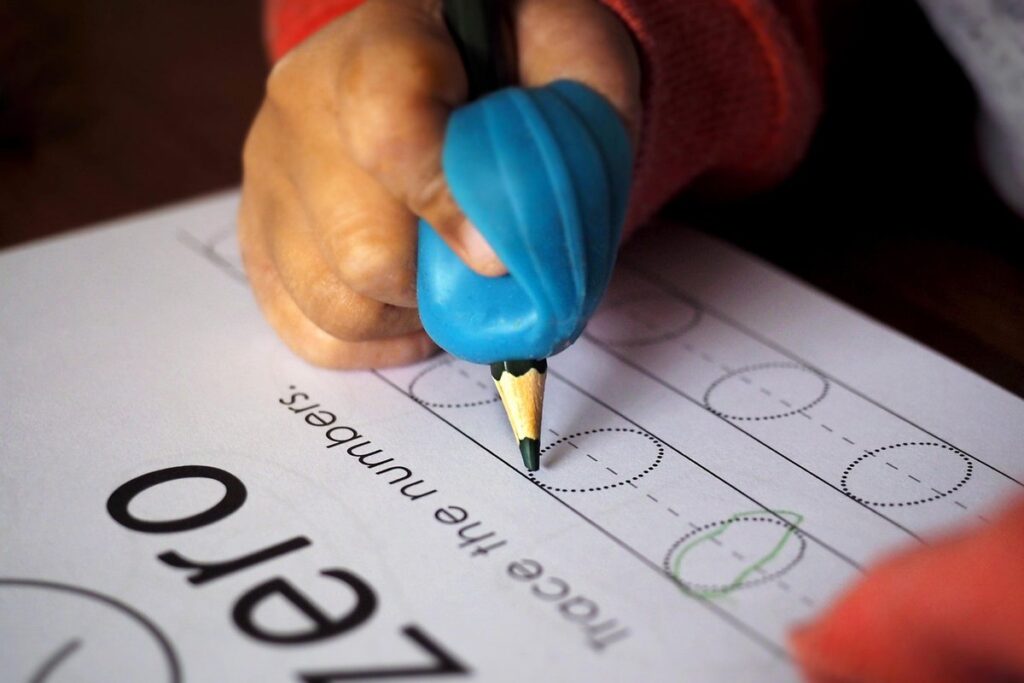
From a language development perspective, prewriting skills lay the foundation for future reading and writing abilities. Activities like scribbling, drawing, and tracing letters introduce children to the concept of symbolic representation, allowing them to associate sounds with written symbols. As children engage in these activities, they begin to develop phonological awareness, which is essential for learning to read and write.
Addressing Common Misconceptions About Prewriting
When developing prewriting skills in preschoolers, it’s common for parents and educators to get bogged down in misconceptions about what prewriting actually entails. Let’s clear up some of these misunderstandings.
Prewriting is often confused with handwriting or spelling skills, but these are distinct academic skills that build upon the foundation laid by prewriting. Handwriting, in particular, requires fine motor control and muscle memory to produce legible letters, whereas prewriting focuses on exploring materials and developing a sense of directionality, shape-making, and experimentation.
To illustrate this distinction, consider a child scribbling with crayons on a piece of paper. On the surface, it may appear as though they’re simply creating random marks, but in reality, they’re engaging in a prewriting activity that allows them to explore texture, movement, and visual representation. By emphasizing prewriting skills over handwriting or spelling, you’ll set your child up for success in developing a strong foundation in these later academic skills.
Preparing the Preschool Classroom Environment for Prewriting
Creating a preschool classroom environment that fosters prewriting skills is crucial, so let’s talk about setting up a space that encourages exploration and creativity. We’ll cover the key elements to include in your classroom design.
Creating a Positive and Supportive Learning Space
Setting up a classroom environment that encourages creativity, curiosity, and exploration is crucial for developing prewriting skills in preschoolers. A well-designed space can foster a sense of wonder and inquiry, laying the groundwork for young children to develop essential writing skills.
To create such an environment, consider incorporating various textures, colors, and materials that invite exploration. For instance, you could set up a sensory bin filled with play dough, sand, or water, allowing children to engage their senses and experiment with different consistencies. This type of hands-on experience can help young children develop their fine motor skills, hand-eye coordination, and creativity.
Additionally, make sure to provide ample opportunities for gross motor movement throughout the day. This can be achieved through activities like dance, music, or outdoor play. Regular physical activity not only promotes overall health but also enhances cognitive development, which is vital for prewriting skills.
When arranging your classroom layout, consider creating different zones that cater to various interests and needs. For example, a “Writing Nook” with pillows, books, and writing materials can become a cozy spot for children to express themselves through written language.
Encouraging Active Participation and Engagement
When engaging preschoolers in hands-on activities that promote prewriting skills development, it’s essential to create an environment that encourages active participation and engagement. Here are some strategies to help you do just that.
To get started, provide a variety of materials such as crayons, markers, paints, and chalk for drawing and writing activities. Make sure the workspace is well-organized and easy to navigate, allowing children to move around freely and explore their creativity. For example, set up a “drawing station” with paper, pencils, and erasers where children can express themselves through art.
Another effective strategy is to incorporate storytelling into your daily routine. Gather the children for a read-aloud session or have them take turns telling a story using puppets or stuffed animals as props. This helps develop their language skills while fostering creativity and imagination.
Consider setting up a “writing center” where children can practice writing their names, shapes, and basic words with play dough, sand, or shaving cream. You can also create a “storytelling wall” where children can contribute to a group story by adding one sentence at a time.
Developing Prewriting Skills Through Play-Based Activities
Engage your preschoolers in fun play-based activities that help develop their prewriting skills, such as scribbling and drawing, to build a strong foundation for future writing abilities. These activities are sure to delight young learners!
Using Sensory Play to Foster Fine Motor Development
When engaging your preschooler in sensory play activities, you’re not only entertaining them but also supporting their fine motor development – a crucial aspect of prewriting skills. Let’s take a closer look at how to utilize various sensory experiences to enhance their hand-eye coordination and dexterity.
Playdough is an excellent example of a tactile activity that promotes finger independence and strength. You can easily make your own playdough using flour, water, salt, and food coloring. Encourage your child to manipulate the dough with different tools like rollers, cutters, or even their fingers. This will help them develop precision and control – essential for forming letters.
Sand is another fantastic sensory material that fosters fine motor skills. You can set up a sandbox or even use a tray filled with sand. Add some small toys or other objects for your child to discover and move around using their hands and fingers. This activity develops hand strength, finger dexterity, and coordination – all vital for prewriting.
To further enhance these activities, try incorporating different textures and materials like play beads, rice, or even pasta. Remember to supervise and engage with your child during sensory play, as this will not only make the experience enjoyable but also encourage active learning and exploration.
Engaging Preschoolers in Drawing and Artistic Activities
Engaging preschoolers in drawing and art activities is an excellent way to develop their prewriting skills. These creative exercises not only enhance hand-eye coordination but also foster imagination and self-expression. At this young age, it’s essential to encourage exploration and experimentation with various materials.
For instance, try setting up a paint station with washable paints, paper, and brushes. Let the children create whatever they like without worrying about perfection. This freedom will allow them to develop their fine motor skills as they move the brush across the paper. You can also incorporate other materials like crayons, markers, or even playdough for an added tactile experience.
To take it a step further, introduce various techniques such as making patterns with paint, drawing shapes and lines, or creating textures using different objects. These simple activities will not only keep your little ones engaged but also lay the foundation for more complex prewriting skills like tracing, writing, and drawing in the future.
Integrating Prewriting into Everyday Routines
To incorporate prewriting skills seamlessly into daily routines, consider implementing simple activities during transitions and daily tasks, such as mealtimes and bath time. This section will explore practical ideas for everyday integration.
Incorporating Writing into Daily Tasks
Incorporating writing into daily tasks can be as simple as making it a part of your child’s everyday routine. Why not start with something as basic as breakfast time? As they pour themselves a bowl of cereal, have them write their name on the box or a sticky note to place next to their plate. This small activity gets them used to holding a pencil and makes writing feel like play.
You can also make snack time a writing opportunity by having your child draw a picture or write a short sentence about what they’re eating. For example, “I’m eating apples!” or “Yum, goldfish crackers!” These simple exercises may seem insignificant, but they lay the foundation for more complex writing skills down the line.
Another idea is to create a daily routine chart with your child’s name and have them draw a picture or write a short sentence each day. This can be something as mundane as making their bed or brushing their teeth, but it teaches them that writing is an essential part of life.
Using Songs, Rhymes, and Stories for Language Development
Using songs, rhymes, and stories is an excellent way to support prewriting skills development in preschoolers. These engaging tools can help young children develop phonetic awareness and repetition, two essential components of prewriting.
For example, singing the alphabet song repeatedly exposes children to the sounds and rhythms of language, laying a foundation for writing. Similarly, reciting nursery rhymes like “The Wheels on the Bus” or “Old MacDonald Had a Farm” helps children become aware of word patterns, syllable stress, and phoneme manipulation – all crucial skills for prewriting.
Reading stories aloud also plays a significant role in prewriting development. When reading stories with repetition, such as Dr. Seuss’s “The Cat in the Hat,” children begin to recognize patterns and predict what comes next. This fosters an understanding of how language works and builds confidence in their ability to manipulate words.
To integrate these tools into your daily routine, try the following:
* Sing the alphabet song or other familiar tunes with actions for reinforcement
* Read nursery rhymes or stories with repetition regularly
* Encourage children to join in on readings and recitations
* Create a storytime tradition where you and the child take turns adding lines to a narrative
Assessing Prewriting Skills in Preschoolers
Understanding whether your preschooler has developed essential prewriting skills is crucial to their future academic success. This section will guide you through assessing these skills in young learners.
Identifying Signs of Emerging Prewriting Abilities
As you watch your preschooler explore their creativity through play, it’s essential to recognize the early signs of emerging prewriting abilities. Around 18-24 months, children begin to develop their fine motor skills and hand-eye coordination, laying the foundation for writing. Here are some indicators that your child is on the path to developing their prewriting skills:
* They start to make scribbles or random marks with a crayon or pencil, which may seem unorganized but indicate an attempt to create something.
* Your child becomes fascinated with drawing and coloring, often asking to hold a writing tool and imitate others who are writing.
* They begin to show interest in manipulating small objects like beads or playdough, developing their pincer grasp and hand strength.
When you see these signs, encourage your child’s creativity by providing various materials for them to explore. Offer large crayons or washable markers that are easy to grip, and engage in activities that promote hand-eye coordination, such as stacking blocks or playing with playdough. By acknowledging and nurturing these early attempts at prewriting, you’ll be helping your child build a strong foundation for future writing skills.
Using Standardized Assessments for Accurate Evaluation
When it comes to accurately evaluating prewriting skills in preschoolers, standardized assessments play a crucial role. These assessments provide a comprehensive picture of each child’s progress by measuring their abilities against established benchmarks. Standardized assessments can be used across different classrooms, schools, and even districts, allowing for consistent evaluation.
One widely used standardized assessment is the Developmental Profile, which evaluates young children’s cognitive, social-emotional, and physical skills. Another example is the Bayley Scales of Infant and Toddler Development (Bayley-III), which assesses cognitive, language, motor, and social-emotional development in children from 1 to 42 months.
To administer standardized assessments effectively, it’s essential to follow the instructions carefully and use the materials provided. This may involve using worksheets with specific tasks or activities designed to elicit responses that can be measured against established criteria. By doing so, educators can gain a clear understanding of each child’s strengths and weaknesses in prewriting skills.
It’s also important for teachers to understand how to interpret the results accurately, as this will enable them to create targeted interventions and lesson plans tailored to individual needs.
Conclusion: The Role of Parents and Caregivers in Supporting Prewriting Development
Now that we’ve explored strategies for developing essential prewriting skills, let’s discuss how parents and caregivers can support their child’s progress in a meaningful way.
Tips for Encouraging Prewriting at Home
As parents and caregivers, you play a vital role in supporting prewriting development at home. Encouraging this skill outside of the classroom can be achieved through simple yet effective strategies. One way to do this is by incorporating creative activities that stimulate fine motor skills, such as playdough or finger painting.
Engage your child in daily routines like drawing during breakfast or scribbling on a chalkboard before bath time. These moments not only provide entertainment but also develop muscle memory and coordination. Make writing fun by using various tools like crayons, markers, or even sticks to create different textures and effects.
Create a dedicated space for creativity and exploration, such as a craft corner or art table. This designated area encourages your child to express themselves freely without the pressure of creating perfect work. Offer guidance and support while allowing them to take ownership of their creations.
Remember, consistency is key when encouraging prewriting development at home. Regularly schedule activities that promote this skill, even if it’s just 10-15 minutes a day. By doing so, you’ll be amazed at how quickly your child develops essential prewriting skills and builds confidence in their creative abilities.
Emphasizing the Importance of Continuous Practice and Feedback
As you’ve worked with your preschooler to develop their prewriting skills, it’s essential to remember that practice and feedback are ongoing processes. Lasting improvement requires consistent effort from both of you. Encourage your child to continue practicing their fine motor skills through activities like drawing, coloring, and playdough.
Constructive feedback is equally important in this process. When giving feedback, focus on specific actions rather than general praise or criticism. For example, instead of saying “great job writing!” say “I love how you’re holding your pencil correctly now.” This targeted feedback helps your child understand what they’re doing well and what needs improvement.
To make practice sessions more engaging and effective, try incorporating games and challenges into your routine. You can also provide opportunities for your child to reflect on their own learning by asking open-ended questions like “What do you think was the hardest part of writing today?” or “How do you think you could improve next time?” By making these conversations a regular part of practice sessions, you’ll be helping your child develop not only their prewriting skills but also a growth mindset.
Frequently Asked Questions
What if my child shows little interest in drawing or scribbling? Should I force them to practice prewriting skills?
Yes, it’s essential to remember that every child develops at their own pace, and some might need more encouragement than others. Instead of forcing them, try to make the experience enjoyable by incorporating play-based activities, using a variety of materials like crayons, markers, or paint, and celebrating small successes along the way.
How can I incorporate prewriting skills into our daily routine without making it feel too structured or formal?
Try integrating writing activities into your child’s everyday tasks, such as having them help with grocery lists, writing their name on a picture, or labeling toys. This will make learning fun and engaging while teaching essential fine motor skills.
Can I use digital tools to support my preschooler’s prewriting development, or is it better to stick with traditional materials?
Yes, you can definitely incorporate digital tools into your child’s prewriting journey. Apps like ABCmouse, Toca Life, and Procreate offer a range of interactive writing activities that can be both fun and educational.
What if I notice my preschooler struggling with fine motor skills or showing resistance to writing? How can I address these challenges?
Identify the source of resistance – is it due to frustration, lack of interest, or physical discomfort? Try adapting your teaching approach by offering a range of materials, adjusting activity duration, and incorporating regular breaks. You can also consult with an occupational therapist for personalized guidance.
Can prewriting skills be developed without formal education settings? How can I support my child’s development at home?
Absolutely! Prewriting skills can be fostered through play-based activities in your own home environment. Engage your child in drawing, painting, and writing games using everyday materials like crayons, markers, or chalk. Make learning fun and interactive by creating a positive and supportive space that encourages exploration and creativity.