
As a parent, there’s nothing more terrifying than thinking about your family’s safety in an emergency situation. Whether it’s a natural disaster, power outage, or health crisis, being prepared can make all the difference. But where do you start? Creating a comprehensive emergency preparedness plan for your family is essential to ensure everyone knows what to do in case of an emergency.
This article will guide you through the process of creating a personalized emergency plan that includes essential items, communication protocols, and staying informed about potential emergencies. From packing a disaster kit to setting up a family meeting spot, we’ll cover it all. By the end of this article, you’ll have a clear understanding of what to do in case of an unexpected event, giving you peace of mind and confidence in your ability to keep your family safe.
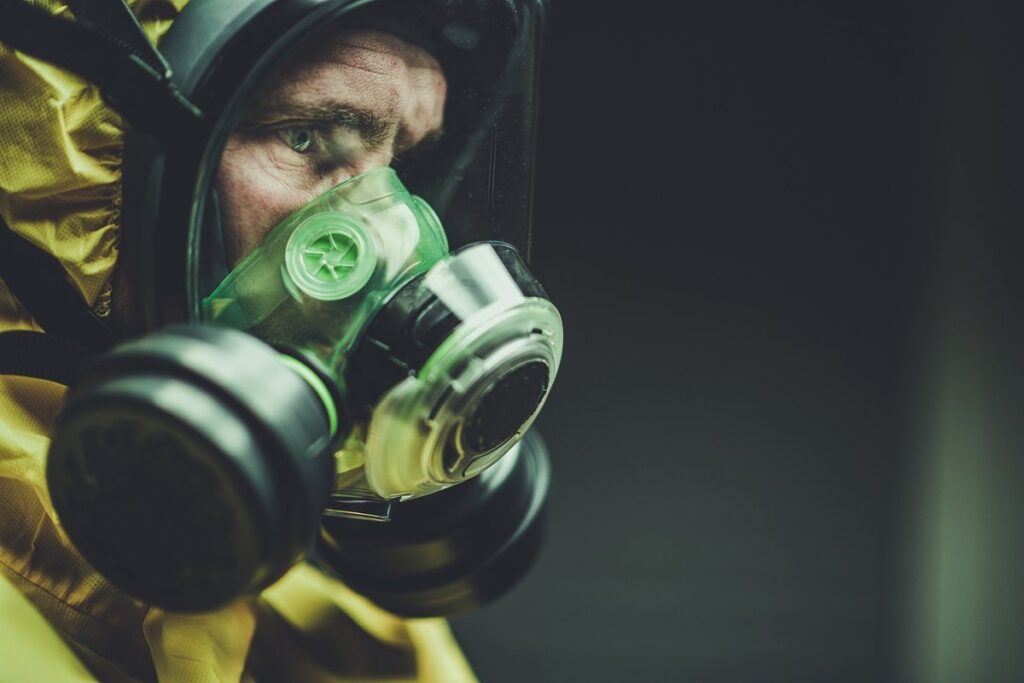
Understanding the Importance of Emergency Preparedness
Let’s dive into why having a plan in place for emergencies is essential, and how it can make all the difference in keeping your family safe.
Assessing Your Family’s Vulnerabilities
When it comes to emergency preparedness, it’s essential to consider the unique vulnerabilities within your family. This includes medical conditions, disabilities, and other factors that may impact your ability to respond to emergencies.
Start by making a list of each family member’s health concerns, medications, and any special needs. Consider chronic illnesses, allergies, or physical limitations that could affect evacuation or sheltering plans. For example, if you have a family member with diabetes, you’ll need to ensure you have a reliable means of storing insulin and medical supplies.
Also, think about disabilities that may require specialized equipment or assistance during an emergency. This might include mobility aids, communication devices, or access to sign language interpreters. By acknowledging these vulnerabilities, you can develop strategies to mitigate risks and create a more inclusive emergency plan. For instance, identify safe zones in your home that accommodate wheelchairs or strollers.
Regularly review and update this information to ensure it remains relevant and accurate. This will help you tailor your emergency preparedness efforts to meet the unique needs of each family member.
Setting Goals and Priorities
When it comes to creating an emergency preparedness plan for your family, setting realistic goals and priorities is essential. This will help you create a tailored plan that suits your unique needs and circumstances. To start, consider the factors that will impact your plan’s feasibility, such as budget, time, and available resources.
Begin by assessing what emergency situations are most relevant to your area and family dynamics. For example, if you live in an earthquake-prone region, your priorities should focus on earthquake preparedness. If you have young children or pets, consider their specific needs during emergencies, like access to medications or a safe evacuation plan.
Assign realistic goals to each member of the household, based on their skills and availability. Create a list of essential items to stockpile, such as non-perishable food, water, and first aid supplies. Allocate time for regular drills and practice sessions to ensure everyone knows what to do in case of an emergency.
Prioritize tasks that will make the biggest impact, like creating a family communication plan or setting up an emergency fund. Break down larger goals into smaller, achievable steps, and regularly review your progress to adjust priorities as needed.
Creating a Family Emergency Plan
When disaster strikes, having a clear plan in place can be a lifesaver for your family. In this next step, we’ll walk you through creating a customized emergency plan that works for everyone.
Identifying Safe Meeting Points and Communication Protocols
Identifying safe meeting points and communication protocols is crucial when creating a family emergency plan. In the event of an emergency, such as a natural disaster, it’s not uncommon for family members to get separated from one another. This can be due to various factors like being at different locations or having different escape routes.
To prevent this, designate a safe meeting point where all family members should gather once they are safely out of their homes. This could be a neighbor’s house, a local landmark, or even a specific parking lot near your home. Make sure everyone knows the location and can easily find it in an emergency situation.
Communication is also vital during such times. Choose a communication method that works for all family members, like a cell phone app or a two-way radio. Assign a primary meeting point and a secondary one, just in case the first isn’t accessible. Also, establish a system of checks – if someone can’t reach each other within 30 minutes, send a message to your emergency contact.
It’s also essential to teach children how to stay safe until they meet up with their family members. This includes not going back inside a damaged building and staying in a designated meeting spot if separated from their family.
Designating a Family Emergency Contact Person
Designating a trusted family emergency contact person is an essential aspect of creating a comprehensive emergency plan. This individual will play a crucial role in providing critical information and support during an emergency situation.
To designate a family emergency contact person, consider the following steps: Firstly, choose someone outside your immediate household, such as a neighbor or a close friend, to ensure they are not directly affected by the emergency. This person should be readily available and able to respond promptly to the emergency situation.
Next, make sure this designated contact person has all necessary contact information, including phone numbers, addresses, and any other relevant details. It’s also essential that you communicate your emergency plan clearly with this individual, so they understand their role and responsibilities.
Consider keeping a list of contact persons for both adults and children, as well as specific instructions on how to reach each family member in case of separation during an emergency. This will help ensure a smooth communication flow and minimize panic when responding to an emergency situation.
Building an Emergency Kit
As you prepare for emergency situations, having a well-stocked kit on hand is essential for keeping your family safe and comfortable until help arrives. This section will walk you through what to include in an effective emergency kit.
Essential Items for Every Family
When building an emergency kit for your family, it’s essential to include items that will sustain you for at least three days. Start with a minimum of one gallon of water per person per day for drinking, cooking, and hygiene. Non-perishable food items like energy bars, canned goods, and MREs (Meals Ready-to-Eat) should also be included.
Don’t forget to pack first aid supplies such as bandages, antiseptic wipes, pain relievers, and any prescription medications family members may need. Clothing is another crucial item – include warm layers, rain gear, and sturdy shoes that can withstand rugged terrain. Sanitation items like toilet paper, hand sanitizer, and a portable toilet (if necessary) should not be overlooked.
Remember to tailor your kit to your family’s specific needs, considering factors such as allergies, medical conditions, and special requirements for infants or pets. Store the emergency kit in an easily accessible location and make sure all family members know where it is and what to do in case of an emergency. Regularly check and update the supplies to ensure they remain usable.
Customizing Your Kit for Specific Needs
When it comes to building an emergency kit, one size does not fit all. Families have unique needs that require special consideration when customizing their kit. For instance, if you have a newborn or infant, you’ll want to make sure the kit includes essential items like formula, diapers, and a baby monitor.
If you have pets, don’t forget to include food, water, and medication specifically for them in your emergency kit. A 3-day supply of pet food should be enough to keep them fed while you figure out your next steps. Don’t forget to pack any important medical documents or vaccination records as well.
Individuals with medical conditions require special attention when customizing the emergency kit. Be sure to include essential medications, medical equipment, and a list of emergency contact numbers for their healthcare providers. If someone in your household relies on oxygen or has a specific dietary requirement, make sure to pack extra supplies of these items.
Remember to review and update your kit regularly to ensure it remains relevant to your family’s changing needs. This will help you stay prepared for any situation that may arise.
Staying Informed and Up-to-Date
Staying informed and up-to-date is crucial for effective emergency preparedness, so we’ll explore ways to stay ahead of the curve on potential disasters. This section covers essential tools and resources to keep you in the know.
Understanding Local Emergency Alerts and Warnings
Local emergency alerts and warnings are critical components of emergency preparedness for families. These alerts inform you of potential hazards such as severe weather events, natural disasters, and other emergencies that may require immediate attention. There are several types of local emergency alerts and warnings, each with its purpose, frequency, and delivery methods.
For instance, Emergency Management Alerts (EMAs) are issued by local authorities to notify residents of imminent threats like tornadoes or hurricanes. These alerts often come through cell phone notifications, sirens, or public announcements. Similarly, Amber Alerts inform the public about missing children, while National Weather Service (NWS) warnings alert people to severe weather conditions.
To stay informed, it’s essential to register your family’s contact information with local emergency management agencies and sign up for mobile alerts from your local government or NWS. This way, you’ll receive timely notifications that will help you take necessary precautions. Make sure to have a plan in place and know what actions to take when an alert is issued, such as seeking shelter or evacuating the area.
Staying Informed Through Social Media and News Sources
Staying informed about potential emergencies is crucial for families to prepare and respond effectively. Social media and news sources can be valuable tools for staying up-to-date on emergency situations, but it’s essential to verify information during a crisis.
Follow credible news outlets and government agencies on social media platforms like Twitter, Facebook, and Instagram. These channels often provide real-time updates and alerts about emergencies. For example, the National Weather Service (NWS) issues timely warnings for severe weather events through its social media accounts.
When verifying information during an emergency, look for official sources such as local authorities, emergency management agencies, or government websites. Be cautious of misinformation spread through social media, which can lead to panic and confusion. Use fact-checking websites like Snopes or FactCheck.org to verify the accuracy of claims.
In addition to social media, stay informed by tuning into local news stations or monitoring emergency alert systems. Familiarize yourself with your community’s emergency notification system, such as the Emergency Alert System (EAS) or Wireless Emergency Alerts (WEA), which can send critical alerts directly to your phone.
Managing Emotional Preparedness
When disaster strikes, it’s not just physical supplies that can make all the difference – being emotionally prepared is just as crucial for your family’s well-being. In this critical area, we’ll share essential tips to help you prepare your loved ones for the unexpected.
Teaching Children About Emergency Preparedness
When it comes to emergency preparedness, teaching children is just as crucial as preparing yourself and other family members. Children are more likely to stay calm and think clearly during an emergency if they know what to do. Here’s how you can teach them:
Start with the basics: Explain what emergencies are and why we need to be prepared. Use simple language that your child can understand, such as “an emergency is when there’s a big problem that needs our attention right away.” Discuss different types of emergencies like fires, earthquakes, and power outages.
Make it fun: Engage your child in activities that teach them about emergency preparedness. For example, create a family emergency plan and involve your child in the process. Make a “go bag” together with essentials like food, water, and first aid supplies. You can also play games like “What if…” to simulate different emergency scenarios.
Be age-appropriate: Tailor your approach to your child’s age and developmental stage. For younger children (ages 4-8), focus on simple concepts and use visual aids like pictures or diagrams. For older children (ages 9-12), provide more detailed information and involve them in the planning process.
Practice makes perfect: Regularly review your emergency plan with your child and practice drills to ensure they know what to do. Make it a habit to discuss emergency preparedness during family meetings or bedtime conversations. By involving your child in the process, you’ll not only teach them about emergency preparedness but also build their confidence and self-reliance.
Maintaining Mental Health During an Emergency
Maintaining mental health during an emergency is just as crucial as having a physical emergency kit. In high-stress situations, our minds can quickly become overwhelmed, leading to anxiety, fear, and even long-term trauma. To mitigate this, it’s essential to have coping strategies in place.
One effective way to cope with the emotional toll of an emergency is to establish a support system. This could be a close friend or family member who can provide emotional support, or a professional counselor who can offer guidance on managing mental health during emergencies. Regular check-ins and communication with your loved ones can also help alleviate feelings of isolation and loneliness.
Additionally, it’s vital to prioritize self-care activities that promote relaxation and stress reduction, such as deep breathing exercises, yoga, or meditation. Having these coping mechanisms in place can help you navigate the emotional challenges of an emergency with greater resilience and calmness.
Frequently Asked Questions
How do I prioritize my family’s emergency needs when creating a plan?
When developing your emergency preparedness plan, consider the unique needs of each family member. Start by listing essential items for every family, such as food, water, and medication. Then, customize your kit for specific needs like baby supplies or medical equipment. Prioritize based on urgency and frequency of use.
What should I do if a family member has a medical condition that requires specialized care during an emergency?
If you have a family member with a serious medical condition, create a plan for accessing necessary medications and equipment. Identify nearby hospitals or medical facilities that can provide specialized care. Consider designating a specific meeting spot in case of separation.
Can I use digital tools to stay organized and informed about potential emergencies?
Yes, there are many digital tools available to help you stay informed and organized. Utilize apps like emergency alert systems or weather apps that notify you of severe weather conditions. Keep electronic copies of important documents and information, such as insurance policies and contact numbers.
How do I communicate with family members who may not be able to evacuate during an emergency?
Identify a designated meeting spot in case of separation. Use communication protocols like pre-arranged phone check-ins or messaging apps to stay connected. Make sure to inform your family’s emergency contact person about any specific needs or requirements.
What should I do if my family is separated during an emergency, and we can’t find each other?
Establish a plan for reuniting in case of separation. Identify meeting points and designate a safe location for family members to wait until you’re reunited. Stay informed through local news sources and emergency alerts to locate one another.