
As a parent, one of your greatest fears is probably not being able to help your child in case of an emergency. Whether it’s a minor scrape or a life-threatening situation, first aid skills are essential for keeping your little ones safe and healthy. But where do you start? With so many conflicting advice and misinformation online, it can be overwhelming to know what to do. That’s why we’ve put together this comprehensive guide on first aid for parents. In this article, we’ll cover the basics of life support techniques, including CPR and the use of an EpiPen, as well as common childhood conditions like fever, allergic reactions, and broken bones. We’ll also show you how to build a home first aid kit that’s tailored to your family’s needs. By the end of this article, you’ll feel confident and prepared to handle any medical emergency that comes your way.
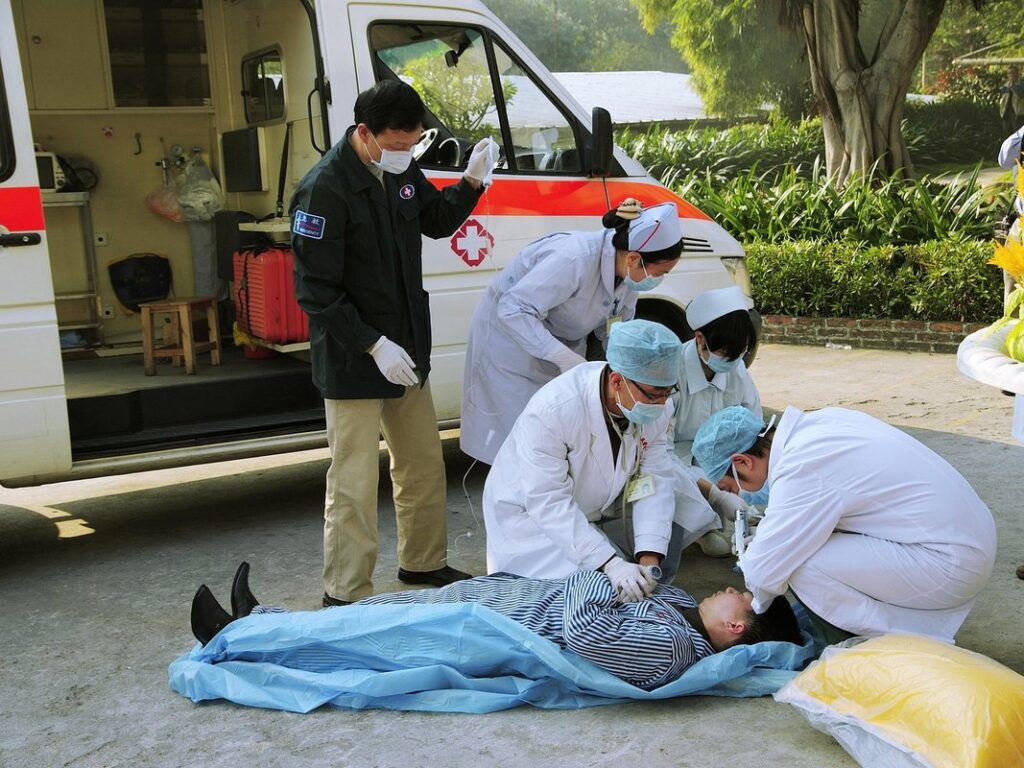
Understanding Basic First Aid Principles
When it comes to first aid, understanding the basics is crucial for keeping your child safe and healthy. This section will break down essential first aid principles that every parent should know.
Recognizing Medical Emergencies
As a parent, it’s essential to be aware of common medical emergencies that require immediate attention. These situations can arise unexpectedly and may involve life-threatening conditions such as cardiac arrest, stroke, and severe allergic reactions.
Cardiac arrest is one of the most critical medical emergencies. It occurs when the heart suddenly stops beating, cutting off blood flow and oxygen supply to vital organs. Symptoms include loss of consciousness, no pulse or breathing, and a blue-tinged skin tone. If you suspect cardiac arrest, call emergency services immediately and begin CPR (cardiopulmonary resuscitation) if trained.
A stroke is another serious condition that requires prompt attention. It occurs when blood flow to the brain is interrupted, causing damage to brain tissue. Warning signs include sudden weakness or numbness in the face, arm, or leg, difficulty speaking or understanding speech, and vision changes. If you suspect a stroke, call emergency services right away.
Severe allergic reactions can also be life-threatening. Common symptoms include hives, itching, swelling, stomach cramps, diarrhea, and difficulty breathing. If your child experiences any of these symptoms after an insect bite or sting, food consumption, or exposure to a known allergen, seek medical help immediately.
Assessing Injuries and Illnesses
When you’re faced with an injured or ill child, it’s essential to assess their condition quickly and accurately. This involves triage – determining the severity of their injury or illness and prioritizing care accordingly. Start by looking for signs and symptoms that indicate a potential emergency, such as difficulty breathing, severe bleeding, or loss of consciousness.
Recognize that injuries can be categorized into three main types: minor (cuts and scrapes), moderate (broken bones or deep cuts), and major (life-threatening conditions like head trauma or cardiac arrest). Similarly, illnesses can range from mild (coughs and colds) to serious (fever, vomiting, or diarrhea).
To assess your child’s condition, ask yourself these questions: What are their vital signs? Are they breathing normally, and is their pulse strong? Do they have any visible injuries or signs of distress? By carefully evaluating these factors, you can quickly determine the level of care needed and take appropriate action. Remember, if in doubt, it’s always best to err on the side of caution and seek medical attention.
Basic Life Support Techniques
As a parent, learning basic life support techniques can be a daunting task, but it’s essential to know what to do in case of an emergency. One of the most critical skills you need to master is CPR (Cardiopulmonary Resuscitation). CPR involves chest compressions and rescue breaths to keep oxygen flowing to the brain and other vital organs when someone’s heart has stopped beating.
To perform CPR, start by calling 911 or your local emergency number. If you’re alone with the person, begin chest compressions by placing the heel of one hand on the center of their chest, just above the nipple line. Push down about 2-3 inches at a rate of 100-120 compressions per minute. After every 30 compressions, give two breaths. Each breath should last about one second and make the chest rise.
Rescue breathing involves blowing air into the person’s mouth to help them breathe. To use an AED (Automated External Defibrillator), turn it on and follow the prompts. If you’re unsure or the AED is not available, remember that CPR can be continued until medical help arrives.
Common Childhood Injuries and Illnesses
As a parent, it’s essential to know how to recognize and respond to common childhood injuries and illnesses, from bumps and scrapes to more serious conditions like fevers and allergic reactions. We’ll cover these critical topics next.
Treatment for Cuts and Lacerations
When treating cuts and lacerations on children, it’s essential to clean and dress the wound properly to prevent infection and promote healing. Start by gently washing the area with mild soap and lukewarm water for 5-10 minutes to remove dirt and debris. Then, use an antibiotic ointment to help fight off bacteria that can cause infections.
Next, apply a sterile dressing or bandage to cover the wound. Make sure it’s large enough to completely cover the cut without bunching up around the edges. Secure the dressing with medical tape, but avoid wrapping it too tightly, which can constrict blood flow and slow healing.
To promote healing, keep an eye on the wound for signs of infection, such as redness, swelling, or increased pain. If you notice any of these symptoms, seek medical attention right away. For minor cuts, apply a topical antibiotic ointment to the affected area 2-3 times a day and cover with a bandage.
Remember, prevention is key! Teach your child to avoid picking at scabs or scratching wounds, as this can lead to further irritation and delay healing. By following these steps and taking preventative measures, you’ll be well-equipped to handle minor cuts and lacerations at home.
Managing Burns and Scalds
When it comes to burns and scalds, it’s essential to act quickly to minimize damage and promote healing. Assessing the severity of a burn is crucial; look for blisters, charring, or white charred skin, which indicate more severe burns. For minor burns and blisters, run cool tap water over the affected area for 10-15 minutes or apply a cold compress wrapped in a towel to reduce swelling.
Topical creams or ointments should not be applied directly on burns as they can delay healing. However, over-the-counter antibiotic ointments can help prevent infection once the burn has been cooled and cleaned with mild soap and water. For severe burns, seek medical attention immediately, as blisters can burst and lead to infections.
When treating a child’s burn or scald, be sure to reassure them that it will heal quickly. Encourage them to gently move their fingers or toes to check for sensation, which can help assess the extent of nerve damage.
Dealing with Poisoning and Overdose
When it comes to keeping our little ones safe, poisoning and overdose can be top concerns. As a parent, it’s essential to know what to do if your child accidentally ingests something they shouldn’t have.
Recognizing the symptoms of poisoning or overdose is crucial. Look out for changes in behavior such as lethargy, confusion, vomiting, or difficulty breathing. If you suspect your child has ingested something toxic, stay calm and act quickly. Keep an eye on the expiration dates of medications and cleaning supplies to avoid accidental ingestion.
In case of accidental ingestion, contact emergency services or your local poison control center right away. Provide as much information as possible about what was ingested, including the amount and time frame. If you’re at home, try to get your child to spit out any remaining substance and rinse their mouth with water. Don’t induce vomiting unless advised by a medical professional.
Keep the phone numbers of your local poison control center handy – many states have them listed on their emergency services hotline or online.
Managing Common Childhood Conditions
When it comes to raising little ones, common childhood conditions are a normal part of life. Here, we’ll guide you through managing everyday issues that can arise, from fever to minor injuries.
Treating Fever and Pain Relief
When it comes to treating fever and relieving pain in children, parents often turn to medication as their first line of defense. However, it’s essential to use these medications wisely and consider alternative methods for managing symptoms. Acetaminophen (such as Tylenol) and ibuprofen (like Advil or Motrin) are commonly used to reduce fever and alleviate pain.
When administering either medication, always follow the recommended dosage instructions on the label carefully. For acetaminophen, a typical dose is 5-10 milligrams per kilogram of body weight every 4 hours, while ibuprofen is usually given at a dose of 5-7.5 milligrams per kilogram every 6-8 hours.
In addition to medication, there are several ways to relieve pain and reduce fever without relying on medicine. For example, dressing the child in light clothing and keeping them cool can help lower their body temperature quickly. You can also use a fan or offer lukewarm baths to help bring down the fever gradually.
Coping with Coughs and Cold Symptoms
When your little one is congested and coughing, it can be distressing for both of you. A sore throat, runny nose, and persistent cough are common symptoms of a cold that can disrupt daily routines. To soothe a cough and ease these uncomfortable symptoms, there are several effective remedies to try.
Using a humidifier in your child’s bedroom is an excellent way to alleviate congestion and discomfort. Dry air can exacerbate coughs, making it difficult for your child to breathe and sleep. By adding moisture back into the air, you’ll help loosen mucus and make breathing easier. Simply fill the humidifier with clean water, and adjust the settings according to the manufacturer’s instructions.
Saline nasal sprays are another effective tool in managing cold symptoms. These sprays work by loosening mucus and reducing inflammation in the nasal passages. To use a saline spray correctly, gently blow your child’s nose before spraying, then follow the product’s instructions for administering the correct amount. Remember to always read and follow the label carefully.
Remember that every child is different, so it may take some trial and error to find what works best for your little one. Be patient, stay vigilant, and don’t hesitate to consult with your pediatrician if symptoms worsen or persist.
Supporting Children with Respiratory Issues
Recognizing respiratory issues in children can be a daunting task for parents, but being aware of the symptoms and knowing what to do in an emergency situation is crucial. Asthma and bronchiolitis are two common conditions that affect young children.
Asthma symptoms can range from mild to severe and include wheezing, coughing, and difficulty breathing. Bronchiolitis typically presents with a runny nose, cough, and fever. If your child experiences any of these symptoms, it’s essential to monitor their condition closely. Keep track of when the symptoms occur in relation to physical activity or exposure to allergens.
If you suspect your child is having an asthma attack or bronchiolitis exacerbation, call emergency services immediately if they exhibit severe difficulty breathing, a bluish tint to the skin, or chest pain. In non-life-threatening situations, administer medication as prescribed by their pediatrician and provide oxygen via a nebulizer or humidifier if available.
Encourage your child to sit upright while inhaling their medication, and help them breathe in slowly through pursed lips. This can help alleviate symptoms and make breathing easier.
First Aid Techniques for Specific Situations
When accidents happen, knowing how to respond quickly and effectively is crucial. In this next part of our guide, we’ll cover essential first aid techniques for common scenarios that parents may face.
Handling Sports Injuries
When it comes to handling sports injuries, as a parent, it’s essential to know what to do in case your child gets hurt while playing. Common sports injuries include strains, sprains, and broken bones.
A strain occurs when a muscle is stretched or torn, often due to overuse or sudden movement. To provide first aid for a strained muscle, apply ice packs to the affected area for 15-20 minutes, several times a day. Compress the muscle with an elastic bandage, but avoid making it too tight. Elevate the injured limb above the level of the heart to reduce swelling.
A sprain is similar to a strain, but it affects the ligaments connecting bones to each other. If your child twists their ankle or knee while playing, they may have suffered a sprain. For minor sprains, RICE (rest, ice, compression, and elevation) can be applied for several days. However, more severe sprains may require medical attention.
A broken bone is a more serious injury that requires immediate attention. If you suspect your child has a broken bone, keep them calm and still, and apply an ice pack to the affected area. Then, immobilize the injured limb with a splint or sling, if possible, before seeking medical help. Remember, it’s always better to err on the side of caution when dealing with suspected broken bones.
Managing Seizures and Epilepsy
In case of a seizure or epilepsy-related emergency, it’s essential to know what to do. Seizures can be unpredictable and may vary in severity, but there are some general guidelines to follow.
When you notice the child is experiencing a seizure, stay calm and ensure their safety above all else. Loosen any tight clothing around their neck and remove any sharp objects that could cause injury during the seizure. If they’re lying down, gently roll them onto their side in the recovery position to keep their airway clear and prevent choking.
Do not try to restrain or hold them down as this can cause more harm. Instead, speak calmly and reassuringly to help them feel safe and comforted. If the seizure lasts longer than five minutes or if the child vomits while seizing, call for medical help immediately.
Keep a note of any medication they may be taking and inform emergency responders about their epilepsy condition. While it’s unlikely that you’ll need to administer medication during a seizure, having this information handy can save precious time in case of an emergency.
First Aid for Allergies and Anaphylaxis
Recognizing signs and symptoms of an allergic reaction is crucial to provide timely first aid. Watch for hives, itching, swelling, stomach cramps, diarrhea, and vomiting. If you suspect an allergy, assess the situation carefully before taking action. Anaphylaxis, a severe, life-threatening reaction, requires immediate attention.
Common allergens include peanuts, tree nuts, fish, shellfish, milk, eggs, wheat, and soy. If your child experiences any symptoms after exposure to these substances, seek medical help promptly. Anaphylaxis signs include difficulty breathing, rapid heartbeat, dizziness, confusion, and loss of consciousness.
In case of an emergency, call for emergency services or take your child to the nearest hospital. Administer epinephrine using an EpiPen or other auto-injector if available. Provide basic life support by positioning your child on their back and elevating their legs about 12 inches. This can help maintain blood flow to vital organs until medical help arrives. Be prepared for emergencies by knowing what signs to look out for and having a first aid kit stocked with essential supplies, including an EpiPen.
Building a Home First Aid Kit and Creating a Plan
As you prepare for accidents and injuries, let’s focus on building a comprehensive home first aid kit and creating a plan to ensure you’re equipped to respond in an emergency. This crucial step will give you peace of mind as a parent.
Essential Items for Your First Aid Kit
When assembling your home first aid kit, it’s essential to stock up on supplies that can help you handle common injuries and medical emergencies. Start by including a variety of bandages and wound dressings, such as gauze pads, rolls, and adhesive strips. These will come in handy for minor cuts and scrapes.
For more severe burns, be sure to have some burn cream or gel on hand, as well as sterile dressings specifically designed for burn wounds. Respiratory issues like asthma attacks require a different set of supplies, including an inhaler (if your child has one prescribed) and a spacer device. Don’t forget to include medications like acetaminophen or ibuprofen for pain relief, antihistamines for allergic reactions, and any personal medications that your child may need.
It’s also crucial to have basic first aid equipment such as scissors, tweezers, and medical tape at the ready. Consider adding a small flashlight, gloves, and a CPR mask as well, in case of more severe emergencies.
Creating a Family Emergency Plan
Creating a family emergency plan is an essential step in being prepared for unexpected situations. Start by identifying potential hazards that could affect your family, such as natural disasters, power outages, and medical emergencies. Consider the unique needs of each family member, including any medical conditions or allergies.
Designate meeting points both inside and outside the home where family members can gather if separated during an emergency. This could be a specific spot in the backyard, a nearby landmark, or a safe room within the home. Make sure everyone knows these locations and can quickly find their way to them.
Establish communication protocols by choosing a primary contact person who will receive updates from other family members in case of separation. This could be a neighbor, relative, or friend. Also, designate a secondary contact person in case the primary is unavailable.
Practice your emergency plan with regular drills to ensure everyone knows what to do in case of an emergency. This will help reduce panic and ensure a smoother response.
Staying Informed and Continuing Education
As a parent, it’s essential to stay informed and up-to-date with the latest first aid techniques and best practices. First aid is not just about applying band-aids and calling 911; it requires a deeper understanding of how to respond to various emergencies.
To ensure you’re equipped with the most current knowledge, consider taking online courses or workshops that focus on pediatric first aid. Many organizations, such as the American Heart Association (AHA) and the Red Cross, offer certification programs for parents. These programs typically cover topics like infant CPR, bleeding control, and recognizing signs of shock.
In addition to formal training, make it a habit to read articles and blogs on first aid websites and social media platforms. Follow reputable sources, such as the CDC and the AHA, to stay informed about emerging trends and guidelines. You can also join online forums or discussion groups where you can ask questions and learn from other parents who have experienced similar situations.
Continuing education is key when it comes to first aid, as new techniques and treatments are constantly evolving. By staying informed and committed to ongoing learning, you’ll be better equipped to respond in emergency situations and provide the best possible care for your child.
Frequently Asked Questions
What should I do if I’m unsure of the severity of my child’s injury or illness?
If you’re unsure whether a situation is life-threatening, always err on the side of caution and call emergency services (such as 911) for guidance. If it’s not an immediate emergency, try to gather more information about your child’s symptoms before seeking medical attention.
Can I perform first aid on my child if they have a pre-existing condition or are taking medication?
Yes, but consult with your child’s doctor or healthcare provider for specific advice on how to proceed in case of an emergency. Certain conditions or medications may require special considerations when administering first aid.
What items should I include in my home first aid kit for common childhood injuries and illnesses?
In addition to basic supplies like bandages and antiseptic wipes, consider including items such as cold packs, pain relievers (e.g., acetaminophen or ibuprofen), and a small supply of any medications your child regularly takes.
How do I know if my child is experiencing an allergic reaction versus another common childhood condition?
Pay attention to symptoms like hives, itching, swelling, or difficulty breathing. If you suspect an allergic reaction, follow basic first aid principles (like CPR if necessary) and administer epinephrine via an EpiPen if your child has one.
What should I do after administering first aid to my child? Should I seek further medical attention?
Yes, always seek medical attention as soon as possible after administering first aid. Even if the initial symptoms subside, it’s essential to have a healthcare professional evaluate and monitor your child for any potential complications or underlying conditions.