
As a parent, there’s nothing quite like witnessing your children develop strong bonds with each other. But let’s face it – between fighting over toys, sharing bedrooms, and competing for attention, sibling relationships can be just as challenging to navigate as they are precious. Fostering positive relationships between siblings is crucial for their emotional well-being, social skills, and even academic performance. In this article, we’ll delve into the world of conflict resolution, respect, and empathy – providing expert tips on how to promote strong, loving relationships between your little ones. From teaching them to communicate effectively to modeling healthy behavior yourself, you’ll discover practical strategies for cultivating a harmonious household where sibling love thrives.
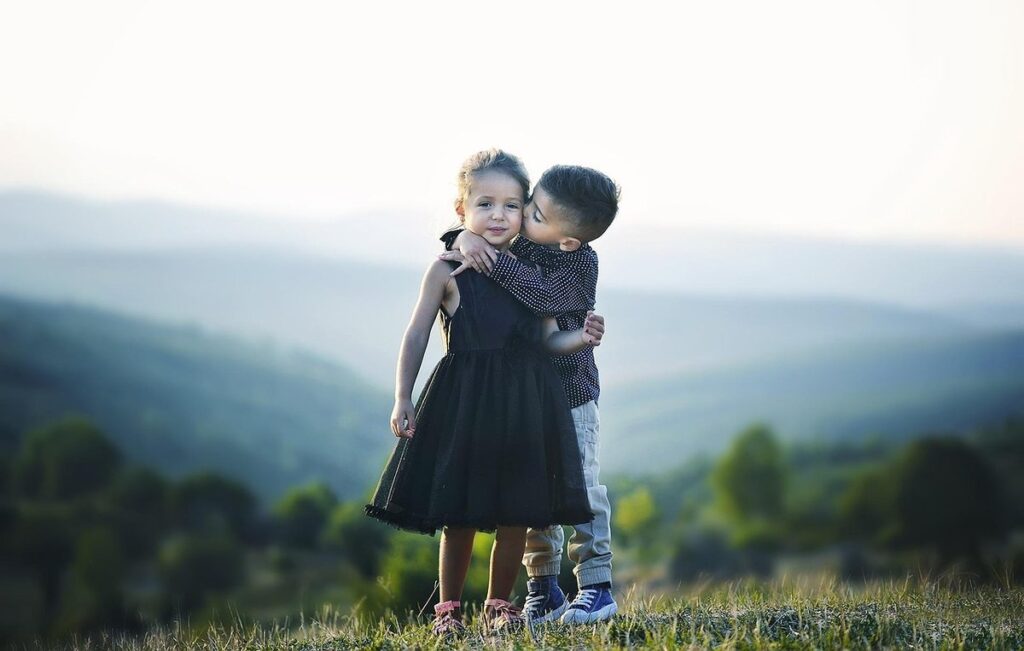
Understanding the Importance of Sibling Relationships
Sibling relationships play a significant role in shaping our personalities, values, and future relationships. Let’s explore why fostering positive sibling bonds is crucial for your children’s emotional growth and development.
The Role of Siblings in Child Development
Siblings play a vital role in shaping each other’s emotional, social, and cognitive development. In fact, research suggests that close sibling relationships have numerous benefits for children’s overall well-being. A study published in the Journal of Family Psychology found that children with positive sibling relationships tend to develop better emotional regulation skills, which can lead to improved mental health outcomes later in life.
Having siblings also exposes children to a range of social experiences, such as conflict resolution and empathy. As brothers and sisters learn to navigate their differences and work together, they develop essential communication skills, including active listening and problem-solving. In addition, sibling relationships have been shown to foster cognitive growth through shared learning opportunities, imagination, and creativity.
For parents and caregivers, it’s essential to encourage close sibling relationships by providing a supportive environment that allows children to bond with one another. This can be achieved by setting aside dedicated time for siblings to spend together, such as family game nights or outings. By doing so, you’ll be helping your children develop the skills they need to form lasting and meaningful connections throughout their lives.
Overcoming Common Challenges
Managing sibling relationships can be one of the most challenging tasks parents face. Sibling rivalry is common, but it doesn’t have to lead to long-term conflict and resentment. One of the primary causes of jealousy is unequal treatment by parents or caregivers. To avoid this, make sure each child receives individual attention and praise for their accomplishments.
Another challenge is teaching children how to share and take turns. This can be achieved through role-playing and setting clear expectations from an early age. You can also model sharing behavior yourself when interacting with your children. For instance, if you’re playing a board game or watching a movie together, make sure each child has their own turn and that they’re allowed to express their opinions.
When conflicts arise between siblings, remain calm and try not to take sides. This can be difficult but it’s essential for teaching your children how to resolve issues independently. Encourage open communication by creating a safe space where each child feels heard.
Building Stronger Sibling Bonds
As you work on nurturing positive sibling relationships, it’s essential to focus on building stronger bonds between your kids. This section shares practical tips for fostering a lifelong connection between them.
Encouraging Positive Interactions
Encouraging positive interactions between siblings is essential to building stronger sibling bonds. One of the simplest ways to do this is by engaging them in activities that promote bonding and friendship. For example, you can plan a family game night where everyone participates together, such as board games or card games. This not only encourages teamwork but also fosters healthy competition.
Another idea is to organize outings that allow siblings to spend quality time together, like going on a hike, visiting a museum, or attending a concert. These experiences help create shared memories and strengthen their emotional connection. You can also try setting up regular sibling dates where they get to choose the activity or outing together. This encourages them to communicate and compromise with each other.
Remember, it’s essential to involve both siblings in planning these activities to ensure that everyone has an equal say in what they want to do. By doing so, you’re teaching them valuable communication skills and promoting a sense of equality within the sibling relationship.
Modeling Respectful Behavior
Modeling respectful behavior towards others is one of the most effective ways to teach children the importance of empathy and kindness. As a parent or caregiver, it’s essential to remember that you’re not just teaching your kids how to interact with each other; you’re also modeling their behavior towards themselves and others.
To demonstrate respect, empathy, and kindness towards your children’s needs and feelings, start by being mindful of your body language and tone of voice. When communicating with your child, make eye contact, use a gentle touch, and speak in a calm, respectful tone. Avoid yelling or belittling, as this can create a sense of fear and anxiety.
For example, if your child is upset about something, try to understand their perspective and validate their feelings. You might say, “I can see why you’re feeling frustrated” or “That sounds really upsetting. I’m here to support you.” By doing so, you’re teaching your child that their feelings are important and that they deserve respect.
Remember, respectful behavior is contagious! When your children see you treating others with kindness and compassion, they’ll be more likely to do the same.
Managing Conflict and Jealousy
As your children grow and develop their own identities, managing conflict and jealousy can be a challenging but crucial part of fostering positive sibling relationships. We’ll explore some strategies to help you navigate these common issues.
Recognizing Warning Signs of Conflict
As a parent or caregiver, it’s essential to be aware of the warning signs that may indicate conflict between siblings. Increased arguing and aggression are common red flags that can escalate quickly if left unchecked. For instance, if you notice that your children are frequently fighting over toys, attention, or resources, take immediate action to address the issue.
Pay attention to changes in behavior, such as sulking, teasing, or physical fights. These behaviors often signal deeper issues that require attention and intervention. Try to remain neutral when intervening, ensuring that each child feels heard and validated. You can ask open-ended questions like “What’s going on here?” or “How do you feel about this situation?” to encourage communication.
Identify the root cause of the conflict by asking yourself: Is it a competition for resources? A misunderstanding about boundaries? Or perhaps a deeper emotional issue? By understanding the underlying reason, you can develop targeted strategies to address the problem. For example, if the conflict is due to resource scarcity, consider ways to increase available time or attention, such as scheduling one-on-one activities with each child.
By recognizing these warning signs early on and addressing them promptly, you can prevent conflicts from escalating into full-blown battles. By staying proactive and responsive, you’ll create a safe space for your children to express themselves and work through issues together. Remember, it’s not about choosing sides, but rather creating an environment where both siblings feel heard and valued.
Teaching Conflict Resolution Skills
Teaching children effective conflict resolution skills is crucial in fostering positive sibling relationships. When disagreements arise, it’s essential to encourage active listening, empathy, and compromise. Active listening involves fully concentrating on the speaker, understanding their perspective, and acknowledging their feelings. You can model this by engaging your child in conversations, repeating back what they’ve said, and showing interest in their thoughts.
Empathy is another vital skill for conflict resolution. Encourage your child to imagine how their sibling might be feeling in a given situation. Ask open-ended questions like “How do you think your brother/sister felt when you took the toy?” or “What do you think your sister meant by saying that?” This helps children develop a deeper understanding of their sibling’s emotions and perspectives.
When conflicts arise, it’s essential to allow children to resolve disputes independently whenever possible. This teaches them important life skills like problem-solving, negotiation, and compromise. By intervening too quickly, you may inadvertently create dependence on external solutions rather than encouraging internal conflict resolution strategies.
Fostering Independence and Individuality
As siblings grow older, it’s essential for parents and caregivers to encourage independence and individuality to prevent feelings of resentment and promote a more harmonious household. Here are some tips to help you strike this balance.
Encouraging Personal Interests
Encouraging each child’s unique interests and passions is crucial for their individual development. When siblings have diverse hobbies and activities, it not only promotes healthy competition but also fosters a deeper understanding and respect for one another.
One way to encourage personal interests is by providing opportunities for exploration. For example, if your child shows interest in painting, set up an art station with various materials like canvases, paints, and brushes. This allows them to express their creativity freely without worrying about their sibling’s opinions.
Another approach is to involve each child in planning activities that cater to their individual interests. Ask them to suggest games or outings they’d enjoy, and make it a point to attend those events together as a family. This not only promotes bonding but also shows your children that their unique preferences are valued and respected.
Additionally, consider setting aside dedicated time for each child’s favorite activity, ensuring they have quality time to engage in what brings them joy. By doing so, you’re sending a powerful message: individuality is celebrated within your family, and everyone’s interests matter equally.
Setting Boundaries and Expectations
As you strive to foster positive sibling relationships, it’s essential to establish clear boundaries and expectations for each child. This may seem like a daunting task, but trust us, it’s worth the effort. By setting these guidelines, you can prevent resentment or jealousy from taking hold between siblings.
Let’s face it: children are wired to compare themselves with others, especially their siblings. Without clear boundaries, one child might feel unfairly treated or overindulged, leading to feelings of bitterness and resentment towards their sibling. For instance, if one child consistently gets out of helping with chores while the other is expected to contribute equally, this can create tension between them.
To avoid these issues, make sure each child knows what’s expected of them in terms of responsibilities, consequences, and rewards. Be specific, consistent, and fair when enforcing rules and discipline. This not only promotes individual growth but also helps siblings understand that everyone has unique needs and roles within the family. By setting clear boundaries, you’re actually creating a sense of fairness and equity, which is vital for nurturing healthy sibling relationships.
Supporting Siblings with Special Needs
When one of your children has special needs, it can be especially challenging for their siblings to understand and support them. This section offers practical advice on how to help your kids develop a loving and supportive bond despite these challenges.
Understanding the Impact of Special Needs
When one child has special needs, it can significantly impact sibling relationships. Siblings may feel confused, worried, or even jealous about the attention and resources their brother or sister receives. They might also struggle to understand why their sibling needs extra help.
To support both children during this time, parents can start by having open conversations with them. Explain that every child learns and grows at a different pace, and some may need more assistance. It’s essential to validate their feelings and concerns, encouraging them to express themselves without fear of judgment.
Parents can also involve siblings in caregiving activities, such as helping with daily routines or participating in therapy sessions. This not only fosters a sense of responsibility but also helps build empathy and understanding towards their sibling. By doing so, parents can create opportunities for bonding and growth within the family unit, despite the challenges that come with special needs.
Encouraging Empathy and Understanding
When it comes to supporting siblings with special needs, one of the most crucial aspects is fostering empathy and understanding. As a parent or caregiver, you can play a significant role in teaching your child to appreciate their sibling’s unique challenges.
Start by engaging in open discussions about your child’s needs and challenges. Use simple, clear language to explain what their sibling requires, such as medication, therapy sessions, or specific accommodations at school. This helps to demystify the situation and encourage understanding. For example, if your child has autism and struggles with social interactions, explain that their sibling might feel overwhelmed in crowded spaces.
Role-playing can also be a valuable tool for teaching empathy. Practice scenarios where your child is in their sibling’s shoes, helping them understand what it feels like to navigate everyday situations with special needs. Be sure to acknowledge and validate your child’s feelings during these exercises, ensuring they know it’s okay to express concern or ask questions.
By making empathy a part of your daily conversations and activities, you’ll be creating an environment where your child feels more connected to their sibling, leading to stronger bonds and deeper understanding.
Navigating Challenging Situations
When disagreements and conflicts arise between your children, it’s essential to know how to navigate these challenging situations with sensitivity and effectiveness. We’ll explore practical strategies for diffusing tension and promoting peace in your household.
Dealing with Bullying or Harassment
As parents and caregivers, it’s essential to recognize that bullying or harassment can occur between siblings, just as it does in schools and communities. If you suspect one child is being bullied by another, intervene immediately. This could be a physical altercation, verbal abuse, or exclusion from activities.
When addressing these situations, prioritize empathy and support for the victimized child. Start by having an open conversation with them about what happened and how they’re feeling. Listen attentively to their concerns and validate their emotions. It’s also crucial to address the behavior of the aggressor in a calm and non-accusatory manner.
Here are some tips to help you navigate these challenging situations:
* Stay neutral and avoid taking sides
* Encourage open communication among siblings about their feelings and needs
* Set clear boundaries and consequences for bullying or harassment
* Teach empathy, kindness, and conflict resolution skills
* Foster a positive and supportive environment that promotes healthy relationships between siblings
Managing Power Struggles
Managing power struggles between siblings can be one of the most challenging aspects of parenting. Siblings often engage in conflicts over resources, attention, and control, which can escalate into full-blown power struggles. To manage these situations effectively, it’s essential to establish clear rules and consequences from an early age.
Set clear expectations: Make sure your children understand what is expected of them regarding sharing, taking turns, and respecting each other’s space. Be specific about the consequences for misbehaving, such as losing privileges or having a time-out. Consistency is key in reinforcing these rules.
Encourage cooperation: Teach your children to work together towards common goals. Plan activities that promote teamwork, like puzzles, board games, or group projects. Praise them when they exhibit cooperative behavior and acknowledge the benefits of sharing and taking turns.
Model assertive behavior: Children learn from observing their caregivers, so make sure you’re modeling healthy communication skills. Use “I” statements to express feelings and needs instead of blaming language. This will help your children develop effective conflict resolution skills and reduce power struggles in the long run.
Conclusion
Now that we’ve explored tips and strategies for building strong sibling bonds, it’s time to summarize key takeaways and reflect on how you can apply them to your family.
Recap of Key Takeaways
As we conclude this journey of exploring ways to foster positive sibling relationships, let’s take a moment to reflect on the essential takeaways that can make a significant difference in your children’s lives. Fostering healthy and loving relationships between siblings is crucial for their emotional, social, and cognitive development.
By implementing the strategies discussed throughout this article, you’ll be well on your way to creating an environment where your children feel supported, encouraged, and loved by one another. This means setting clear expectations, encouraging empathy, and modeling positive behavior yourself.
It’s essential to remember that every family is unique, and what works for one may not work for another. However, with patience, understanding, and consistency, you can help your children develop the skills they need to maintain a strong and loving bond throughout their lives.
To recap, some key takeaways from this article include:
• Encouraging open communication by setting aside dedicated time for family conversations and listening actively when your children express themselves.
• Teaching conflict resolution skills through role-playing exercises or guiding them in finding mutually beneficial solutions.
• Modeling healthy behavior by sharing responsibilities, showing appreciation for one another’s efforts, and maintaining a positive attitude towards each other.
In addition to these strategies, don’t forget the importance of being present in your children’s lives. Regularly spend quality time with each child, doing activities they enjoy, and engage in their individual interests. By investing in each child’s unique personality and strengths, you’ll create an environment where sibling bonds can flourish naturally.
Remember, fostering positive sibling relationships takes effort, patience, and understanding. But the rewards are immeasurable – a lifelong bond of love, support, and friendship that will bring joy to your family for generations to come.
Frequently Asked Questions
How do I create a peaceful environment for my children to resolve conflicts effectively?
Create a conflict resolution routine by setting aside dedicated time for your children to discuss their issues, focusing on active listening and empathy. This could be as simple as having them share their feelings with each other or with you before finding a solution together.
What are some signs that I should intervene in my children’s conflicts, and how can I do so without taking sides?
Intervene if the conflict is escalating into physical aggression, if one child is consistently bullied or dominated by the others, or if there’s an imbalance of power. To intervene effectively, remain neutral, listen to both perspectives, and help your children identify mutually beneficial solutions.
How can I balance encouraging individuality with promoting sibling bonding?
Encourage each child to pursue their unique interests while also scheduling regular family activities that foster bonding. You can achieve this by striking a balance between solo time for each child and planned quality time together as a family.
What are some strategies for dealing with jealousy or resentment in the sibling relationship?
Address jealousy by validating your children’s feelings, acknowledging that it’s normal to feel left out, and encouraging empathy towards their siblings. Consider positive reinforcement for kind actions towards one another and setting clear boundaries on sharing and taking turns.
Can I apply the same conflict resolution strategies to older children as I would with younger ones?
While some principles remain consistent across age groups, older children may benefit from more nuanced approaches that acknowledge their growing independence and emotional maturity. Tailor your approach by considering their individual needs, interests, and developmental stage when implementing conflict resolution strategies.