
As a parent, there’s nothing more worrying than seeing your child struggling with anxiety. Every child experiences fear or uncertainty at some point, but when does normal worry become something more serious? Childhood anxiety can be a challenging and emotional experience for both kids and parents alike. It’s essential to recognize the signs of anxiety in children early on, so you can provide them with the right support and treatment. In this article, we’ll help you understand what causes childhood anxiety, how to identify its signs, and most importantly, equip you with effective strategies for managing anxiety symptoms in kids. We’ll explore various approaches to support your child’s emotional well-being and guide you through the process of seeking professional help when needed.
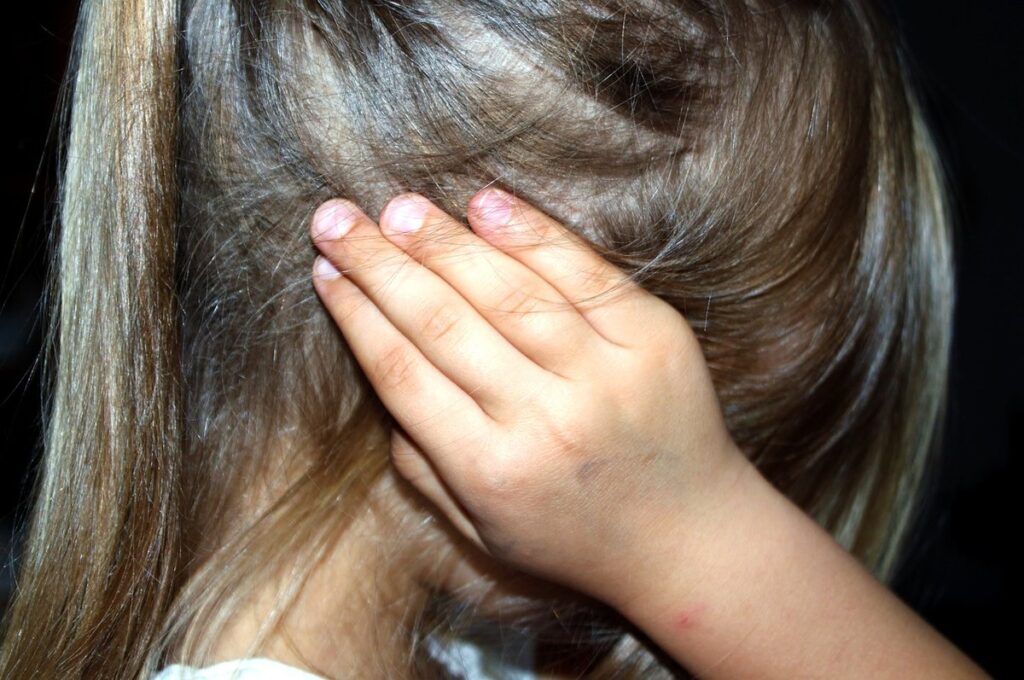
Understanding Childhood Anxiety
Childhood anxiety can be a confusing and overwhelming experience for kids, as well as their parents. In this next part, we’ll explore what anxiety in children looks like.
What is Normal vs. Abnormal Anxiety?
It’s essential to distinguish between normal and abnormal anxiety levels in children. Every child experiences some level of anxiety at various stages of development. For instance, separation anxiety is common among toddlers who struggle to adjust to their caregivers leaving them in childcare settings or with a babysitter.
As children grow, they may encounter age-related milestones that can trigger increased anxiety levels. Around 8-10 years old, kids often worry about social relationships, academic performance, and peer acceptance. This phase is marked by rapid cognitive development and increasing self-awareness, making it challenging for them to regulate their emotions.
Between 11-14 years old, pre-teens may experience more pronounced anxiety due to the onset of puberty and its associated physical changes. Their increased sensitivity to social pressures can lead to concerns about body image, appearance, and peer relationships. On the other hand, abnormal anxiety levels in children are characterized by excessive worry, avoidance behaviors, or intense fear responses that interfere with daily functioning.
It’s crucial for parents and caregivers to recognize when a child’s anxiety has crossed the threshold into an unhealthy territory. If you suspect your child is experiencing above-average anxiety, consult with a mental health professional to determine the best course of action.
Factors Contributing to Childhood Anxiety
Childhood anxiety can be influenced by various factors, which often intersect to create a complex picture. Environmental elements play a significant role in shaping a child’s anxiety levels. For instance, exposure to trauma, such as witnessing domestic violence or experiencing bullying, can significantly heighten the risk of developing anxiety.
Genetic predisposition also contributes to childhood anxiety. Research suggests that children with a family history of anxiety disorders are more likely to experience anxiety themselves. This is often due to inherited traits such as temperament and stress response mechanisms. While genetics don’t predetermine anxiety, they do influence an individual’s susceptibility to it.
Family dynamics can also impact a child’s anxiety levels. A stable and supportive home environment can help children develop coping strategies and build resilience against anxiety. Conversely, environments characterized by conflict, inconsistency, or high expectations can exacerbate anxiety symptoms in children. By being aware of these factors and creating a nurturing atmosphere at home, parents can play an essential role in supporting their child’s mental well-being.
Recognizing Signs of Anxiety in Children
As a parent, it’s essential to be aware of the warning signs that your child may be experiencing anxiety. In this next part, we’ll explore common behaviors and physical symptoms that indicate anxiety in kids.
Physical Symptoms of Anxiety
When anxiety takes hold of a child’s mind, it can manifest physically as well. Parents often overlook these symptoms, attributing them to common childhood ailments like headaches and stomachaches. However, repeated episodes or intense discomfort may indicate underlying anxiety.
Common physical symptoms of anxiety in children include recurring headaches, stomachaches, and sleep disturbances. These issues might be triggered by stressors such as academic pressure, bullying, or changes at home. For instance, a child experiencing test anxiety might develop frequent migraines or stomach pain during exams.
Other signs to watch out for are changes in appetite, restlessness, fidgeting, or difficulty concentrating. Children with untreated anxiety may exhibit physical behaviors like nail biting, hair twirling, or skin picking. Recognizing these symptoms early on allows parents and caregivers to intervene promptly and provide the necessary support.
If you suspect your child’s physical complaints are related to anxiety, consult a healthcare professional for guidance. In the meantime, encourage open communication about feelings and emotions, practicing relaxation techniques like deep breathing or visualization together can help alleviate some of these symptoms.
Behavioral Changes Indicative of Anxiety
As you observe your child’s behavior, it’s essential to note some common changes that may indicate anxiety. One of the primary signs is avoidance behaviors. This could manifest as your child refusing to participate in activities they once enjoyed or showing a sudden disinterest in favorite hobbies.
Another sign is clinginess. Children with anxiety may become overly attached to their parents or caregivers, becoming distressed when separated from them even for short periods. They might exhibit clinging behavior, such as holding onto you tightly or wanting constant reassurance that you’re nearby.
Agitation is another common behavioral change associated with anxiety in children. They may become easily frustrated, irritable, or restless, often displaying physical symptoms like fidgeting, pacing, or restlessness. If your child exhibits these behaviors, it’s crucial to acknowledge their feelings and reassure them of your support.
To better understand these changes, pay attention to when they occur – is it during specific situations or events? Does your child exhibit these behaviors consistently or only occasionally? By recognizing patterns, you can identify potential triggers and develop strategies to help your child manage their anxiety.
Causes and Triggers of Childhood Anxiety
Identifying the underlying causes and triggers of childhood anxiety is crucial to providing effective support and guidance for your little one, helping you understand what they’re going through.
Understanding these factors can also help you recognize early warning signs of anxiety in children, allowing you to take proactive steps towards alleviating their distress.
Family Dynamics and Parenting Styles
When it comes to childhood anxiety, family dynamics and parenting styles play a significant role. The way we interact with our children, manage stress, and create a household environment can either contribute to or alleviate their anxiety levels.
For instance, if parents are overly critical or perfectionistic, they may inadvertently instill in their child the need for control and fear of failure. On the other hand, if parents model healthy coping mechanisms, such as open communication and emotional regulation, children are more likely to develop resilience and adaptability skills.
A household environment that is chaotic, noisy, or constantly filled with conflict can also trigger anxiety in children. This is because they may feel overwhelmed by the stress and uncertainty. Practical strategies include establishing a daily routine, setting clear boundaries, and encouraging open communication about feelings and worries.
It’s essential to recognize that every family is unique, and what works for one household may not work for another. However, by being mindful of our parenting styles and creating a nurturing environment, we can provide the support and stability our children need to manage their anxiety effectively.
Social Pressures and Peer Relationships
Social pressures from peers can have a profound impact on children’s emotional well-being. Children are constantly learning and observing their social environment, and difficulties with friendships or bullying can lead to feelings of anxiety, low self-esteem, and self-doubt.
Bullying is a significant concern for many parents, and it’s essential to take proactive steps in addressing this issue. If your child is experiencing bullying, try to remain calm and empathetic when talking about the situation. Ask open-ended questions like “What happened?” or “How did you feel?” to encourage them to share their thoughts and feelings.
In addition to dealing with bullying, difficulties with friendships can also contribute to childhood anxiety. Children may experience feelings of rejection, isolation, or inadequacy if they struggle to make friends or maintain existing relationships. Encourage your child to participate in group activities, join a club or sports team, or volunteer in their community to help them build confidence and connections.
By being aware of these potential triggers and taking steps to support your child’s social development, you can help mitigate the impact of anxiety on their life.
Supporting Children with Anxiety
When it comes to supporting a child who struggles with anxiety, understanding their specific needs is crucial. We’ll explore practical tips and strategies to help them feel more secure and confident in this challenging time.
Creating a Safe and Supportive Environment
Creating an emotionally secure home environment is crucial when supporting children with anxiety. This starts by fostering open communication and empathy. Make time to listen attentively to your child’s concerns, validating their feelings rather than dismissing them. Use simple language to ask questions that encourage sharing, such as “What happened?” or “How did you feel about that?”
Establish a routine of regular check-ins where you discuss your child’s day, goals, and worries. This helps build trust and creates a safe space for expression. Practice empathy by acknowledging their emotions, e.g., “I can see why you’d be upset in this situation.” Avoid minimizing or downplaying their fears, as this can exacerbate anxiety.
Incorporate activities that promote emotional intelligence, such as role-playing scenarios to address social worries or practicing relaxation techniques like deep breathing exercises. By doing so, you help your child develop coping skills and build resilience against anxiety-provoking situations.
Encouraging Open Communication and Expression
Open communication is crucial when supporting children with anxiety. It helps them feel understood and validated, which can ease their distress. To foster this dialogue, start by creating a safe space where your child feels comfortable expressing themselves without fear of judgment or criticism.
When talking to your child about their anxiety, use simple and non-judgmental language. Avoid minimizing their concerns or telling them “don’t worry” or “it’s nothing.” Instead, acknowledge their feelings by saying something like, “I can see that you’re feeling really scared right now.”
Regular check-ins can also help maintain open communication. Set aside dedicated time each day to ask your child about their feelings and experiences. This could be during dinner, before bed, or during a walk together.
By actively listening to your child’s concerns and expressing empathy, you can build trust and create an environment where they feel comfortable discussing their anxiety. Remember that this is a continuous process that requires patience, understanding, and consistency.
Treatment Options for Childhood Anxiety
If you’re looking for ways to help your child manage their anxiety, there are several treatment options available that can be tailored to their specific needs and situation. We’ll explore some of these options in more detail here.
Psychotherapies for Children with Anxiety
When it comes to treating childhood anxiety, psychotherapy is often an effective option. Various forms of talk therapy can help children manage their anxious thoughts and behaviors. One popular approach is cognitive-behavioral therapy (CBT), which focuses on identifying and changing negative thought patterns that contribute to anxiety.
In CBT, a therapist works with the child to develop coping skills and strategies to manage anxiety-provoking situations. For example, if a child is afraid of going to school due to fear of being bullied, the therapist will help them reframe their thoughts and develop a plan to tackle the situation. This might involve practicing relaxation techniques, such as deep breathing or visualization.
Other forms of psychotherapy, like play therapy and acceptance and commitment therapy (ACT), can also be beneficial for children with anxiety. Play therapy allows children to express themselves through creative activities, which can help them process and release anxious feelings. ACT, on the other hand, helps children accept their emotions without trying to change or avoid them.
It’s essential to work with a trained therapist who specializes in child anxiety, as they will tailor the approach to meet the child’s unique needs. With patience, consistency, and support from a qualified therapist, many children can learn to manage their anxiety and develop healthy coping mechanisms.
Medications and When to Consider Them
When it comes to treating childhood anxiety, medication is often considered as an option. However, it’s essential to understand that medications should be used under the guidance of a healthcare professional and only when other treatment approaches have been tried.
Antidepressants, specifically selective serotonin reuptake inhibitors (SSRIs), are commonly prescribed for childhood anxiety. They work by increasing levels of serotonin in the brain, which can help alleviate symptoms of anxiety. For example, fluoxetine (Prozac) has been shown to be effective in reducing anxiety symptoms in children with social phobia.
While medications can provide relief from severe anxiety symptoms, they also come with potential risks and side effects. Common side effects include stomach upset, headaches, and dizziness. In some cases, medications may even worsen anxiety symptoms or lead to increased aggression.
Before considering medication, parents should discuss the benefits and risks with their child’s healthcare provider. This is especially true for children under 6 years old, as research suggests that medications can have a more significant impact on developing brains. If your child’s anxiety symptoms are mild, it may be best to try non-pharmacological approaches first, such as therapy or behavioral techniques like deep breathing exercises and relaxation training.
Long-Term Strategies for Managing Childhood Anxiety
As you work towards helping your child manage anxiety, it’s essential to develop long-term strategies that promote stability and confidence. Implementing these tactics will set a strong foundation for their emotional well-being.
Teaching Coping Mechanisms and Relaxation Techniques
Teaching children coping mechanisms and relaxation techniques is an essential part of helping them manage anxiety. One effective way to do this is through deep breathing exercises. Encourage your child to inhale deeply through their nose, hold the breath for a few seconds, and then exhale slowly through their mouth. You can also try guided imagery together, where you imagine a peaceful scene, such as a beach or a forest.
Progressive muscle relaxation is another technique that can help children release tension. Have them tense and then relax different muscle groups in their body, starting from their toes and moving up to their head. This can be especially helpful before bedtime to promote relaxation and reduce anxiety.
It’s also essential to teach your child visualization techniques. Encourage them to imagine themselves in a safe and happy place when they feel anxious or scared. For example, you could imagine yourself on a favorite beach, feeling the warm sand between your toes and the cool breeze on your skin. The goal is to help your child learn how to calm their body and mind in times of stress.
Building Resilience through Activities and Interests
Engaging your child in activities they love can be a powerful tool in building resilience against future anxiety. When children participate in hobbies and interests that bring them joy, they develop a sense of purpose and confidence, which can help them navigate challenging situations more effectively.
This is because the brain’s stress response system is linked to our emotions and experiences. By fostering positive emotions through enjoyable activities, we can actually strengthen our resilience against anxiety. For instance, research has shown that kids who participate in sports are less likely to develop anxiety disorders later on.
So how can you encourage your child to engage in activities they enjoy? Start by asking them what they’re passionate about and exploring ways for them to pursue those interests. This could be anything from painting to playing a musical instrument or even simply spending time outdoors.
As you support their endeavors, be sure to offer guidance without being overly critical or perfectionistic. By doing so, you’ll help your child build problem-solving skills, learn from setbacks, and develop a growth mindset – all essential components of resilience against anxiety.
Frequently Asked Questions
How can I create a safe environment for my anxious child at home?
Creating a safe environment involves setting clear boundaries, establishing routines, and providing emotional support. Designate a quiet space where your child can express themselves without interruptions. Ensure this space is equipped with calming tools such as essential oils or fidget toys. Regularly review and adjust these spaces to suit your child’s changing needs.
What if my child’s anxiety symptoms worsen over time? When should I seek professional help?
If you notice a decline in your child’s overall well-being, increased anxiety levels, or difficulties managing daily tasks, it may be time to consult a mental health professional. Don’t hesitate to seek help if your child’s anxiety is impacting their relationships with family members, peers, or teachers. Keep an eye on changes in their behavior and mood, and schedule a consultation with a therapist or counselor.
How can I differentiate between normal anxiety and more severe forms of childhood anxiety?
Monitor your child’s anxiety levels over time, paying attention to the frequency and intensity of episodes. If you notice increased worry, avoidance behaviors, or persistent fears that disrupt daily life, it may be indicative of more severe anxiety. Consult with a mental health professional for an accurate assessment.
What are some effective ways to encourage open communication about my child’s anxiety?
Create opportunities for your child to express themselves through regular conversations, active listening, and empathy. Encourage them to share their feelings and thoughts without judgment or criticism. Validate their emotions by acknowledging the discomfort or fear they’re experiencing. Be patient and consistent in your approach.
What are some potential consequences of untreated childhood anxiety?
Untreated childhood anxiety can lead to long-term emotional and psychological issues, such as depression, self-esteem problems, or difficulty forming healthy relationships. In severe cases, it may also impact academic performance, social skills development, or even increase the risk of developing anxiety disorders later in life.