
Camping can be an incredibly rewarding experience, but let’s face it – mealtime is often where the magic begins to unravel. A bad campfire-cooked meal can quickly turn a wonderful adventure into a miserable one. That’s why we’re sharing our top picks for camping meals that are not only delicious but also safe and easy to prepare.
Whether you’re a seasoned camper or just starting out, it’s essential to know how to cook mouth-watering meals on the go while accommodating dietary restrictions and staying within your comfort zone. In this article, we’ll dive into the world of hearty skillets, one-pot wonders, and other camping meal ideas that will make you wonder how you ever survived without them. From breakfast to dinner and everything in between, we’ve got you covered with these tasty and easy-to-make recipes.
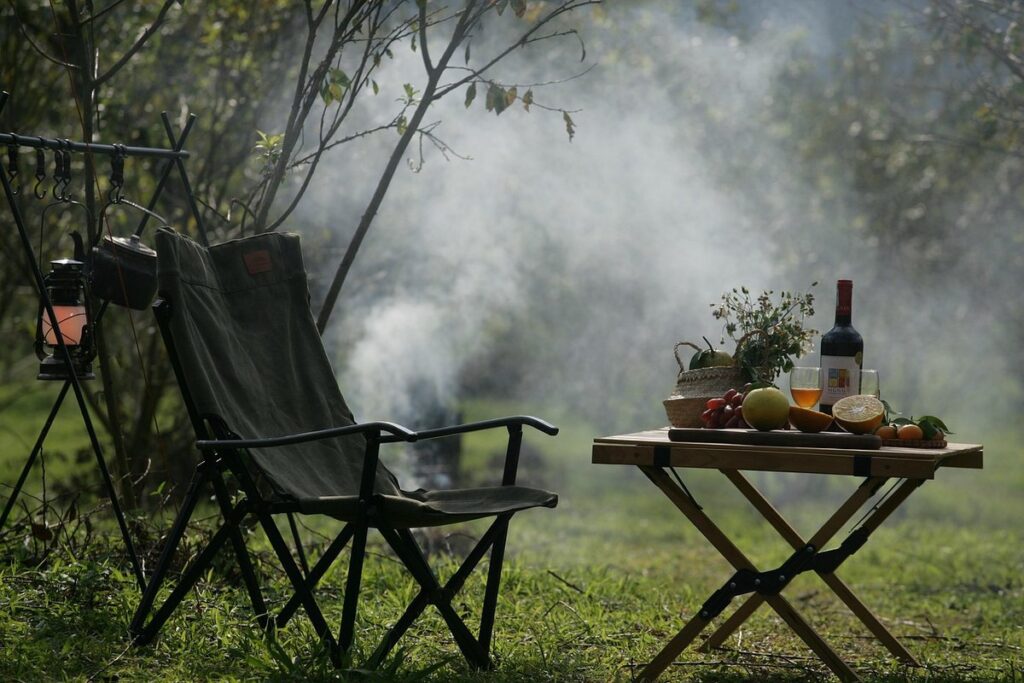
Preparing for a Meal-Filled Camping Trip
Before you head out on your camping trip, let’s get ready to cook up some delicious meals with the right prep and planning. We’ll cover what you need to know to make mealtime a breeze in the great outdoors.
Planning Your Menu
Planning meals before embarking on a camping trip is crucial for several reasons. First and foremost, it ensures that everyone’s dietary needs are met, which is especially important if you’re camping with people who have specific requirements, such as gluten-free or vegan diets. A well-thought-out menu also helps reduce food waste by avoiding overbuying perishable items and planning meals around what’s in season.
To start planning your menu, consider the number of campers, their age ranges, and their dietary restrictions. Think about the activities you’ll be doing on your trip – if you’ll be hiking or biking long distances, you may want to plan more energy-dense meals. Make a list of breakfast, lunch, dinner, and snack options that cater to everyone’s tastes and needs.
It’s also essential to consider the logistics of food storage and preparation while camping. Choose meals that can be cooked on a portable stove or over a campfire, and opt for ingredients that won’t spoil quickly in warm temperatures. With some planning, you’ll be able to enjoy delicious, nutritious meals even in the midst of an outdoor adventure.
Considering Dietary Restrictions
When planning meals for your camping trip, it’s essential to consider dietary restrictions that may be present among your group members. This includes vegetarian, gluten-free, and vegan options that can sometimes be overlooked but are just as crucial as the rest of the menu.
To accommodate these diets while camping, start by asking each person about their specific needs and preferences ahead of time. This will give you a clear idea of what ingredients to bring along or avoid. For vegetarians and vegans, consider packing plant-based protein sources like beans, lentils, and tofu. Gluten-free options can be just as flavorful; opt for gluten-free grains, bread, or pasta alternatives.
When preparing meals on-site, remember to label dishes clearly so that everyone knows what they can and cannot eat. Be mindful of cross-contamination when cooking for multiple diets simultaneously. With a little planning and creativity, you can ensure that every member of your group enjoys their meal without sacrificing flavor or satisfaction.
Breakfast Ideas to Start Your Day Off Right
When camping, a hearty breakfast can set the tone for a fantastic day outdoors. We’ve got some tasty and easy-to-make breakfast ideas to fuel your morning adventures.
Hearty Campfire Skillet Meals
When it comes to fueling up for a busy day of camping, hearty campfire skillet meals are an excellent option. These one-pot wonders can be cooked directly over the campfire and are perfect for breakfast, lunch, or dinner.
To get started, choose your protein source: sausage, bacon, or eggs are all great options. You can’t go wrong with a classic combo like scrambled eggs, crispy bacon, and diced bell peppers. Or, try pairing spicy Italian sausage with sautéed onions and mushrooms.
Here’s a simple recipe to try: “Campfire Skillet Supper”. Cook 1/2 cup of diced onion and 1/2 cup of sliced bell pepper in a cast-iron skillet over medium-high heat. Add 4 eggs, salt, and pepper to taste, and cook until the eggs are set. Then, add 2 slices of cooked bacon, crumbled, and serve hot.
This recipe is easy to customize with your favorite ingredients, so don’t be afraid to get creative! With a little planning and preparation, you can enjoy a delicious, filling meal right in the great outdoors.
No-Cook Breakfast Options
When it comes to camping meals, breakfast is often the most challenging meal to prepare. However, with no-cook breakfast options, you can start your day off right without sacrificing flavor or convenience. Overnight oats are a popular choice for campers. Simply combine rolled oats, milk, and any desired toppings (such as nuts or fruit) in a container the night before, and by morning, you’ll have a delicious, filling breakfast.
Energy bars are another no-cook option that can be easily packed and taken on the go. Look for brands with wholesome ingredients to ensure you’re fueling your body with quality nutrition. Trail mix is also a convenient choice, but be mindful of added sugars or artificial ingredients in some commercial mixes. Consider making your own trail mix using dried fruits, nuts, and seeds.
To prepare and pack these foods, consider the following tips: portion out individual servings, store them in airtight containers to maintain freshness, and choose lightweight packaging that won’t weigh down your backpack.
Lunch and Snack Ideas for a Full Day of Adventure
When you’re out on the trail, it’s essential to have satisfying snacks and lunches that will fuel your adventure without weighing you down. Look for lightweight options like wraps, fruits, and energy bars.
Sandwiches, Wraps, and More
When it comes to satisfying your cravings while camping, sandwiches and wraps are excellent options that can be easily customized to suit your tastes. Consider packing a variety of meats like turkey, ham, roast beef, or chicken breast, which can be paired with an assortment of cheeses such as cheddar, Swiss, or provolone. Don’t forget to add some flavor with condiments like mustard, mayonnaise, or hummus.
You can also explore international flavors by incorporating ingredients like falafel, grilled vegetables, or pickled onions into your wraps. For added convenience, prepare a “sandwich bar” with pre-sliced meats, cheeses, and condiments in reusable containers. This way, you can assemble your perfect sandwich at any time during the day.
Some other tasty options to consider include:
• Grilled paninis made with artisanal bread
• Tortilla wraps filled with scrambled eggs and chorizo
• Crostini topped with olive tapenade and cherry tomatoes
Remember to store your sandwiches and wraps in airtight containers to keep them fresh throughout the day. With these ideas, you’ll be well-equipped to tackle even the most energetic outdoor adventures while enjoying delicious, satisfying meals along the way.
Fruits, Veggies, and Cheese Plates
When you’re out camping, it’s easy to get caught up in the excitement of exploring and forget about what you’re putting into your body. But a balanced diet is essential for maintaining energy levels throughout the day. That’s why incorporating fruits and veggies into your meals is crucial.
Prepping these foods requires minimal equipment and can be done right at the campsite. For instance, wash and chop carrots, celery, or bell peppers, and store them in an airtight container to keep fresh. You can also bring along pre-washed, pre-cut mixes of greens like spinach or arugula for a quick salad.
Cheese plates are another great option – pair sliced cheese with crackers, fruit, or veggies for a satisfying snack that’s easy to prepare. Don’t forget to pack a knife and cutting board for on-site prep. Consider purchasing a portable grill or camping stove to cook up some veggie skewers or grilled cheese sandwiches. These simple yet nutritious meals will fuel your adventures without weighing you down.
One-Pot Wonders: Easy Dinner Options for Camping
Camping meals don’t have to be complicated, and one-pot wonders are a great way to fuel your outdoor adventures without slaving over a hot stove. Let’s dive into some easy dinner options that cook in just one pot!
Hearty Stews and Soups
Hearty stews and soups are perfect for camping meals because they’re easy to prepare, can be cooked over a campfire or on a portable stove, and are filling enough to keep you satisfied after a long day of outdoor activities. Consider making a classic beef stew with chunks of beef, potatoes, carrots, and onions in a rich broth. You can also add beans for extra protein and fiber.
For a lighter option, try a vegetable soup made with diced vegetables like bell peppers, zucchini, and tomatoes, along with some chicken or beef broth for added flavor. Don’t forget to add some canned beans, such as black beans or chickpeas, for an extra boost of protein.
When cooking stews and soups while camping, remember to use a large pot that can hold enough food for your group. Consider using a Dutch oven or a heavy-bottomed pot that can distribute heat evenly over the campfire or portable stove. Also, don’t forget to add some seasoning to bring out the flavors of your dish.
Pasta and Rice Dishes
Pasta and rice dishes are perfect one-pot wonders for camping. These meals can be cooked to perfection in a single pot, making cleanup a breeze and saving you time to focus on other activities. Plus, they’re often lightweight and packable, which is essential when you’re carrying your own gear.
When preparing pasta and rice dishes while camping, it’s essential to use the right ratio of water to grain or pasta. A general rule of thumb is to use a 2:1 ratio (water to pasta) for long-cooking pasta like spaghetti, and adjust as needed based on altitude and heat. To add flavor, try incorporating dried herbs, garlic powder, and chili flakes into your meal. For example, you can mix some Italian seasoning with olive oil and brush it onto the pasta before adding the sauce.
Some popular one-pot options include chicken fettuccine Alfredo, jambalaya rice bowls, and Mediterranean quinoa salads. Experiment with different combinations of ingredients to create your own signature dishes and enjoy a satisfying meal after a long day outdoors.
Tips for Food Safety While Camping
As you enjoy the great outdoors, remember that food safety is just as important as a warm campfire. To keep your meals safe and enjoyable, follow these essential tips for camping.
Storing and Handling Perishables
When camping, it’s essential to store and handle perishable foods safely to prevent foodborne illnesses. Perishables like meat, dairy products, and eggs are susceptible to bacterial growth when not stored at the right temperature. To keep these items safe, make sure to pack them in insulated containers with ice packs to maintain a consistent refrigerator temperature of 40°F (4°C) or below.
When handling perishable foods, always wash your hands thoroughly before and after touching raw ingredients. Use separate cutting boards and utensils for raw meat, poultry, and seafood to avoid cross-contamination. If you’re storing food in a cooler with ice, make sure the ice is not melting quickly, which can lead to temperature fluctuations.
When preparing meals, cook perishables immediately or refrigerate them promptly after preparation. When reheating cooked food, ensure it reaches an internal temperature of 165°F (74°C) to kill any bacteria that may have formed during storage. Always check the expiration dates and packaging of your perishable items before consumption to avoid spoilage. By following these guidelines, you can enjoy safe and delicious meals while camping.
Disposing of Waste Properly
When camping, it’s easy to get caught up in the excitement of exploring nature and preparing delicious meals. However, proper waste disposal is crucial to minimize our impact on the environment. Let’s face it: trash and human waste are inevitable byproducts of a camping trip.
To keep our campsites clean and respect the land we’re visiting, let’s break down some essential tips for disposing of waste properly. Firstly, make sure to separate your recyclables from non-recyclable trash, just like you would at home. Store them in designated bins or bags with clear labels. When it comes to food waste, consider composting any organic matter that can be repurposed as fertilizer for future trips.
As for human waste, always follow the “pack it in, pack it out” rule. If there are no designated toilets nearby, dig a cathole at least 200 feet away from water sources and campsites. Bury human waste deep enough to prevent contamination of nearby waterways. Lastly, don’t forget to wash your hands thoroughly after handling trash or human waste.
Proper waste disposal is not only a matter of environmental responsibility but also a safety precaution for fellow campers and wildlife. By being mindful of our impact, we can preserve the beauty of nature for future generations to enjoy.
Conclusion: Enjoying Delicious Meals on Your Next Camping Trip
As you plan your next camping trip, remember that delicious meals are just as essential as a comfortable tent and warm sleeping bag. By incorporating some of these meal ideas into your itinerary, you’ll be able to fuel up for a day of hiking, swimming, or simply taking in the breathtaking scenery. Don’t let concerns about cooking and food preparation hold you back from enjoying your camping experience – with a little creativity and planning, you can whip up mouthwatering meals right at your campsite. Pack smart by bringing reusable containers and utensils to minimize waste and make cleanup a breeze. With these tips in mind, you’ll be well on your way to savoring the great outdoors while satisfying your taste buds.
Frequently Asked Questions
What’s the best way to store perishable items while camping to ensure food safety?
Yes, storing perishable items properly is crucial for maintaining food safety while camping. Use a cooler with ice packs or a portable refrigerator to keep your food at the right temperature (usually below 40°F/4°C). Pack raw meat, dairy products, and ready-to-eat foods separately to prevent cross-contamination.
Can I prepare meals in advance before heading out on my trip?
Yes! Preparing some components of your meals ahead of time can save you a lot of stress while camping. Consider cooking protein sources like chicken or beans at home and then transporting them to the campsite for reassembly into meals. Just remember to label and date all pre-cooked items to avoid foodborne illnesses.
How do I handle leftovers safely while camping?
To prevent food waste, pack leftovers in airtight containers and refrigerate or freeze them promptly. When reheating, ensure that hot foods reach 165°F (74°C) within two hours of cooking. Never leave perishable foods at room temperature for more than an hour.
What if I have guests with specific dietary restrictions – how do I accommodate their needs?
Accommodating special diets requires some planning ahead. Consider including a variety of plant-based and gluten-free options in your menu, and label these clearly so that guests can make informed choices. Don’t be afraid to ask about specific requirements or allergies when inviting friends.
Can I still enjoy delicious meals while camping with limited cooking equipment?
No matter what your campsite has to offer, you can always find ways to prepare delicious meals without a full kitchen setup. Focus on simple recipes that don’t require a lot of specialized equipment, like grilling over an open flame or using a portable stovetop. Don’t forget the importance of proper food storage and handling to prevent spoilage.