
As a parent, watching your toddler learn to communicate is one of the most exciting experiences. Language development in toddlers is a critical milestone that sets the stage for their future academic and social success. But did you know that every child develops at their own pace? It’s essential to create a language-rich environment that fosters healthy communication skills from an early age.
In this article, we’ll delve into the theories and stages of language development in toddlers, exploring what to expect and how to support your little one’s linguistic growth. From creating opportunities for conversation to encouraging babbling and beyond, we’ll cover expert tips on how to stimulate language development at home. By understanding these principles, you can create a nurturing environment that helps your toddler thrive and reach their full potential in this essential area of development.
Understanding Toddler Language Development
As a parent, understanding toddler language development is essential for supporting their communication growth and building a strong foundation for future language skills. In this next part of our guide, we’ll explore what to expect from your child’s linguistic journey.
Theories of Language Acquisition
When it comes to understanding language development in toddlers, it’s essential to grasp the underlying theories that govern this complex process. Two prominent theories of language acquisition are Noam Chomsky’s Universal Grammar and B.F. Skinner’s Behaviorist Theory.
Chomsky’s Universal Grammar theory proposes that all humans are born with an innate capacity for language acquisition, which includes a set of universal grammatical rules. This idea suggests that children have an inherent ability to learn any human language without prior exposure. For instance, a child learning their first language is able to identify and replicate the sounds and structures of their native tongue without formal instruction.
On the other hand, B.F. Skinner’s Behaviorist Theory posits that language development is primarily influenced by environmental factors such as social interaction, imitation, and reinforcement. According to this theory, children learn language through repeated exposure to verbal stimuli and conditioning. For example, when a parent consistently responds to their child’s babbling with an echo or expansion of the sounds, the child begins to associate vocalizations with communication.
Understanding these theories can help parents recognize that language development in toddlers is a unique blend of innate ability and environmental influence.
Stages of Language Development
As your little one grows and develops their language skills, you’ll notice significant progress from month to month. Understanding these stages can help you support and encourage their communication journey.
Around 6-9 months, toddlers begin babbling – making sounds like “ba” or “da”. This is a crucial stage as it lays the foundation for speech development. Encourage your baby by responding to coos and babbles with the same sound back.
Between 9-12 months, language skills start to develop further, and babies say their first words, such as “mama” or “dada”. They may also start combining sounds to form two-syllable words like “baba-gaga”.
By around 18 months, toddlers begin using simple words to communicate. They might point at objects and say the word, but it’s essential to remember that their vocabulary will still be limited.
As your child approaches two years old, they’ll start combining simple sentences with two or three words. For example, “Mama go car.” This is a significant milestone in language development, marking the transition from single-word communication to more complex sentence structures.
It’s vital to remember that every child develops at their own pace. If you’re concerned about your toddler’s language skills, consult with your pediatrician for personalized guidance and support.
Encouraging Language Development at Home
As a parent, you can play a significant role in encouraging language development in your toddler through simple and fun activities at home. We’ll share practical tips to get you started today.
Creating a Language-Rich Environment
Creating a language-rich environment at home is essential for encouraging language development in toddlers. One way to do this is by engaging in interactive play with your child. This can be as simple as reading books together, singing songs, or playing word games like “I Spy”. Interactive play not only fosters language skills but also strengthens the bond between parent and child.
Provide opportunities for conversation by asking open-ended questions that encourage your child to respond. For example, “What’s your favorite toy?” or “How was your day at daycare?” Also, use verbal labels when engaging in daily activities like mealtime, bath time, or dress-up play. This helps expand your child’s vocabulary and associates words with actions.
Make language a part of every interaction by labeling objects, people, and actions around you. For instance, while cooking, point to different ingredients and say their names: “apple”, “carrot”, etc. Use mirrors and reflection games to enhance verbal communication, such as repeating back what your child says or making them repeat after you.
Remember, consistency is key in creating a language-rich environment. Establish routines that incorporate language development, like daily reading sessions or game nights.
Engaging in Conversations with Your Toddler
When interacting with your toddler, engaging in conversations is crucial for their language development. This may seem daunting at first, but with a few simple strategies, you can foster a love of communication in your child. One key technique is using child-directed speech, which means speaking to your child as if they are the only one around. Use shorter sentences, simpler vocabulary, and a more animated tone to capture their attention.
When your toddler tries to communicate, it’s essential to respond promptly and encourage them to continue talking. This could be as simple as repeating back what you think they said or asking open-ended questions to keep the conversation flowing. For example, if your child says “doggy,” you can respond with “yes, that’s a dog! Do you like dogs?” Remember, the goal is to create a dialogue, not an interrogation.
By making conversations with your toddler a regular occurrence, you’ll be laying the groundwork for future language skills and helping them develop essential communication skills.
Identifying and Supporting Toddlers with Language Delays
Identifying a language delay in your toddler can be a worrisome experience, but there are steps you can take to get them the support they need. We’ll walk you through how to identify and support toddlers with language delays next.
Recognizing the Signs of a Language Delay
When interacting with your toddler, it’s essential to be aware of the signs that may indicate a language delay or disorder. Delayed babbling is one such indicator – typically, by 12 months, babies should start combining consonant-vowel sounds and making gestures like pointing or waving. If your child hasn’t reached this milestone yet, don’t panic; every child develops at their own pace.
However, if you notice that your toddler consistently fails to respond to their name when called or doesn’t seem to understand simple instructions, it could be a cause for concern. Lack of gestures like pointing or waving is another red flag, as these are crucial communication tools in early childhood development.
Pay close attention to your child’s vocabulary and sentence structure. A typical 18-month-old should have around 20 words in their vocabulary, while by two years old, they should be combining two words together. If you feel that your toddler’s language skills are not advancing as expected, consult with a pediatrician or a speech-language pathologist for professional guidance.
Working with Professionals for Support
When your child’s language development seems to be lagging behind their peers, it can be overwhelming and isolating. However, you’re not alone. Working with professionals who specialize in speech and language development can provide the support and guidance you need.
Speech-language pathologists (SLPs) are trained experts who can assess and address language delays in toddlers. By partnering with an SLP, you’ll gain access to personalized strategies and techniques tailored to your child’s unique needs. To get started, begin by contacting your pediatrician for a referral or searching online for certified SLPs in your area.
During the initial consultation, ask questions like: “What are the most effective ways to engage my child in language activities?” or “How can I incorporate these strategies into our daily routine?” A good SLP will also provide you with clear, actionable advice on how to support your child’s progress at home.
The Role of Parent-Child Interaction in Language Development
As you support your little one’s language growth, understanding how parent-child interaction influences their development is crucial. Let’s explore how daily interactions can shape their vocabulary and communication skills.
Positive Interactions and Play
Positive interactions and play are essential for fostering language development in toddlers. When parents engage in playful activities with their child, they create a nurturing environment that encourages exploration and experimentation with language. This interaction helps toddlers develop phonological awareness, vocabulary, and grammar skills.
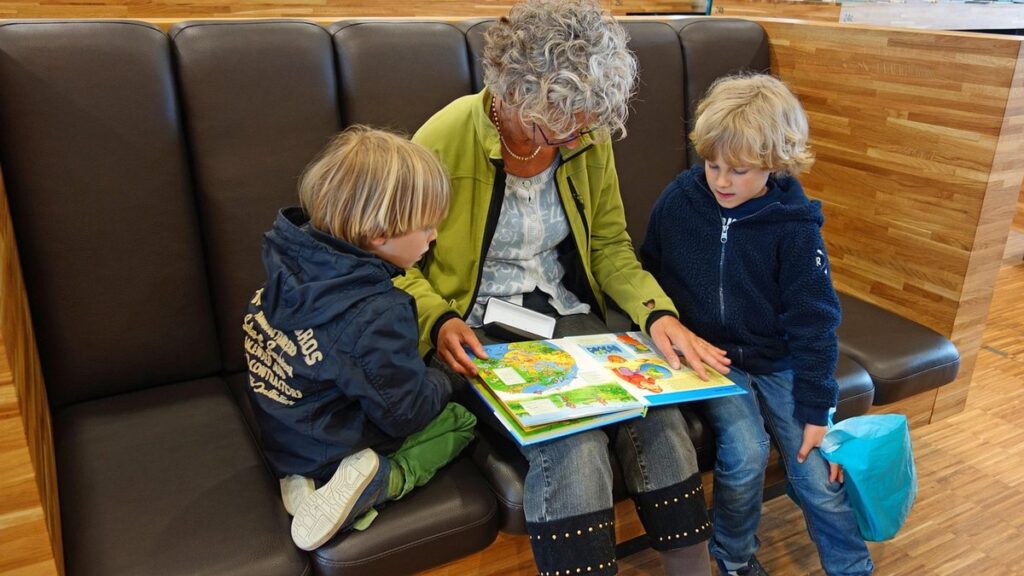
For instance, reading together is an excellent way to stimulate language development. Pointing to pictures and naming objects as you read aloud exposes your child to new words and sentence structures. You can also use picture books to retell stories in your own words, encouraging your child to do the same. This playful exchange helps build their vocabulary and comprehension skills.
As you play with your toddler, pay attention to opportunities for language development. For example, when building blocks, ask your child to describe their creation or point out different shapes and colors. Similarly, during pretend play, engage in conversations that encourage imaginative scenarios and storytelling. By embracing positive interactions and play, you’ll create a rich linguistic environment that supports your toddler’s language growth.
Responsive Parenting and Language Development
When interacting with your toddler, it’s essential to practice responsive parenting – actively listening and validating their thoughts and feelings. This not only helps strengthen your bond but also fosters a supportive environment for language development.
Active listening involves paying attention to your child when they speak, maintaining eye contact, and responding with interest. For instance, if your toddler says “I want juice!”, you can respond by saying “You really love juice, don’t you? Let’s get some out of the fridge.” This encourages them to continue talking, as they feel heard and understood.
Validation is another crucial aspect of responsive parenting. When your child expresses their emotions or thoughts, acknowledge their feelings with phrases like “I see you’re upset” or “That makes sense.” For example, if your toddler says “I don’t want to go to bed!”, you can say “It sounds like you’re feeling tired but also a bit worried about missing out on fun. Let’s find a solution that works for everyone.”
By incorporating responsive parenting practices into your daily interactions, you’ll create a nurturing environment where your child feels encouraged to communicate effectively and develop their language skills at an accelerated rate.
Common Challenges in Toddler Language Development
As a parent, you might be concerned when your toddler’s language development seems to stall or plateau. This section explores some of the common challenges that can affect a child’s language growth.
Separation Anxiety and Communication Breakdowns
Separation anxiety is a common phase in toddlerhood that can significantly impact language development. When toddlers are separated from their primary caregivers, they may become distressed and experience emotional turmoil. This anxiety can manifest in various ways, including clinginess, tantrums, or even refusal to speak. In extreme cases, separation anxiety can lead to communication breakdowns, where the child becomes hesitant to communicate or express themselves.
When communication breakdowns occur due to separation anxiety, it’s essential for caregivers to remain calm and patient. By doing so, they can help their toddler feel secure and develop trust in communicating their needs. Encourage your child to use simple words or gestures to express themselves when you’re apart. For instance, if your toddler is upset because you’re leaving them at daycare, encourage them to say “Mommy go” or point to a picture of themselves. Consistency, empathy, and open communication can help alleviate separation anxiety and foster healthy language development.
Managing Power Struggles Over Language
Managing power struggles over language use between parents and toddlers can be challenging. When children make mistakes with words, it’s natural for parents to feel a sense of frustration. However, reacting critically or punishing these errors can have long-term negative effects on the child’s language development.
Criticism or punishment can lead to anxiety around using language, causing the child to become hesitant or reluctant to communicate. Instead of encouraging the child to take risks with words, this approach can actually hinder their progress. A more effective strategy is to focus on building a positive and supportive environment for language exploration.
When your toddler makes a mistake, try reframing it as an opportunity for learning and growth. Avoid making corrections in the heat of the moment; rather, wait for a calm moment when you can have a conversation about what went wrong and how it could be improved. By adopting this approach, you’ll help your child develop a more positive relationship with language and build their confidence to communicate effectively.
Fostering a Love of Reading in Toddlers
Helping your toddler develop a love for reading can have a lasting impact on their language skills, and it’s surprisingly simple to encourage this habit from an early age. Here are some practical tips to get you started.
Building Literacy Skills through Storytime
When you sit down with your toddler for storytime, you’re not just reading them a bedtime story – you’re building their literacy skills and fostering a lifelong love of reading. Reading aloud to toddlers exposes them to the rhythm and cadence of language, helping them develop phonological awareness and understanding of word order.
As you read together, point to words and pictures in the book to encourage your child’s emerging vocabulary and comprehension. This interactive element not only makes storytime more engaging but also helps your child connect the sounds and symbols on the page with meaning. By modeling reading behaviors and making it a fun, interactive experience, you’re teaching your toddler that reading is an enjoyable activity.
To make the most of storytime, choose books with simple, repetitive text and colorful illustrations that will capture your child’s attention. As you read together, ask open-ended questions about the story to encourage your child’s critical thinking and imagination. By doing so, you’ll not only be building their literacy skills but also helping them develop a love for reading that will last a lifetime.
Creating a Home Library and Encouraging Book Exploration
Creating a home library and encouraging book exploration is essential to foster a love of reading in toddlers. Start by displaying books prominently in a dedicated space, such as a bookshelf or reading nook. This will make it easy for your child to browse through the collection and pick out their favorite stories.
Make reading a routine activity by establishing a regular bedtime story time or dedicating a specific time slot each day for reading together. As you read, ask open-ended questions about the story, such as “What do you think happens next?” or “Why do you think the character made that choice?”
You can also make book exploration more engaging by incorporating different textures and sounds into your reading routine. For example, try reading a rhyming book with a fun rhythm or exploring books with flaps to lift or buttons to press.
Some other tips to encourage book exploration include:
• Letting your child choose their own books from the library or bookstore
• Creating a “book of the week” tradition where you both read the same story together
• Making reading a sensory experience by incorporating puppets, stuffed animals, or costumes
Frequently Asked Questions
Can I create a language-rich environment if English is not my primary language?
Yes, you can still create a language-rich environment for your toddler even if English is not your primary language. Focus on using non-verbal cues like gestures and facial expressions to communicate, and try to engage in conversations with your child in their native language or a language they’re familiar with.
How do I know if my child’s language delay is caused by a physical condition or a developmental issue?
Consult with a pediatrician or a speech-language pathologist (SLP) who can assess your child’s overall development and provide guidance on whether the delay is related to a physical condition or a developmental issue. They may recommend further evaluations, such as hearing tests or cognitive assessments.
Can I start creating a language-rich environment for my toddler if we’re experiencing separation anxiety?
Yes, it’s essential to prioritize both your child’s emotional well-being and their language development during this time. Continue engaging in conversations with your toddler at home and try to establish a consistent daily routine that includes opportunities for communication. Consider enlisting the help of family members or a therapist to support you and your child.
How do I encourage my child to engage in conversations beyond simple babbling?
Encourage your child’s language development by using open-ended questions, reading books together, and engaging in imaginative play. Model complex sentence structures and vocabulary during conversations, and provide opportunities for your child to respond with their own thoughts and ideas.
Can I use baby sign language as a way to support my child’s early language development?
Yes, baby sign language can be an effective tool for supporting early language development. Research suggests that signing with infants can increase their vocabulary and encourage them to communicate more effectively before they start speaking. You can learn simple signs from online resources or through classes and use them during daily activities like mealtime or bath time.