
As a parent, there’s nothing more terrifying than watching your child get hurt. But the good news is that with some basic first aid knowledge, you can turn potential tragedy into minor mishaps. Learning essential first aid techniques can be a lifesaver in moments of crisis, and it’s easier than you think to become proficient. In this article, we’ll cover the basics of first aid every parent should know, from recognizing signs of illness or injury to performing CPR and treating wounds and burns. We’ll break down these crucial skills into simple, easy-to-follow steps so that you can confidently respond to emergencies in your own home. Whether it’s a scraped knee or a more serious condition, knowing what to do makes all the difference – and with this guide, you’ll be prepared to handle anything that comes your way.
Understanding the Importance of First Aid in Childcare
As a parent, it’s essential to understand the importance of first aid in childcare, from recognizing potential hazards to providing life-saving care during emergencies. This knowledge will give you peace of mind and confidence as a caregiver.
What is First Aid and Why is it Crucial for Parents?
When it comes to childcare, having basic knowledge of first aid is not just a nicety, but a necessity. First aid is the immediate and temporary care given to an injured person until medical help arrives. It’s crucial for parents to understand what constitutes first aid and why it’s essential in their daily lives.
In simple terms, first aid involves recognizing and responding to emergencies such as wounds, burns, choking, or cardiac arrest. By knowing how to administer basic first aid, you can prevent minor accidents from becoming serious injuries. For instance, if your child gets a cut on the playground, you’ll know exactly what to do – clean it with soap and water, apply pressure to stop bleeding, and seek medical attention if necessary.
Having this knowledge also helps to alleviate panic and anxiety in emergency situations. By knowing how to respond effectively, you can keep your child calm and prevent further harm until medical help arrives. Remember, first aid is not just about treating injuries; it’s also about preventing them from happening in the first place.
Common Injuries and Emergencies that Require Immediate Attention
As a parent, it’s essential to be prepared for common childhood injuries and emergencies that can happen in an instant. Burns from hot liquids or surfaces are one of the most critical situations that require immediate attention. A scalding burn can cause severe pain and damage to the skin, especially if left untreated. If your child suffers a burn, run cool tap water over it for 10-15 minutes to help reduce the temperature and ease the discomfort.
Cuts and broken bones are also common childhood injuries that demand prompt care. Apply gentle pressure to stop bleeding from cuts using a clean cloth or bandage, but avoid pressing too hard on wounds that may have exposed underlying tissues. For broken bones, immobilize the affected area with a sling or splint and seek medical attention as soon as possible.
Other emergencies that require immediate attention include choking hazards, where your child’s airway is obstructed by food or other objects. If you notice your child struggling to breathe, perform the Heimlich maneuver by standing behind them and encircling their waist with your arms.
Basic Life Support Techniques for Children
As a parent, knowing how to provide basic life support to your child in an emergency is crucial. This includes CPR techniques and what to do if they’re choking.
Cardiopulmonary Resuscitation (CPR) in Infants and Children
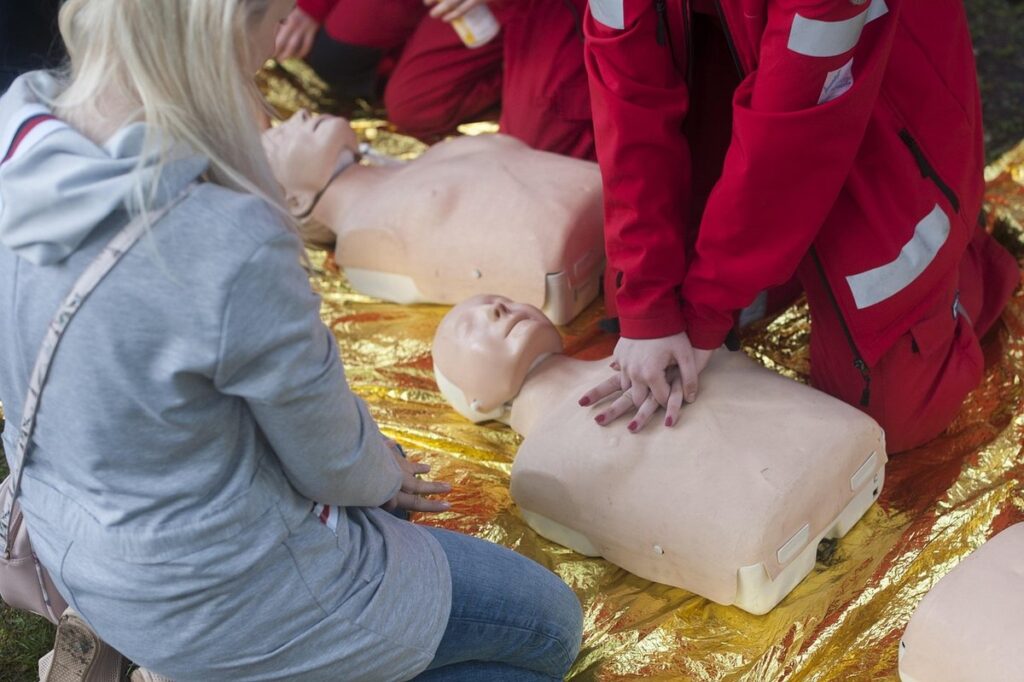
When it comes to first aid emergencies involving children, knowing when and how to perform Cardiopulmonary Resuscitation (CPR) is crucial. CPR can help save a child’s life by maintaining blood circulation and oxygenation until medical help arrives.
For infants from birth to 12 months, and children over one year old, the American Heart Association recommends following these steps for CPR:
* Place the infant on their back on a firm surface.
* Position your hands according to the heel-to-heel method, with one hand on top of the other.
* Compress the chest to a depth of 1/4 inch (6 mm) at a rate of 30-35 times per minute for infants and children over one year old.
For rescue breaths, provide two breaths after every 30 compressions. Each breath should last about one second and make the chest rise.
CPR is necessary when a child’s heart has stopped beating or they are not breathing normally. After successful completion of CPR, call 911 immediately and continue performing CPR until help arrives.
It is essential for parents to stay calm and focused during an emergency situation. Knowing how to perform CPR on infants and children can make all the difference in saving their lives.
Choking Prevention and Relief Techniques for Kids
When it comes to choking prevention and relief techniques for kids, understanding common hazards is crucial. Young children are naturally curious and love to explore their surroundings through mouthing objects, which can lead to potential choking hazards. Some of the most common culprits include hot dogs, nuts, and coins.
If you suspect your child is choking, it’s essential to act quickly. The Heimlich maneuver is a lifesaving technique that can help dislodge an object from the airway. To perform this method on a child:
* Stand behind them with your arms wrapped around their waist.
* Make a fist with one hand and place it just above the navel.
* Grasp your fist with your other hand and give five quick upward thrusts.
If this doesn’t work, you can try the abdominal thrusts or back blows. For children under one year old, gently press downward on the child’s chest to try and dislodge the object. Remember, prompt action is key when it comes to choking prevention and relief. Always supervise your little ones during mealtime and avoid giving them foods that are notorious choking hazards.
Handling Wounds and Cuts in Children
When it comes to minor injuries, cuts and scrapes can be a common occurrence in kids. Learn how to properly clean and dress wounds to prevent infection and promote healing.
Basic Wound Cleaning and Dressing Techniques
When it comes to wound care for kids, proper cleaning and dressing techniques are essential for optimal healing. Start by washing the wound with mild soap and lukewarm water. Use a clean washcloth to gently remove dirt or debris, but avoid scrubbing the area too hard. Next, pat the area dry with a clean towel.
Antibiotic ointment can be helpful in preventing infection, especially if the cut is deep or dirty. Apply a thin layer of ointment to the affected area, but be sure to follow the product’s instructions for use. Bandages come in various shapes and sizes; choose one that covers the wound completely and change it daily.
Dressing wounds involves more than just slapping on a bandage. To promote healing, create a moist environment by applying antibiotic ointment or petroleum jelly to the affected area before covering with gauze or a dressing. Secure the dressing with medical tape, but not too tightly – you want to allow for airflow and prevent constriction.
When it comes to wound care, it’s better to err on the side of caution. If your child’s cut is deep, shows signs of infection (redness, swelling, increased pain), or doesn’t seem to be healing, consult a medical professional for further guidance.
Common Types of Cuts and How to Treat Them
When it comes to cuts and wounds on children, understanding the type of injury is crucial for proper treatment. There are three common types of cuts: incised, lacerated, and punctured wounds.
Incised wounds occur when a sharp object slices through the skin, often causing a clean cut with straight edges. To treat an incised wound, clean it gently with soap and water to prevent infection. Apply antibiotic ointment and cover the area with a bandage or dressing. If the wound is deep or bleeding heavily, seek medical attention.
Lacerated wounds are tears in the skin caused by blunt force trauma. These often require stitches to close. Clean the wound as you would an incised wound and apply antibiotic ointment. If the tear is long or jagged, consult a doctor for further evaluation.
Punctured wounds occur when a sharp object pierces the skin, creating a small hole. Treat punctured wounds by cleaning them with soap and water, applying antibiotic ointment, and covering the area with a bandage. Monitor closely for signs of infection, such as redness or swelling.
Burns and Scalds: Prevention and Treatment
Knowing how to treat burns and scalds is crucial for parents, as these types of injuries can happen quickly and lead to serious complications if not treated promptly. Let’s dive into prevention and treatment tips you need to know.
Understanding the Severity of Burns in Children
When it comes to burns and scalds in children, understanding their severity is crucial. The American Burn Association recommends using the Rule of Nines to quickly assess burn severity. This simple method involves dividing the child’s body into sections and assigning a percentage value to each area based on its size. For example, the head, neck, and each arm are considered 9% each, while the front and back torso are 18% each.
By applying this rule, you can determine if your child has suffered major burns (covering more than 10% of their body). If so, seek immediate medical attention. Other signs that warrant emergency care include difficulty breathing, severe pain, or dizziness. Common causes of burns in children include hot water scalds from bathtime accidents and kitchen fires involving stovetop burners.
Prevention is key. Keep a safe distance from heat sources, install safety latches on cabinets storing hazardous items like cleaning supplies or matches, and ensure all cooking areas are child-proofed. Supervise your little ones closely during meals and bath times to prevent these types of accidents.
Treating Minor Burns with First Aid Techniques
When you notice a minor burn on your child’s skin, it’s essential to treat it promptly and properly to prevent infection and promote healing. The first step is to cool the burn with a cool compress or run cool tap water over it for about 10-15 minutes. This helps reduce the temperature of the skin and alleviate pain.
Next, apply a topical cream such as aloe vera or silver sulfadiazine to help soothe and protect the affected area. These creams create a barrier between the burn and air, which can dry out the skin and slow down healing.
To cover and protect the wound, use a non-stick dressing or gauze pad. Secure it in place with medical tape, making sure not to constrict the surrounding skin. This will prevent bacteria from entering the wound and promote a healthy environment for healing.
Remember to keep an eye on your child’s burn and seek medical attention if you notice any signs of infection, such as redness, swelling, or increased pain.
Dealing with Broken Bones and Sprains in Children
When it comes to your little ones, broken bones and sprains can be a scary experience for both kids and parents. Knowing how to respond can make all the difference in preventing further harm.
Identifying Fractures and How to Stabilize Them
When it comes to fractures in children, it’s essential to know what you’re looking for and how to provide proper stabilization. Fractures can be classified into three main types: open, closed, and greenstick.
An open fracture occurs when the bone breaks through the skin, making it visible. This is a serious injury that requires immediate medical attention. Closed fractures occur when the bone remains inside the skin, while greenstick fractures are more common in children due to their softer bones. In this type of fracture, the bone bends and partially breaks rather than snapping completely.
To identify a fracture, look for signs such as swelling, bruising, or deformity around the affected area. If you suspect a fracture, do not move the child excessively, as this can cause further damage. Instead, keep them comfortable and still until medical help arrives.
For stabilization, use a sling or splint to support the broken limb. You can also create a makeshift splint using items like pillows, blankets, or even a cardboard box. Place the splint on either side of the fracture to immobilize the area and prevent further injury.
Treating Mild Sprains and Strains with First Aid Techniques
When it comes to treating sprains and strains in children, it’s essential for parents to know when minor injuries can be treated at home with first aid techniques. Common causes of these types of injuries in kids include overuse from sports or activities, as well as accidents like falls or collisions.
One of the most effective ways to treat mild sprains is through RICE (rest, ice, compression, elevation) therapy. This involves getting your child off their feet and giving them a chance to rest the affected area. Next, apply an ice pack wrapped in a cloth to reduce swelling and ease pain – just be sure not to leave it on for too long as this can cause damage.
To compress the injured area, use an elastic bandage or compression wrap, making sure it’s snug but not too tight. Finally, elevate the affected limb above the level of your child’s heart to further reduce swelling. By following these simple steps, you can help alleviate discomfort and support your child’s recovery from a mild sprain.
It’s worth noting that if symptoms worsen or don’t improve after 48 hours, it’s time to consult a medical professional for further evaluation and treatment.
Recognizing Signs of Illness or Injury in Children
As a parent, it’s essential to be able to spot the warning signs of illness or injury in your child, from fever and vomiting to broken bones and allergic reactions. Knowing what to look for can help you get them the care they need quickly.
Common Warning Signs of Serious Conditions
As a parent, it’s essential to be aware of the warning signs that may indicate your child is suffering from a serious condition. Conditions like meningitis, sepsis, and severe allergies can be life-threatening if not treated promptly. Recognizing these signs early on is crucial in ensuring your child receives timely medical attention.
Meningitis, for instance, often presents with sudden onset of high fever, headache, stiff neck, and vomiting. If you notice your child exhibiting any of these symptoms, seek emergency medical help immediately. Sepsis can be more challenging to identify, but look out for signs such as difficulty breathing, pale or blue-tinged skin, and a weak pulse.
In cases of severe allergic reactions, known as anaphylaxis, watch for rapid heartbeat, dizziness, and swelling of the face, lips, tongue, or throat. If your child experiences any of these symptoms after exposure to an allergen, call emergency services right away. Remember, it’s always better to err on the side of caution when it comes to your child’s health.
When to Seek Medical Help for Minor Injuries
When it comes to minor injuries, it’s easy to underestimate their severity. However, some situations call for caution and immediate medical attention. For instance, if your child experiences a head injury, no matter how small, it’s always best to err on the side of caution. A concussion or even a skull fracture can occur without warning signs, and prompt medical evaluation is crucial.
Similarly, if your child has an open wound that’s not easily cleaned or closed with a bandage, seek medical help right away. These wounds can become infected quickly, especially in children whose immune systems are still developing. Additionally, if you notice any signs of infection such as redness, swelling, increased pain, or pus around the wound.
If your child is vomiting after an injury, even if it’s just a small cut, get them to a doctor ASAP. This can be a sign that internal bleeding or another serious condition is present.
Conclusion: Taking First Aid Education Seriously as a Parent
In conclusion, taking first aid education seriously as a parent is not only crucial but also empowering. By learning basic first aid skills, you’ll be able to respond confidently and effectively in case of an emergency. Remember, it’s better to be over-prepared than under-prepared when it comes to your child’s safety. Make a conscious effort to stay up-to-date on the latest first aid techniques and guidelines by attending workshops or online courses, or even just reading up on reputable websites.
Don’t forget that practice makes perfect – have regular “what-if” scenarios with your family to put your skills into action. This will help you build confidence in responding to emergencies, making it second nature when something unexpected happens. By taking first aid education seriously, you’ll not only be a more capable parent but also a safer one for your little ones.
Frequently Asked Questions
How Can I Remember First Aid Techniques in a High-Stress Situation?
In moments of crisis, it’s natural to feel overwhelmed. To combat this, try practicing first aid techniques with your child or partner until they become second nature. You can also create a visual aid like a chart or poster with essential steps and procedures. This way, when an emergency arises, you’ll be able to recall the necessary steps more easily.
What Are Some Common Mistakes Parents Make When Treating Minor Injuries?
One common mistake is not seeking medical help soon enough for minor injuries that seem trivial at first glance. Be sure to consult with your pediatrician or a healthcare professional if you’re unsure about the severity of an injury or if symptoms persist after initial treatment.
How Do I Know If My Child Needs CPR or Basic Life Support?
If your child is unresponsive, not breathing, or not breathing normally, CPR may be necessary. Always check for signs of life by gently shaking the child and listening for breath sounds before initiating CPR. It’s also essential to follow proper techniques for infant and child CPR.
What Are Some Effective Ways to Prevent Choking in Children?
To prevent choking, ensure your child is seated upright while eating and avoid giving them foods that are a high risk for choking, such as nuts or popcorn. Also, make sure they’re eating slowly and not running around with food in their mouth.
Can I Use Any Type of Antibiotic Ointment on My Child’s Cuts?
No, it’s best to use antibiotic ointments specifically designed for children on minor cuts and scrapes. These products are formulated to minimize the risk of allergic reactions and other adverse effects in young skin. Always read and follow label instructions carefully before applying any medication to your child’s wounds.