
As a parent, you want the best for your child, and that includes helping them develop good habits and skills to last a lifetime. One simple yet powerful tool that can have a profound impact on their life is meditation. By introducing meditation to your child early on, you can help improve their focus, emotional intelligence, and overall mental health. You’ll also be giving them a solid foundation for future academic success. But where do you start? This comprehensive guide will walk you through practical techniques for teaching kids to meditate, as well as common challenges you might face along the way. By the end of this article, you’ll have the knowledge and confidence to help your child cultivate a lifelong habit that brings numerous benefits, from improved focus and emotional intelligence to better academic performance and mental health.
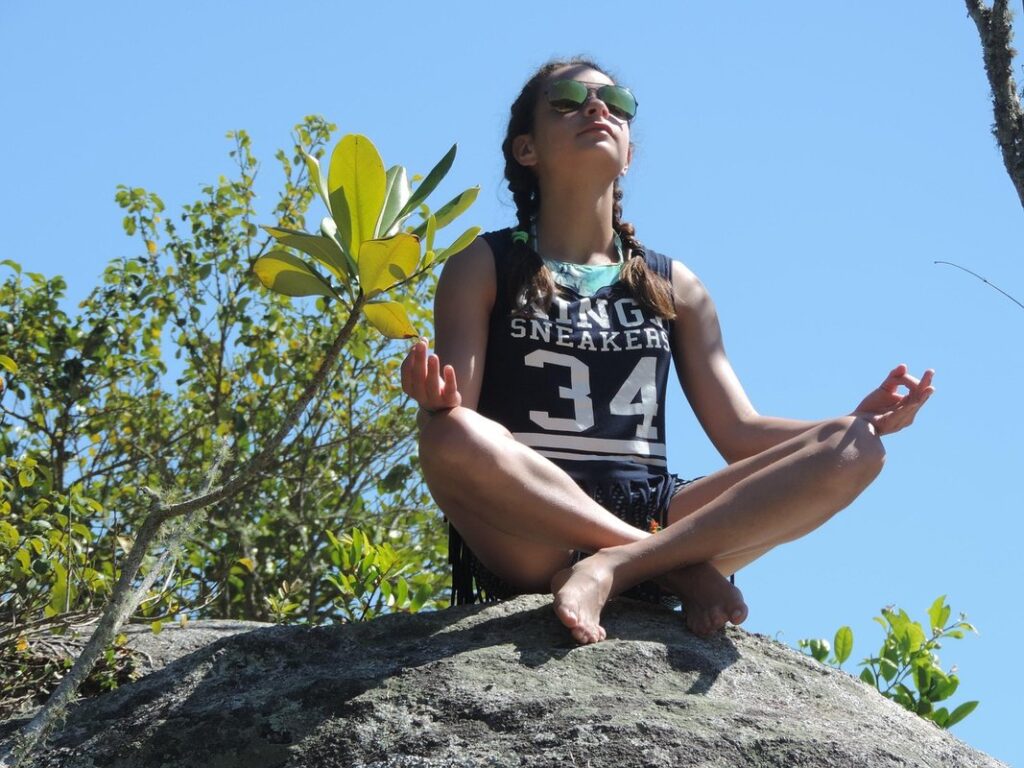
Benefits of Meditation for Children
Meditation can have a profound impact on your child’s life, and there are many benefits to exploring mindfulness practices together. Let’s explore some of the most significant advantages of meditation for kids.
Improving Focus and Concentration in Kids
Research has shown that meditation can significantly enhance cognitive skills in children, particularly focus and concentration. Studies have demonstrated that regular mindfulness practice can improve attention span, working memory, and impulse control in kids. For instance, a study published in the Journal of Child Psychology and Psychiatry found that just eight weeks of meditation led to improved attention and behavior in preschoolers.
To promote mindfulness in your child’s daily activities, try incorporating simple exercises into their routine. Start by having them focus on their breath during daily tasks like eating or playing outside. You can also engage them in guided meditations specifically designed for kids, available through apps and online resources.
Another strategy is to encourage mindful movement, such as yoga or tai chi, which combines physical activity with meditation techniques. This can help your child develop greater body awareness and focus. By making mindfulness a regular part of their daily routine, you can help your child build stronger cognitive skills and better concentration abilities.
Enhancing Emotional Intelligence in Young Minds
Developing emotional intelligence is crucial for children as it helps them navigate complex social situations and build strong relationships. Meditation plays a significant role in this process by allowing kids to become more aware of their emotions and thoughts. Regular meditation practice enables children to recognize and understand their feelings, making it easier for them to manage stress and anxiety.
When teaching children empathy and self-awareness through meditation, start with simple exercises like “body scan” or guided imagery. For instance, ask your child to focus on different parts of their body, starting from their toes and moving up to the head, releasing any tension or discomfort along the way. This helps them develop a deeper understanding of themselves and others.
Encourage kids to practice mindfulness through daily activities like eating or walking. Ask them to pay attention to their senses, noticing sights, sounds, smells, tastes, and textures without judgment. By doing so, they’ll become more empathetic towards others’ feelings and needs. As a parent, you can also model healthy emotional regulation by sharing your own experiences and struggles with your child, demonstrating that it’s okay to feel and express emotions in a constructive manner.
Getting Started with Meditation for Kids
Getting started with meditation can be intimidating, but don’t worry, we’ve got you covered! In this next part of our guide, we’ll walk you through the simple steps to introduce your child to meditation.
Choosing the Right Time and Place
When introducing meditation to kids, it’s essential to consider both time and place. Children have short attention spans, so choosing a regular practice schedule is crucial. Aim for short sessions, around 5-10 minutes, and gradually increase the duration as they become more comfortable with the practice.
Consider your child’s age when deciding on the best time of day for meditation. For younger children (ages 3-6), morning or right after waking up might be most effective, while older kids (ages 7-12) may find it easier to meditate before bed or after a relaxing activity like reading or drawing.
To create a distraction-free space, designate a quiet area in your home for meditation. Remove any electronic devices and clutter that might distract them. For younger children, consider using visual aids like pictures or stuffed animals to help them stay focused.
Consistency is key, so establish a regular practice schedule and stick to it. With patience and persistence, your child will develop the habit of meditating regularly, leading to improved focus, relaxation, and overall well-being.
Introducing Meditation Techniques for Different Age Groups
When introducing meditation techniques to kids, it’s essential to tailor them to their age group. This will help ensure they stay engaged and reap the benefits of mindfulness and relaxation.
For toddlers (1-3 years), start with simple breathing exercises like “blowing bubbles.” Sit comfortably together, and have your child blow air through a straw into a cup of water, making it ripple like bubbles. As they blow, encourage them to focus on their breath.
Preschoolers (4-5 years) can enjoy body scan meditations. Lie down or sit comfortably, and guide them to notice the sensations in different parts of their body, starting from their toes and moving up to their head. Encourage them to relax any tense areas as they exhale.
School-age children (6-12 years) can benefit from guided visualizations. Choose a peaceful scenario like a beach or forest, and have them imagine themselves there. Use descriptive language to help them visualize the sights, sounds, and sensations, promoting deep relaxation and calmness.
Overcoming Challenges in Teaching Meditation to Kids
Teaching meditation to kids can be a rewarding experience, but it’s not without its challenges. This section will explore common obstacles and provide practical solutions for successfully incorporating mindfulness into your child’s life.
Common Obstacles and Solutions
When introducing meditation to kids, many parents face common obstacles that can make it challenging to establish a regular practice. One of the most significant hurdles is initial resistance from children who may feel uneasy about sitting still or focusing on their breath.
To overcome this obstacle, try making meditation a family affair by incorporating it into your daily routine together. This can be as simple as taking a few minutes each morning to sit quietly and breathe together before starting the day. By doing so, you’ll create a sense of shared experience and community that can make kids more likely to participate and enjoy the practice.
Another effective way to engage kids is by incorporating games and interactive elements into your meditation sessions. You can try using guided meditations specifically designed for children, or even create your own fun activities like “listening” games where you focus on different sounds in nature or around you. These types of exercises can help kids develop their mindfulness skills while making the experience more enjoyable and engaging.
Finding the right balance between relaxation and activity is also crucial when teaching meditation to kids. While some children may thrive in quiet, stillness-based practices, others might need more movement and action to stay focused. Experiment with different approaches to find what works best for your child. For instance, you can try using gentle stretches or yoga poses as a warm-up before settling into a seated meditation practice.
Ultimately, the key to successfully introducing meditation to kids is to be patient, flexible, and willing to adapt to their unique needs and preferences. By doing so, you’ll create a foundation for lifelong mindfulness and relaxation skills that will benefit your child in countless ways.
Tips for Making Meditation a Habit in Children
Helping kids establish a regular meditation practice can be challenging, but with consistency and creativity, it’s definitely achievable. Here are some practical tips to get you started.
Creating a Routine and Sticking to It
Establishing a regular meditation routine is essential for children to develop healthy habits that can benefit them throughout their lives. When kids learn to meditate consistently, they become more mindful and better equipped to manage stress and emotions.
To integrate meditation into daily life, start by setting reminders on your child’s phone or calendar. This simple step helps create a sense of accountability and ensures the practice is prioritized. Designate a quiet space for meditation where your child can sit comfortably without distractions. This designated area should be inviting and appealing to them, with elements like soothing colors, calming scents, or gentle lighting.
Consider incorporating meditation into daily routines that your child is already familiar with, such as right before bed or after waking up in the morning. These natural transitions provide a smooth integration point for this new habit. For instance, use a guided meditation app during bedtime to signal to your child that it’s time to relax and unwind. Alternatively, practice short morning meditations together to set a positive tone for the day.
As you work with your child to establish their meditation routine, be patient and flexible. Encourage them to experiment with different times of day or types of meditations to find what works best for their unique needs and preferences. With consistency and commitment, your child will begin to look forward to this special time each day, cultivating a lifelong appreciation for the benefits of mindfulness and relaxation.
Incorporating Meditation into Education
Meditation can be a powerful tool for kids, and incorporating it into their educational routine is easier than you think. We’ll explore simple ways to make mindfulness a part of your child’s daily learning experience.
Bringing Mindfulness to School Curricula
Incorporating mindfulness and meditation programs into school curricula has become increasingly popular as educators recognize the numerous benefits they provide for students. By teaching children to focus their minds, manage stress, and develop self-awareness, schools can create a more supportive and productive learning environment.
Studies have shown that incorporating mindfulness and meditation practices in schools can lead to improved academic performance, reduced anxiety and depression, and enhanced social skills. For example, a study published in the Journal of Educational Psychology found that students who participated in a mindfulness program demonstrated significant improvements in their emotional regulation and resilience compared to those who did not participate.
So, how can schools effectively implement these practices? The first step is to create a comprehensive plan that outlines specific goals, objectives, and strategies for incorporating mindfulness and meditation into the curriculum. This may involve training teachers to lead mindfulness exercises, establishing dedicated time for meditation in the school schedule, or integrating mindfulness-based activities into existing subjects.
To make these programs accessible to all students, schools can consider several factors. For instance, some children may require more individualized support or accommodations due to specific needs or abilities. By offering flexible and inclusive programs that cater to diverse learning styles, schools can ensure that every student benefits from the practice of mindfulness and meditation.
Moreover, involving parents and community members in the implementation process can help foster a sense of ownership and collaboration, making it more likely that the program will be successful and sustainable over time.
Conclusion: The Long-Term Impact of Meditation on Children’s Lives
As we’ve explored various techniques and benefits of meditation for kids, let’s now examine how regular mindfulness practice can shape their lives in profound ways.
Longitudinal Studies and Evidence-Based Results
As we’ve explored throughout this comprehensive guide, meditation is more than just a fleeting trend – it’s a game-changer for children’s lives. Regular practice has been shown to have a profound impact on their long-term mental health, social skills, and academic performance.
One of the most compelling pieces of evidence comes from longitudinal studies that track the effects of meditation over extended periods. For instance, a study published in the Journal of Child Psychology and Psychiatry followed a group of children who practiced mindfulness daily for six months, then sporadically throughout their teenage years. The results were nothing short of astonishing: they showed significant reductions in anxiety and stress levels compared to their peers.
Another landmark study, conducted by researchers at the University of California, Los Angeles (UCLA), observed 3,500 students across multiple school districts over a period of four years. They found that the schools implementing mindfulness programs saw notable improvements in academic performance, reduced aggression, and improved emotional regulation among students.
These findings offer a beacon of hope for parents and caregivers looking to give their children a strong foundation for future well-being. By introducing meditation early on, we can help them develop essential skills like self-awareness, self-regulation, and empathy – all crucial for navigating life’s challenges with ease.
As you consider incorporating mindfulness into your child’s daily routine, remember that consistency is key. Start small by setting aside 5-10 minutes each day for guided meditation or free-form practice. Be patient and encouraging, as it may take time for them to adjust to the new habit.
Frequently Asked Questions
How can I adapt meditation for different learning styles and abilities in my child?
Children learn in various ways, and it’s essential to tailor the meditation experience to their unique needs. For instance, visual learners might benefit from guided imagery or watching calming videos before meditating, while auditory learners could use soothing music or nature sounds. Experiment with different approaches to find what works best for your child.
What if my child struggles to sit still during meditation – are there alternative positions or activities I can try?
Some children may have difficulty sitting still due to excess energy or focus challenges. Try incorporating physical activities like yoga, deep breathing exercises, or even a short walk before meditating. You can also experiment with shorter meditation sessions or using a mindfulness app that incorporates movement.
Can I use meditation as a reward for good behavior – and is this an effective approach?
While it might seem appealing to offer meditation as a reward, this approach can actually undermine its benefits. Meditation should be introduced as a positive habit, not tied to external rewards. Instead, focus on the child’s experience and how it can improve their well-being.
How often should I meditate with my child – is daily or weekly sessions more beneficial?
Consistency is key when introducing meditation to your child. While daily sessions may seem ideal, even one or two times a week can be beneficial. Aim for regularity over frequency, allowing you and your child to establish a sustainable routine.
Can I incorporate mindfulness practices into our family’s daily activities – like during meals or before bedtime?
Incorporating mindfulness into daily routines is an excellent way to make meditation a habit for the whole family. Try practicing deep breathing exercises together during meals, or using guided meditations as a relaxing pre-bedtime activity.