
In today’s fast-paced world, mental health is becoming increasingly important. As therapists and caregivers, we’re constantly seeking new ways to support our clients in their healing journey. Mindfulness group therapy has proven to be a highly effective approach, allowing individuals to connect with others while cultivating self-awareness and inner peace. By engaging in mindfulness exercises and activities as a group, participants can develop essential skills to manage stress, anxiety, and other challenges. In this article, we’ll delve into the world of mindfulness group therapy, exploring its benefits, practical applications, and strategies for creating a supportive environment. Through real-life case studies and hands-on exercises, you’ll learn how to implement mindfulness group therapy in your practice and empower your clients to achieve lasting healing and growth.
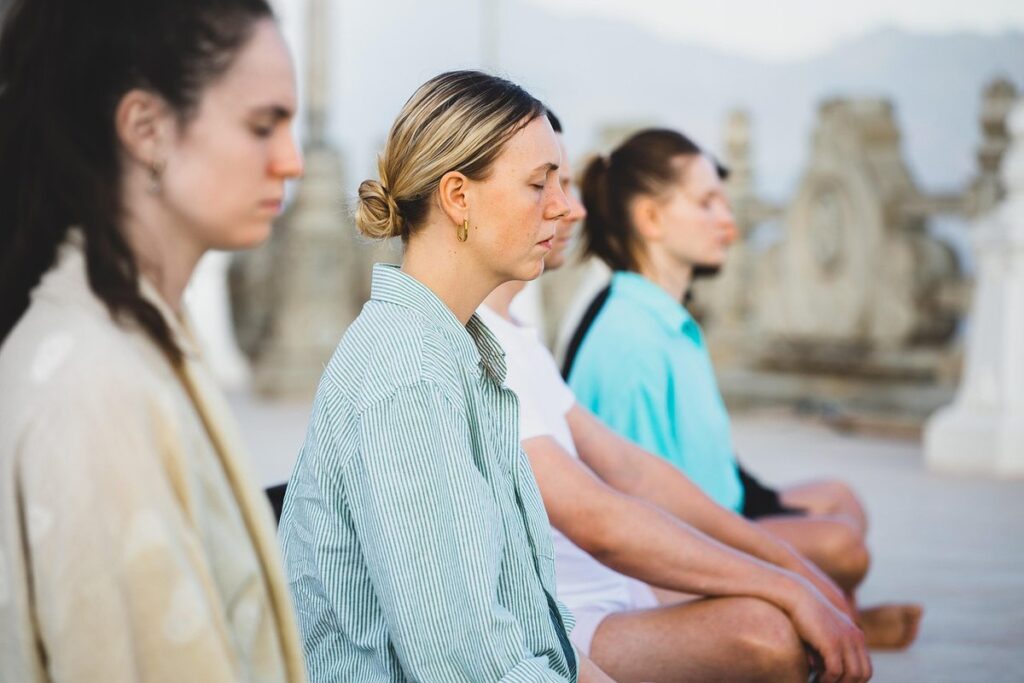
Benefits and Fundamentals of Mindfulness Group Therapy
This section delves into the benefits and fundamentals of mindfulness group therapy, exploring how it can positively impact individuals’ mental health and well-being.
Defining Mindfulness Group Therapy
Mindfulness group therapy is an evidence-based approach that combines elements of mindfulness meditation with traditional group psychotherapy. Its history dates back to the 1970s and 80s when Jon Kabat-Zinn first introduced Mindfulness-Based Stress Reduction (MBSR) programs at the University of Massachusetts Medical School.
At its core, mindfulness group therapy is built on several key principles: acceptance, non-judgmental awareness, and compassion. The therapeutic relationship is viewed as a collaborative process between therapist, participants, and their shared experiences. This approach encourages individuals to develop greater self-awareness by observing their thoughts, emotions, and behaviors without attachment or resistance.
Effective mindfulness group therapy involves creating a safe environment that promotes mutual respect, trust, and understanding among members. By fostering an atmosphere of acceptance and non-judgment, therapists help participants explore complex issues with increased ease and depth. Regular practice of mindfulness meditation and self-inquiry exercises also facilitate greater emotional regulation and interpersonal skills.
By integrating mindfulness principles into group therapy settings, mental health professionals can enhance treatment outcomes and promote lasting personal growth for their clients.
Establishing a Therapeutic Environment
Creating a safe and supportive environment is essential for group members to feel comfortable sharing their experiences and practicing mindfulness together. When establishing a therapeutic environment, consider the physical space as well as the emotional tone you want to set. For example, choose a quiet room with minimal distractions, or opt for an outdoor setting where participants can connect with nature.
To foster a sense of community and support, encourage active listening and empathy among group members. This can be achieved by practicing mindfulness exercises that promote self-awareness and understanding of others’ perspectives. Consider activities such as “Listening Circles” or “Empathy Mapping” to help group members develop these essential skills.
When leading a mindfulness group therapy session, establish clear boundaries and guidelines for respectful communication and participation. Be approachable, yet professional, in your demeanor, and create opportunities for participants to share their thoughts and feelings. By doing so, you’ll facilitate an environment where everyone feels heard, validated, and supported – the foundation upon which mindfulness practices can truly flourish.
Understanding the Role of the Facilitator
As the leader of a mindfulness group therapy session, the facilitator plays a crucial role in creating a safe and supportive environment for participants to explore their thoughts, emotions, and behaviors. One of the primary responsibilities of the facilitator is to establish clear boundaries and guidelines for the group, ensuring that each member feels comfortable sharing their experiences.
Effective facilitators also strive to create a sense of community among participants by encouraging active listening, empathy, and respect for one another’s perspectives. This can be achieved through mindful communication techniques, such as using “I” statements instead of “you” statements, which helps to prevent defensiveness and promote constructive dialogue.
In addition to setting the tone for the group, facilitators must also be skilled at adapting their approach to meet the unique needs of each participant. This may involve offering individual guidance or support outside of group sessions, as well as being mindful of power dynamics and cultural sensitivities within the group. By fulfilling these responsibilities, facilitators can help create a rich and transformative experience for participants, one that fosters growth, self-awareness, and improved mental well-being.
Mindfulness Exercises for Group Settings
Now that you have a solid foundation on mindfulness group therapy activities, let’s dive into specific exercises tailored for groups of varying sizes and dynamics. These exercises can help facilitate deeper connections among participants.
Body Scan Meditation
Conducting a body scan meditation in a group setting can be a powerful way to help participants cultivate mindfulness and release physical tension. As the facilitator, it’s essential to create a calm and comfortable environment for everyone.
To begin, have each participant find a seated position with their eyes closed and feet planted firmly on the ground. Encourage them to take slow, deep breaths, allowing their body to settle into the present moment.
Next, guide the group through a progressive body scan, starting from the crown of the head and moving down to the toes. As you move through each area, ask participants to notice any sensations, feelings, or thoughts without judgment.
Tips for the facilitator include maintaining a calm and gentle tone, avoiding interruptions or comments that might distract participants, and ensuring everyone has enough space to comfortably lie down if needed. For example, in a group setting, consider using a large mat or providing pillows for support.
By following these steps and tips, you can create a safe space for your group to experience the benefits of body scan meditation together.
Loving-Kindness Meditation
Loving-kindness meditation is a powerful tool for promoting group cohesion and fostering a sense of community. This exercise involves cultivating feelings of kindness, compassion, and understanding towards oneself and others. To lead a loving-kindness meditation with a group, begin by guiding the participants to find a comfortable seated position with their eyes closed.
Start by inviting them to focus on their own heart center, visualizing a warm, gentle light radiating from this area. As they inhale, encourage them to repeat phrases such as “May I be happy” or “May I be at peace.” Then, invite them to extend these wishes of kindness to others in the group, starting with someone they feel comfortable with and gradually moving on to others.
It’s essential to adapt this exercise for your specific group. For example, if you’re working with a diverse population, consider beginning with phrases that emphasize shared humanity, such as “May we all be happy” or “May we all be at peace.” This helps create a sense of unity and inclusivity within the group.
Mindful Movement Activities
When it comes to group settings, incorporating mindful movement activities can be an excellent way to promote relaxation and focus. Consider adapting yoga or tai chi exercises for a group setting, as these practices have been shown to reduce stress and anxiety while improving overall well-being.
To get started, begin by explaining the basics of the practice and providing modifications for participants with varying levels of experience. For example, you could lead a gentle yoga flow class focusing on breathwork and alignment, or offer tai chi movements that emphasize slow, deliberate steps.
When introducing mindful movement exercises to your group, keep in mind several key considerations. First, encourage participants to listen to their bodies and modify or rest when needed – this will help prevent injury and promote inclusivity.
In addition to yoga and tai chi, consider incorporating other low-impact activities such as walking meditation, stretching, or gentle flow movements that allow individuals to connect with their breath and body. These exercises can be tailored to accommodate different mobility levels and abilities.
By incorporating mindful movement into your group therapy sessions, you can help participants cultivate greater self-awareness, balance, and overall well-being – key components of the mindfulness practice.
Group Dynamics and Engagement Strategies
Building a cohesive group dynamic is crucial for successful mindfulness therapy, so let’s explore strategies to engage all participants and create a supportive environment. We’ll dive into specific techniques to foster connection and participation.
Encouraging Active Participation
Encouraging active participation is crucial in group therapy settings to ensure that all members feel heard and valued. One effective way to foster engagement is through icebreaker activities that help participants get to know each other on a deeper level. A classic example of an icebreaker is the “Human Bingo” activity, where each participant has a bingo card with different traits or characteristics (e.g., “has traveled to another country”) and needs to find someone who fits each description.
Another technique to promote inclusivity is to incorporate mindfulness exercises that encourage active listening and empathy. For instance, you can have participants pair up and take turns sharing their thoughts and feelings about a particular topic, while the other person actively listens without interrupting or judging. This exercise not only promotes connection but also helps individuals develop self-awareness and emotional intelligence.
To take it to the next level, consider incorporating activities that cater to diverse learning styles and abilities. For example, you can offer options for written reflections, drawing, or movement-based exercises that allow participants to express themselves in a way that feels most comfortable for them. By doing so, you create an environment where everyone feels included and valued, leading to more active participation and meaningful connections among group members.
Managing Conflict and Resistance
When working with groups in mindfulness therapy, it’s inevitable that conflicts and resistances will arise. These can be due to various factors such as personal biases, differing opinions, or even a lack of understanding about the group’s purpose. To maintain a supportive environment while addressing these issues, here are some strategies you can employ.
Firstly, acknowledge and validate each member’s feelings and concerns. This helps in creating an atmosphere where they feel heard and understood. Use phrases such as “I see that this is causing you distress” or “Your perspective is valuable to me.” Active listening plays a crucial role here – make eye contact, maintain a non-judgmental tone, and avoid interrupting.
If conflicts persist, consider shifting the focus to the present moment, using mindfulness exercises like deep breathing or body scan. This can help group members release tension and regain composure. Another approach is to have them write down their concerns anonymously before sharing them in the group.
Building Trust and Rapport
Building trust and rapport among group members is essential for effective mindfulness practice. In a group therapy setting, establishing trust can be challenging due to individual differences, past experiences, and preconceived notions about mindfulness practices. A key aspect of building trust is creating a safe and non-judgmental space for participants to share their thoughts and feelings.
To foster this environment, consider implementing activities that encourage active listening and empathy. For example, you can start with a “listening circle” exercise where each participant takes turns sharing a personal story or struggle related to mindfulness. Encourage others to listen attentively without interrupting or offering unsolicited advice.
Another effective method is to establish clear guidelines and expectations for group interactions. This includes setting boundaries around confidentiality, encouraging respectful communication, and promoting open-mindedness towards diverse perspectives. By doing so, you can create a sense of community and shared responsibility among participants, which in turn builds trust and rapport within the group.
Mindfulness-Based Interventions for Specific Needs
This section explores how mindfulness-based interventions can be tailored to meet the unique needs of different populations, from anxiety and trauma to chronic pain and addiction.
Mindfulness-Based Stress Reduction (MBSR)
When introducing mindfulness-based stress reduction (MBSR) to group therapy settings, it’s essential to understand its benefits and adaptability. Developed by Jon Kabat-Zinn in the 1970s, MBSR is a structured program that combines elements of meditation, yoga, and education to help individuals manage chronic pain, anxiety, and depression.
The core principles of MBSR include mindfulness, non-judgmental acceptance, and cultivating awareness through various exercises. Group therapy settings can be an ideal environment for implementing MBSR, as it encourages social support, shared experiences, and community building among participants. To adapt MBSR for group settings, consider the following:
* Establish a safe space for open discussion and sharing of personal experiences.
* Introduce mindfulness practices such as body scan meditation, loving-kindness meditation, or mindful movement to promote relaxation and reduce stress.
* Encourage active participation by incorporating experiential exercises, such as walking meditations or mindful eating sessions.
* Provide education on the concept of mindfulness and its application in daily life.
By adapting MBSR for group settings, therapists can create a supportive environment that fosters growth, self-awareness, and stress management among participants.
Mindfulness-Based Cognitive Therapy (MBCT)
MBCT is an evidence-based approach that combines mindfulness principles with cognitive-behavioral techniques to help individuals manage symptoms of depression and anxiety. When adapted for group therapy, MBCT focuses on creating a safe and supportive environment where participants can learn to observe their thoughts and emotions without judgment.
In a group setting, the therapist guides participants through various exercises and activities designed to cultivate mindfulness skills. These may include body scan meditations, loving-kindness exercises, or mindful movement practices. The goal is for individuals to develop greater awareness of their mental states and learn to respond to challenging situations more skillfully.
Research has shown that MBCT can be effective in reducing symptoms of depression and anxiety by teaching participants to recognize early warning signs of emotional distress. A study published in the Journal of Consulting and Clinical Psychology found that MBCT reduced relapse rates of depression by 50% compared to traditional cognitive-behavioral therapy. To implement MBCT in a group setting, therapists can start by introducing mindfulness principles and exercises in the first few sessions, gradually increasing the level of difficulty as participants become more comfortable with the practice.
As a facilitator, you can encourage active participation and engagement among group members by providing clear instructions, promoting group discussions, and offering guidance on how to modify practices for individual needs. By adapting MBCT principles for a group format, therapists can create a supportive community where individuals can learn valuable skills for managing emotional distress and improving overall well-being.
Case Studies and Real-World Examples
Let’s take a closer look at how mindfulness group therapy activities are being implemented in real-world settings, including schools, hospitals, and community centers. We’ll explore several inspiring case studies.
Successful Implementations in Various Settings
In various settings around the world, mindfulness group therapy has been successfully implemented to promote mental well-being and reduce stress. For instance, schools have incorporated mindfulness programs into their curriculum to help students manage anxiety and improve focus. A notable example is a study conducted on a group of 8th-grade students who participated in an 8-week mindfulness program, resulting in significant reductions in symptoms of anxiety and depression.
Similarly, hospitals have used mindfulness-based interventions to reduce stress and improve patient outcomes. For example, a pilot study was conducted at a hospital where patients with chronic pain were given access to guided meditation sessions, leading to reduced pain levels and improved sleep quality. Community centers have also implemented mindfulness programs for diverse populations, including seniors and individuals with mental health conditions.
When implementing mindfulness group therapy in various settings, it’s essential to tailor the program to meet the specific needs of the participants. This can involve adapting activities to accommodate different ages, abilities, or cultural backgrounds. By doing so, you can create a safe and inclusive environment where everyone feels comfortable practicing mindfulness together.
Challenges and Lessons Learned
Implementing mindfulness group therapy activities can be a delicate process, and several challenges may arise. One common obstacle is maintaining participant engagement throughout sessions. Some individuals may struggle to quiet their minds, while others might feel uncomfortable sharing personal experiences with the group.
In reality, these concerns are not unique to any specific setting or population. For instance, research on mindfulness-based interventions in schools reveals that teachers often report difficulties in getting students to stay focused and participate actively. A study published in the Journal of Child and Family Studies found that nearly 60% of teachers reported high levels of stress related to implementing mindfulness programs.
To overcome these challenges, it’s essential to create a supportive environment that encourages open communication and respect for individual differences. Leaders can facilitate this by providing clear instructions, promoting group cohesion through icebreakers or team-building activities, and offering one-on-one support when needed. By acknowledging potential obstacles and proactively addressing them, therapists can ensure the success of their mindfulness group therapy programs.
Conclusion and Future Directions
Now that we’ve explored various mindfulness group therapy activities, let’s summarize key takeaways and consider future applications of these strategies in your practice.
Recap of Key Points
In conclusion, this comprehensive guide has walked you through the world of mindfulness group therapy activities, highlighting their immense potential in fostering emotional regulation, social connections, and overall well-being. By incorporating these evidence-based practices into your therapeutic repertoire, you can help clients develop a deeper sense of self-awareness, improve relationships, and cultivate resilience.
As we’ve seen throughout this guide, mindfulness group therapy activities can be tailored to suit diverse settings and populations. From stress-reduction exercises to compassion-based interventions, the possibilities are vast and varied. By embracing these activities, therapists can create a supportive community where individuals feel encouraged to explore their thoughts, emotions, and experiences.
Ultimately, the key takeaway from this guide is that mindfulness group therapy activities offer a powerful catalyst for personal growth and transformation. By prioritizing these practices in your therapeutic approach, you can empower clients to navigate life’s challenges with greater ease, confidence, and compassion.
Suggestions for Further Research and Implementation
As you continue to explore the world of mindfulness group therapy activities, there are several areas where further research and implementation could lead to significant growth and development. One potential area for investigation is the long-term effects of mindfulness group therapy on individuals with various mental health conditions.
For instance, a study published in the Journal of Consulting and Clinical Psychology found that mindfulness-based interventions can reduce symptoms of anxiety and depression in individuals with chronic pain. Building upon this research, future studies could examine the specific mechanisms by which mindfulness group therapy produces these benefits.
Practitioners may also consider incorporating technology-enhanced mindfulness group therapy activities into their practice. For example, online platforms can facilitate remote participation, increasing accessibility for individuals who cannot attend in-person sessions. To implement this effectively, consider investing in high-quality audio and video equipment and developing clear guidelines for virtual participation.
Ultimately, continued exploration of mindfulness group therapy activities will help us better understand its benefits and limitations, allowing us to refine our approaches and improve outcomes for clients.
Frequently Asked Questions
How can I adapt mindfulness group therapy activities for clients with different needs and abilities?
Consider incorporating adaptive practices, such as modifying exercises to accommodate physical limitations or using assistive technology to facilitate participation. By doing so, you can ensure that all members feel included and supported in the therapeutic environment.
What are some strategies for managing conflict or resistance during a mindfulness group therapy session?
Acknowledge and validate participants’ feelings, then gently redirect the focus back to the present moment. Encourage active listening and empathy among group members, promoting a sense of community and understanding. If necessary, take a brief pause to re-establish a calm atmosphere.
How can I promote active participation and engagement in mindfulness group therapy activities?
Encourage individuals to explore their personal goals and intentions before each session, then provide opportunities for them to share their experiences and insights with the group. You can also incorporate interactive exercises that foster collaboration and interdependence among members.
Can mindfulness group therapy be effective for addressing specific mental health conditions, such as anxiety or depression?
Yes. Mindfulness-based interventions have been shown to be beneficial in reducing symptoms of anxiety and depression by promoting emotional regulation, self-awareness, and stress reduction. By tailoring the approach to address individual needs and circumstances, you can help clients develop coping strategies and improve their overall mental health.
How do I maintain a therapeutic environment when working with large or diverse groups in mindfulness group therapy?
Establish clear expectations and boundaries at the outset, then regularly check-in with participants to ensure they feel comfortable and supported. Encourage open communication, foster a sense of community, and be prepared to adapt your approach as needed to meet the unique needs of each group.