
Are you wondering how music lessons can make a difference in your child’s life? As a parent, you want to give them every opportunity to succeed, and research has shown that music education is a key component in developing young minds. Music lessons for kids have been proven to boost cognitive skills, such as memory and spatial-temporal skills, which are essential for academic success. But that’s not all – music also enhances social abilities, encouraging children to express themselves, collaborate with others, and build confidence. In this article, we’ll explore the benefits of music lessons for kids in detail, examining how they can impact cognitive development, social growth, and creativity. By the end, you’ll be equipped with the knowledge to make informed decisions about your child’s education.
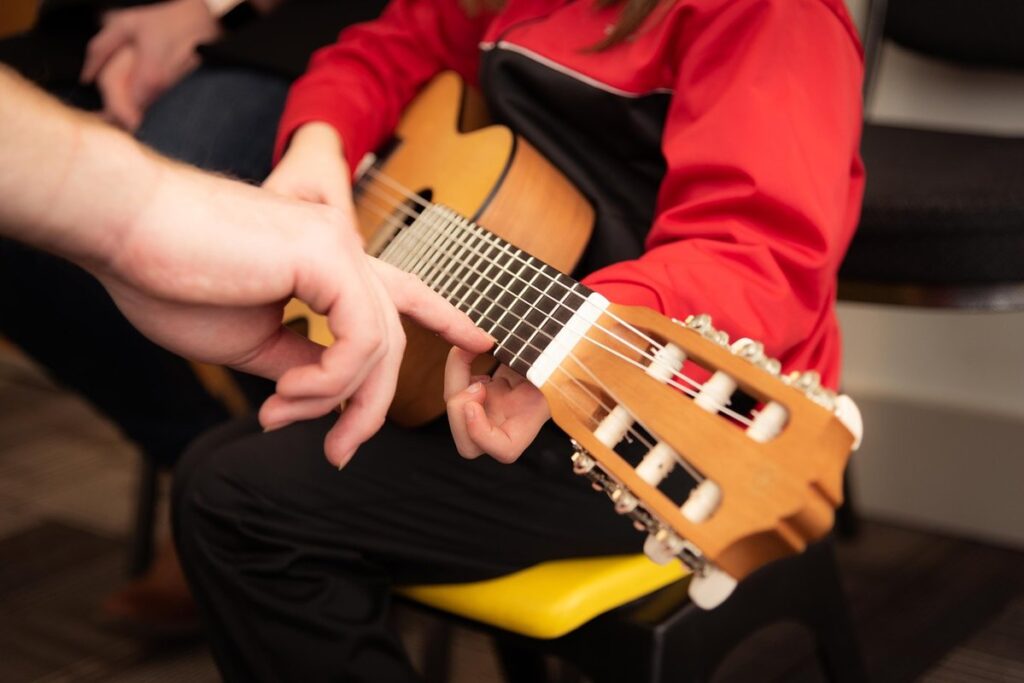
Benefits of Early Musical Education
Enrolling your child in music lessons at a young age can have a significant impact on their cognitive, emotional, and social development. Let’s explore some of these benefits in more detail.
Developing Cognitive Skills and Brain Function
When children engage in music lessons, they’re not only learning to play an instrument, but also developing essential cognitive skills that will benefit them throughout their lives. Research has shown that musical training can improve memory and concentration by strengthening the connections between brain cells.
For instance, a study published in the Journal of Educational Psychology found that students who received music instruction showed significant improvements in spatial-temporal skills, which are critical for problem-solving and math abilities. This is because music lessons require children to process and retain information in multiple formats – visual, auditory, and kinesthetic – making it an excellent tool for improving working memory.
Parents can encourage this cognitive development by incorporating music into their child’s daily routine. For example, listening to classical music while doing homework or puzzles can help improve focus and concentration. By combining music lessons with activities that challenge the brain, parents can unlock their child’s potential and watch them thrive in various areas of life. Regular practice and exposure to music can also enhance language skills and creativity, leading to a well-rounded and confident individual.
Building Self-Discipline and Confidence
As kids progress through music lessons, they begin to develop essential life skills that extend far beyond their musical abilities. One of the most significant benefits is the cultivation of self-discipline and confidence.
Regular practice helps kids establish a routine, teaching them the importance of commitment and responsibility. By setting aside time each day or week to practice, children learn to manage their schedule effectively, prioritize tasks, and develop a strong work ethic. This discipline also translates to other areas of life, such as academics and extracurricular activities.
Performance opportunities, whether in recitals, concerts, or even just for family and friends, provide a platform for kids to showcase their talents and accomplishments. As they receive praise and recognition, children build confidence in themselves and their abilities. This self-assurance can carry over into other aspects of life, helping them take on new challenges and pursue their passions with courage.
To reinforce these benefits at home, parents can encourage their child’s musical development by setting achievable goals, attending performances, and providing positive reinforcement. By doing so, kids will be more likely to develop a lifelong love for music while gaining valuable skills that will serve them well throughout their lives.
Boosting Social Skills and Emotional Intelligence
As your child develops their musical skills, they’ll also learn essential life skills like cooperation, self-expression, and emotional awareness through social interactions. This leads to improved relationships with teachers, peers, and even you!
Improving Communication and Teamwork
When children participate in music lessons, they not only learn to play an instrument but also develop essential social skills. Music education encourages collaboration and teamwork among kids, as they work together to create harmonious sounds and rhythms. This process fosters active listening, a crucial aspect of effective communication.
As children practice playing their instruments alongside their peers, they learn to respect each other’s contributions and opinions. Music lessons promote empathy by teaching children to consider others’ perspectives when creating music together. For instance, a child may need to adjust the tempo or pitch of their instrument to fit with the group’s overall sound.
To foster better teamwork in music lessons, encourage your child to take turns playing different instruments and contributing ideas for new songs. This approach not only develops social skills but also builds confidence and creativity.
Enhancing Emotional Expression and Regulation
Engaging in music lessons provides children with an outlet to express their emotions and develop essential emotional regulation skills. This is particularly beneficial for kids who struggle with verbalizing their feelings or managing intense emotions.
Through music, children can convey complex emotions without the need for words, allowing them to process and release pent-up feelings in a healthy manner. For instance, a child may write a song about experiencing bullying at school, providing an opportunity to address and cope with the situation.
Music lessons also teach children techniques to manage their emotions, such as deep breathing exercises or counting methods used during performances. These skills are invaluable for everyday life, enabling kids to navigate challenging situations with greater ease.
To foster this growth in your child, encourage them to explore different musical styles and genres, allowing them to tap into various emotions and experiences. Regular music practice also provides an opportunity for reflection on emotional expression and regulation, helping children develop self-awareness and a deeper understanding of their emotional needs.
Fostering Creativity and Imagination
As a parent, you want your child to think creatively and explore their imagination through music lessons. This is where fostering creativity and imagination comes into play.
Encouraging Self-Expression and Originality
When kids engage in music lessons, they’re not only learning to play an instrument, but also developing their unique sound and style. Music lessons inspire kids to explore different genres, from classical to rock, and experiment with new sounds and techniques. This experimentation helps them discover what makes their music truly special.
One way to encourage self-expression is by introducing kids to various musical styles and instruments early on. For instance, you can start with simple songs and gradually introduce more complex rhythms or melodies. You can also involve them in the process of choosing repertoire or experimenting with different effects pedals. By giving them creative freedom, they’ll develop a sense of ownership over their music.
Encourage kids to express themselves through improvisation and composing original pieces. This will not only help them tap into their creativity but also develop problem-solving skills and confidence in their abilities. As they explore and experiment, remember that there’s no “right” or “wrong” sound – it’s about embracing their individuality and creativity.
Developing Fine Motor Skills and Hand-Eye Coordination
As children begin their musical journey, it’s not just about developing their auditory skills, but also about cultivating physical dexterity and coordination. Playing a musical instrument requires the simultaneous use of fine motor skills, hand-eye coordination, and cognitive abilities, making music lessons an excellent way to enhance these essential life skills.
Regular practice on a musical instrument can significantly improve fine motor skills in children, such as finger independence, strength, and dexterity. For instance, playing the piano requires pressing multiple keys simultaneously, while the violin demands precise finger placement on the strings. By mastering these physical aspects of music-making, kids develop hand-eye coordination, which is also essential for other everyday activities like sports, puzzles, or even tying shoelaces.
To encourage fine motor development in your child through music lessons:
* Start with simple instruments like the recorder or xylophone
* Practice finger exercises and scales on a keyboard or piano
* Use visual aids, such as flashcards or worksheets, to improve hand-eye coordination
* Gradually increase the complexity of songs and pieces to challenge fine motor skills
Academic Benefits and Preparation for Future Careers
Music lessons can have a profound impact on your child’s academic success, setting them up for future careers in music, education, and beyond. We’ll explore these benefits in more detail next.
Enhancing Language Development and Literacy Skills
When children engage in music education, they don’t just learn notes and rhythms – they’re also developing essential language skills that benefit their academic performance. Research has shown that music instruction can significantly improve phonological awareness, which is the ability to hear and manipulate sounds within words.
This skill is crucial for reading and spelling proficiency, as it allows children to break down words into individual sounds and recognize patterns. In fact, a study published in the Journal of Research in Music Education found that preschoolers who received music instruction showed greater improvements in phonological awareness compared to their non-music-trained peers.
Furthermore, music education can enhance vocabulary skills, as students learn to associate meanings with musical symbols and notation. This connection between sound and meaning helps children develop a stronger understanding of language, which is vital for literacy skills.
By incorporating music lessons into your child’s educational routine, you’re providing them with a solid foundation in language development that will serve them well beyond the classroom.
Preparing Students for Future Careers in Music
As you enroll your child in music lessons, it’s essential to consider the long-term benefits of their musical education. Music lessons provide a solid foundation for students who wish to pursue careers in music-related fields such as performance, composition, or music production. By introducing your child to various instruments and genres at a young age, you’re giving them the opportunity to develop skills that will serve them well in their future endeavors.
One of the most significant advantages of early musical education is its ability to foster creativity, discipline, and critical thinking. These skills are highly valued in the music industry and can be applied to various aspects of life. For instance, a musician must balance multiple tasks simultaneously, such as performing, composing, and recording. By developing these skills through music lessons, your child will be well-equipped to handle the demands of a music-related career.
Consider encouraging your child to explore different areas of interest within the music world. This could include attending concerts, workshops, or masterclasses where they can learn from professional musicians and industry experts. By providing them with opportunities to network and build relationships within the music community, you’re giving them a head start on their future careers.
Overcoming Challenges and Finding the Right Instructor
As a parent, you’ve likely encountered obstacles when trying to find the right music instructor for your child. We’ll explore how to overcome these challenges and make informed decisions about their education.
Identifying Potential Barriers and Solutions
When enrolling your child in music lessons, it’s natural to encounter some challenges. One of the most significant hurdles is often the cost of private lessons. With a range of options available, from online platforms to local music schools, prices can vary significantly. To overcome this barrier, consider looking for instructors who offer affordable package deals or discounts for multiple students within the same household.
Another common challenge is finding a time slot that works for both you and your child’s instructor. Scheduling conflicts can be frustrating, especially if you have a busy family calendar. To minimize this issue, start by exploring different teaching styles – some instructors may offer group lessons, which can be more flexible than private sessions. You can also ask about their availability during off-peak hours or consider online lessons, which often offer greater scheduling flexibility.
Self-doubt is another obstacle that parents might face when enrolling their child in music lessons. Will they enjoy it? Will they stick with it? To alleviate these concerns, research reputable instructors and read reviews from other families who have taken lessons. This can give you a better understanding of the teaching style and whether it will be a good fit for your child’s personality and learning needs.
Choosing the Right Music Teacher for Your Child
When it comes to choosing the right music teacher for your child, there are several key factors to consider. First and foremost, you’ll want to look for a teacher who is qualified and experienced in working with children of your child’s age and skill level. Check their credentials, such as degrees or certifications in music education, and ask about their teaching philosophy.
You should also observe a lesson or interview the teacher to get a sense of their communication style and ability to adapt to different learning styles. A good music teacher will be supportive, encouraging, and able to break down complex concepts into manageable pieces for your child. They should also be able to provide constructive feedback that is specific and actionable.
Consider what type of music instruction you want your child to receive: private lessons, group classes, or online tutorials? Think about the learning style that works best for your child – are they more visual, auditory, or kinesthetic? By considering these factors, you can find a qualified music teacher who will help unlock your child’s full potential.
Final Thoughts: Making Music Lessons a Priority
As you begin to incorporate music lessons into your child’s routine, it’s essential to prioritize their continued progress and make time for regular practice. This final section offers practical tips for achieving that goal.
Why Every Parent Should Consider Enrolling Their Child in Music Lessons
Enrolling your child in music lessons is one of the best decisions you can make for their cognitive development. Research has shown that musical training can improve memory, language skills, and spatial-temporal skills – all essential components of academic success. By exposing your child to music education, you’re giving them a strong foundation for future learning.
Music lessons also have a profound impact on social skills. Learning an instrument requires discipline, patience, and communication with the teacher, which are all valuable qualities that translate well beyond the music room. In fact, studies have shown that children who take music lessons exhibit improved behavior in school, including reduced aggression and improved cooperation with peers.
In addition to cognitive development and social skills, music lessons foster creativity – a vital component of success in any field. When your child learns an instrument, they’re not just mastering notes and rhythms; they’re also developing their critical thinking skills, problem-solving abilities, and self-expression. Encourage them to experiment with different styles, genres, and techniques to unlock their unique sound.
Finally, music lessons set the stage for future success. Research has consistently shown that children who take music lessons perform better academically, exhibit greater motivation, and are more likely to pursue careers in the arts or other creative fields. By investing in your child’s music education, you’re giving them a competitive edge and opening doors to new opportunities.
Ultimately, enrolling your child in music lessons is an investment in their future – one that will pay dividends for years to come.
Frequently Asked Questions
What are the best age groups for enrolling my child in music lessons?
The ideal age group for enrolling your child in music lessons depends on several factors, including their cognitive development and personal interests. Generally, research suggests that children as young as 2-3 years old can benefit from music education, while others may find it more suitable to start around the age of 5 or 6. Consult with a qualified music teacher or educator to determine the best approach for your child.
How often should my child practice their instrument to see noticeable improvements?
Consistency is key when it comes to seeing progress in music lessons. While there’s no one-size-fits-all answer, research suggests that children who practice 15-30 minutes a day can experience significant improvements in cognitive skills and musical abilities. However, be sure to encourage your child to take breaks and not overexert themselves.
Can music lessons be adapted for children with special needs or learning difficulties?
Absolutely! Music education can have numerous benefits for children with special needs or learning difficulties, such as improved memory, concentration, and social skills. When selecting a music teacher or program, look for one that offers adaptability and flexibility to accommodate your child’s unique needs.
How do I know if my child is ready to transition from group lessons to private instruction?
Typically, children who have been in group lessons for 6-12 months may be ready to move on to private instruction. However, this depends on their individual progress, interests, and learning style. Consult with your child’s music teacher or a qualified educator to determine the best time for transition.
What are some common mistakes parents make when enrolling their children in music lessons?
Some common pitfalls include setting unrealistic expectations, failing to provide a conducive practice environment at home, and neglecting to schedule regular practice sessions. Be sure to communicate regularly with your child’s music teacher and establish a clear routine for practice and progress tracking.