
As a parent, watching your child struggle with music practice can be frustrating. You want them to develop a lifelong love of music, but they just don’t seem motivated. This is where you come in – as their biggest supporter and guide. Creating a positive learning environment is key to sparking motivation in young musicians. But how do you balance encouragement with the inevitable frustration that comes with mastering an instrument? By reading on, you’ll discover expert tips and strategies for motivating your child to practice music regularly. From setting achievable goals to managing tantrums, we’ll cover it all. In this article, we’ll explore ways to foster a love of music in your child, making practice sessions enjoyable and productive – every time!
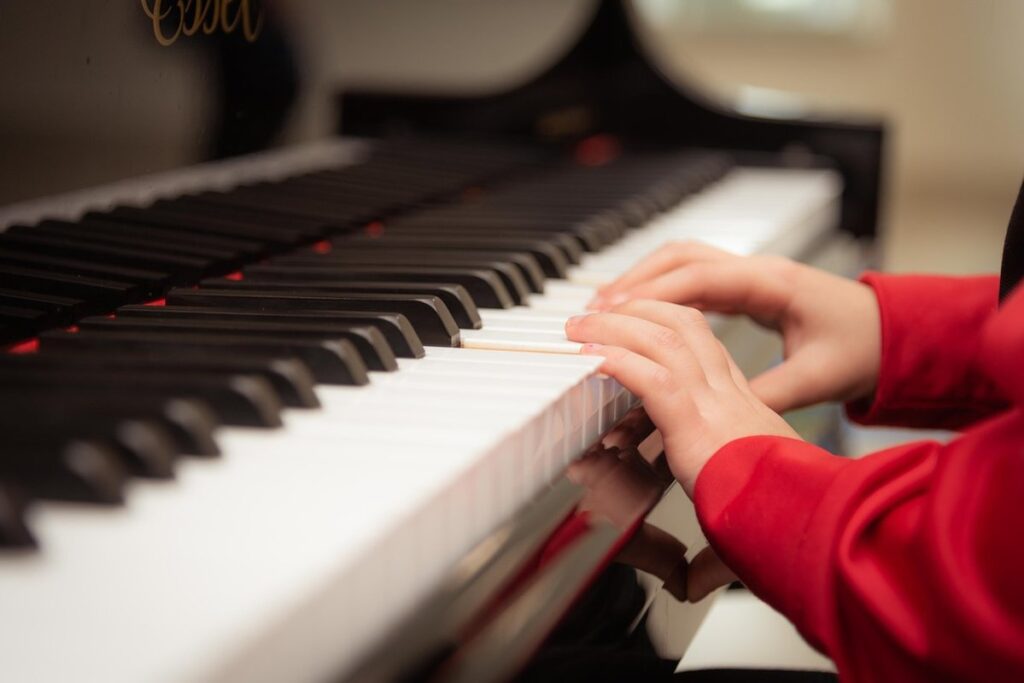
Building a Strong Foundation: Understanding the Importance of Music Education
Learning music can be just as important as math and reading, and providing your child with a strong foundation in music education is crucial for their future success. Let’s explore why this matters.
The Benefits of Music Education on Children’s Development
When children engage in music education, they experience a wide range of benefits that extend far beyond the confines of the classroom. Music education has been shown to have a profoundly positive impact on cognitive development in children. Research has found that musical training can improve spatial-temporal skills, language development, and memory retention. For instance, studies have demonstrated that children who participate in music programs tend to score higher on standardized tests in math and reading.
Beyond the cognitive benefits, music education also plays a significant role in emotional development. Music provides an outlet for self-expression, allowing children to convey emotions and experiences through creative means. This can be particularly beneficial for children who struggle with verbal communication or have difficulty articulating their feelings.
In addition to these individual benefits, music education also has social implications. It encourages teamwork, collaboration, and creativity – essential skills for building strong relationships with peers. Furthermore, participation in musical activities can foster a sense of belonging and community among children, helping them develop empathy and understanding towards others.
Musically trained children have been shown to have improved fine motor skills, hand-eye coordination, and even physical dexterity. This is particularly evident when considering instruments that require manual dexterity such as the piano or violin. By engaging in music education, children are not only developing their cognitive and emotional abilities but also cultivating a lifelong appreciation for physical activity.
Setting Realistic Goals and Expectations for Young Musicians
Setting achievable goals is crucial for young musicians to stay motivated and engaged in their music education journey. It’s essential to understand that learning an instrument is a process that takes time, effort, and patience. Setting unrealistic expectations can lead to frustration, discouragement, and even burnout.
Imagine setting a goal for your child to master a complex piece within a week or two. Not only is this unachievable, but it also sets them up for disappointment and frustration. Instead, break down the learning process into smaller, manageable chunks. For example, set a goal for your child to practice a new note or technique each day or to learn a specific section of a song within a week.
By setting realistic goals, you’re allowing your child to experience small wins and build momentum. This approach helps them develop a growth mindset, stay motivated, and enjoy the learning process. As their parent or educator, it’s your role to provide guidance, support, and encouragement as they work towards achieving these goals. By doing so, you’ll help them develop a lifelong love for music and a strong foundation for future success.
Creating a Positive Practice Environment: Tips for Parents and Children
As you work with your child, creating a welcoming space that encourages practice can make all the difference. A positive environment helps build confidence and enthusiasm, setting kids up for a lifelong love of music.
Making Music Practice Fun and Engaging
When it comes to music practice, it’s easy to get stuck in a routine that feels more like a chore than a joy. But what if you could turn practice sessions into a game, a creative adventure, or even a fun family activity? By incorporating games and activities into your child’s practice routine, you can make learning music a positive and engaging experience.
Try setting up a “Practice Challenge” where your child has to complete a series of tasks within a certain time limit. You could also turn music theory into a game by creating flashcards or using apps like “Music Theory Pro” that make learning fun and interactive. For younger children, try incorporating movement-based activities like clapping or dancing along to their favorite songs.
Another idea is to create a “Practice Jar” where your child gets a sticker for each successful practice session. Once the jar is full of stickers, they can trade them in for a reward or privilege. By making music practice a fun and engaging experience, you’ll be more likely to see your child look forward to their daily practice sessions rather than dreading them.
Establishing a Regular Practice Routine
Creating a schedule that works for both parents and children is crucial to establishing a regular practice routine. One way to do this is by setting realistic goals and expectations from the start. Let’s say you’ve decided on 20 minutes of daily practice, but life gets in the way – it’s essential to be flexible and adjust accordingly. A good rule of thumb is to schedule practice during a quiet time of day when both parent and child can focus.
To make sticking to this routine easier, consider these tips: set reminders on your phone or calendar, leave notes for each other, or even create a visual chart to track progress. It’s also vital to have open communication with your child about the importance of practice, their goals, and any challenges they’re facing. By working together, you can find ways to make practice more enjoyable, such as incorporating games, rewards, or even recording themselves.
Make sure to include rest days and breaks in your schedule too – music practice shouldn’t be overwhelming or stressful for kids. By being consistent and adaptable, you’ll create a positive habit that will benefit both parent and child in the long run.
Overcoming Obstacles: Strategies for Managing Frustration and Discouragement
When frustration and discouragement strike, it’s essential to have effective strategies in place to help your child manage their emotions and stay motivated during music practice. We’ll share practical tips for overcoming these obstacles together.
Recognizing and Managing Performance Anxiety
Recognizing performance anxiety in children can be subtle, but it’s essential to catch it early on. Look out for signs such as hesitation, lack of focus, or excessive worrying about making mistakes during practice or performances. Some children might even become overly self-critical or perfectionistic, which can lead to frustration and discouragement.
Managing performance anxiety requires a gentle and supportive approach. Encourage your child to take regular breaks during practice sessions to relax and recharge. Help them develop positive self-talk by reframing negative thoughts into encouraging affirmations. For instance, instead of saying “I’ll never get it right,” they can say “I’m learning something new every day.”
Additionally, consider role-playing different performance scenarios with your child to build confidence and preparedness. This can be as simple as practicing a mock recital at home or imagining an audience cheering them on. By acknowledging and addressing performance anxiety early on, you can help your child overcome it and maintain their enthusiasm for music practice.
Dealing with Physical or Emotional Challenges During Practice
When your child faces physical or emotional challenges during music practice, it’s essential to provide support and guidance to help them overcome these obstacles. Start by acknowledging their feelings and validating their emotions. This can be as simple as saying, “I know you’re feeling frustrated right now, but let’s take a deep breath together.”
For physical challenges, ensure your child is sitting comfortably with proper posture and hand positioning on the instrument. If they’re struggling to play a specific note or technique, try breaking it down into smaller steps or providing verbal cues to help them get back on track.
To address emotional challenges, encourage your child to express their feelings through music. This can be done by improvising or exploring different dynamics and emotions through playing. You can also role-play scenarios where they have to manage frustration or disappointment in a healthy way.
Remember, it’s not about pushing your child through the challenging moments but rather guiding them to develop resilience and persistence. By providing emotional support and practical guidance, you’ll help your child build confidence and motivation to continue their music practice journey.
Staying Motivated: Encouraging a Lifelong Love of Music
Staying motivated is crucial for kids who want to develop a lifelong love of music, so let’s dive into some fun and effective ways to keep them engaged. We’ll explore strategies that foster a positive practice mindset.
Finding the Right Teacher or Mentor
Finding the right teacher or mentor can make all the difference in a child’s music learning experience. A qualified and supportive teacher can ignite a lifelong love of music, while a poor fit can lead to frustration and discouragement.
When searching for a music teacher, consider factors such as their qualifications, teaching style, and personality match with your child. Look for teachers who are experienced in working with children of your child’s age group and skill level. Check if they have any certifications or degrees from reputable institutions, and ask about their approach to teaching music theory, technique, and performance.
It’s also essential to observe a lesson or try out a trial session to gauge the teacher-child dynamic and see how well they connect with each other. Pay attention to whether your child appears relaxed, engaged, and motivated during the lesson. A good teacher will be able to adapt their teaching style to meet your child’s individual needs and learning pace.
Ultimately, finding the right music teacher is an investment in your child’s musical development and lifelong enjoyment of music. Take your time, do your research, and trust your instincts – it’s worth getting it right for your child’s sake.
Celebrating Progress and Achievements Along the Way
Celebrate those small victories along the way to keep motivation levels soaring. It’s easy to get caught up in the bigger picture and forget to acknowledge progress made so far. However, every note played correctly, every rhythm mastered, or every new technique learned is a reason to celebrate.
For instance, let’s say your child has been working on mastering the treble clef notes. Acknowledge their efforts by celebrating every 5-10 correct notes in a row. You can give them stickers, stars, or small rewards for reaching these milestones. This not only reinforces their hard work but also helps build confidence.
Make it a habit to discuss progress with your child regularly. Ask them to share what they’re proud of and what challenges they still face. This open conversation encourages self-reflection and motivates them to continue improving. For example, if they’ve been struggling with a particular piece, try breaking it down into smaller sections or assigning a new song that’s more accessible for their skill level.
Regularly acknowledging small victories helps build momentum and keeps the learning process enjoyable. By doing so, you’ll foster a lifelong love of music in your child, making practice sessions look forward to rather than dread.
Building Self-Esteem Through Music Performance Opportunities
Music performance opportunities can be a powerful catalyst for building self-esteem in young musicians, helping them develop confidence and a sense of accomplishment through shared experiences. Let’s explore how to create these chances.
Preparing for Recitals and Performances
As your child prepares to take the stage for their first recital or performance, it’s essential to help them build confidence and develop a strong stage presence. One of the most significant contributions you can make is to prepare them thoroughly, both mentally and physically.
Start by practicing with your child in front of mirrors or recorders. This will allow them to become comfortable with their own image on screen and get used to seeing themselves perform. You can also role-play different scenarios, such as introducing themselves or handling mistakes during a performance. Encourage them to practice deep breathing exercises to calm their nerves and focus on the music.
Additionally, consider the following tips to help your child feel more at ease on stage:
* Practice in front of an audience, whether it’s just family members or friends.
* Teach them how to make eye contact with the audience without feeling intimidated.
* Discuss what to do if they forget their lines or make a mistake – it’s not the end of the world!
* Remind them that everyone is there to support and enjoy the music.
By following these steps, you’ll help your child build confidence and develop a strong stage presence. Remember, it’s okay to make mistakes – it’s all part of the learning process!
The Value of Performing in Front of an Audience
When kids perform in front of an audience, they experience a rush of emotions that can have a lasting impact on their self-esteem and confidence. Performing in front of others helps children build courage, self-assurance, and resilience. As they take the stage, they learn to manage their nerves, focus on their music, and connect with their listeners.
One of the most significant benefits of performing is that it allows kids to see themselves through the eyes of others. When they receive applause, compliments, or enthusiastic responses from the audience, they feel a sense of pride and accomplishment. This positive reinforcement can be incredibly motivating for young musicians, encouraging them to push beyond their comfort zones and strive for excellence.
To help your child build confidence through performance, start by finding low-stakes opportunities such as school recitals, family gatherings, or even neighborhood concerts. Encourage them to take small risks and step out of their comfort zone. As they grow in experience and skill, they’ll become more confident performers who can inspire and delight audiences with their music.
Encouraging Independence in Music Practice: Giving Children Ownership of Their Learning
Encouraging independence in music practice is essential to fostering a lifelong love for learning, so let’s explore how to give children ownership over their musical journey. By doing so, we can empower them to take charge of their progress and make music practice more enjoyable.
Gradually Increasing Responsibility and Autonomy
As children progress in their musical journey, it’s essential to give them more ownership of their practice routine. Gradually increasing responsibility and autonomy will not only make them more invested in their learning but also develop a sense of self-motivation. Start by assigning specific tasks or goals for each practice session. For instance, you can ask your child to focus on a particular section of music, such as improving tone production on the piano or mastering a tricky note on the guitar.
As they become more confident and responsible, begin to give them freedom in choosing their practice schedule. Allow them to set realistic goals and track their progress. This will help them develop essential life skills like time management, self-discipline, and problem-solving. You can also introduce the concept of “practice choices” where your child gets to decide which pieces or exercises they want to work on each day.
Remember, it’s crucial to strike a balance between giving them autonomy and providing guidance when needed. Offer constructive feedback and support as they navigate this new level of responsibility. By doing so, you’ll be fostering a sense of pride, accomplishment, and ultimately, a lifelong love for music.
The Importance of Self-Directed Learning
Allowing children to explore music on their own terms is essential for fostering a love of learning and promoting independence in their practice. When kids are given the freedom to discover music at their own pace, they’re more likely to develop a genuine passion for it. This self-directed approach enables them to take ownership of their learning, making them more invested in their progress.
As children explore music independently, they’ll naturally gravitate towards topics that interest them most. They might spend hours practicing a particular song or exploring different genres. By encouraging this self-directed learning, parents and teachers can help kids develop a sense of agency over their musical development. This, in turn, can lead to increased motivation and enjoyment during practice sessions.
Incorporating self-directed learning into music practice is simple: provide access to a variety of resources, such as online tutorials or instrumental lessons, and let your child take the reins. By doing so, you’ll be giving them the autonomy they need to flourish in their musical journey.
Conclusion: Sustaining a Joyful Music Practice Experience
Now that you’ve found your child’s musical spark, let’s talk about how to keep it glowing by creating long-term habits and a love for music practice.
Recap of Key Takeaways
To maintain a joyful music practice experience for kids, it’s essential to remember the strategies we’ve discussed throughout this post. Encouraging a growth mindset is key; focus on progress rather than perfection. By doing so, kids will develop resilience and perseverance, leading them to tackle challenging pieces with confidence.
Make time for fun activities like jamming or improvisation, which not only break the monotony of traditional practice but also foster creativity and self-expression. Be sure to praise effort over talent; this simple yet powerful phrase can significantly boost motivation levels.
Another crucial aspect is creating a conducive practice environment. Ensure your child’s space is well-ventilated, comfortable, and free from distractions. Establishing a regular routine will help them develop discipline and structure, allowing them to make the most of their practice sessions.
Remember, consistency and patience are vital when teaching kids how to cultivate motivation in music practice. By incorporating these strategies into your child’s daily routine, you’ll be well on your way to creating a lifelong love for music and learning.
Final Thoughts on Cultivating a Lifelong Love of Music
As you continue on this musical journey with your child, remember that it’s okay to encounter bumps along the way. Music education is a process, and progress may not always be linear. Don’t get discouraged if your child struggles with a particular piece or instrument – every musician has their own unique challenges.
To keep music practice a source of joy for both you and your child, make time for spontaneity and exploration. Schedule regular jam sessions where you can play together without the pressure of perfection. Encourage your child to experiment with different styles, genres, and instruments. This not only fosters creativity but also helps develop a lifelong appreciation for music’s diversity.
Remember that music is a journey, not a destination. Celebrate small victories, no matter how insignificant they may seem. Focus on the process, not just the end result. By maintaining a playful and supportive atmosphere, you’ll lay the groundwork for a lifelong love of music in your child. With patience, persistence, and positivity, you’ll create a musical legacy that will be cherished for years to come.
Frequently Asked Questions
How often should I review my child’s progress with their music teacher?
Regular progress reviews are essential to monitor your child’s growth, address any issues, and adjust their practice schedule as needed. Schedule bi-weekly or monthly meetings with the teacher to discuss your child’s strengths, weaknesses, and areas for improvement.
What if my child is still struggling with motivation after trying various techniques from this article?
If your child continues to struggle with motivation despite implementing strategies from the article, it may be helpful to consult with a music education professional or a therapist who specializes in working with children. They can provide personalized guidance and support tailored to your child’s unique needs.
Can I still encourage my child to practice if they’re experiencing physical discomfort while playing their instrument?
Yes. If your child is experiencing physical discomfort, it’s essential to address the issue promptly. Consult with a healthcare professional or an experienced music teacher to identify potential causes and provide recommendations for alleviating discomfort. This will help prevent long-term damage and maintain your child’s enthusiasm for practicing.
How can I strike a balance between providing structure and giving my child autonomy in their practice routine?
To strike a balance, start by setting clear expectations and goals with your child. Gradually increase their responsibility for scheduling practices, choosing repertoire, and tracking progress. This will help them develop self-directed learning skills while maintaining your support as a guide.
What if my child is experiencing anxiety before or during performances – how can I best support them?
Recognize that performance anxiety is common among musicians, and offer reassurance without downplaying their feelings. Encourage your child to breathe deeply, focus on the present moment, and remember that it’s okay to make mistakes. Discuss strategies for managing nerves, such as visualization, relaxation techniques, or pre-performance routines.