
As a parent or educator, you’re likely no stranger to the importance of giving children the tools they need to thrive. But with the pressures of modern life, it can be easy to overlook one of the most effective ways to support their development: play-based learning. By incorporating fun and engaging activities into your child’s daily routine, you can unlock a world of benefits that will last a lifetime – from improved cognitive skills and social-emotional intelligence, to enhanced physical abilities. In this article, we’ll take a closer look at the benefits of play-based learning and share practical ideas for projects and activities that you can try with your child today. We’ll explore how these simple yet powerful approaches can help your child grow into a happy, healthy, and confident individual.
Benefits of Play-Based Learning
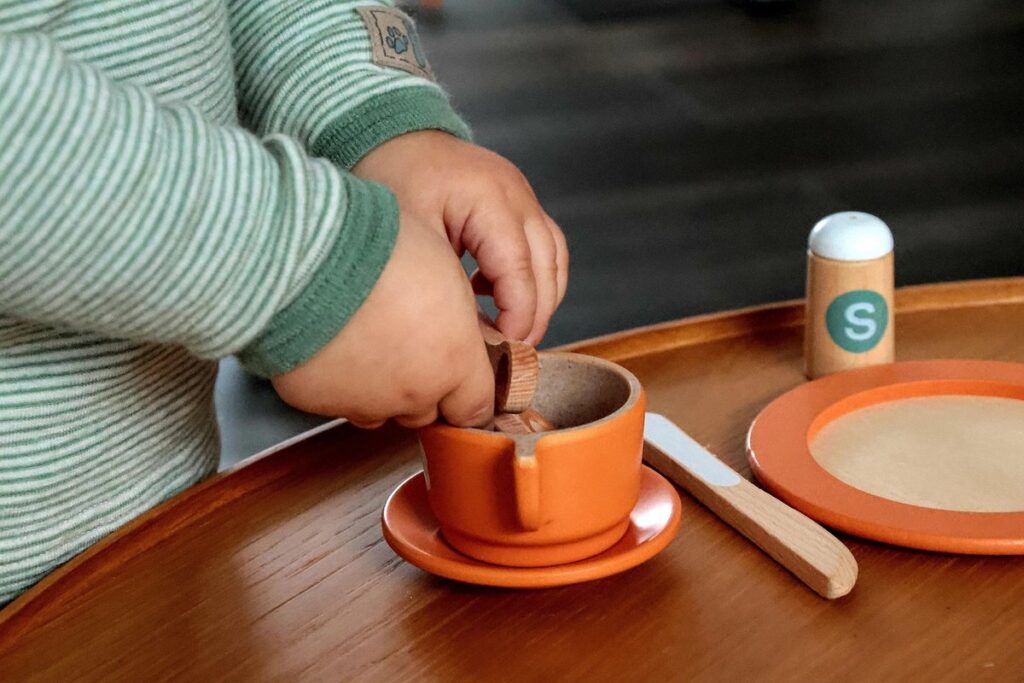
As you explore play-based learning ideas, it’s essential to understand the numerous benefits they offer your child, from improved cognitive skills to enhanced creativity. Let’s dive into these advantages in more detail.
Understanding the Importance of Play in Child Development
Play is an essential aspect of childhood development, and it plays a vital role in shaping a child’s cognitive, emotional, and social skills. When children engage in play-based learning activities, they develop creativity, think outside the box, and explore different possibilities. This fosters problem-solving skills as they encounter various challenges and obstacles during play, which encourages them to think critically and come up with innovative solutions.
Play also provides opportunities for social interaction, helping children develop essential life skills such as communication, empathy, and cooperation. For instance, when playing together, children learn to take turns, share toys, and resolve conflicts in a peaceful manner. Moreover, play-based learning allows children to express themselves freely, explore their interests, and build confidence.
When engaging your child in play-based activities, encourage them to experiment with different materials, such as blocks, puzzles, or art supplies. Ask open-ended questions that prompt them to think creatively and develop problem-solving skills. By doing so, you’ll not only enhance their cognitive abilities but also foster a lifelong love for learning and exploration.
How Play-Based Learning Supports Cognitive Development
When children engage in play-based learning activities, they’re not just having fun – they’re actually building a strong foundation for cognitive development. One of the most significant benefits of play-based learning is its impact on memory and language skills.
Research has shown that play-based learning can improve memory by up to 50% in children aged 3-5 years (Klein & Weiss, 1994). This is because play encourages active participation, repetition, and exploration – all essential components for developing and strengthening neural pathways. For example, a simple game like matching shapes or colors can help build memory skills in young children.
Moreover, play-based learning has been shown to have a profound impact on language development. Studies have demonstrated that children who engage in play-based activities exhibit improved vocabulary, syntax, and narrative skills (Vygotsky, 1978). For instance, you can encourage your child’s language development by playing word games like “I Spy” or creating simple stories together.
In addition to memory and language skills, play-based learning also fosters critical thinking. As children engage in open-ended activities, they begin to develop problem-solving strategies, make connections between ideas, and think creatively (Dewey, 1938). You can encourage critical thinking by providing materials like building blocks, puzzles, or art supplies, and then challenging your child to design, create, or solve problems within a given timeframe.
The Role of Play-Based Learning in Emotional Intelligence
Play-based learning is an excellent way to help children develop emotional intelligence, which is crucial for their overall well-being and success. Emotional intelligence encompasses three key components: self-awareness, empathy, and self-regulation.
Self-awareness involves understanding one’s own emotions and being able to recognize how they impact behavior. Play-based activities that promote self-awareness include “Feelings Charades,” where children act out different emotions without speaking, or creating a “Feelings Chart” with emojis and labeling each one. These games encourage children to acknowledge and identify their emotions, developing their self-awareness.
Empathy is the ability to understand and share the feelings of others. Play-based activities that foster empathy include “Perspective-Taking Role-Play,” where children act out scenarios from another person’s point of view, or creating a “Kindness Chain” by writing down kind acts on paper strips. These activities encourage children to consider and respect others’ emotions.
Self-regulation is the ability to manage one’s own emotions and behaviors. Play-based activities that promote self-regulation include “Emotion-Themed Obstacle Courses,” where children navigate through challenges while managing their emotions, or practicing “Deep Breathing Exercises” during playtime. These games help children develop healthy coping mechanisms for regulating their emotions.
By incorporating these play-based learning ideas into your child’s daily routine, you can help them develop essential emotional intelligence skills that will benefit them throughout their lives.
Types of Play-Based Learning Activities
Let’s dive into some fun and engaging play-based learning activities that’ll help your child develop essential skills, from problem-solving to creativity. These ideas will spark imagination and curiosity in your little one!
Open-Ended Art Projects
Open-ended art projects are an excellent way to encourage creativity and imagination in children. By providing a blank canvas, you’re giving them the freedom to explore their thoughts and ideas without constraints. This type of art project allows children to express themselves uniquely, fostering self-confidence and individuality.
Consider activities like painting, where you can provide various materials such as watercolors, acrylics, or even tempera paint, allowing your child to experiment with different textures and colors. You could also offer a variety of drawing tools like pencils, markers, or crayons, enabling them to express themselves through line art, patterns, or shapes.
For a more tactile experience, sculpture projects can be just as engaging. Supply your child with modeling clay, play dough, or even recycled materials like cardboard tubes and construction paper, allowing them to create three-dimensional pieces of art that showcase their imagination. The possibilities are endless, and the best part is, there’s no right or wrong – it’s all about exploring creativity!
Music and Movement Activities
Music and movement activities are an excellent way to promote gross motor skills, coordination, and rhythm appreciation in children. These activities not only provide exercise but also stimulate the mind, encouraging creativity and self-expression. A simple example is dancing to favorite songs or creating a playlist together.
You can start with basic movements like clapping hands, marching, or jumping. Gradually incorporate more complex actions like twirling, spinning, or even freestyle dance moves. Music-based activities such as Freeze Dance, Red Light Green Light, and Simon Says are also fantastic options for promoting coordination and self-control.
To make these activities more engaging, try incorporating props like scarves, ribbons, or balloons. This adds an extra layer of creativity and challenge to the movements. Another idea is creating a “Dance Party” with homemade instruments like shakers made from rice, beans, or sand. You can also involve storytelling through movement by acting out favorite stories or nursery rhymes.
Encourage your child’s natural rhythm and sense of beat by incorporating activities that promote musicality, such as clapping or tapping along to music. This not only develops gross motor skills but also enhances their appreciation for different genres and cultures.
Sensory Play Ideas
Sensory play is an excellent way to engage your child’s senses and promote exploration and discovery. To create a rich sensory experience for your little one, consider activities that cater to the five senses: touch, smell, taste, hearing, and sight.
Touch: Invite your child to explore textures through homemade playdough or slime made with glue, water, and food coloring. Fill sensory bins with rice, beans, sand, or pasta, and hide small toys for a fun search-and-discovery activity. You can also create a tactile experience by filling a container with balls, pom-poms, or fabric scraps.
Smell: Engage your child’s sense of smell by creating a homemade scented playdough using essential oils like lavender or peppermint. Fill a sensory bin with dried flowers, herbs, or spices for a sniff-and-examine activity.
Taste: For taste-related activities, try making a simple fruit-infused water or offering a selection of fresh fruits and vegetables for exploration.
By incorporating these sensory play ideas into your daily routine, you’ll provide your child with opportunities to develop their senses, fine motor skills, and creativity. Encourage them to explore and discover the world around them through play!
Incorporating Real-World Applications
Let’s explore how you can bring real-world relevance to your child’s play-based learning experiences, making it more engaging and meaningful. From cooking to gardening, we’ll show you how!
Science Experiments at Home
Science experiments at home can be an incredibly effective way to foster curiosity and inquiry-based learning in your child. The beauty of conducting science experiments with everyday materials is that it allows children to think creatively and explore the world around them. For example, you can create a homemade lava lamp using vegetable oil, water, food coloring, and Alka-Seltzer tablets. This simple experiment introduces children to density and buoyancy concepts while showcasing the mesmerizing effects of chemical reactions.
Another engaging science experiment involves making slime using glue, water, borax, and food coloring. This activity not only teaches children about polymers but also develops their fine motor skills as they mix and manipulate the materials. To take it up a notch, try conducting experiments that involve observing natural phenomena, such as growing crystals or creating a mini-ecosystem in a jar.
To get started with science experiments at home, gather basic materials like beakers, measuring cups, spoons, and paper towels. You can find numerous resources online, including videos, tutorials, and experiment guides, to help you plan and execute your projects.
Cooking and Baking Activities
Cooking and baking activities offer a wealth of benefits for children, from developing essential math skills to fostering creativity and independence. Measuring ingredients, mixing batter, and following recipes all require attention to detail and an understanding of fractions, ratios, and sequencing – concepts that are often challenging for young learners.
Through cooking and baking, children can develop their fine motor skills as they handle utensils and manipulate ingredients. For example, using a small spoon to measure out precise amounts or kneading dough to develop hand strength and dexterity.
To incorporate cooking and baking activities into your play-based learning routine, start by selecting simple recipes that your child can follow along with. Be sure to involve them in the planning process, allowing them to choose the ingredients and menu items. As they gain confidence and proficiency, gradually introduce more complex recipes and tasks, such as making homemade pasta or decorating cupcakes.
By engaging in cooking and baking activities, children not only develop essential life skills but also build their self-esteem and confidence in the kitchen. With patience, practice, and a willingness to make mistakes, your child will be well on their way to becoming a culinary mastermind!
Gardening and Outdoor Play
Gardening and outdoor play offer endless opportunities for children to engage in physical activity, exploration, and connection with nature. By incorporating these activities into their daily routine, you can help your child develop essential skills such as problem-solving, critical thinking, and creativity.
Start by setting up a small garden or even just a few pots on a balcony or patio. Let your child take the lead in choosing what plants to grow, and involve them in the planting process. This will not only teach them about responsibility but also about cause-and-effect relationships between actions and outcomes. You can also make it a sensory experience by involving different textures, smells, and sounds.
Some ideas for outdoor play include:
• Nature scavenger hunts: Create a list of items to find in nature, such as leaves, rocks, or specific types of flowers.
• Obstacle courses: Set up a course using natural objects like logs, hills, or streams.
• Water play: Use water tables, hoses, or even just a bucket and cup to explore the concept of fluid dynamics.
Remember, the most important thing is to have fun and be present in the moment with your child. By doing so, you’ll not only be fostering their love for nature but also helping them develop essential life skills.
Implementing Play-Based Learning in Your Daily Routine
Now that you have a solid understanding of play-based learning, let’s dive into how to easily incorporate it into your daily routine and make a lasting impact on your child’s development.
Creating a Play-Based Learning Schedule
Creating a play-based learning schedule can be a game-changer for your child’s development. It allows you to incorporate engaging activities into your daily routine, promoting cognitive growth and a love for learning. To create an effective schedule, start by identifying your child’s interests and strengths. This will help you tailor the activities to their unique needs.
Next, consider allocating specific times of the day for play-based learning. For example, morning routines can be an excellent time for outdoor play or sensory exploration. Lunch breaks can be used for hands-on crafts or cooking activities that promote math and science skills. Afternoons are ideal for more structured activities like puzzles, board games, or storytime.
Remember to leave some flexibility in your schedule to accommodate spontaneous learning opportunities. Be sure to also include downtime and relaxation periods to avoid burnout. By incorporating play-based learning into your daily routine, you’ll be providing your child with a well-rounded education that’s both fun and effective.
Setting Up a Play-Based Learning Environment
Setting up a play-based learning environment at home or in the classroom is an exciting step towards fostering creativity and curiosity in children. To begin, assess the space you have available – whether it’s a dedicated area in your home or a corner of the classroom. Clear out clutter and make room for exploration.
Next, gather materials that encourage imagination and discovery. This may include art supplies like paints, colored pencils, and markers; building materials such as blocks, LEGO, and magnetic tiles; and sensory tools like play dough, sand, and water tables. Consider repurposing everyday items into learning tools – cardboard boxes become castles, wooden spoons become drumsticks.
Organize the space by categorizing materials and grouping similar toys together. This will help your child navigate the environment with ease and encourage independence. Be sure to leave some areas of the room open for free play and exploration, allowing children to make their own connections between activities and learning concepts. With a thoughtfully designed play-based learning environment, you’ll be empowering your child’s natural curiosity and creativity.
Encouraging Parent-Child Interactions Through Play
When engaging with your child through play, it’s essential to remember that these moments are not just about fun and games – they’re also opportunities for bonding and learning. By making play a priority, you can create a stronger connection with your child while helping them develop important skills.
To encourage parent-child interactions through play, start by being present in the moment. Put away distractions like phones and focus on engaging with your child. Try activities that promote active listening, such as having a conversation while cooking or doing chores together. For example, ask your child to describe their favorite food and listen attentively to their response.
You can also incorporate learning opportunities into play by making it more challenging and interactive. For instance, during a game of hide-and-seek, you can encourage problem-solving skills by giving clues for your child to find you. Another idea is to engage in sensory play, like painting or playing with playdough, which allows children to express themselves creatively while developing fine motor skills.
By making time for regular play-based interactions, you’ll not only strengthen your bond with your child but also create a lifelong love of learning.
Overcoming Common Challenges
As you implement play-based learning ideas, you may encounter common challenges that can be frustrating and discouraging. Let’s tackle some of these obstacles together.
Managing Time and Resources
Managing time and resources effectively is crucial when implementing play-based learning activities. With so many engaging ideas to try, it’s easy to get overwhelmed. To avoid burnout and ensure a smooth experience for both you and your child, prioritize and schedule playtime accordingly.
Start by setting aside dedicated blocks of time for play-based learning each day or week. This could be as simple as 15-30 minutes per day or an hour on the weekends. Be realistic about what you can accomplish within this timeframe, and don’t overcommit yourself.
When planning activities, consider your child’s interests and needs, as well as any materials or resources required. For example, if your child loves art, dedicate a specific area for creativity and stock up on supplies accordingly. You can also repurpose household items to save money and reduce waste.
To make the most of your time, focus on a few high-quality activities rather than trying to fit in too many. This will help you and your child stay engaged and avoid feeling rushed or stressed. By managing your time and resources wisely, you’ll be able to create a supportive learning environment that fosters curiosity, creativity, and growth.
Dealing with Frustration and Difficulty
It’s inevitable that you’ll encounter frustration and difficulty when implementing play-based learning activities. Your child might resist new ideas, struggle to understand a concept, or simply become overwhelmed with the freedom of choice. As a parent or educator, it’s essential to acknowledge these challenges and develop strategies to overcome them.
When faced with resistance or frustration, take a step back and assess what might be causing the issue. Is your child feeling overwhelmed by too many choices? Are they struggling to understand the activity’s purpose? By identifying the root cause, you can adjust your approach and make adjustments on the fly. For example, if your child is resisting a particular activity, try breaking it down into smaller, more manageable steps or providing clear instructions.
Additionally, be sure to offer plenty of positive reinforcement and encouragement. Acknowledge and celebrate small victories, even if they seem insignificant. This will help build confidence and motivate your child to continue exploring and learning through play-based activities.
Assessing Progress and Adjusting Strategies
As you embark on this play-based learning journey with your child, it’s essential to regularly assess their progress and adjust your strategies accordingly. This approach ensures that the activities remain engaging and effective in promoting their development.
Start by observing your child’s interests and strengths. Are they excelling in a particular area, such as math or language skills? Tailor your play-based learning activities to cater to these strengths, making them more challenging and rewarding. Conversely, identify areas where your child may need extra support, and create games or exercises that target specific skills.
Regularly tracking progress can be done through simple methods like observing their participation in activities, noting their ability to apply learned concepts, or conducting informal quizzes. Be creative in your assessment approach, as every child is unique. Some parents find it helpful to keep a journal or log of their child’s progress, while others prefer using digital tools.
Remember that play-based learning is an adaptive process. Be prepared to pivot and adjust your strategies as you gather more information about your child’s needs and interests. This flexibility will help maintain the child’s enthusiasm for learning and prevent them from becoming bored with repetitive activities.
Conclusion
As you’ve explored all these play-based learning ideas, it’s time to summarize what we’ve learned and share a few final thoughts on how to make playtime truly effective. Let’s wrap up our journey together.
Recap of Key Takeaways
As we wrap up our exploration of play-based learning ideas to enhance your child’s development, let’s take a moment to recap the key takeaways from this article. By now, you should have a solid understanding of how play-based learning can benefit your child’s cognitive, emotional, and social growth.
We discussed various types of play that cater to different age groups, from sensory play for toddlers to role-playing for preschoolers and board games for older children. Each type of play offers unique opportunities for skill-building, creativity, and exploration. For instance, sensory play helps develop fine motor skills and hand-eye coordination, while role-playing fosters social skills, empathy, and problem-solving abilities.
In addition to the various types of play, we also explored how to create a conducive play environment that encourages learning through play. This includes setting up dedicated play spaces, incorporating natural materials, and minimizing screen time. By doing so, you can create an atmosphere that promotes curiosity, creativity, and imagination in your child.
Some of the key benefits of play-based learning include improved academic performance, enhanced creativity, and better social skills. It’s also a great way to develop critical thinking, problem-solving, and decision-making abilities. To incorporate play-based learning into your daily routine, consider setting aside dedicated time for unstructured play, joining playdates with other children, or enrolling your child in a play-based preschool program.
Remember, the most important thing is to have fun and be present during playtime! By doing so, you’ll not only be supporting your child’s development but also strengthening your relationship with them.
Frequently Asked Questions
How do I know if play-based learning is suitable for my child’s age and developmental needs?
Play-based learning can be adapted to suit children of various ages and abilities. For younger children (ages 2-4), focus on unstructured play and exploration, while older children (ages 5-12) can engage in more complex projects that challenge their problem-solving skills. Tailor your activities to meet your child’s individual needs and interests.
What if I’m struggling to balance my work schedule with implementing a play-based learning routine?
It’s common for parents to feel overwhelmed by the demands of both work and parenting. To make it manageable, start small by setting aside dedicated time each day or week for play-based activities. You can also incorporate learning into daily routines like cooking, cleaning, or even commute time.
How do I ensure my child is making progress in their cognitive development through play-based learning?
Regularly observe your child’s engagement and participation during play-based activities. Note any areas where they seem to be struggling or excelling. Additionally, use open-ended questions and assessments to gauge their understanding and problem-solving skills. Make adjustments to your approach as needed.
Can I implement play-based learning with a large group of children, such as in a classroom setting?
While play-based learning is often associated with one-on-one interactions, it can be adapted for larger groups. Use strategies like small-group projects, rotations, or even outdoor activities that encourage socialization and collaboration among students. Just ensure the environment remains safe and conducive to learning.
How do I deal with the mess and chaos that can come with play-based learning?
Yes, play-based learning can sometimes result in a messy environment. However, this is a natural byproduct of children engaging in hands-on activities. Establish clear expectations for cleanup and organization beforehand, and consider designating specific areas for different types of play. Encourage your child to take ownership of their space and contribute to the maintenance process.