
As a parent, you want to give your child every opportunity to succeed academically. One simple yet powerful way to do this is by creating a reading-friendly home environment. Unfortunately, many kids struggle with early literacy skills due to lack of exposure and encouragement at home. But the good news is that it’s never too early or too late to start making reading fun for your child.
In this article, we’ll share expert-approved strategies on how to encourage your child’s love of reading, from setting up a cozy reading nook to engaging in interactive activities that promote literacy skills. Whether your child is just starting to learn the alphabet or is already devouring chapter books, these tips will help you create a supportive and stimulating environment that fosters a lifelong love of reading.
We’ll cover everything from creating a bedtime routine that includes reading time to making book recommendations that cater to your child’s interests and reading level. By implementing these simple yet effective strategies, you can help your child develop essential literacy skills, build their confidence, and discover the joy of reading for themselves.
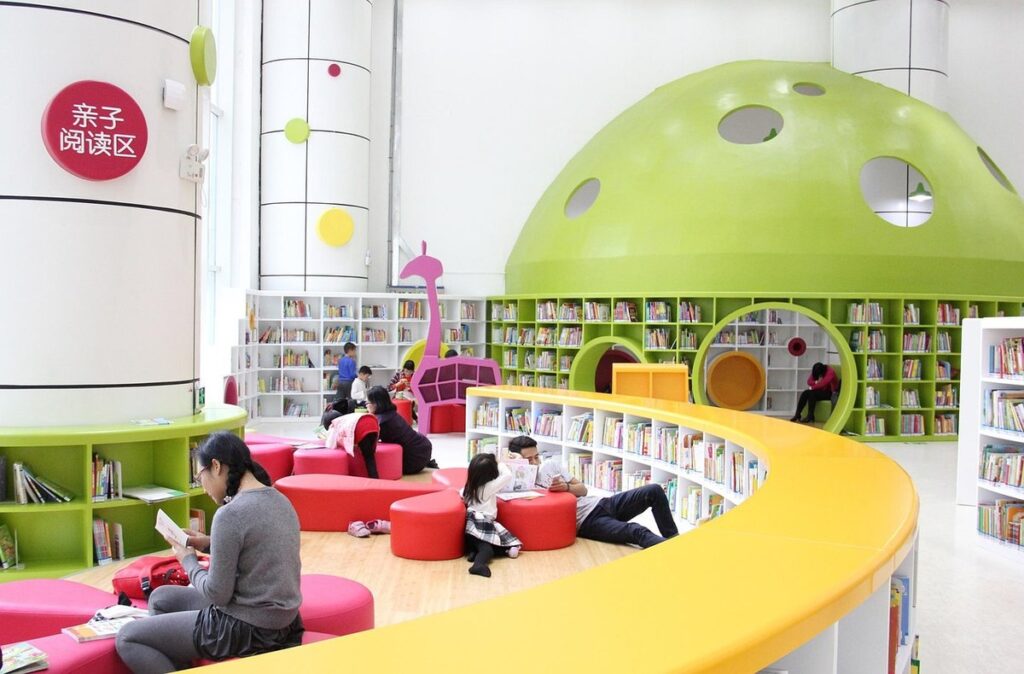
Creating a Reading-Friendly Environment
To create a warm and inviting space for reading, let’s explore some simple yet effective ways to set up a cozy reading area that fosters a love of reading in your child. We’ll start by transforming your home into a reading haven.
Setting Up a Cozy Reading Nook
Creating a dedicated reading space in your home can be as simple as setting up a cozy corner that beckons you and your family to dive into a good book. When it comes to choosing the perfect spot, consider a location with minimal distractions, such as a quiet corner in the living room or a sunroom with natural light.
When selecting furniture for your reading nook, opt for comfortable seating options like plush armchairs or a bean bag chair. Add a side table or ottoman to hold books and drinks within easy reach. A floor lamp or a table lamp can provide focused lighting, while string lights or fairy lights can add a warm ambiance.
Incorporating good lighting is essential in creating an inviting reading space. Consider placing a reading light next to your chair or using a desk lamp with adjustable arms to direct the light exactly where you need it. You can also hang curtains or shades to block harsh overhead lighting and create a cozier atmosphere. By setting up a dedicated reading space, you’ll be more likely to establish a consistent reading habit and make reading at home a delightful experience for your family.
Making Reading a Family Affair
Making reading a shared experience with your family can be one of the most rewarding experiences for parents and children alike. It’s not just about getting kids to read more, but also about spending quality time together as a family. Here are some ways to make reading a family affair:
Reading together is an excellent way to bond over a good book. Choose a story that you can all enjoy, whether it’s a classic children’s tale or a modern novel with themes relevant to your child’s age group. Take turns reading aloud and discuss the plot, characters, and themes when you’re done.
Start a family book club where everyone contributes to selecting the next read. This will not only encourage kids to participate in choosing books but also foster discussions about what they’ve read. You can even make it more engaging by setting a “reading challenge” for the household – whoever reads the most books within a set timeframe gets a prize.
Involve your child in creating a cozy reading nook or library space that’s inviting and comfortable for everyone. This will create a sense of ownership and excitement about reading together as a family.
Encouraging Early Literacy Skills
As you help your child develop a love for reading, it’s essential to encourage early literacy skills through engaging activities and consistent practice. We’ll share some practical tips for doing just that.
Reading Aloud with Purpose
When reading aloud to young children, it’s essential to do more than just recite words from a page. By incorporating engaging and interactive techniques, you can turn storytime into a valuable opportunity for early literacy development.
Start by using expressive voices when reading. Vary your tone, pitch, and volume to bring characters and stories to life. For example, use a high-pitched voice for an excited character or a deep voice for a wise narrator. This helps children develop their sense of phonetics and comprehension.
As you read, point out punctuation marks like commas, periods, and question marks. Explain how they help us understand the story’s rhythm and meaning. You can also discuss basic grammar concepts, such as nouns and verbs, to lay the groundwork for more complex language skills.
Encourage participation by asking open-ended questions or making predictions about what will happen next in the story. This not only makes reading more enjoyable but also helps children develop their listening and critical thinking skills.
Using Stories to Teach Skills
When reading with your child, it’s essential to weave stories that not only captivate their imagination but also subtly teach crucial literacy skills. One effective way to do this is by incorporating phonics into the narrative. Choose books that feature words with distinct sounds and syllable patterns, allowing your child to identify and replicate these sounds as they read.
Use vocabulary-building opportunities to foster a deeper understanding of language. Discuss unfamiliar words together, exploring their meanings and connotations. This not only broadens their vocabulary but also encourages critical thinking about word choice in context. You can also play games like “word scavenger hunt” where your child has to find and point out specific words throughout the story.
As you read, ask open-ended questions that encourage comprehension and analysis. Ask your child to retell the story in their own words or to identify the main theme or character traits. This helps them develop critical thinking skills and understand the author’s intent. By making reading a collaborative and interactive experience, you’ll be teaching essential literacy skills while nurturing a lifelong love of reading.
Engaging Older Readers
As you work on building a lifelong love of reading in your child, don’t forget that older readers need special consideration and strategies to stay engaged. Here are tips for parents to connect with their teenager’s reading interests.
Fostering Independence in Reading
As your child grows older, it’s essential to foster their independence in reading. This means giving them space to explore and discover new books on their own terms. One way to do this is by setting aside dedicated time for reading each day. Encourage your child to choose a quiet spot where they can focus without distractions. It could be a cozy corner in the living room, a bean bag chair, or even their bedroom.
Choose books that challenge them with complex themes and genres. This will help them develop critical thinking skills and expand their vocabulary. For example, if your child enjoys mystery novels, try recommending a more advanced series like Sherlock Holmes or Nancy Drew. You can also explore different formats like graphic novels or audiobooks to keep things fresh.
Encourage self-directed learning by asking open-ended questions about the book. Ask them to summarize the plot, analyze characters’ motivations, or predict what will happen next. This will help them develop their critical thinking skills and take ownership of their reading experience.
Creating a Reading Routine
Establishing a consistent reading routine is crucial to making reading a habit at home. However, it can be challenging to find a schedule that works for the entire family. One strategy is to designate specific “reading times” each day or week, such as right before bed or during breakfast. This helps create a sense of predictability and anticipation around reading.
Another approach is to create a shared family calendar where you plan out your reading schedules together. You can mark down books, chapters, or even just dedicated reading time to ensure everyone stays on track. Mobile apps like Habitica or Reading Challenge can also be used to track progress, set reminders, and earn rewards for completing reading goals.
To make it work, involve your kids in the planning process and let them choose their own reading material. This will not only encourage participation but also make reading a more enjoyable experience. Remember, consistency is key. Stick to your routine even on weekends or during school breaks to maintain momentum and create a lifelong love for reading.
Making Reading Fun and Accessible
Making reading a fun and accessible experience for your child is crucial for developing their language skills and fostering a lifelong love of books. In this section, we’ll share some practical tips to make it happen.
Incorporating Diverse Texts
When incorporating diverse texts into your home reading routine, it’s essential to expose your children to characters and stories from various cultural backgrounds. This not only broadens their understanding of the world but also fosters empathy and tolerance.
Start by visiting local libraries or bookstores that offer a wide range of titles featuring diverse characters. You can also explore online platforms that provide access to books in multiple languages, such as BookTrust’s “Bookstart” program. For example, if your child is interested in science fiction, introduce them to the works of Octavia Butler, an African American author known for her groundbreaking sci-fi novels.
Make it a point to discuss the stories with your children and encourage them to ask questions about the cultural references or traditions mentioned. This will help them develop critical thinking skills and become more aware of their surroundings. By doing so, you’ll be creating a welcoming environment that values diversity and promotes inclusivity.
Using Technology to Enhance Reading Experiences
Using technology to enhance reading experiences can be a game-changer for parents who want to make reading more accessible and fun at home. E-readers like Amazon Kindle or Barnes & Noble Nook allow kids to access a vast library of books, with some options even offering personalized recommendations based on their interests.
Audiobooks are another great way to get kids engaged in reading. Services like Audible, Scribd, or your local library’s digital collection make it easy to find and listen to audiobooks together as a family. This can be especially helpful for early readers who may struggle with decoding text or for those who prefer to multitask while listening.
Mobile apps like Epic!, Reading A-Z, or Storybird also offer a wide range of e-books, games, and activities that make reading an interactive experience. Many of these apps track progress, provide rewards, and even allow kids to create their own stories and illustrations.
To get started with using technology in your reading routine, consider the following: start by downloading a few free audiobooks or mobile apps, explore e-readers at your local bookstore or online, and set aside dedicated time for reading together as a family.
Addressing Common Challenges
Many parents face unique obstacles when trying to establish a reading routine at home, but there are solutions to common challenges you may be experiencing. We’ll explore practical ways to overcome these hurdles and get your child reading successfully.
Overcoming Reading Struggles
If your child is struggling to focus while reading at home, try implementing a “read-aloud” approach. This involves you reading a book aloud to them, which can help capture their attention and make the experience more engaging. Another strategy is to create a cozy and comfortable reading nook with pillows, blankets, and good lighting.
If comprehension is an issue, consider breaking down the reading material into smaller chunks. You could also ask your child questions about what they’ve read so far to check their understanding. This can be done through discussions or by making flashcards of key vocabulary words.
As for motivation, make it fun! Let your child choose a book with a theme or genre that interests them, such as adventure, mystery, or graphic novels. You could also set up a reward system where they earn stickers or points for reaching certain reading milestones. For instance, if they read 10 books within a month, you might plan a special outing together.
It’s essential to remember that every child learns differently, so be patient and try different approaches until you find what works best for your child. With persistence and the right strategies, you can help your child overcome reading struggles and develop a lifelong love of reading.
Building Confidence in Reading Abilities
Helping children build confidence in their reading abilities is crucial to fostering a lifelong love of reading. When kids feel confident in their reading skills, they’re more likely to tackle challenging texts and explore new genres. So, how can you help your child develop this essential skill? Start by providing positive reinforcement. Praise them for their efforts, no matter how small the achievement may seem. Be specific with your praise, highlighting what they did well, such as “I loved how you sounded out that tricky word!” or “Your reading voice is getting stronger every day!”
Setting achievable goals can also help build confidence. Break down larger goals into smaller, manageable tasks, and celebrate each milestone along the way. For example, if your child wants to read a chapter book in one week, break it down into daily or weekly reading goals. This will make progress feel more tangible and encouraging.
Lastly, encourage self-expression through reading. Allow your child to choose books that interest them, and engage in discussions about the content. Ask open-ended questions like “What do you think happened next?” or “How did the character feel in this situation?” to foster critical thinking and creativity.
Conclusion
In conclusion, incorporating reading into your daily routine at home can have a profound impact on your child’s educational and personal development. By implementing the strategies outlined in this post, you’ll be well on your way to fostering a love of reading in your child that will last a lifetime. Remember, it’s not about setting aside dedicated time for reading – it’s about weaving it into the fabric of your daily routine. For example, try reading together before bed or during breakfast. Make it fun and interactive by choosing books with engaging stories and illustrations.
As you continue on this journey, don’t be afraid to get creative and experiment with different approaches that work best for your child. The key is to find what works for you and stick to it, even when life gets busy. With patience and persistence, you’ll be amazed at how quickly your child’s reading skills improve and their love of learning grows.
Frequently Asked Questions
What if my child shows no interest in reading, despite setting up a cozy reading area?
If your child still doesn’t show an interest in reading after creating a warm and inviting space, it’s essential to not force the issue. Instead, try making reading more engaging by incorporating their interests into book recommendations or finding audiobooks with characters that match their favorite TV shows or movies.
How can I ensure my child is retaining what they read?
To help your child retain what they’ve read, make sure to discuss the plot and main themes after finishing a book. Ask open-ended questions like “What did you think of the ending?” or “How do you think the characters felt in this situation.” This will encourage them to think critically about the story.
What if I’m not a great reader myself? Can my child still benefit from reading at home?
Yes, your child can still greatly benefit from reading at home even if you’re not a strong reader yourself. Focus on creating a reading-friendly environment and engaging in interactive activities that promote literacy skills, such as reading aloud together or discussing books. Your child will learn valuable lessons about perseverance and the joy of learning.
How often should I read with my child to see results?
The frequency of reading with your child can vary depending on their age and attention span. Aim for at least 15-20 minutes per day, but feel free to adjust this schedule based on your child’s needs and interests. Consistency is key when it comes to developing a love of reading.
Can I use technology to enhance our reading experiences, or should we stick with physical books?
Yes, you can definitely incorporate technology into your reading routine! Consider using e-readers, audiobooks, or apps that offer interactive stories and games to make reading more engaging. This can be especially helpful for struggling readers or those who need a change of pace.