
If you’re like many of us, you’ve probably come across those ubiquitous “sad beige mom” characters in media – you know, the ones who are perpetually exhausted, frazzled, and stuck in a rut. But have you ever stopped to wonder why we find these relatable, yet sad, moms so endearing? As it turns out, there’s more to these beige icons than meets the eye. From their origins in nostalgic advertising and media portrayals, to their psychological appeal and cultural significance, sad beige mom toys have become a global phenomenon. In this article, we’ll delve into the world of these lovable, yet melancholic characters, exploring why they’ve captured audiences worldwide with their relatable struggles and nostalgia-tinged charm. So, let’s dive in and uncover the story behind the sadness – and the appeal – of these beige mom toys.
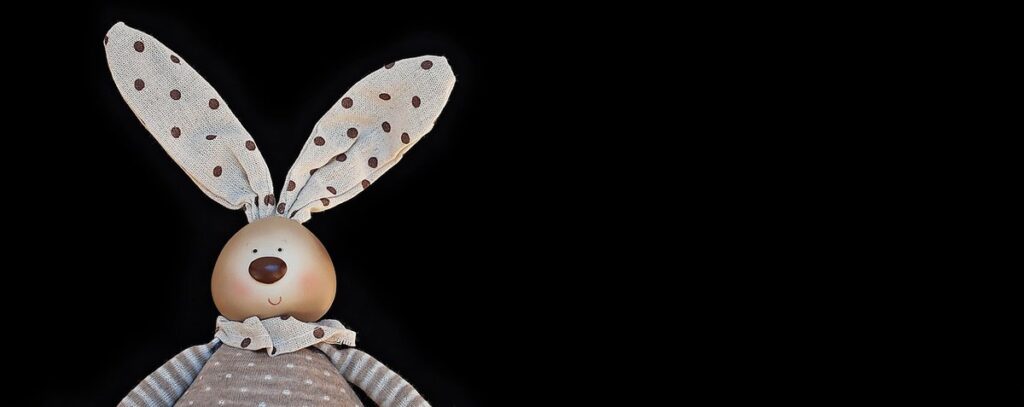
The Rise of Sad Beige Mom Toys
You might be wondering what makes a toy truly terrible, and I’m here to introduce you to the sad beige mom toys that have captured our collective eye-roll. These are the items that embody everything wrong with toy design.
Origins in Mainstream Media
The portrayal of sad beige mom toys in mainstream media has been a significant contributor to their popularity. These characters often appear in TV shows and movies as relatable, everyday women who struggle with the demands of motherhood. Take the character of Claire Dunphy from Modern Family, for instance. Her frazzled expression and perpetual exhaustion are instantly recognizable to many viewers.
Similarly, the movie Bridesmaids showcases Annie Walker’s (Kristen Wiig) struggles with her own identity as a stay-at-home mom. Her sad beige moments, where she feels overwhelmed by domestic chores and societal expectations, resonate deeply with audiences.
These portrayals have had a profound impact on popular culture. They’ve created a sense of solidarity among women who feel like they’re not alone in their struggles. The key takeaway here is that these characters’ relatability lies in their authenticity – they’re imperfect, flawed, and struggling to keep up with modern motherhood. By embracing our own imperfections, we can tap into this sense of solidarity and find comfort in the fact that we’re all in this together.
Representation and Relatability
These sad beige mom toys have taken the world by storm, and one of the primary reasons for their enduring popularity is their uncanny ability to resonate with audiences. One of the most significant aspects of these characters is their relatability – we’ve all been there at some point in our lives, stuck in a mundane routine, struggling to keep up with the demands of domesticity.
These toys tap into our collective experiences, making us feel like we’re not alone in our struggles. Take, for example, the character of “Karen” from the popular “Sad Beige Mom” doll series – her frazzled expression and frazzled hair perfectly capture the essence of a busy mom’s life. Her storyline often revolves around dealing with the aftermath of spilled juice stains on the carpet or negotiating a peace treaty between warring siblings.
What makes these characters even more relatable is their emotional depth. They’re not just one-dimensional caricatures; they have genuine feelings, struggles, and desires that make us invested in their stories. We can’t help but feel empathy towards them as we see ourselves in their shoes (or rather, in their stained sweatpants). By embracing the imperfections and vulnerabilities of these characters, we’re reminded that even in our most mundane moments, there’s beauty to be found.
Influence on Modern Pop Culture
The influence of sad beige mom toys on modern pop culture is undeniable. They’ve seeped into our literature, music, and other forms of media, often as a commentary on the monotony and despair that can come with motherhood. Think about it: authors like Sheila Heti and Maggie Nelson have written extensively about the existential crises that many mothers face, often referencing the beige walls and neutral-colored interiors that are synonymous with this aesthetic.
In music, artists like Phoebe Bridgers and Julien Baker have crafted songs that capture the sense of desperation and hopelessness that can accompany motherhood. These depictions of sad beige mom toys serve as a form of catharsis for many listeners, who see themselves reflected in the lyrics and imagery. Even on social media platforms, where mothers often share their mundane daily routines and beige-colored home decor, the influence of sad beige mom toys is palpable.
To incorporate this aesthetic into your own creative work, consider exploring the ways in which motherhood can be both beautiful and suffocating at the same time. Use imagery that evokes a sense of stagnation, like a faded couch or a stack of unwashed dishes, to convey the emotional complexity of motherhood. By doing so, you’ll be tapping into a rich cultural vein that speaks to many mothers’ experiences – one that’s both poignant and relatable.
The Psychology Behind Sad Beige Mom Toys
Let’s dive into why we’re so drawn to these bland, uninspired toys that seem to scream ‘I’ve given up on life.’ It’s a fascinating phenomenon.
The Human Desire for Authenticity
When we’re drawn to sad beige mom toys, it’s often because they tap into our deep-seated desire for authenticity and vulnerability. These characters are relatable precisely because they’re imperfect, struggling with the same emotions and issues that we face every day.
In a world where social media presents an curated version of reality, sad beige mom toys offer a refreshing respite from perfectionism. They remind us that it’s okay to not have all the answers, to struggle with motherhood, and to admit our flaws. This authenticity is incredibly powerful, as it allows us to connect with these characters on a deeper level.
By embracing imperfection, we can also confront our own vulnerabilities head-on. We might find ourselves thinking, “If this character can be honest about her struggles, maybe I don’t have to hide mine either.” This shift in perspective can lead to greater empathy and understanding not just for the characters, but also for ourselves and others.
This is why it’s essential to allow ourselves to feel seen and heard through these imperfect characters. By doing so, we might just find that our own experiences are validated and we’re better equipped to navigate life’s challenges.
The Comfort of Mundanity
There’s something peculiarly soothing about watching a character scrub away at last week’s laundry stains on their beige sofa. It’s almost as if our minds have an affinity for the mundane tasks that pepper everyday life. We find comfort in witnessing others tackle domestic drudgery, perhaps because it reminds us that we’re not alone in this struggle.
This phenomenon is often referred to as ‘everydayness.’ Our brains crave familiarity and predictability, making the depiction of ordinary, unremarkable moments oddly endearing. When a character’s struggles feel relatable, our emotional investment grows, and we become more invested in their story. This might explain why authors like Marie Kondo find success with tales of tidying up messy homes or why Netflix shows like “Schitt’s Creek” captivate audiences with their portrayal of domestic life.
We can tap into this comfort by incorporating everyday tasks into our own storytelling. When crafting a narrative, consider what makes your character’s mundane life unique and authentic. Focus on the little things – like cooking dinner for one or trying to get the kids to bed on time. By rendering these routine moments with sensitivity and attention to detail, you can create a sense of connection with your readers that lingers long after they finish reading.
The Emotional Connection to Sad Beige Mom Toys
When we form an emotional connection with characters like sad beige mom toys, it’s often due to their relatable flaws and imperfections. These traits create a sense of empathy in viewers, making us more invested in their stories.
For instance, the character’s struggles with motherhood are not glossed over or romanticized. Instead, they’re portrayed as messy and imperfect, acknowledging that even with good intentions, parenting can be a daunting task. This authenticity resonates deeply with audiences who have experienced similar struggles themselves.
Moreover, these characters’ vulnerabilities make them more human, allowing us to connect with their fears and anxieties. We see ourselves in their insecurities, whether it’s the fear of not doing enough for our children or the worry about making the right decisions as parents. By tapping into these emotions, creators can craft characters that feel genuinely relatable, making audiences more likely to empathize with them.
Practically, this means writers should strive to make their characters’ flaws and imperfections a core part of their narrative. By doing so, they create space for viewers to form genuine connections with the characters, fostering empathy and understanding through shared human experiences.
Nostalgia and the Power of Sad Beige Mom Toys
For many of us, our childhoods are filled with memories of boring beige toys that brought us a mix of joy and sadness. In this section, we’ll explore why these toys hold such nostalgic power for so many people.
Timeless Themes and Relatable Stories
When you think back on your childhood, chances are that certain memories and stories stick with you more than others. This is often because these tales tap into universal themes and emotions that we still experience today. Sad beige mom toys, despite their unassuming appearance, frequently explore such timeless topics.
Take the classic “Little House” series, for example. On the surface, it’s a story about a family moving from one place to another, but beneath that lies deeper exploration of themes like perseverance, community, and belonging. These issues are just as relevant now as they were decades ago, making the series a beloved staple in many households.
Similarly, stories featuring endearing characters who face relatable challenges often resonate with audiences across generations. Who can forget Charlie Brown’s struggles to fly a kite or hold onto the Little Red-Haired Girl? These characters may have originated in simpler times, but their struggles remain universally understood.
Aesthetic Appeal: The Significance of Beige in Design
When we think of beige, what often comes to mind is its versatility and ability to blend seamlessly into any space. But when it comes to design, particularly within the context of sad beige mom toys, beige takes on a whole new significance. It’s not just about aesthetics; beige evokes feelings of nostalgia and familiarity.
Beige has long been associated with comfort and coziness – think plush throw blankets, soft furnishings, or even a warm summer sand between your toes. In design, beige is often used as a neutral background to let other statement pieces shine. But when it’s the primary color, like in sad beige mom toys, its impact is magnified.
In the world of interior design, beige is often referred to as “the ultimate safe choice” because it’s neither too bold nor too bland. Yet, in the context of nostalgia-tinged designs, like those found in vintage mom toys, beige takes on a more complex role – one that speaks directly to our emotional psyche.
By incorporating beige into your design, whether through toy packaging or product materials, you can tap into this nostalgia-fueled connection and create a sense of shared experience with your audience.
Cultural Impact: Sad Beige Mom Toys as a Reflection of Societal Values
Sad beige mom toys have been a staple of childhood play for decades, but their cultural significance extends far beyond mere entertainment. These characters serve as a reflection of societal values and cultural norms, offering commentary on the world around us.
Consider, for instance, the typical portrayal of sad beige moms in media. They’re often depicted as frazzled, exhausted, and struggling to manage household responsibilities while also working outside the home. This representation speaks volumes about our society’s expectations of women and the burdens they carry. The tired mom trope has become a cultural phenomenon, with memes and jokes aplenty poking fun at the stereotype.
But beneath the humor lies a commentary on the realities of modern life. We’re living in an era where work-life balance is increasingly elusive, and the pressure to be perfect parents, partners, and professionals can be overwhelming. Sad beige mom toys tap into this cultural zeitgeist, providing a relatable reflection of our shared experiences.
By acknowledging these themes, we can begin to see beyond the surface-level nostalgia of sad beige mom toys. They serve as a mirror to our society’s values, encouraging us to reflect on what truly matters in life – and perhaps, just perhaps, offering a few laughs along the way.
The Future of Sad Beige Mom Toys
As we’ve explored the history and cultural significance of sad beige mom toys, let’s now turn our attention to what they might look like in the future. Will these nostalgic relics adapt or fade away?
Evolution of the Genre
As we explore the future of sad beige mom toys, it’s clear that the genre has room to evolve and adapt. One potential direction for future storytelling is a shift towards more nuanced themes. Gone are the days of simplistic “wife struggles” or “mom guilt.” Modern creators could delve deeper into complex issues like social media-induced anxiety, financial stress, or the blurred lines between work and personal life.
New characters will emerge to tackle these topics with sensitivity and humor. We might see a bearded hipster dad trying to navigate modern fatherhood, or a stay-at-home mom struggling to find meaning in her day. The aesthetic of sad beige mom toys could also shift towards more vibrant colors and eclectic patterns, reflecting the messiness and chaos of real life.
To create compelling stories within this evolving genre, consider experimenting with non-linear narratives and multiple perspectives. This will allow you to tackle complex themes from various angles and provide a more nuanced exploration of the human experience. By pushing boundaries and taking risks, you’ll be able to craft sad beige mom toys that resonate with audiences in new and unexpected ways.
Challenges and Opportunities
The sad beige mom toy phenomenon has been gaining traction online, but with its growing popularity comes a range of challenges for creators. One major hurdle is the difficulty in standing out from the crowd amidst an oversaturated market. With so many creators vying for attention, it can be tough to develop a unique voice and style that resonates with audiences.
Moreover, navigating the ever-changing landscape of online platforms and trends is another significant challenge. Creators must stay up-to-date on the latest algorithm changes, platform-specific features, and audience preferences to ensure their content remains relevant and engaging.
However, despite these challenges, there are also numerous opportunities for growth and innovation within this niche. By embracing emerging trends like interactive storytelling, influencer collaborations, and community engagement, creators can breathe new life into the sad beige mom toy genre and captivate a wider range of audiences. This might involve experimenting with fresh formats, exploring diverse perspectives, or even incorporating user-generated content to create a more dynamic and immersive experience.
Conclusion: The Enduring Appeal of Sad Beige Mom Toys
As we conclude our exploration of the world of sad beige mom toys, it’s clear that these beloved characters have left an indelible mark on our collective psyche. Despite their seemingly bland appearance, they continue to captivate audiences worldwide with their quirky charm and nostalgia-tinged appeal.
So, what’s behind this enduring fascination? For many fans, sad beige mom toys evoke a sense of comfort and familiarity, transporting them back to a bygone era of childhood innocence. Their subtle complexity – think awkward poses, off-kilter proportions, and an overall air of quiet desperation – adds layers of depth that invite interpretation and imagination.
As we’ve seen, the appeal of sad beige mom toys extends far beyond their surface-level charm. They tap into our shared experiences, memories, and emotions, making them a relatable and endearing presence in our lives. Whether you’re a seasoned collector or just discovering these lovable misfits, the significance of sad beige mom toys lies in their ability to connect us all – quirks and imperfections included.
Frequently Asked Questions
Can I create my own sad beige mom toy designs, or do I need to stick with existing characters?
Yes, you can definitely experiment with creating your own sad beige mom toys! However, keep in mind that the aesthetic appeal of these characters lies in their nostalgic and relatable qualities. To succeed, focus on capturing the same emotional connection through your unique design.
How can I use sad beige mom toys to tap into nostalgia, even if they weren’t a part of my childhood?
To leverage the nostalgic appeal of sad beige mom toys, consider incorporating subtle nods to classic designs or referencing iconic characters from popular media. This will help you connect with audiences who share your passion for retro aesthetics.
Are sad beige mom toys only limited to moms, or can I apply this concept to other family members and relationships?
While the original “sad beige mom” archetype focuses on motherhood, you can indeed expand this concept to explore other family dynamics. Consider creating characters that represent dads, kids, or even extended family members struggling with their own relatable issues.
How can I balance the sadness with a more uplifting message in my sad beige mom toy designs?
To strike the right balance between melancholy and hopefulness, focus on showcasing moments of resilience and determination within your characters. This will allow audiences to connect with the emotional authenticity without feeling overwhelmed by despair.
Can I use sad beige mom toys as a way to discuss complex societal issues, like mental health or motherhood stigma?
Absolutely! Sad beige mom toys offer a unique platform for tackling sensitive topics in a more approachable and relatable manner. By incorporating nuanced storytelling and symbolism, you can encourage important conversations about social issues while engaging your audience on an emotional level.