
Getting your little one ready for school can be a daunting task. As a parent, you want to ensure that they’re emotionally, socially, cognitively, and physically prepared for this new chapter in their life. School readiness activities play a crucial role in developing these essential skills and setting your child up for success.
In this comprehensive guide, we’ll walk you through the importance of school readiness activities and provide you with actionable tips on how to promote social, emotional, cognitive, and physical development at home. From creating a supportive learning environment to engaging in fun and interactive play, we’ll cover it all. By the end of this article, you’ll have a clear understanding of what your child needs to thrive in school and be equipped with practical ideas to help them reach their full potential.
Understanding School Readiness
Understanding school readiness is crucial for parents, as it sets the foundation for their child’s academic success. In this section, we’ll explore what makes a child “ready” for school and how to identify potential areas of improvement.
What is School Readiness?
Understanding what school readiness means is crucial for young children’s academic success. Essentially, it refers to the combination of social, emotional, cognitive, and physical skills that enable a child to successfully navigate a classroom environment. This encompasses more than just being book-smart; it also involves being able to separate from parents or caregivers, make friends, listen to instructions, and manage emotions.
School readiness is critical because it sets the foundation for future academic success. Research suggests that children who enter school feeling ready are more likely to develop a love of learning and achieve higher academic standards. Conversely, those who struggle with social, emotional, or physical skills may fall behind their peers and experience frustration.
To assess your child’s school readiness, consider their ability to separate from you, follow directions, use the bathroom independently, dress themselves, and engage in play with others. You can also ask yourself whether they demonstrate self-control, such as waiting for a turn or sharing toys. By evaluating these areas of development, you’ll get a better understanding of what your child needs to work on before starting school.
Factors Influencing School Readiness
A child’s school readiness is influenced by a multitude of factors beyond their individual abilities. Parental involvement plays a significant role in determining a child’s preparedness for formal education. Engaged parents who actively participate in their child’s learning process help bridge the gap between home and school environments, fostering a sense of continuity and stability.
Socioeconomic status also significantly impacts a child’s access to quality education. Children from disadvantaged backgrounds often face numerous challenges that hinder their ability to succeed academically. Limited access to resources such as books, technology, and educational materials can create significant disparities in academic outcomes.
Access to quality education is another critical factor contributing to school readiness. Early childhood programs like pre-schools and kindergartens provide a nurturing environment where children can develop essential skills and socialize with peers. Exposure to reading and literacy activities from an early age is also crucial for developing strong foundational skills that support future academic success.
Ultimately, parents play a pivotal role in creating opportunities for their child to develop these essential skills through intentional practices such as regular story time sessions, alphabet games, and literacy-based activities.
Social-Emotional Development Activities
Helping children develop essential social-emotional skills is crucial for their success in school, and these fun activities will get you started. They promote self-awareness, self-regulation, and relationships, setting your child up for a strong foundation.
Building Confidence and Self-Esteem
As children prepare to enter school, building their confidence and self-esteem is crucial for academic success. You can promote positive affirmations by engaging your child in activities that encourage them to express themselves, such as writing their name, drawing a picture, or creating a simple poem.
Role-playing is another effective way to build self-confidence. For example, you can set up a pretend store or restaurant and have your child take turns playing different roles, practicing social skills like sharing, taking turns, and expressing emotions in a healthy way. This helps them develop essential life skills and prepares them for the classroom environment.
Creative expression is also vital for building self-esteem. Engage your child in activities that allow them to express themselves freely, such as painting, singing, or dancing. You can also create a “self-expression” box filled with materials like stickers, stamps, and colorful markers, and have your child decorate their own journal or picture frame.
These skills are essential for academic success because they help children feel more confident in their abilities, develop healthy relationships with peers and teachers, and be more open to learning new concepts. By incorporating these activities into your daily routine, you can give your child a solid foundation for school readiness.
Encouraging Friendship Skills and Sharing
Developing strong social-emotional skills is crucial for school readiness, and one essential area of focus is encouraging friendship skills and sharing. These skills lay the foundation for positive relationships with peers, teachers, and other adults in a school setting.
Games like “Red Light, Green Light” or “Musical Chairs” can help children learn to take turns and share space without feeling left out. In these games, they must wait their turn, listen to instructions, and cooperate with others to succeed. This helps build essential social-emotional skills like empathy, self-control, and communication.
To foster a sharing culture at home, try implementing a “Sharing Jar” where children can earn small rewards or stickers for sharing toys or materials with others. You can also organize group activities that require collaboration, such as building a Lego structure or completing a puzzle together. These experiences promote friendship skills like cooperation, mutual respect, and understanding.
As you encourage these social-emotional skills in your child, remember to model them yourself. Demonstrate kindness, generosity, and patience, and provide opportunities for your child to practice these traits. By doing so, they’ll develop strong relationships with their peers and a solid foundation for success in school.
Cognitive Development Activities
Engage your child’s mind with these fun and interactive cognitive development activities, designed to prepare them for academic success in a few short months. We’ll explore some engaging ideas together!
Number Recognition and Counting Games
Developing math skills and problem-solving abilities is crucial for young children as they prepare to enter school. Number recognition and counting games are an excellent way to lay the foundation for future math success. At home or in a classroom setting, you can engage your child with fun and interactive activities that promote learning.
For example, you can play “What’s Missing?” by writing a series of numbers on flashcards (e.g., 1, 2, 3, 5) and asking your child to identify which number is missing. This game helps develop problem-solving skills as children learn to analyze patterns and think critically. Another fun activity is “Counting Bingo,” where you create bingo cards with numbers or objects and call out the corresponding count (e.g., “5 blocks”). Your child must then mark the correct number on their card.
You can also try “Number Scavenger Hunt” by hiding numbers around the room or outside, and having your child find them in order. These games not only promote math skills but also encourage active learning and exploration. By incorporating these activities into your daily routine, you’ll be helping your child build a strong foundation for future academic success.
Alphabet Introduction and Phonics Games
Learning the alphabet and developing phonics skills are fundamental building blocks for reading proficiency. Introducing these concepts to young children through engaging games can make the learning process fun and interactive. Research suggests that early literacy skills are crucial for future academic success, with studies showing a strong correlation between preschool literacy experiences and later reading achievement.
To get started, try playing alphabet scavenger hunts around the house or neighborhood, where children identify letters on signs and billboards. For phonics games, engage your child in word-building activities using magnetic letters or letter tiles. You can also play “I Spy” with sounds, such as “the ‘at’ sound,” to encourage phonemic awareness.
Actionable tips include: incorporating alphabet songs and rhymes into daily routines, using flashcards for letter recognition, and making games out of simple tasks like alphabetizing objects in a sandbox or on a tray. By making literacy learning fun and interactive, you can set your child up for success in reading and beyond. Regular practice with these engaging activities will help build confidence and fluency in young readers.
Physical Development Activities
As you work on developing your child’s physical skills, engaging them in activities that promote gross motor development is essential for their overall readiness to start school. These exercises will help build strength and coordination.
Gross Motor Skills Development
Gross motor skills are essential for overall health and well-being, and they play a crucial role in school readiness. These skills enable children to move with ease, balance, and coordination, which is necessary for participating in various physical activities during school hours.
Physical activities that promote gross motor skills development include running, jumping, throwing, and catching. For example, playing tag or soccer helps improve speed and agility, while activities like hopscotch or red light, green light enhance balance and coordination. These skills are not only essential for sports but also for everyday activities such as climbing stairs, carrying heavy bags, and participating in PE classes.
To develop these skills in your child, try incorporating games that require movement into your daily routine. For instance, you can play a game of “Simon Says” or set up an obstacle course in your backyard. You can also engage your child in activities like dance or gymnastics to improve their overall gross motor skills. By doing so, you’ll not only be preparing them for school but also fostering a lifelong love for physical activity and exercise.
Fine Motor Skills Development
Fine motor skills development is a crucial aspect of school readiness. These skills enable children to perform tasks that require precision and coordination, such as writing, drawing, and using utensils. Engaging activities like puzzles, playdough, and coloring can help develop fine motor skills.
Puzzles are an excellent way to improve hand-eye coordination, problem-solving, and dexterity. Start with simple puzzles and gradually increase the difficulty level as your child becomes more confident. You can also use everyday objects, such as blocks or Legos, to create puzzle-like challenges.
Playdough is another fun activity that promotes fine motor skills development. Homemade playdough made from flour, water, and food coloring is a great option. Encourage your child to shape, mold, and manipulate the dough using different tools like rolling pins, cutters, or toothpicks. This activity helps develop finger strength, hand-eye coordination, and dexterity.
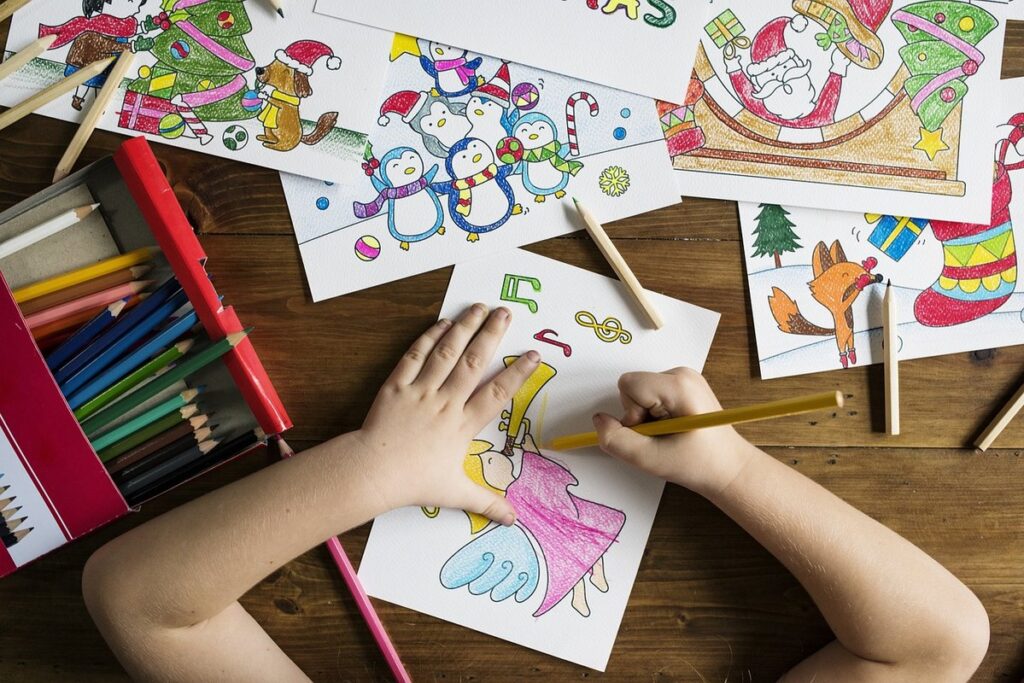
Coloring can also be an effective way to improve fine motor skills. Start with simple coloring activities, such as drawing shapes or lines, and gradually move on to more complex tasks like coloring pictures. Use washable markers or crayons to make the experience enjoyable and mess-free.
Creating a School-Ready Environment at Home
Creating a school-ready environment at home is just as crucial as teaching your child essential skills. This includes setting up a dedicated space for learning and establishing routines that promote independence.
Establishing a Daily Routine
Establishing a daily routine is crucial for creating a school-ready environment at home. Consistency helps children develop self-regulation skills, which are essential for success in school and beyond. By incorporating time for learning, play, and relaxation into their daily schedule, you can help your child feel secure, focused, and prepared for the demands of academic life.
A typical day should include a balance of structured activities, such as reading, writing, and math exercises, alongside unstructured time for exploration and creativity. Aim to allocate specific timeslots for homework, outdoor play, and quiet time, allowing your child to transition smoothly between activities. For example, you can set aside 30 minutes each morning for dedicated learning time, followed by a 15-minute break for physical activity.
Remember, flexibility is key. Be prepared to adjust your routine as needed to accommodate changing schedules or unexpected events. By prioritizing consistency and establishing a daily rhythm, you’ll be supporting your child’s cognitive development, social skills, and emotional well-being, all of which are critical components of school readiness.
Encouraging Independent Learning
Encouraging independent learning is an essential aspect of preparing children for school. As they grow and develop, it’s crucial to provide opportunities for exploration and discovery that foster self-motivation and curiosity. One way to achieve this is by setting up a dedicated space for play and learning at home.
Create a “station” or area with various materials and activities that promote creativity and problem-solving skills. This can include art supplies, building blocks, puzzles, and reading nooks. Encourage your child to explore these stations independently, allowing them to make choices about what they want to do and how they want to learn. By doing so, you’ll be fostering a sense of autonomy and self-directed learning.
For example, you can set up a “construction station” with blocks, LEGO, or magnetic tiles. Then, let your child decide which project to work on, without providing too much guidance or direction. This will allow them to develop their critical thinking skills and learn from mistakes. Similarly, create a reading nook with books at various levels of complexity, encouraging your child to choose what they want to read and how long they want to spend reading.
By providing opportunities for exploration and discovery, you’ll be helping your child develop essential skills that will serve them well in school and beyond.
Conclusion: Putting it All Together
Now that we’ve explored various school readiness activities, let’s recap the key takeaways and put everything into practice for a smoother transition to formal education.
Recap of Key Findings
In conclusion, it’s clear that school readiness activities play a vital role in shaping young children’s academic success. By engaging children in comprehensive and diverse activities from an early age, parents can lay the foundation for future learning and development.
From our exploration of literacy and numeracy skills, we learned how essential it is to foster a love for reading and math in children through play-based activities like storytelling, puzzles, and games. Regular practice helps build confidence and fluency in these areas, setting them up for success in school.
Similarly, social-emotional learning and gross motor development are crucial components of school readiness. By incorporating role-playing, empathy-building exercises, and physical activities into daily routines, children develop essential life skills and become more independent.
As we’ve highlighted throughout this guide, a well-rounded approach to school readiness is key. Parents can take action by prioritizing engaging activities that promote cognitive, social-emotional, and motor skill development in their young children. By doing so, they’ll be giving them the best possible start in life and setting them up for future academic success.
Final Tips for Parents and Caregivers
As you continue on this school readiness journey with your child, remember that consistency and patience are key. Encourage them to develop a daily routine that includes activities like reading, writing, and math practice, even if it’s just for a few minutes each day.
Make the most of playtime by incorporating educational games and puzzles into their everyday play. You can also create a “school readiness station” in your home where they can access various learning materials, such as worksheets, flashcards, and educational apps.
Involve your child in household chores to teach them responsibility and time management skills. For example, you can assign them tasks like making their bed, putting away toys, or helping with laundry.
Lastly, have open conversations with your child about what they’ve learned each day. Ask them questions about the activities they participated in, and encourage them to share their thoughts and feelings. This will not only help solidify new skills but also strengthen your bond as you work together towards this important milestone.
Frequently Asked Questions
What if I’m concerned that my child is behind in certain areas of school readiness?
Don’t worry, it’s not uncommon for children to develop at their own pace! If you’re concerned about your child’s progress, start by speaking with their preschool or childcare provider. They can provide valuable insights and recommendations on how to support your child’s development. Additionally, consider consulting with a pediatrician or early childhood specialist who can offer personalized guidance.
How do I know if my child is emotionally ready for school?
Emotional readiness involves being able to separate from parents, manage feelings of anxiety or fear, and regulate their behavior in a classroom setting. Look for signs like your child’s ability to express their emotions, use words to describe their feelings, and engage in activities independently. If you’re unsure, observe your child during playdates or in group settings to gauge their emotional maturity.
Can I implement these school readiness activities with multiple children?
Absolutely! Many of the activities outlined in this guide can be adapted for groups of children. Consider incorporating games, songs, and role-playing exercises that promote social-emotional learning and cognitive development. For younger siblings, start by engaging them in simple play-based activities and gradually introduce more structured lessons as they grow.
How often should I practice these school readiness skills with my child?
Consistency is key when it comes to developing essential skills! Aim to dedicate 15-30 minutes each day to practicing various aspects of school readiness. This can include reading together, playing math games, or engaging in physical activities that promote gross and fine motor skills development. Be creative and make learning fun!
What if I’m having trouble establishing a daily routine for my child?
Routines can be challenging to establish, especially when dealing with young children! Start by setting realistic goals and gradually introducing new habits into your child’s daily schedule. Consider using visual reminders like charts or calendars to help them stay on track. Be patient and remember that it may take some time for both you and your child to adjust to the new routine.