
Are you struggling with how to stop thumb sucking in your child or yourself? You’re not alone. Thumb sucking is a common habit that can be difficult to break, but it’s essential to address it gently and gradually. Prolonged thumb sucking can lead to dental problems, such as overbites and crooked teeth, as well as other issues like nail biting and skin irritation. If you’ve tried to stop your child or yourself from sucking your thumb, you know how frustrating it can be.
In this article, we’ll explore a gentle approach to quitting thumb sucking, including strategies for gradual withdrawal and positive reinforcement techniques. By the end of this post, you’ll have a better understanding of why your body is craving that familiar thumb-sucking motion and how to replace it with healthier habits. We’ll also provide actionable tips on creating a supportive environment that encourages long-term success.
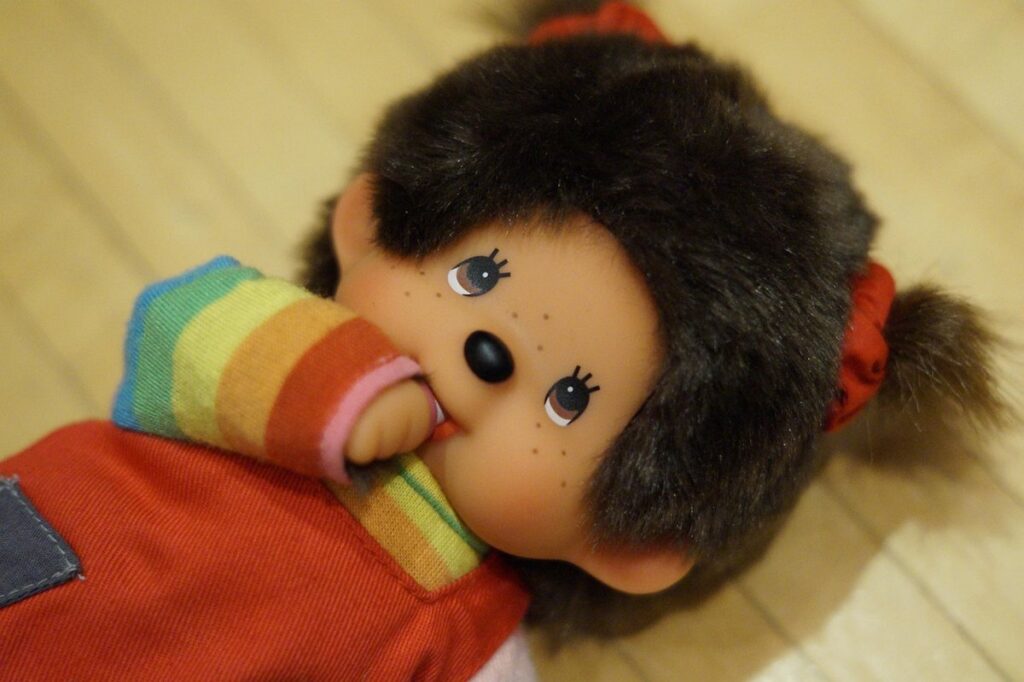
Understanding Thumb Sucking and Its Benefits
Thumb sucking is a common habit among children, but it also has some surprising benefits for their development. Let’s explore these advantages before we dive into how to stop thumb sucking gently.
The Importance of Thumb Sucking in Childhood Development
Thumb sucking is often viewed as a bad habit that needs to be broken, but it plays a significant role in childhood development. During infancy and toddlerhood, thumb sucking serves as a self-soothing mechanism, helping children cope with stress, anxiety, and overwhelming emotions. This reflex helps them develop essential skills like relaxation and calming down.
Studies have shown that thumb sucking is closely tied to the brain’s reward system, releasing endorphins that promote feelings of calmness and contentment. For many young children, it becomes a reliable means of dealing with uncertainty or emotional discomfort. However, as children grow older and learn more effective coping strategies, they often naturally outgrow this habit.
To put thumb sucking into perspective, consider that an estimated 70-80% of babies suck their thumbs in the first year of life. By two years old, about 25-30% continue to do so, gradually decreasing as children develop better emotional regulation and learn more mature ways to self-soothe.
The Impact of Prolonged Thumb Sucking on Oral Health
Prolonged thumb sucking can have far-reaching consequences for oral health. As children grow and their teeth develop, thumb sucking habits can lead to misaligned teeth, overbites, and even jaw misalignment. These issues are often irreversible without expensive and invasive orthodontic treatments.
One of the primary concerns is crooked teeth. When a child sucks on their thumb regularly, it can cause their upper front teeth to protrude outwards, creating an uneven bite. This can lead to difficulties with chewing, speaking, and even self-confidence. Additionally, prolonged thumb sucking can also cause the lower jawbone to grow in a way that doesn’t match the upper jawbone, resulting in misaligned teeth.
According to the American Academy of Pediatric Dentistry, nearly 40% of children who suck their thumbs develop overbites or other orthodontic problems. It’s essential for parents and caregivers to be aware of these risks and take proactive steps to prevent prolonged thumb sucking habits from causing long-term damage to oral health.
Why It’s Time to Stop Thumb Sucking
Thumb sucking can have long-term effects on your child’s teeth and jaw alignment, making it crucial to stop the habit as soon as possible. In this section, we’ll explore the importance of quitting thumb sucking.
Recognizing the Signs That Your Child Needs to Stop Thumb Sucking
As a parent, it’s essential to recognize when your child needs to stop thumb sucking. One of the most significant signs is a change in their sleep patterns. If you notice that your child is having trouble falling asleep or waking up frequently during the night due to thumb sucking, it may be time to intervene.
Another indicator is decreased self-esteem. Children who continue to suck their thumbs past the age of 5-6 years old may start to feel embarrassed about their habit, leading to low self-confidence and a decrease in their overall mood. You might notice that they become more withdrawn or hesitant to participate in activities with their peers.
Pay attention to your child’s behavior and adjust your approach accordingly. If you’re concerned about the potential impact of thumb sucking on their social development, consider having an open and honest conversation with them about why stopping this habit is important. By addressing these signs early on, you can gently guide your child towards breaking the habit without causing undue stress or anxiety.
The Risks of Continued Thumb Sucking as an Adult
Continued thumb sucking as an adult can lead to serious health issues. Dental problems are one of the most common concerns. Adult teeth may shift or become overcrowded due to prolonged pressure on the mouth and jaw. This can cause misalignment, uneven wear, and even tooth loss.
Social embarrassment is another risk associated with continued thumb sucking in adulthood. As individuals enter their 20s and beyond, societal expectations for personal growth and maturity tend to increase. People may feel self-conscious about their habit in social situations or at work. A study found that nearly half of adults who suck their thumbs do so discreetly, often hiding it from others.
Emotional attachment issues can also arise from continued thumb sucking as an adult. Research suggests that some people turn to the comfort of their thumb as a coping mechanism for stress, anxiety, or other emotional challenges. As long as this behavior persists, individuals may struggle with developing healthy ways to manage their emotions and build resilience.
Practically addressing these issues requires acknowledging the underlying motivations for continued thumb sucking and taking steps to develop more adaptive coping strategies. A healthcare professional can help individuals identify underlying causes and create a personalized plan to overcome the habit gently.
Strategies for Stopping Thumb Sucking Gently
Now that you’ve identified the habit and understood its impact, it’s time to learn gentle strategies to stop thumb sucking and help your child break this habit once and for all.
Gradual Withdrawal Method: A Step-by-Step Approach
The gradual withdrawal method is a gentle and effective approach to helping children stop thumb sucking. It involves setting realistic goals, tracking progress, and providing rewards for success. Start by talking to your child about their desire to stop sucking their thumb and set a specific goal date for quitting.
Use a calendar or chart to track progress and identify challenges. For example, you might mark off each day that passes without thumb sucking or create a “thumb-free” sticker chart. This visual reminder will help your child stay motivated and engaged in the process.
As milestones are reached, reward your child with small treats or privileges, such as extra storytime or a special outing. Be sure to praise their efforts and progress along the way, even if setbacks occur. For younger children, consider creating a “thumb-sucking jar” where they deposit a small stone each day they resist sucking their thumb – when the jar is full, trade it in for a reward!
Using Positive Reinforcement Techniques
Using positive reinforcement techniques can be an effective way to encourage children to stop thumb sucking. The idea is simple: whenever they resist the urge to suck their thumb, they receive a reward. This can be in the form of stickers, stars on a chart, or special privileges like extra storytime or a later bedtime.
You can create a reward system tailored to your child’s interests and preferences. For example, if your child loves dinosaurs, you could give them a dinosaur sticker each time they resist thumb sucking. The key is to make the rewards tangible and meaningful to your child. Be sure to set clear expectations and communicate the reward system clearly.
As with any behavior modification technique, consistency is crucial. Make sure all caregivers are on the same page and implementing the same reward system. With patience and persistence, positive reinforcement can be a powerful tool in helping your child break the thumb sucking habit. By focusing on what they’re doing right rather than wrong, you’ll create a positive association with resisting thumb sucking, making it easier for them to quit for good.
Overcoming Challenges and Staying Motivated
We know it can be tough to quit thumb sucking, but don’t worry, we’ve got strategies to help you overcome challenges and stay motivated along the way.
Addressing Emotional Attachment to Thumb Sucking
Addressing emotional attachment to thumb sucking can be a challenging but crucial step in helping children overcome this habit. For many young ones, thumb sucking is more than just a coping mechanism – it’s a source of comfort and security. As a parent or caregiver, it’s essential to understand that separating your child from their beloved thumb won’t happen overnight.
Counseling or therapy can be an excellent option in helping children address emotional attachment issues related to thumb sucking. A professional therapist can work with your child to identify the underlying reasons for their thumb sucking and develop coping strategies to manage stress, anxiety, or other emotions that may be driving this habit. You can also explore hypnotherapy as a gentle approach to help change your child’s subconscious behavior.
Another strategy is to encourage open communication about feelings and emotions. By creating a safe space where your child feels comfortable discussing their concerns, you can better understand their attachment to thumb sucking and work together to find alternative coping mechanisms. Remember, it may take time, patience, and persistence to overcome emotional attachment issues related to thumb sucking, but with the right approach, you can help your child develop healthier habits and a stronger sense of self.
Managing Setbacks and Maintaining Progress
It’s normal for children (and even adults!) to experience setbacks when trying to stop thumb sucking. Maybe you’ve made progress and then had a particularly stressful day that sent you right back to your old habit. Or perhaps you’ve tried to cut down on the frequency of thumb sucking, but it seems like every time you try to make a change, you end up reverting back to your old ways.
The key is to not get discouraged by setbacks. Instead, use them as an opportunity to learn and adjust your approach. Ask yourself what triggered the setback – was it stress, boredom, or something else? Once you’ve identified the trigger, you can develop a plan to address it in a healthier way.
For example, if you find that stress is sending you back to thumb sucking, try practicing relaxation techniques like deep breathing or meditation. If boredom is the culprit, engage your child in a fun activity or provide them with a distraction, like a toy or book.
Tips for Parents and Caregivers
As a parent or caregiver, finding gentle ways to discourage thumb sucking can be challenging, but with the right approach, you can help your child break this habit. This section shares practical tips for success.
Creating a Supportive Environment
Creating a supportive environment is crucial when helping your child overcome thumb sucking. Setting clear rules and consequences helps children understand that this habit needs to be addressed. Start by explaining the reasons behind stopping thumb sucking, such as improving dental health or developing good habits. Be specific about what you expect from them – for example, “I want to see you putting your hands in your pockets when we’re watching TV.”
Establish a routine that replaces thumb sucking with alternative activities, like doodling, reading, or playing a game. Praise and reward their efforts whenever they resist the urge to suck their thumbs. Make sure to be consistent in enforcing these new habits and consequences for slipping back into the old pattern.
It’s also essential to set boundaries around situations where your child might naturally want to resort to thumb sucking, like during bedtime or when stressed. Encourage them to communicate with you if they feel overwhelmed, so you can find alternative ways to cope together. By working together as a team and setting clear expectations, your child will be more likely to break the habit of thumb sucking.
Encouraging Open Communication
As you work with your child to overcome thumb sucking, it’s essential to establish open communication. This means creating a safe and non-judgmental space where your child feels comfortable discussing their habits and concerns. By doing so, you’ll be able to identify the underlying reasons for thumb sucking and develop a tailored approach to help them overcome it.
Start by having an open conversation with your child about your observations and concerns regarding their thumb sucking. Use “I” statements instead of “you” statements, which can come across as accusatory. For example, you might say, “I’ve noticed that you tend to suck your thumb when you’re feeling stressed or anxious” rather than “You always suck your thumb when you’re upset.” This helps your child feel more in control and less defensive.
By listening attentively to their responses, you’ll gain a deeper understanding of the triggers and motivations behind their thumb sucking. This information will enable you to offer support and guidance that’s specifically tailored to their needs.
Additional Resources and Support
If you’re struggling to break the habit on your own, or if you’d like some extra guidance along the way, here are some additional resources that can help. We’ve compiled a list of helpful tools and support systems for you.
Online Communities and Support Groups
When you’re trying to break the habit of thumb sucking with your child, it’s easy to feel like you’re going through this alone. But there are many online communities and support groups where parents just like you can connect, share experiences, and get advice from others who have been in your shoes.
These online forums are a great place to ask questions, share tips, and get support from people who understand the challenges of breaking a thumb-sucking habit. You can search for specific groups focused on stopping thumb sucking or join more general parenting communities that offer valuable resources and guidance.
Some popular options include online forums like Reddit’s r/parenting and specialized groups like Thumbs Up! (a Facebook group dedicated to helping parents stop their child’s thumb sucking). These platforms allow you to connect with others who are going through similar situations, ask questions, and learn from their experiences. By joining these communities, you can find the support and guidance you need to help your child overcome this habit.
Professional Help: When to Seek Guidance from a Therapist or Dentist
Seeking professional guidance can be an incredibly effective way to overcome thumb sucking. If you’re struggling with persistent habits or need additional support, don’t hesitate to reach out for help.
To find a therapist who specializes in overcoming thumb sucking habits, start by asking your pediatrician or primary care physician for recommendations. You can also search online directories such as the American Psychological Association’s (APA) Psychologist Locator tool. When searching, make sure to filter results by specialization, such as “pediatric psychology” or “behavioral therapy.”
A dentist specializing in oral habits and thumb sucking cessation may also be a valuable resource. These dentists are trained to provide guidance on how to gently wean yourself off the habit while addressing any potential oral health concerns. They can help you develop a personalized plan to break the cycle of thumb sucking.
Some common signs that it’s time to seek professional help include persistent thumb sucking despite previous attempts to stop, increased anxiety or stress related to stopping, and concerns about the impact on your teeth or overall oral health.
Frequently Asked Questions
What are some common mistakes to avoid when trying to stop thumb sucking, especially during the gradual withdrawal phase?
When attempting to stop thumb sucking, it’s essential to avoid being too rigid or restrictive, as this can lead to feelings of frustration and rebellion. Instead, focus on gradually increasing the frequency and duration of activities that don’t involve thumb sucking, such as drawing, reading, or playing with toys. Also, be mindful of power struggles, which can undermine your child’s motivation to quit.
How do I handle setbacks when my child returns to thumb sucking after making progress?
Setbacks are a normal part of the quitting process, and it doesn’t mean you’ve failed. When your child returns to thumb sucking, acknowledge their feelings and offer empathy, rather than scolding or punishing them. This will help prevent guilt and shame from reinforcing the habit. Then, revisit the reasons why they wanted to stop in the first place, and work together to come up with a new plan to overcome the challenge.
Can I use positive reinforcement techniques for myself as an adult trying to quit thumb sucking?
Yes, positive reinforcement techniques can be just as effective when quitting thumb sucking as an adult. Set small rewards for yourself after reaching milestones, such as completing a week or month without thumb sucking. You can also try using visualization techniques or mindfulness exercises to help manage cravings and stay motivated.
How long does it typically take for the body to adjust to not sucking one’s thumb?
The adjustment period varies from person to person, but most people find that their body adjusts within 1-3 months of quitting. During this time, you may experience some discomfort or restlessness when your hands are idle, but this should subside as your brain adapts to new habits.
Can I use a combination of gradual withdrawal and positive reinforcement techniques, or do they conflict with each other?
You can definitely combine both approaches for a more comprehensive quit strategy. Gradual withdrawal helps you physically detach from the habit, while positive reinforcement provides emotional motivation and encouragement. By using both methods together, you’ll be better equipped to overcome challenges and stay on track.