
As a parent, there’s nothing more precious than seeing your child smile with confidence. But did you know that establishing good oral hygiene habits from an early age is crucial for their overall health and well-being? A strong oral routine sets the foundation for a lifetime of healthy teeth and gums, and it’s amazing how easy it can be to make it a part of your child’s daily routine. In this article, we’ll share expert tips on brushing, flossing, and more to help you promote healthy teeth and gums from an early age. We’ll cover the essential oral hygiene practices for kids, including creating a schedule that works for your family, making brushing fun, and what to expect at different ages. By the end of this post, you’ll be equipped with the knowledge and confidence to help your child develop good oral habits that will last them a lifetime.
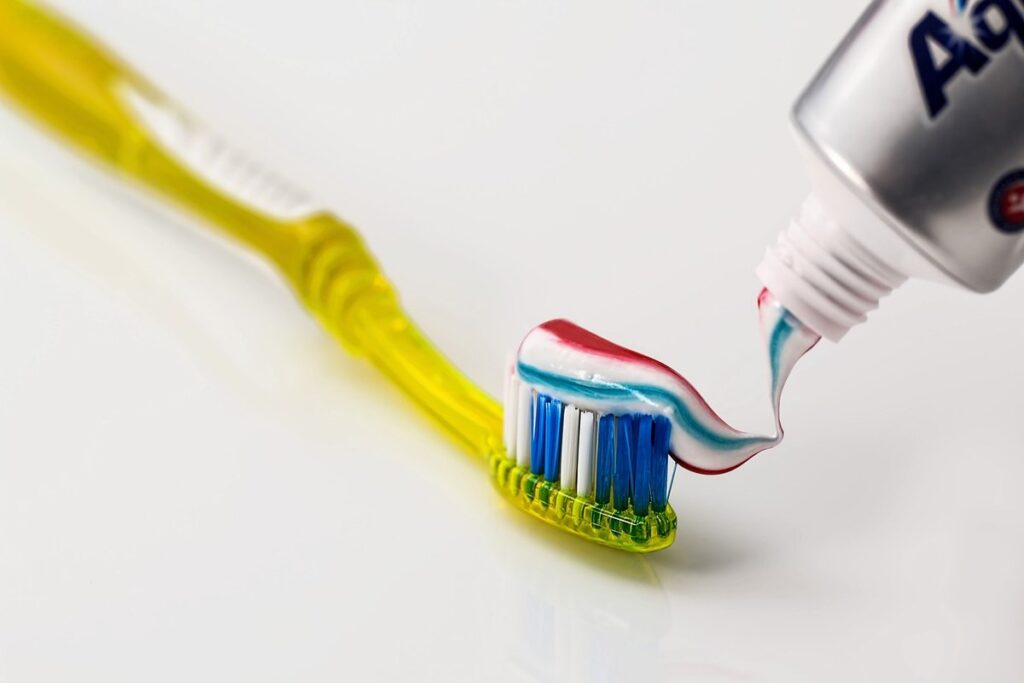
Establishing a Good Oral Hygiene Habit
To help your child form healthy habits, it’s essential to establish an effective oral hygiene routine that they can follow consistently every day. Let’s explore the key steps to get you started.
The Importance of Early Habits
Establishing good oral hygiene habits from an early age is crucial for children’s overall health and well-being. You might be wondering why it’s so important to start young, but the truth is that bad oral hygiene can lead to a host of problems later on in life.
If kids don’t learn how to properly take care of their teeth, they’ll develop habits that will stick with them for years to come – and not all of them are good. For instance, if a child gets used to snacking on sugary treats throughout the day without brushing afterwards, they’ll be more likely to develop cavities.
By establishing good oral hygiene habits early on, you’re giving your child a solid foundation for healthy teeth and gums for years to come. Regular brushing and flossing will help prevent problems like tooth decay and gum disease. What’s more, research shows that kids who learn good oral hygiene habits tend to have better self-care habits in general.
So how can you get started? Begin by making brushing and flossing a part of your child’s daily routine – perhaps right before bedtime or after breakfast. Make it fun by letting them pick out their own toothbrush and toothpaste, or by playing a favorite song while they brush their teeth. The more enjoyable the experience, the more likely they’ll be to stick with good oral hygiene habits throughout their lives.
Setting Up a Daily Routine
Creating a daily routine that incorporates oral hygiene habits is crucial for children’s healthy development. To make brushing teeth, flossing, and rinsing a part of their daily schedule, involve them in the process from an early age. For instance, let your child help pick out toothbrushes and toothpaste with their favorite colors or characters.
To make these tasks fun and engaging, try incorporating games into the routine. For example, set a timer for two minutes while they brush their teeth, and challenge them to brush every surface before the timer goes off. You can also create a chart or reward system where they earn stickers each day they complete their oral hygiene tasks.
Make sure to demonstrate these habits yourself, as children often mimic adult behavior. Encourage your child to brush their teeth at least twice a day, in the morning after breakfast and before bedtime. Flossing should be done once a day, preferably before brushing teeth. Finally, ensure your child rinses their mouth thoroughly with water or mouthwash.
By following these simple steps, you can make oral hygiene an enjoyable and integral part of your child’s daily routine.
Choosing the Right Toothbrush and Toothpaste
When it comes to maintaining good oral hygiene, choosing the right toothbrush and toothpaste is crucial for children. The age of your child plays a significant role in selecting the perfect dental care tools. For young children (ages 2-4), a soft-bristled toothbrush with small head size is ideal, as their teeth are still developing. Look for a toothbrush with a non-slip handle that can fit comfortably in their hand.
As your child grows older (ages 5 and above), you can opt for a manual or electric toothbrush with interchangeable heads. Consider a toothpaste specifically designed for children’s sensitive teeth and gums. Opting for a fluoride-free toothpaste might be suitable for kids under the age of six, as their enamel is still developing.
To ensure effectiveness, check the American Dental Association (ADA) seal on both your toothbrush and toothpaste. This guarantee ensures that the product meets dental hygiene standards. When introducing new products to your child’s oral care routine, make sure to supervise them closely to avoid any discomfort or allergic reactions.
Brushing Techniques for Kids
When it comes to brushing teeth, kids need guidance on how to get their teeth clean effectively. Here are some fun and easy techniques to teach your little ones a good oral hygiene habit.
Teaching Correct Brushing Technique
Teaching kids to brush their teeth correctly can be a challenging task, but with patience and consistency, it’s achievable. To start, establish a routine that includes brushing twice a day for two minutes each time. This duration allows them to cover all surfaces thoroughly.
When it comes to technique, demonstrate how to use gentle circular motions with the bristles facing the gum line. Encourage kids to brush in small sections of the mouth: front teeth, back teeth, and top surface of molars. Don’t forget to teach them about tongue cleaning – a soft-bristled brush or a tongue scraper can be used for this.
It’s essential to focus on areas prone to plaque buildup, such as the gum line, chewing surfaces, and edges of molars. Show your child how to use short strokes to clean the inner and outer surfaces of their teeth. Make sure they understand that brushing is not just about removing food particles but also preventing tartar accumulation.
As kids develop their brushing skills, provide positive reinforcement by praising them for their efforts and encouraging them to continue practicing good oral hygiene habits.
Handling Sensitivity and Erosion
Tooth sensitivity and erosion can be common issues in children as their teeth develop and grow. Sensitivity occurs when the enamel on the surface of the teeth wears down, exposing the dentin beneath. This can cause pain when consuming hot or cold foods and drinks.
Children may experience tooth erosion due to excessive consumption of acidic beverages such as soda, sports drinks, or fruit juice. When these acids come into contact with the teeth, they break down the enamel causing it to wear away.
To maintain good oral hygiene while handling sensitivity and erosion in children, you can start by reducing their intake of sugary and acidic foods. Consider using a fluoride mouthwash or toothpaste that contains ingredients specifically designed to combat sensitivity.
It’s also essential to encourage your child to spit out toothpaste during brushing rather than swallowing it, as excessive fluoride consumption can lead to fluorosis – a condition characterized by white spots on the teeth. Regular dental check-ups and professional cleanings can help prevent these issues from escalating into more severe problems.
Flossing and Interdental Care
To keep those tiny teeth clean between them, it’s essential to teach your child how to floss properly and care for their interdental spaces. Let’s explore this important part of oral hygiene together!
Introducing Flossing at a Young Age
Introducing flossing at a young age is crucial for developing good oral hygiene habits that will last a lifetime. When kids grow up with regular flossing as part of their routine, they are less likely to develop cavities and gum disease later on.
Cavities can form between teeth where a toothbrush cannot reach, making flossing essential in these areas. Gum disease is also common among children and adolescents due to poor oral hygiene habits, which can lead to inflammation, infection, and even permanent damage to the gums and teeth.
To introduce flossing into your child’s daily routine, start by choosing an age-appropriate interdental cleaner or flosser with a handle for small hands. Make it fun by letting them pick out their own colors or flavors!
Begin by having your child sit comfortably in front of a mirror and demonstrate how to gently wrap the floss around their middle fingers. Guide them through the process, moving the floss between each tooth, curving it around the edge of each tooth in a “C” shape.
Encourage your child to floss once a day before bedtime when possible, and praise their efforts along the way.
Choosing the Right Dental Floss
When it comes to flossing your child’s teeth, choosing the right type of dental floss can be a bit overwhelming. But don’t worry, we’ve got you covered! There are several types of dental floss available on the market, and each has its own unique characteristics that make it suitable for different needs.
For children, it’s best to start with a gentle, waxed dental floss. This type of floss is less likely to snap or break, making it easier for kids to handle. Additionally, waxed floss helps to reduce irritation and bleeding in the gums. If your child has trouble threading the floss between their teeth, consider using an unwaxed floss instead.
Another option is a floss pick, which combines the convenience of dental floss with the ease of use of interdental brushes. Floss picks are perfect for kids who struggle with traditional flossing or have difficulty maneuvering around tight spaces in the mouth.
Regardless of the type you choose, make sure to guide your child on how to properly thread and remove the floss to avoid damaging their gums or pushing plaque further into their teeth.
Tongue Scrapers and Mouthwash
To keep those tiny teeth clean, let’s talk about tongue scrapers and mouthwash, two tools that can help remove bacteria and freshen breath.
The Role of a Tongue Scraper in Oral Hygiene
Using a tongue scraper as part of your child’s oral hygiene routine can have a significant impact on their overall oral health. Bad breath, also known as halitosis, is a common issue among children and can be caused by bacteria buildup on the surface of the tongue. Regularly scraping the tongue helps remove these bacteria, leaving the mouth feeling fresher.
To incorporate a tongue scraper into your child’s routine, start by introducing it alongside their daily brushing and flossing. Encourage them to gently scrape from the back of the tongue towards the front, taking care not to press too hard and cause discomfort. This simple habit can make a big difference in preventing bad breath.
By removing bacteria and debris from the tongue surface, you’re also promoting gum health. Healthy gums are essential for maintaining good oral hygiene and can help prevent conditions like gingivitis. Encourage your child to use their tongue scraper daily as part of their established routine to keep their teeth, gums, and mouth healthy.
Using Mouthwash Effectively
When it comes to incorporating mouthwash into your child’s oral hygiene routine, there are both benefits and risks to consider. On one hand, using mouthwash can be an effective way to kill bacteria that can cause cavities and gum disease, particularly for kids who have difficulty brushing all surfaces of their teeth.
However, not all mouthwashes are created equal, and some may contain ingredients that are not suitable for children. When choosing a mouthwash for your child, look for one that is specifically designed for kids and carries the American Dental Association (ADA) Seal of Acceptance. This ensures that the product has met certain standards for safety and effectiveness.
When teaching your child how to use mouthwash effectively, follow these simple steps: swish the mouthwash around their mouth for 30 seconds to a minute, making sure to cover all surfaces of their teeth and gums. Rinse thoroughly with water after spitting out the mouthwash.
Common Oral Hygiene Mistakes
We all make mistakes, and when it comes to our kids’ oral hygiene routine, knowing what not to do is just as important as knowing what to do. Let’s take a look at some common errors to avoid.
Avoiding Sugar-Related Issues
When it comes to keeping your child’s teeth healthy and strong, avoiding sugar-related issues is crucial. One common mistake parents make is overindulging their kids with sugary snacks and treats. While an occasional cookie or cupcake might seem harmless, regular consumption can lead to a buildup of plaque and bacteria in the mouth, causing cavities and other oral health problems.
Another mistake is not monitoring sugar intake closely enough. Children’s diets are often high in added sugars, which can be found in foods like fruit snacks, candy, and even some “healthy” options like granola bars or sports drinks. These sugary treats might seem like a quick fix for tantrums or boredom, but they can have long-term consequences for your child’s oral health.
To avoid sugar-related issues, try to limit sugary snacks and meals to mealtimes only. Encourage water over juice or soda, and opt for whole foods instead of processed ones. By being mindful of sugar intake and promoting a balanced diet, you’ll be helping your child develop healthy eating habits that will benefit them for years to come.
Recognizing Signs of Oral Health Issues
As a parent, it’s essential to be aware of the signs that may indicate oral health issues in your child. Regular dental check-ups are crucial, but being able to identify potential problems early on can help prevent more severe issues from arising.
Cavities are one of the most common oral health issues affecting children. Watch for symptoms such as:
* Pain or sensitivity when eating sweet or sour foods
* Discoloration or darkening of teeth
* Visible holes or pits in teeth
Gum disease, also known as gingivitis, can cause inflammation and bleeding of the gums. Look out for these signs:
* Redness or swelling of the gums
* Bleeding when brushing or flossing
* Loose or separating teeth
Other potential problems to watch for include mouth ulcers, dry mouth, and bad breath. If you notice any unusual symptoms, consult your child’s dentist promptly.
Remember, early detection and prevention are key in maintaining good oral health. Encourage your child to brush their teeth at least twice a day and floss once daily to reduce the risk of oral health issues.
Conclusion
Now that you’ve learned how to create a great oral hygiene routine for your child, let’s summarize the key takeaways and reinforce what you’ll be doing every day.
Recap of Key Takeaways
Establishing good oral hygiene habits from an early age is crucial for children’s overall health and well-being. By following a consistent oral care routine, parents can help their little ones develop healthy teeth and gums that will last a lifetime.
Throughout this article, we’ve covered essential tips and tricks to create a comprehensive oral hygiene routine for your child. We emphasized the importance of introducing oral hygiene habits early on, starting with regular brushing and flossing as soon as their first tooth erupts. This helps children become familiar with the process and makes it easier for them to adopt good habits.
We also discussed how to choose the right toothbrush and toothpaste for your child’s age and needs. For younger children, a soft-bristled toothbrush and a non-fluoride toothpaste are recommended, while older kids can switch to a fluoride toothpaste with a gentle abrasive agent. Remember to supervise and assist your child in brushing their teeth until they’re old enough to do it independently.
Another crucial aspect of oral hygiene is regular dental check-ups. Schedule appointments every six months to monitor your child’s teeth and gums, catch any potential issues early on, and provide guidance on maintaining good oral health.
By implementing these tips into your daily routine, you’ll be setting your child up for a lifetime of healthy smiles and overall well-being.
Frequently Asked Questions
What if my child resists brushing their teeth regularly?
Convincing your child to develop good oral hygiene habits can be challenging, especially when it comes to regular brushing. One effective approach is to make brushing a fun experience by letting them choose their own toothbrush or toothpaste flavor. You can also establish a routine where you brush together as a family, making the process less daunting for your child.
How often should I replace my child’s toothbrush?
The American Dental Association recommends replacing toothbrushes every 3-4 months or sooner if bristles become frayed. To ensure your child has a clean and effective toothbrush, consider using a rotating toothbrush head that can be replaced easily when needed.
Can I use mouthwash for my toddler?
While some mouthwashes are suitable for young children, it’s essential to consult with your pediatrician or dentist before introducing any oral hygiene products containing fluoride. At two years old, most pediatricians recommend introducing fluoride-free mouthwashes as a gentle way to promote good oral habits.
What if I notice signs of tooth decay in my child?
If you suspect your child has developed cavities or other oral health issues, schedule an appointment with their dentist as soon as possible. The American Academy of Pediatric Dentistry recommends regular check-ups every six months for children under the age of 12.
How do I help my child overcome gag reflex during brushing?
Some children experience a gag reflex when brushing their teeth, which can make the process uncomfortable and unenjoyable. To address this issue, try using a soft-bristled toothbrush or an electric toothbrush designed for young children, as these often cause less discomfort than manual brushes.