
Are you looking for ways to teach your little ones the importance of caring for pets? Involving children in pet care is not only an excellent way to promote their responsibility and empathy, but it can also foster a lifelong love of animals. However, many parents struggle with finding the right balance between teaching and letting kids have fun. As a parent yourself, you know how overwhelming it can be to take on all pet care responsibilities while trying to raise responsible kids.
This article is designed to help you involve your children in pet care without sacrificing their childhood. By sharing practical tips and expert advice, we’ll show you how to teach essential skills like feeding, walking, and grooming, while promoting a lifelong love of animals. With these simple and effective strategies, you can encourage your kids to take on more responsibility and enjoy the rewards of having a furry friend by their side.
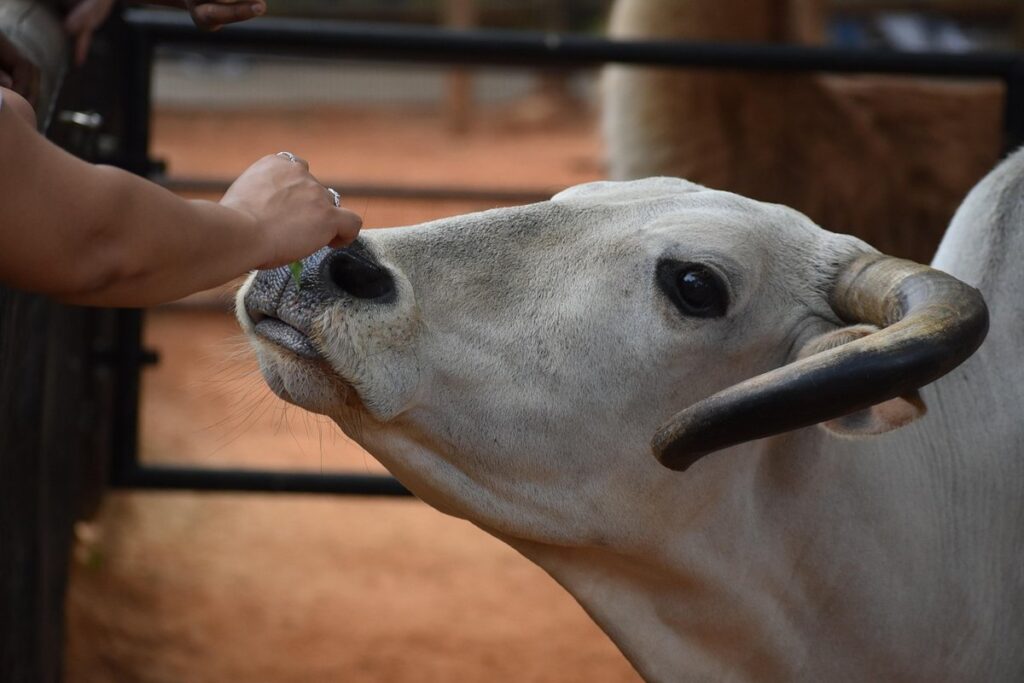
Understanding the Importance of Kid-Led Pet Care
When it comes to teaching kids pet care responsibilities, understanding the importance of involving them in the process is crucial. This means recognizing their unique role and contribution to caring for our furry friends.
Benefits of Involving Children in Pet Care
Involving children in pet care is a wonderful way to teach them essential life skills and values that will benefit them far beyond their childhood. By giving kids responsibilities for caring for pets, you’re not only teaching them about responsibility, but also empathy and compassion.
Research shows that children who grow up with pets tend to develop stronger social skills, including the ability to form close bonds with others. This is because caring for a pet requires communication, compromise, and teamwork – all essential components of healthy relationships.
When kids are involved in pet care, they begin to understand the concept of ownership and accountability. They learn that their actions have consequences and that caring for a living being requires dedication and hard work. By teaching kids these values early on, you’re setting them up for success in life.
One practical way to involve your child in pet care is by assigning specific tasks, such as feeding, walking, or grooming the pet. You can also encourage them to observe and learn from your own experiences as a pet owner.
Overcoming Challenges to Kid-Led Pet Care
When trying to involve kids in pet care, parents often face common challenges that can be discouraging. One of the main obstacles is a lack of motivation among children. Some might see pet care as boring or uninteresting, while others may not understand the importance of contributing to their family’s furry friends’ well-being.
To overcome this, try making pet care fun and engaging for your kids. You can start by assigning tasks that they enjoy, such as feeding the pet or taking them for a walk. This way, they’ll develop a sense of ownership and responsibility towards their pets.
Another challenge parents face is explaining complex pet care concepts to children in a way they can understand. One effective approach is to use visual aids like pictures or diagrams to illustrate key points. You can also involve your kids in decision-making processes, such as choosing the right food or toys for the pet.
By making adjustments and finding ways to make pet care more accessible and enjoyable for kids, parents can overcome these common challenges and help their children develop essential life skills.
Setting Clear Expectations for Kid-Led Pet Care
Setting clear expectations and rules for kid-led pet care is essential to ensure that children understand their responsibilities and can provide proper care for their pets. It’s not enough to simply hand over pet care duties to kids without establishing guidelines. By assigning specific tasks and monitoring progress, you can help your child develop a sense of ownership and accountability.
Start by making a list of the essential tasks involved in caring for a pet, such as feeding, walking, and cleaning up after accidents. Assign these tasks to your child based on their age and ability, and make sure they understand what is expected of them. Create a schedule or chart to track progress and stay organized. This will help you keep tabs on who’s doing what and when, and also give your child a sense of accomplishment as they complete each task.
For example, if you have a young child, you might start by assigning small tasks like filling the pet’s food bowl or giving them fresh water. As they get older and more confident, they can take on more responsibility for caring for the pet.
Choosing the Right Age for Kid-Led Pet Care
When deciding when to involve your kids in pet care, it’s essential to consider their age and maturity level to ensure a positive experience for both them and the pet. This section explores key age guidelines to keep in mind.
Understanding Developmental Milestones and Abilities
As you consider teaching your child pet care responsibilities, it’s essential to understand their developmental milestones and abilities. This will help you determine when they’re ready to take on specific tasks. Typically, children develop at different rates, but most are developmentally prepared for simple pet care tasks between the ages of 4-7.
At this age, children can begin learning about basic pet care, such as feeding schedules, water intake, and providing fresh food and water bowls. They may also be able to help with simple tasks like refilling food or water dishes. As they grow and mature, usually around 8-10 years old, they’ll develop the fine motor skills necessary for more complex responsibilities.
When assessing your child’s readiness, consider their ability to understand and follow instructions. Can they comprehend the importance of providing fresh water daily? Can they commit to feeding schedules without reminders?
Keep in mind that every child is different, so it’s crucial to tailor responsibilities to their individual abilities. Start with simple tasks and gradually increase responsibility as they demonstrate competence. By doing so, you’ll help your child develop a lifelong appreciation for pet care and responsibility.
Assessing Your Child’s Readiness
Before assigning pet care responsibilities to your child, it’s essential to assess their readiness for this task. This involves evaluating their attention span, empathy, and ability to follow instructions.
Start by observing your child’s behavior when interacting with pets. Can they sit quietly with the animal without getting distracted? Do they show concern when the pet is unhappy or scared? These are signs of a developing sense of responsibility and compassion for another living being.
To gauge their attention span, try giving them simple tasks like feeding or refreshing water. Observe how well they complete these tasks without getting sidetracked. It’s also crucial to assess your child’s ability to follow instructions. Can they understand and execute specific commands related to pet care?
Assessing your child’s readiness will help you tailor their responsibilities accordingly, ensuring a smooth transition into kid-led pet care. If you notice areas for improvement, use this as an opportunity to work on these skills together.
Introducing Simple Tasks for Young Children
When it comes to introducing simple tasks for young children, the key is to start small and make it fun. At this age, kids are learning essential life skills while developing a sense of responsibility and empathy towards living creatures. Begin by assigning them low-stakes tasks such as refilling water bowls or providing fresh toys.
For example, let’s say you have a toddler who loves watching your dog play with a favorite toy. You can put the toy in its cage and have your child place it back in the room for the dog to retrieve. This teaches problem-solving skills while encouraging them to think creatively about how their pet can have fun.
As they progress, introduce more complex tasks like feeding or monitoring food levels. Make sure to explain the importance of each task and demonstrate how it benefits the pet’s well-being. Use a chart or list to keep track of daily tasks and involve your child in checking off completed chores.
Remember, patience is key when teaching young children about pet care responsibilities. Be prepared for mistakes and accidents, but also be proud of their efforts to learn and grow alongside your furry friends.
Essential Pet Care Skills for Kids
As a parent, teaching your child essential pet care skills is crucial for their development and responsibility. This section will cover the basics of caring for pets, from feeding to grooming.
Basic Grooming and Hygiene Practices
When it comes to pet care, teaching kids the basics of grooming and hygiene is essential for their well-being and happiness. It’s not just about making them look cute; regular grooming helps prevent health issues and strengthens the bond between your child and your furry friend.
First, let’s talk about nail trimming. It’s a crucial part of pet grooming that can be intimidating for kids, but with practice, they’ll get the hang of it! To begin, you’ll need to introduce them to the concept of nail trimming by explaining why it’s necessary (e.g., preventing overgrowth and damage). Start by using a nail clipper designed specifically for pets and show your child how to carefully trim their nails. Begin with short sessions and gradually increase the duration as they become more comfortable.
Brushing is another vital grooming habit that kids should learn. Choose a brush suitable for your pet’s coat type, and demonstrate how to gently brush in sections, starting from the head and working down to the tail. This not only helps distribute skin oils but also removes tangles and mats. Make it fun by letting them try different brushes or textures, like slicker brushes for short coats or pin brushes for long hair.
Regular grooming sessions can become a special bonding time between your child and pet. Encourage them to observe their pet’s behavior and body language during these sessions, allowing them to develop empathy and understanding. By starting early and making it a routine, kids will learn the importance of pet grooming and hygiene practices that benefit both pets and owners alike!
Feeding and Watering Schedules
As kids take on more pet care responsibilities, it’s essential to establish regular feeding and watering schedules for their furry friends. This habit helps pets thrive and can also make caring for them a breeze for kids.
To start, let’s break down the basics of creating a feeding schedule:
* Decide how many times a day your pet needs to eat based on its age, breed, and size.
* Set reminders or alarms on phones or calendars to ensure feeding and watering are done at the same time every day.
* Make sure kids understand the importance of not overfeeding or underfeeding their pets.
For example, if you have a puppy that needs three meals a day, create a schedule with morning, noon, and evening feedings. Similarly, cats require less frequent eating, but still need regular access to fresh water.
Kids can take ownership by helping prepare pet food and monitoring the feeding schedule. They can also be responsible for refilling water bowls or checking if they’re empty.
By establishing consistent feeding and watering schedules, kids will learn valuable time management skills and develop a sense of responsibility towards their pets’ care.
Recognizing and Responding to Pet Health Issues
When it comes to pet care responsibilities, recognizing and responding to health issues is crucial. As kids learn about caring for pets, they need to know what to look out for when a furry friend isn’t feeling well. Start by teaching them the common signs of illness or injury in pets, such as changes in appetite, vomiting, diarrhea, lethargy, or difficulty breathing.
Encourage your child to observe their pet’s behavior and watch for any unusual changes. If they notice something off, it’s essential to investigate further. For example, if a cat is hiding more than usual or showing no interest in food, there might be an underlying issue that needs attention. Similarly, if a dog is limping or whining excessively, it could indicate pain or discomfort.
Teach your child how to respond appropriately in these situations. This includes contacting a veterinarian or pet owner immediately for guidance and advice. It’s also essential to know basic first aid techniques, such as providing fresh water, a comfortable space, and gentle handling when necessary.
Encouraging Kid-Led Pet Care Through Education
As we explore ways to teach kids pet care responsibilities, it’s essential to involve them in their own learning and encourage a sense of ownership over caring for their pets. This section shares valuable insights on how to achieve just that through education.
Teaching Kids About Pet Behavior and Body Language
Teaching kids about pet behavior and body language is crucial to ensure they understand and respond appropriately to their furry friends’ needs. Kids can easily misinterpret a pet’s actions, leading to misunderstandings and potentially harm. For instance, many children think that if a dog wags its tail, it means the dog is happy to play all day. However, excessive wagging can be a sign of anxiety or overexcitement.
To educate kids on this topic, start by observing your pet’s behavior together. Ask them to draw or describe what they see in terms of body language. For example, a lowered head and tucked tail might indicate fear or submission. Encourage them to ask questions when they notice unusual behavior, such as why their cat is hiding or avoiding certain areas.
You can also use visual aids like pictures or videos to demonstrate different emotional states in pets. This will help kids associate specific behaviors with emotions, making it easier for them to identify and respond accordingly. For example, a dog that’s panting heavily might be feeling stressed or anxious, so it’s essential to provide extra attention and calmness.
Understanding the Needs of Different Pets
As kids begin to learn about pet care responsibilities, it’s essential to introduce them to various types of pets and their unique needs. Each species has distinct characteristics that require specific attention. For instance, dogs need regular exercise, training, and socialization, while cats are generally more independent and require less attention.
Start by introducing your child to a local animal shelter or pet store, where they can interact with different animals. Encourage them to ask questions about each pet’s behavior, diet, and living conditions. This hands-on experience will help kids develop empathy for the pets’ needs.
Introduce your child to popular household pets like dogs, cats, fish, birds, and small mammals (e.g., hamsters, guinea pigs). Discuss their dietary requirements, habitat setup, and exercise needs. For example, fish require a specific water quality, while parakeets need regular wing stretches to prevent feather plucking.
Explain the concept of “pet matching” – pairing the right pet with your family’s lifestyle. This will help kids understand that every pet has its unique personality and requirements. By introducing them to various pets, you’ll lay the foundation for responsible pet care and lifelong friendships between children and animals.
Fostering a Love for Nature and Wildlife Conservation
As kids learn and grow alongside their pets, it’s essential to instill a love for nature and wildlife conservation. This not only benefits the environment but also fosters empathy and compassion in children. One way to achieve this is by exploring the interconnectedness of pet care and conservation.
Encourage your child to participate in activities like feeding birds or squirrels outside their home, which can help them understand the concept of food chains and ecosystems. You can also visit local wildlife sanctuaries or zoos together, where they’ll learn about the importance of habitat preservation and species protection.
To make it more engaging, create a “Wildlife Conservation Journal” for your child to record observations, draw pictures, or write stories about their encounters with nature. This will help them develop critical thinking skills while cultivating a deeper appreciation for wildlife conservation.
By integrating these experiences into their pet care routine, kids can learn the value of responsible stewardship and begin to see themselves as part of the larger ecosystem. As they grow older, this foundation will serve as a solid base for making informed choices about environmental issues.
Managing Conflicts and Pet Care Challenges
When conflicts arise between kids and pets, it’s essential to address these issues promptly to prevent harm to both parties. This section offers practical advice on navigating these delicate situations.
Conflict Resolution Strategies for Kids
Conflicts are inevitable when kids share pet care responsibilities. It’s not uncommon for disagreements to arise over tasks like feeding, walking, or cleaning up after pets. To minimize stress and teach valuable lessons, it’s essential to establish a conflict resolution strategy that works for everyone.
When conflicts arise, encourage your child to express their feelings and concerns calmly. Teach them active listening skills by repeating what the other person said and asking clarifying questions. For example, “Just to make sure I understand, you think I’m not doing my part in feeding the pet?” This helps prevent miscommunication and promotes empathy.
To resolve conflicts efficiently, establish a three-step process: 1) Identify the issue, 2) Discuss possible solutions, and 3) Find a mutually acceptable agreement. Role-play scenarios to practice this process, and be open to adjusting it as needed. By teaching kids effective conflict resolution strategies, you’ll not only minimize pet care-related disputes but also equip them with essential life skills for navigating future challenges.
Managing Allergies or Phobias
When teaching kids pet care responsibilities, it’s essential to consider allergies or phobias that may affect their ability to participate. For children with asthma, for example, providing a safe environment is crucial. This might involve removing carpets and using HEPA air purifiers to reduce allergen particles in the air.
Other considerations include identifying triggers and creating a pet-free zone for allergic children. Regularly cleaning and disinfecting surfaces, toys, and equipment can also help minimize exposure. If your child has a phobia of certain animals or experiences anxiety around pets, it’s vital to address these concerns openly and honestly.
Encourage open communication with your child about their feelings and concerns. Work together to develop strategies for coping with pet-related stressors. This might involve gradually introducing the child to the pet in a controlled environment or finding alternative tasks that don’t involve direct animal interaction.
Preparing for Emergencies and Disasters
As kids take on more pet care responsibilities, it’s essential to prepare them for emergencies and disasters that may affect their furry friends. Accidents can happen anytime, and being prepared is crucial to ensure both the child and the pet stay safe.
Let’s consider some potential scenarios: a natural disaster like an earthquake or hurricane could strike your area, or a family member might fall ill, leaving kids in charge of caring for the pet. In these situations, having a plan in place can make all the difference. Start by creating a list with your child of emergency contacts, such as the vet’s phone number and a nearby animal shelter.
Discuss how to react during an emergency, like evacuating quickly or seeking alternative care if unable to return home. You should also identify safe zones within your home where pets can seek refuge during emergencies. Make sure kids know that in case of an emergency, they’ll be able to contact you or another trusted family member for guidance.
Creating a Supportive Environment for Kid-Led Pet Care
As you start teaching your kids pet care responsibilities, it’s essential to create an environment that fosters their growth and confidence in caring for pets. A supportive setting helps them develop a lifelong love of animals.
Setting Up a Safe and Accessible Pet Area
When setting up a safe and accessible pet area, you want to create a space that reduces stress for both pets and kids. This is crucial when teaching kids pet care responsibilities, as they need to be able to handle pets gently and with confidence.
Start by choosing a quiet spot in your home where pets can retreat if they feel overwhelmed. Consider the size of your pets and leave enough space for them to move around comfortably. Ensure the area is easily accessible for both you and your kids, making it simple to tend to their needs.
Think about the essential items that will be used regularly in this space. This might include food and water bowls, a comfortable bed or crate, and some toys to keep pets engaged. Place these items within easy reach of your kids, so they can easily care for pets without having to constantly ask for assistance.
By setting up a dedicated pet area, you’re creating an environment that encourages responsible behavior in your kids while also promoting the well-being of all household pets.
Encouraging Open Communication with Your Child
Effective communication is key to successfully teaching kids pet care responsibilities. As they navigate caring for their new furry friends, they may encounter challenges and frustrations that can be difficult to manage alone. That’s why it’s essential to create an open and supportive environment where your child feels comfortable sharing their experiences with you.
To encourage open communication, start by setting a good example. Show your child that you’re approachable and willing to listen by asking them about their pet care adventures on a regular basis. Use specific questions like “What was the most challenging part of feeding our dog today?” or “How did you feel when the cat scratched the furniture again?”
Be sure to actively listen to your child’s responses, avoiding judgment and instead offering guidance and reassurance. Validate their feelings by acknowledging that it’s okay to make mistakes – after all, learning from them is an essential part of developing pet care skills. By doing so, you’ll create a safe space for your child to express themselves and learn from their experiences, ultimately building trust and strengthening your bond as they grow into responsible young pet caregivers.
Fostering a Sense of Ownership and Accountability
When it comes to teaching kids pet care responsibilities, fostering a sense of ownership and accountability is crucial. By encouraging them to take charge of their tasks, you’ll not only ensure that the pets receive proper care but also instill valuable life skills.
Start by assigning specific tasks to each child, ensuring they understand what’s expected of them. For instance, one child might be responsible for feeding the pet at a set time every day, while another takes care of freshening up the water bowl. This division of labor not only helps distribute responsibility but also makes it more manageable.
Make sure to praise their efforts and accomplishments, highlighting how their contributions benefit the pets. Positive reinforcement is key in this process. When children see the tangible results of their hard work, they’ll be more motivated to continue taking care of their responsibilities.
As a parent or guardian, it’s essential to regularly review the tasks assigned and make adjustments as needed. This will ensure that each child feels invested in their role and understands how their actions impact the pets’ well-being.
Conclusion: Long-Term Benefits and Next Steps
As you’ve been teaching your kids pet care responsibilities, it’s essential to remember that this is just the beginning. The long-term benefits of involving children in pet care far outweigh the initial efforts. By consistently delegating tasks and encouraging responsibility, your kids will develop valuable life skills such as empathy, compassion, and accountability. They’ll also learn important values like commitment and hard work, all while forming a deep bond with their furry friends.
To continue this journey, consider creating a routine or schedule for pet care tasks to ensure consistency and clear expectations. Make sure to praise and reward your kids’ efforts, no matter how small, to foster a sense of pride and accomplishment. As your child’s skills and confidence grow, you can gradually transfer more responsibilities, allowing them to take on more significant roles in caring for the family pets.
Frequently Asked Questions
What’s the ideal age for my child to start taking on more pet care responsibilities?
Children as young as 3-4 years old can begin with simple tasks like feeding, watering, or helping with grooming. However, their developmental milestones and abilities should be considered before assigning complex duties. Assess your child’s readiness by observing their ability to follow instructions, demonstrate empathy towards pets, and understand basic pet care concepts.
How do I handle conflicts between my child and the pet?
Conflicts can arise due to differences in communication styles or expectations. To resolve these issues, teach your child about pet behavior and body language, encourage open communication, and foster a sense of ownership and accountability. By doing so, you’ll help them develop conflict resolution strategies and promote a positive relationship with the pet.
What if my child has allergies or phobias related to pets? Can I still involve them in care?
Yes. While it’s essential to prioritize your child’s health and well-being, involving them in pet care can be adapted to accommodate their needs. For example, you can start by teaching them about pet behavior and needs without direct interaction, or assign tasks that don’t trigger allergies or phobias.
How do I ensure my child understands the long-term commitment involved in caring for a pet?
To instill a sense of responsibility and understanding of the pet’s life cycle, discuss topics like pet aging, health issues, and eventual loss. You can also involve your child in research and decision-making processes related to pet care, making them more invested in the animal’s well-being.
Can I still have a kid-led pet care approach if we’re planning for an upcoming move or emergency?
While it’s essential to prepare for life’s uncertainties, involving children in pet care can be adapted to fit various scenarios. Focus on teaching essential skills and fostering a sense of responsibility, rather than assigning specific tasks that may change due to circumstances. This way, your child will develop valuable life skills that benefit them beyond their childhood.