
As a parent or caregiver, you’ve probably found yourself in the middle of a heated argument between your little ones at some point. Conflict is an inevitable part of childhood, but it’s how we respond to it that matters. Teaching kids conflict resolution skills from a young age can help them navigate friendships, school settings, and even family dynamics with ease. But where do you start? Recognizing the signs of conflict, such as raised voices or crossed arms, is just the beginning. In this article, we’ll explore how to teach children to recognize, manage, and resolve conflicts in a healthy way. We’ll cover practical tips on practicing empathy, respect, and effective communication, so you can help your child develop essential skills for building strong relationships and resolving disputes peacefully.
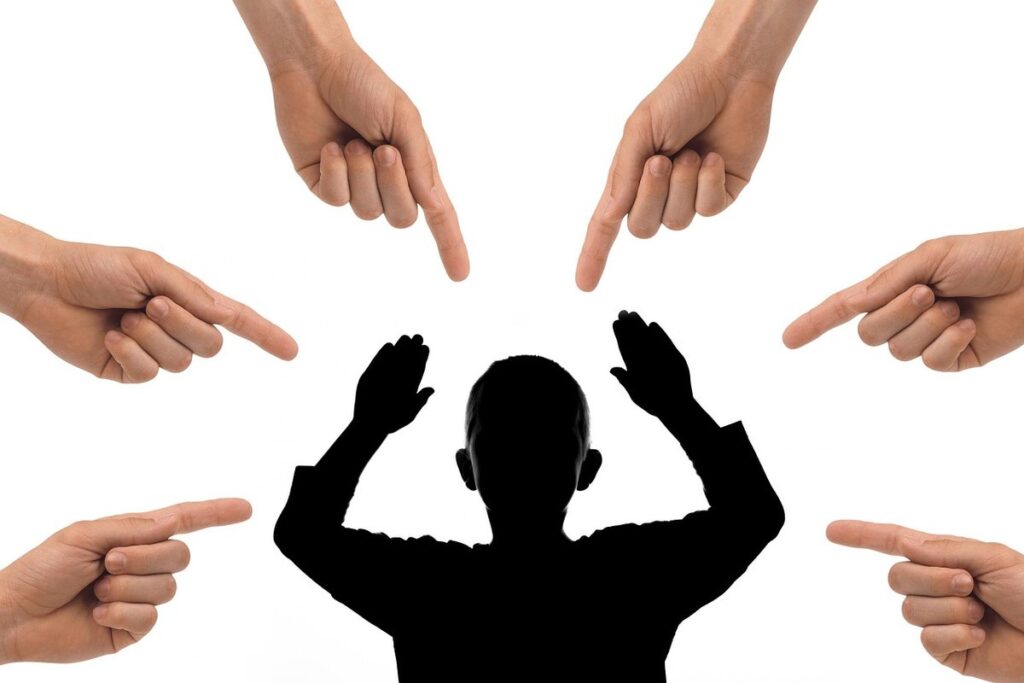
Understanding Conflict in Children
Conflict can be a natural part of childhood development, but it’s essential for parents and caregivers to understand its causes and signs to address it effectively. Let’s dive into common conflict patterns in kids.
Recognizing Signs of Conflict
Conflict is an inevitable part of growing up, and it’s essential to recognize the signs that indicate when children are struggling with disputes. As parents or caregivers, we often see our kids exhibit behaviors that signal they’re overwhelmed by conflict. Yelling and crying are common reactions as children struggle to express their emotions and assert themselves in difficult situations.
But not all conflicts manifest this way. Some children may become withdrawn or quiet, preferring to internalize their feelings rather than confront the issue head-on. This can be just as telling, as it may indicate that they’re feeling overwhelmed or struggling to communicate effectively. Recognizing these behaviors is crucial, as it allows us to intervene and teach our kids more effective conflict resolution skills.
It’s also essential to understand that conflict is a natural part of development. Children are learning to navigate complex social relationships, assert their needs, and develop emotional regulation strategies – all while figuring out who they are and how they fit into the world. By acknowledging this, we can approach conflicts with empathy and patience, rather than getting caught up in our own frustration or anxiety.
Why Conflict Resolution is Crucial for Kids
Teaching kids effective conflict resolution skills is crucial for their emotional and social development. When children learn to manage disputes in a healthy manner, they’re better equipped to navigate complex relationships and prevent problems like bullying. By promoting empathy and encouraging positive interactions with peers, we can help our kids build strong friendships and develop essential life skills.
To start, model healthy conflict resolution techniques yourself. Children often imitate their parents’ behavior, so it’s essential to demonstrate constructive ways of resolving disputes. For example, when you disagree with a family member or friend, try to listen actively and express your feelings calmly. This helps kids see that conflicts can be resolved without resorting to aggression.
At home, encourage your child to express their emotions and concerns about a conflict they’re experiencing. Help them identify the root cause of the issue and brainstorm solutions together. Role-play different scenarios, such as standing up for oneself or seeking help from a trusted adult. By practicing these skills in a supportive environment, kids can develop confidence in resolving conflicts effectively and build stronger relationships with their peers.
Teaching Conflict Resolution Skills
To effectively teach kids conflict resolution skills, you’ll want to focus on strategies that help them communicate their needs and feelings clearly, and find mutually beneficial solutions. This section will cover some practical tips for doing just that.
Modeling Healthy Communication
When it comes to teaching kids conflict resolution skills, one of the most crucial aspects is modeling healthy communication. Children learn by observing and imitating their parents’ behavior, so it’s essential to demonstrate effective communication techniques.
Active listening is a vital skill for resolving conflicts. When you’re in a conversation with your child, make sure to give them your undivided attention. Maintain eye contact, avoid interrupting, and ask open-ended questions to encourage them to share their thoughts and feelings. For example, instead of saying “What’s wrong?” try asking “How did you feel when that happened?”
Expressing feelings is another critical component of healthy communication. Teach your child to use “I” statements instead of “you” statements, which can come across as accusatory. For instance, if your child says “You always take my toy!” rephrase it with them to “I feel frustrated when you take my toy without asking.” This helps children acknowledge and validate each other’s emotions.
By modeling these skills yourself, you’ll help your child develop healthy communication habits that will serve them well throughout their lives.
Role-Playing Different Scenarios
To effectively teach conflict resolution skills, role-playing exercises are an excellent way to put theory into practice. These exercises can be tailored to various scenarios that kids may encounter in school or at home. For instance, you could simulate a situation where two friends disagree over a toy, or a scenario where a child is teased by their peers.
When conducting these role-plays, it’s essential to encourage active listening and empathy from all participants. This can be achieved by asking the children to take turns speaking and repeating back what they’ve understood from each other’s perspectives. To make it more engaging, you could also introduce different roles for each child, such as a mediator or a negotiator.
Some examples of role-playing scenarios include:
• Dealing with a classmate who borrowed their pencils without permission
• Resolving a conflict over a shared toy or game
• Addressing a situation where someone is being bullied or excluded
By practicing these different scenarios, kids can develop the necessary skills to resolve conflicts peacefully and respectfully. This will not only help them navigate everyday challenges but also foster stronger relationships with their peers.
Strategies for Managing Emotions During Conflict
When conflicts arise, teaching kids how to manage their emotions is crucial. This section will explore practical strategies for helping them calm down and respond thoughtfully in heated situations.
Recognizing and Validating Feelings
When you’re in the midst of a conflict with someone, it’s easy to get caught up in strong emotions. However, recognizing and validating these feelings is crucial for effective conflict resolution. Let kids know that it’s okay to feel angry, sad, or frustrated during disagreements.
Encourage them to take a moment to acknowledge how they’re feeling by asking themselves questions like “What am I feeling right now?” or “Why do I think the other person did what they did?” This helps them understand their emotions and begin to let go of some of that intense feeling. For example, if your child is upset about a game they lost to a sibling, encourage them to express how it makes them feel – angry, disappointed, frustrated.
To calm down when overwhelmed, teach kids techniques like deep breathing, counting to ten, or taking a short break from the situation. These simple strategies can help regulate their emotions and make it easier to communicate effectively with others. By teaching your child to recognize, accept, and validate their feelings during conflicts, you’re helping them develop essential skills for managing disputes in a healthy way.
Using Empathy to Resolve Disputes
Teaching kids to consider others’ perspectives and feelings is an essential aspect of conflict resolution. When we encourage empathy, we help them develop a deeper understanding of the impact their actions have on others. This not only resolves disputes but also builds stronger relationships.
Encourage your child to put themselves in someone else’s shoes by asking open-ended questions like “How do you think they feel?” or “What might be going through their mind right now?” This helps them develop a more nuanced understanding of the situation and consider multiple perspectives. For instance, if a friend accidentally breaks their toy, instead of immediately reacting with anger, your child can take a moment to consider how their friend might feel about making such a mistake.
To practice empathy, try role-playing different scenarios together. You can act out situations where someone’s feelings are hurt or they’re struggling with a problem. Encourage your child to express understanding and offer words of comfort. By doing so, they’ll develop a sense of responsibility towards others’ emotions and be better equipped to resolve conflicts effectively.
Conflict Resolution in Different Settings
Teaching conflict resolution is not just limited to home, but also essential in various settings, such as school and community. We’ll explore how to manage disputes effectively in different environments.
Resolving Conflicts at Home
As parents, it’s essential to model healthy conflict resolution skills for our children. When kids witness us resolving conflicts effectively, they learn valuable lessons that will benefit them throughout their lives. So, let’s start with the basics.
When disagreements arise between siblings, remain neutral and encourage open communication. Listen attentively to each child’s perspective without taking sides or scolding either of them. This helps prevent feelings of resentment and fosters a sense of mutual understanding.
If extended family members become involved in conflicts, consider involving them only when necessary. Explain the situation clearly and encourage everyone to stay calm and focused on finding a resolution that works for all parties.
When modeling conflict resolution skills at home, try to avoid taking sides or using punishment as a means to resolve disputes. Instead, focus on helping your children develop empathy, active listening, and effective communication skills. By doing so, you’ll teach them valuable life lessons about cooperation, compromise, and respect for others’ opinions.
Managing Conflicts at School
When kids are faced with conflicts at school, it can be challenging for them to navigate and resolve the issue on their own. However, with guidance from teachers and parents, they can learn effective conflict resolution skills that will benefit them throughout their lives.
In a classroom setting, disputes often arise due to misunderstandings or differences in opinion. To manage these conflicts effectively, kids should first try to communicate openly with their peers, listening actively to each other’s perspectives and needs. If the issue persists, it’s essential for kids to seek help from teachers or school counselors who can provide guidance on how to resolve the conflict amicably.
Teachers play a crucial role in mediating disputes between students, providing a safe and neutral environment for kids to express themselves and work towards a resolution. School counselors can also offer one-on-one support to help kids develop healthy communication skills and conflict resolution strategies. By involving educators in the process, kids learn how to manage conflicts constructively, rather than resorting to aggression or avoidance.
By teaching kids effective conflict resolution techniques, parents and educators can empower them to navigate complex social situations with confidence and empathy. This not only promotes a positive learning environment but also helps kids develop essential life skills that will benefit them in all areas of life.
Encouraging Open Communication and Respect
Let’s talk about creating a safe space for kids to express themselves freely, where they feel heard and understood by you and others. This means setting a good example in how we communicate with them during conflicts.
Creating a Safe Environment for Discussion
Creating a safe environment where kids feel comfortable discussing their feelings and concerns is crucial for effective conflict resolution. When children feel heard and understood, they’re more likely to open up about their problems, making it easier to resolve conflicts.
To establish an open communication channel with your child, start by creating a non-judgmental space. Let them know that you’re there to listen without interrupting or offering unsolicited advice. Use active listening skills like maintaining eye contact and summarizing what they say to show you’re engaged. Ask open-ended questions to encourage them to share their thoughts and feelings.
For instance, instead of asking “Who started the fight?”, ask “How did you feel when that happened?” This helps your child articulate their emotions and thoughts, making it easier for them to express themselves. Be sure to validate their feelings by acknowledging their perspective, even if you don’t agree with their actions. By doing so, you’ll create a safe space where your child feels comfortable sharing their concerns, ultimately leading to more effective conflict resolution.
Fostering Empathy and Understanding
Fostering empathy and understanding is crucial for kids to resolve conflicts effectively. By encouraging them to see things from others’ perspectives, we help them develop essential social-emotional learning (SEL) skills that will benefit them throughout their lives. One way to promote SEL is through role-playing activities that simulate different scenarios where kids have to navigate conflicting opinions or emotions.
For instance, you can divide a group of children into pairs and ask one child to act as “boss” while the other acts as “employee.” The boss then asks for the employee’s help with a task, but the employee has an opposing opinion. The goal is for the kids to negotiate and find a mutually beneficial solution. This activity encourages empathy by forcing them to consider their partner’s needs and feelings.
To take it further, you can also engage your child in activities that promote perspective-taking, such as drawing or writing exercises where they have to imagine how someone else might feel in a given situation. By making empathy a priority, we help our kids develop the skills needed to manage conflicts in a constructive way.
Conclusion: Supporting Kids in Conflict Resolution
Now that you’ve learned how to teach your kids conflict resolution skills, it’s time to put them into practice and support their continued growth. This final section shares valuable advice for long-term success.
Recap of Key Takeaways
As we conclude our discussion on conflict resolution for kids, it’s essential to recap the key takeaways from this article. Teaching children effective dispute management skills is crucial for their emotional intelligence, social skills, and academic success.
By incorporating conflict resolution into their daily lives, parents can help kids develop essential life skills such as empathy, problem-solving, and communication. We discussed the importance of modeling good behavior, providing opportunities for role-playing, and encouraging open communication in resolving conflicts.
To put these strategies into practice, consider creating a “conflict resolution chart” with your child to outline different scenarios and possible solutions. Encourage them to think critically about their feelings and needs, as well as those of others involved in the conflict.
Remember, teaching conflict resolution skills is an ongoing process that requires patience, consistency, and positive reinforcement. By doing so, you’ll help your child develop a strong foundation for managing disputes effectively throughout their life.
Final Tips and Recommendations
As you continue to support your child’s development of conflict resolution skills, remember that practice makes perfect. Establishing ongoing routines and activities can help reinforce the concepts they’ve learned. For example, you can incorporate role-playing exercises into family game nights or create a “conflict resolution chart” with scenarios and corresponding solutions.
Encourage open-ended discussions about their conflicts, asking them to reflect on what they could have done differently. This helps build critical thinking skills and allows them to develop a growth mindset around conflict resolution. Another strategy is to provide opportunities for kids to practice active listening by paraphrasing or summarizing their peers’ perspectives.
To reinforce these skills at home, establish clear expectations and consequences for how conflicts are resolved. For instance, if your child fails to use “I” statements during an argument, remind them of the agreed-upon solution and help them try again. By consistently reinforcing effective conflict resolution techniques, you’ll be helping your child develop essential life skills that will serve them well far beyond childhood.
Frequently Asked Questions
What if my child is extremely resistant to learning conflict resolution skills?
It’s not uncommon for children to be hesitant or even resistant to learning new skills, especially when it comes to something as challenging as conflict resolution. Be patient and remember that your role is to guide them gently towards developing these essential skills. Start by acknowledging their feelings and concerns, then gradually introduce role-playing exercises and real-life scenarios where they can practice empathy and communication.
How do I balance giving my child space to resolve conflicts on their own with ensuring they don’t get hurt?
As a parent or caregiver, it’s natural to worry about your child’s well-being. Finding the right balance between giving them autonomy and providing support is key. Encourage open communication by asking regular check-ins about how they’re feeling during conflicts. This way, you can intervene if necessary without taking away their opportunity to learn and grow.
What if my child has a disability or requires special accommodations in conflict resolution?
Every child learns differently, and some may require more support than others. Conflict resolution skills can be adapted to meet the unique needs of children with disabilities or special requirements. Consult with experts, explore accessible resources, and work closely with teachers and other caregivers to develop tailored strategies that foster empathy and effective communication.
Can I use conflict resolution techniques in situations where there’s been a physical altercation?
Yes. When conflicts escalate into physical altercations, it’s essential to address the situation promptly and safely. Teach your child how to de-escalate tension using non-verbal cues like deep breathing or stepping away from the situation. Model calm behavior yourself, then have an open conversation about what happened, encouraging empathy and understanding.
How can I extend conflict resolution skills beyond just sibling relationships?
Conflict resolution skills are essential for navigating all types of relationships, not just those within the family. Encourage your child to apply these skills in friendships, at school, or even with their pets by pointing out real-life scenarios where they could practice empathy and effective communication. By doing so, you’ll help them develop a robust toolkit for building strong connections throughout their lives.