
Teaching your child essential social skills like sharing and turn-taking is one of the most valuable gifts you can give them. Not only do these skills improve their relationships with others, but they also play a crucial role in emotional regulation and academic performance. Unfortunately, tantrums over toys and disputes over whose turn it is can be a common occurrence in many households. As a parent, you’re likely eager to find ways to teach your child the importance of sharing and taking turns, but you may not know where to start.
In this article, we’ll explore practical strategies for teaching your child these vital skills. We’ll cover topics like creating a positive environment that encourages sharing, setting clear expectations and boundaries, and using positive reinforcement techniques to encourage good behavior. By following our expert tips and advice, you can help your child develop essential social skills that will serve them well throughout their life.
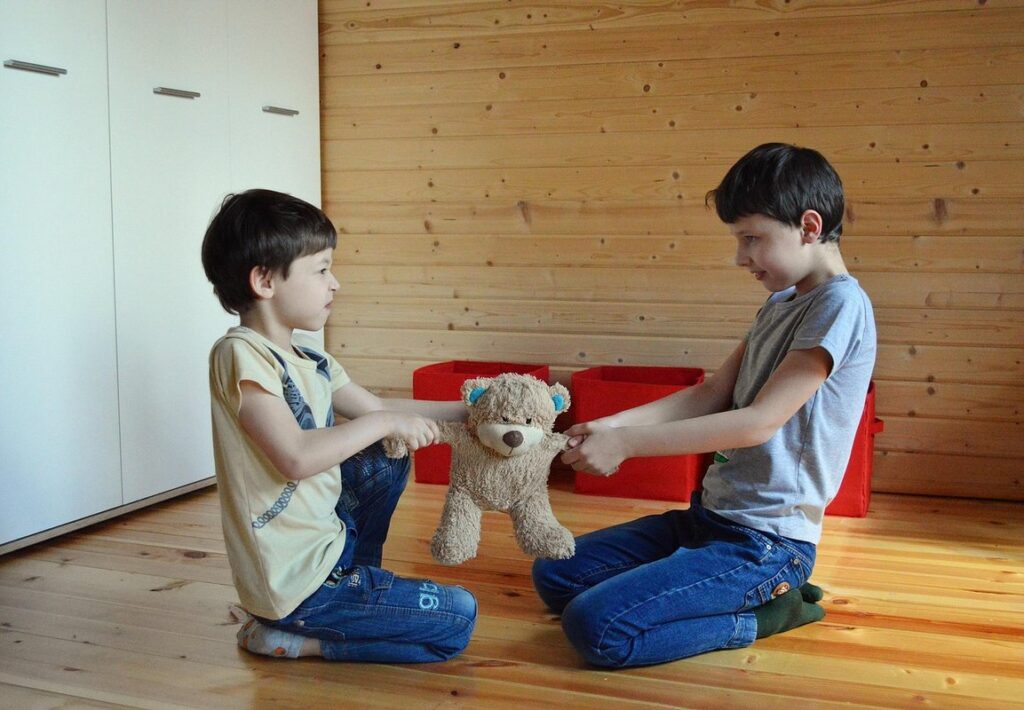
The Importance of Sharing and Turn-Taking Skills in Children
As a parent, you’re likely aware of how essential sharing and turn-taking skills are for your child’s social development, but did you know they also impact their emotional intelligence? Let’s dive into why these skills matter most.
Why Teaching Sharing and Turn-Taking is Crucial for Social Development
Teaching children to share and take turns is crucial for their social development as it helps them build strong relationships with others. When kids learn to share, they develop empathy and understanding towards others’ feelings, which leads to more harmonious interactions. They begin to see that everyone has needs and desires, just like themselves.
In addition, teaching sharing and turn-taking skills helps children navigate various social situations effectively. For instance, during playdates or group activities, kids who know how to share and take turns are more likely to make friends and be included in games. On the other hand, those who struggle with these skills may find it difficult to connect with others and might feel left out.
As parents, you can encourage sharing and turn-taking by modeling these behaviors yourself and setting clear expectations for your child’s behavior. You can also engage them in activities that promote sharing, such as puzzles, building blocks, or board games where everyone takes turns. By teaching your child to share and take turns, you’ll be helping them develop essential social skills that will benefit them throughout their lives.
Understanding the Benefits of Early Social Skill Development
When you teach your child sharing and turn-taking skills early on, they’ll reap numerous benefits that will help them thrive throughout their life. For one, developing these social skills from a young age can significantly improve their connections with others. When children learn to share and take turns, they become more empathetic and better at understanding others’ feelings, which lays the foundation for stronger relationships.
Moreover, teaching sharing and turn-taking skills early on can also have a positive impact on your child’s emotional regulation. As they develop self-control over their impulses, they’ll be less likely to engage in aggressive behavior and will be more adept at managing conflicts peacefully. This is especially crucial during the toddler years when tantrums are common.
In fact, research has shown that preschoolers who exhibit strong social skills tend to have better academic performance later on in life. By teaching your child sharing and turn-taking skills from an early age, you’ll set them up for success in both their personal and professional lives. To start, make sure to model these behaviors yourself, such as taking turns during conversations or sharing materials with others. Encourage your child to do the same by engaging in play-based activities that promote sharing and taking turns.
What is Sharing? Understanding Its Concept in Children
Understanding sharing means recognizing that it’s okay for others to have something too, and letting go of attachment to toys or belongings can be a challenging concept for young children. Let’s dive into what sharing really looks like in kids’ lives.
The Difference Between Giving and Sharing: Key Concepts to Understand
When it comes to teaching your child essential social skills like sharing and taking turns, it’s essential to understand the difference between giving and sharing. Many parents assume that these two concepts are one and the same, but they’re not. Giving implies a selfless act where you relinquish something of value without expecting anything in return. On the other hand, sharing involves mutual benefit and enjoyment.
For instance, if your child gives away their favorite toy to another child without being asked or reciprocated, that’s giving. However, if they offer to share their toys with others so everyone can enjoy them together, that’s sharing. To encourage healthy sharing habits in your child, focus on promoting a sense of community and mutual respect.
Encourage open communication by asking your child about their feelings and thoughts when it comes to sharing. Ask questions like “How do you think the other child felt when you shared your toy?” or “What made you want to share your favorite book with your friend?” This helps them understand the value of sharing and how it brings people together, fostering empathy and a sense of belonging.
Strategies for Encouraging Your Child to Share Their Toys and Belongings
Fostering a sense of sharing in children is crucial for their emotional and social development. One effective strategy is to set clear expectations from an early age. Explain to your child why sharing is important, using simple language they can understand. For instance, you might say, “When we share our toys with others, it makes them happy, and we make new friends.” Make sure to follow through on this expectation by modeling the behavior yourself.
Create opportunities for social interaction by arranging playdates or enrolling your child in group activities. This will help them see the value of sharing firsthand. For example, if you notice a child wanting to join the game but doesn’t have the toy, encourage your child to offer it to them. Start small, with toys and belongings that hold sentimental value, like favorite stuffed animals or books.
Be patient and consistent in reinforcing this behavior. It may take time for your child to adjust, but with persistence, they will learn to share more willingly.
Teaching Turn-Taking Skills: A Guide for Parents
As a parent, teaching your child to take turns and share is an essential social skill that will benefit them greatly in their relationships and interactions throughout life. This guide will show you how to help your child master turn-taking skills.
Why Teaching Turn-Taking is Essential for Children’s Social Success
Teaching turn-taking skills is crucial for children’s social success because it enables them to develop essential life skills like patience and respect for others’ boundaries. When children learn to take turns, they begin to understand that everyone has a voice and deserves attention. This awareness helps them build stronger relationships with their peers.
One way to teach turn-taking is by modeling the behavior yourself. For instance, if you’re having a conversation with your child, make sure to give them space to contribute without interrupting. When you see them struggle to take turns during play or conversations, gently remind them that everyone needs a chance to share. You can also set up role-playing scenarios where children practice sharing and taking turns in a safe environment.
By teaching turn-taking skills, you’re giving your child the tools they need to navigate complex social situations with ease. As they grow older, these skills will help them become more empathetic, cooperative, and confident individuals who value relationships and respect others’ needs.
How to Encourage Your Child to Take Turns in Play
When it comes to playtime, promoting turn-taking is essential for teaching your child the value of sharing and good sportsmanship. Encourage your little one to take turns by engaging them in activities that require sharing, such as board games, puzzles, or building blocks.
One fun way to promote turn-taking is through a game called “Toy Rotation.” Set a timer for a specific amount of time, say 10-15 minutes, and let each child play with a toy before passing it on to the other sibling. This helps them understand that everyone gets a turn and must wait their turn patiently.
You can also try setting up a designated play area where children can take turns playing with a particular toy or activity. For example, you might create a “Toy Library” with different toys and activities available for each child to rotate through. This encourages sharing, responsibility, and good sportsmanship.
Remember to model good behavior yourself by taking turns and showing your child that everyone has equal value in the play situation. By consistently practicing turn-taking during playtime, your child will develop essential social skills that will benefit them throughout their lives.
Strategies for Managing Conflict Around Sharing and Turn-Taking
When conflicts arise over sharing and turn-taking, it’s essential to have strategies in place to help your child navigate these situations effectively. Here are some practical tips for managing common challenges that come up.
Recognizing the Signs of Conflict: Identifying When Children Need Help with Sharing and Turn-Taking
As a parent, it’s natural to wonder when your child needs help with sharing and turn-taking. Conflict often arises during playtime, but recognizing the signs can make all the difference in preventing escalated situations. Look out for body language cues such as crossed arms, scowls, or stomping feet – these nonverbal signals indicate a child is feeling overwhelmed or frustrated.
Other indicators of conflict include yelling, refusal to participate, or deliberately excluding others from play. Be cautious of power struggles where children resist giving up an object or activity, insisting that they ‘need it now’. These scenarios can quickly escalate into full-blown battles.
When you notice these signs, intervene promptly and calmly. Ask your child to take a break from the situation to calm down before attempting a resolution. Use this opportunity to model effective communication by expressing feelings and needs clearly: “I see you really want to play with that toy. However, your friend also wants to use it. Can we find another way for both of you to play together?” By intervening early, you can prevent conflicts from escalating and teach your child valuable social skills in a supportive environment.
Effective Ways to Handle Tantrums and Outbursts Related to Sharing Issues
When children struggle with sharing or taking turns, tantrums and outbursts are almost inevitable. But as a parent or caregiver, it’s essential to remain calm and composed when dealing with these situations. This not only helps to de-escalate the conflict but also teaches your child valuable lessons about emotional regulation and responsibility.
To manage tantrums related to sharing issues, try setting clear boundaries while maintaining empathy for your child’s feelings. For instance, if your child becomes upset because their friend is playing with a particular toy, you can acknowledge their emotions by saying, “I know you really want to play with the blocks right now” and then redirect them by suggesting an alternative activity or encouraging them to ask their friend to share.
Another effective strategy is to teach your child how to express their feelings using “I” statements. For example, instead of saying “You always take my toys,” they can say, “I feel sad when you don’t let me play with the blocks.” This helps children develop essential communication skills and encourages them to think critically about their actions.
It’s also crucial to model healthy sharing behaviors yourself. Children learn from observing their parents or caregivers, so make sure to practice what you preach by offering your child guidance on how to share effectively.
Activities for Encouraging Sharing and Turn-Taking Skills in Kids
Encouraging your child to share and take turns can be a fun experience when done through engaging activities. We’ll explore some exciting ideas to get you started right away!
Play-Based Strategies for Teaching Sharing and Taking Turns
Play is an ideal way to teach sharing and turn-taking skills to kids as it allows them to engage with others while navigating social complexities. One game that promotes these skills is “Red Light, Green Light.” A player is chosen to be the stoplight and stands at one end of a room or hallway, while the other players start at the opposite end. When the stoplight says “green light,” players can move towards them; when they say “red light,” players must freeze in place. If someone moves during red light, they are sent back to the starting line.
Another activity that encourages sharing and turn-taking is role-playing exercises. You can create a pretend store or restaurant where kids take turns being the customer or shopkeeper. This allows them to practice ordering, waiting their turn, and taking responsibility for their actions. Interactive stories like “The Sharing Bear” also work wonders in teaching these essential social skills. In this story, a bear named Bert learns about sharing and soon finds himself with many new friends who appreciate his kindness.
You can create your own interactive story by using puppets or stuffed animals to act out scenarios where characters share toys or resources. This approach not only entertains kids but also teaches them valuable lessons in social skills.
Using Real-Life Scenarios to Teach Sharing and Turn-Taking: A Guide for Parents
As you navigate everyday life with your child, it’s essential to create opportunities for them to practice sharing and taking turns. Real-life scenarios are perfect for social learning outside the home environment. For instance, when playing at a playground or during a playdate, encourage your child to take turns on the swings or slide. This can be as simple as saying “It’s your turn now” or “I’m going next.” By doing so, you’re teaching them the value of patience and generosity.
Another scenario is sharing toys with friends during a playdate. You can role-play different situations where your child might feel inclined to take something from another child, such as “What would you say if someone took your favorite toy?” or “How would you feel if someone didn’t want to share?” This helps them develop empathy and learn how to navigate conflicts.
When shopping with your child, use opportunities like waiting in line at the checkout counter or taking turns trying on hats in a store. These everyday moments can be turned into valuable learning experiences that help your child understand the importance of sharing and turn-taking skills.
Common Challenges in Teaching Sharing and Turn-Taking Skills
As a parent, you may face situations where your child struggles to share their toys or take turns with others. This section tackles some of the common challenges that can arise when teaching these essential social skills.
Overcoming Resistance and Refusal to Share or Take Turns
It’s not uncommon for young children to resist sharing and taking turns, especially when they’re deeply invested in their own play. If you’re finding that your child consistently refuses to share or take turns, it’s essential to address the issue promptly. This can be a challenging task, but with patience, consistency, and positive reinforcement, you can help your child overcome resistance.
One key strategy is to model sharing and taking turns yourself. Children learn from what they see, so make sure to demonstrate these skills in your daily interactions. For example, if you’re playing a game with your child, be willing to let them go next even when it’s not their turn. This helps your child understand that sharing and taking turns is a two-way street.
Another approach is to offer choices, allowing your child to decide which toy they’d like to share or with whom they want to take turns. This can help them feel more in control and invested in the process. Be sure to praise and reward their efforts, even if it’s just small steps towards sharing and taking turns.
How to Address Picky Eating Habits Related to Sharing Food
When it comes to teaching sharing and turn-taking skills, navigating picky eating habits related to sharing food can be a challenge. Some children may resist trying new foods or refuse to share their own meals due to concerns about loss of control over their food choices. To address this issue, it’s essential to strike a balance between promoting healthy eating habits and respecting individual preferences.
One effective approach is to involve your child in meal planning and grocery shopping. This can help them feel more invested in trying new foods and more willing to share their own meals with others. For example, you could ask your child to pick out a new fruit or vegetable at the grocery store each week, making it a fun and exciting experience.
It’s also crucial to model healthy eating habits yourself, as children often mimic their parents’ behavior. Make an effort to eat a variety of foods in front of your child, including fruits, vegetables, whole grains, and lean proteins. Additionally, try not to force your child to finish every bite on their plate or to share food they’re not comfortable with.
Encouraging Long-Term Social Skill Development
To foster lasting sharing and turn-taking habits, it’s essential to create an environment that encourages your child to take ownership of these skills, starting from a young age. This section explores practical ways to achieve just that.
Creating a Positive Home Environment that Fosters Sharing and Turn-Taking
Creating a positive home environment is crucial in fostering sharing and turn-taking skills in children. It’s essential to set clear expectations from an early age about what sharing and taking turns mean. For instance, you can explain to your child that when someone wants a toy, they should ask politely and wait for their turn. Be specific with your expectations by creating rules such as “we take turns playing with toys” or “we share our toys with friends.”
Modeling behavior is also vital in teaching children the value of sharing and taking turns. As parents, we are our child’s most significant role model. Demonstrate kindness and generosity towards others, including family members and playmates. For example, offer to help a sibling or friend who needs assistance. When you model these behaviors consistently, your child is more likely to adopt them as well.
Regularly reinforce positive sharing behavior by praising your child when they exhibit it. This will encourage them to continue practicing this essential social skill. Remember that teaching children to share and take turns takes time and patience. Be consistent in enforcing rules and modeling good behavior, and your child will develop these skills over time.
How to Continuously Monitor and Adapt Your Child’s Progress in Developing Essential Social Skills
As you continue to teach your child essential social skills like sharing and taking turns, it’s crucial to monitor their progress and adapt your approach as needed. This process can be just as important as the initial teaching phase, as every child learns at their own pace. To do this effectively, be patient and consistent in your efforts.
One way to track your child’s progress is by setting realistic goals and milestones for them to achieve. For example, if you’re working on sharing with toys, start by having your child share one toy per day and gradually increase the number over time. Be sure to praise and reward their efforts along the way, even if they don’t meet the desired level of progress right away.
Regularly assessing your child’s behavior and adjusting your strategy can help you better understand what works best for them. Ask yourself questions like “Is my child showing improvement in sharing and taking turns?” or “What specific challenges are they facing that might require additional support?” By being flexible and responsive to their needs, you’ll be more likely to see long-term success in developing these essential social skills.
Frequently Asked Questions
What if my child is extremely resistant to sharing, how can I help them develop this skill?
It’s not uncommon for young children to struggle with sharing, especially if they’re attached to certain toys or belongings. To encourage your child to share, start by acknowledging and validating their feelings. Then, introduce a “sharing jar” where they can put in small tokens or stickers every time they choose to share. This positive reinforcement system will help them associate sharing with rewards.
How can I balance teaching my child the importance of taking turns with ensuring everyone gets enough playtime?
Balancing take-turns and playtime is essential for creating a harmonious environment. One strategy is to implement a “timer” where each child takes turns playing with a toy or engaging in an activity for a set amount of time (e.g., 10 minutes). This way, every child gets a fair share of playtime.
What if I’m experiencing conflict between siblings over sharing and turn-taking issues? Are there any specific strategies I can use to manage this?
Sibling conflicts can be challenging! To minimize disputes, establish clear rules and expectations for sharing and taking turns. For example, you might say, “When someone is playing with a toy, the other child needs to wait their turn.” Also, try role-playing scenarios that demonstrate good sharing behaviors.
How do I know if my child is truly understanding the concept of sharing, or are they just doing it because they’re being told?
To gauge your child’s comprehension, observe them in different situations and assess whether they’re applying the skill independently. For instance, if you see them offering a toy to a friend without prompting, that’s a good sign! You can also ask open-ended questions like “Why do you think sharing is important?” to evaluate their understanding.
Can I still use positive reinforcement techniques with older children who may feel embarrassed about receiving rewards for sharing?
Yes! Positive reinforcement can be adapted for older children. Instead of stickers or small treats, try offering privileges like extra storytime or a later bedtime. You can also express genuine praise and gratitude when they demonstrate good sharing behaviors.