
Raising well-mannered kids is one of the most rewarding experiences parents can have, but it’s not always easy. As your child grows, they’re constantly learning from you and their surroundings, which means teaching them good manners should start early and be made simple. By instilling these essential habits in children from a young age, you’ll set them up for success in both personal and professional settings.
In this article, we’ll explore how to teach kids good manners in a way that’s easy to understand and implement. We’ll cover the importance of setting a good example as parents, role-playing exercises to practice social skills, and classroom management strategies to help your child navigate different social situations with confidence. By following our guide, you can empower your child to develop strong relationships, communicate effectively, and become more confident individuals. Let’s dive in!
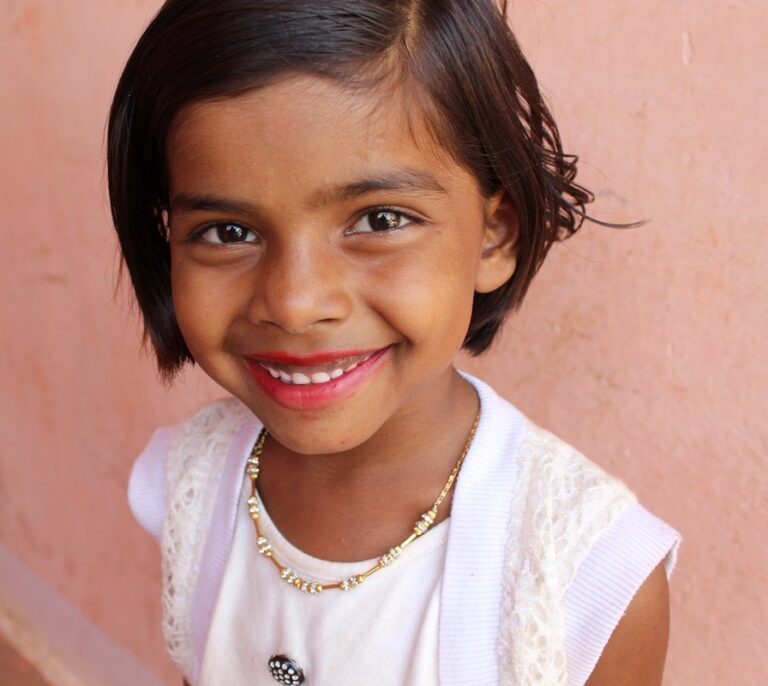
Importance of Good Manners in Children
Good manners in children are not just a nice-to-have, but an essential life skill that can greatly impact their relationships and opportunities throughout their lives. Let’s explore why this is so crucial for kids to develop.
Why Good Manners Matter
When we teach our children good manners, we’re not just teaching them how to say “please” and “thank you.” We’re giving them a powerful tool that will benefit them throughout their lives. Good manners are essential for building strong relationships with others, and this starts from a young age.
Imagine your child’s future friendships, romantic relationships, or even professional collaborations – all of these depend on how well they interact with others. When children learn to be respectful, considerate, and polite, they’ll find it easier to make friends and maintain healthy relationships. Good manners also boost self-esteem, as kids feel proud of themselves when they behave kindly towards others.
Moreover, good manners can open doors to new opportunities in life. Employers often look for employees with excellent communication skills, including those who are courteous and respectful. By teaching your child good manners now, you’re setting them up for success in their future careers and personal lives.
The Impact of Bad Manners on Children
When children exhibit bad manners, it can have far-reaching consequences that affect not just their personal relationships but also their future opportunities. Strained relationships with family and friends are a common result of poor behavior, making social interactions stressful and uncomfortable for everyone involved.
Moreover, low self-esteem is often the underlying issue behind bad manners in kids. When children act out or disrespect others, it can lead to feelings of guilt, shame, and inadequacy. These negative emotions can be challenging to overcome, making it crucial to address the root cause of the behavior rather than just its symptoms.
Peer pressure and lack of discipline are common causes of bad behavior in kids. Children may feel pressured to conform to certain social norms or act out due to frustration with rules or expectations. Parents can help mitigate these factors by setting clear boundaries, modeling good behavior themselves, and encouraging open communication about the child’s feelings and concerns. By doing so, parents can empower their children to develop healthy habits and a strong sense of self-respect that will serve them well throughout life.
Setting a Good Example
As you guide your child through learning good manners, it’s essential to model respectful behavior yourself. By setting a positive example, you’ll help them develop essential skills that will last a lifetime.
Modeling Good Behavior at Home
As parents, we often talk about teaching our children good manners, but we forget that they learn by observing us. This is where modeling good behavior at home comes into play. Children watch and mimic their parents’ actions, so it’s essential to set a good example.
When you speak kindly to others, whether it’s your partner, kids, or even the mailman, you’re teaching your children the importance of being respectful and courteous. Use phrases like “please” and “thank you,” and avoid yelling or using harsh tones, even in difficult situations. For instance, if someone accidentally cuts you off while driving, take a deep breath and calmly let them know you’re frustrated without resorting to shouting.
Respecting others’ property is another crucial aspect of good manners. Make sure your kids see you treating other people’s belongings with care. If you borrow something from a friend or neighbor, return it promptly and in the same condition as when you borrowed it. Also, be mindful of your children’s behavior around other people’s things – teach them to ask before taking something that doesn’t belong to them.
Consideration for others’ feelings is also vital. Apologize if you’ve done something wrong, like accidentally hurting someone or damaging their property. This helps your kids develop empathy and understand the impact of their actions on others. By modeling good behavior at home, you’ll be teaching your children valuable life skills that will benefit them throughout their lives.
Teaching Children What Not to Do
Teaching children what not to do is just as important as teaching them what to do when it comes to manners. It’s natural for kids to make mistakes and learn from their errors, but as a parent or caregiver, you play a significant role in guiding them towards good behavior.
One effective way to teach children what not to do is by discussing the consequences of bad behavior. For instance, if they interrupt others while speaking, explain how this makes others feel uncomfortable and unheard. Use “I” statements to express your feelings, such as “When you interrupt me, I feel frustrated.” This helps kids understand that their actions have an impact on others.
Setting clear expectations is also crucial in teaching children what not to do. Establish rules for behavior at the dinner table or during family gatherings, and consistently enforce them. For example, you can say, “We don’t talk with our mouths full” or “We take turns speaking.” Positive reinforcement techniques are essential as well. Praise your child when they exhibit good manners, such as saying please or thank you.
By combining these strategies, you’ll help your child develop a sense of what is and isn’t acceptable behavior in social situations. Remember to be patient and consistent, as teaching children good manners takes time and practice.
Simple Manners Activities for Kids
Now that we’ve covered the basics, let’s get creative! This next part is all about turning manners into fun and engaging activities your kids will love.
Role-Playing Exercises
Role-playing exercises are an excellent way to teach kids important manners skills in a fun and interactive manner. By putting themselves in different situations, children can practice and reinforce good behavior without feeling embarrassed or self-conscious.
For example, you can set up a pretend play kitchen or store where kids have to take turns serving each other food or helping a customer find an item. This activity teaches sharing, taking turns, and polite communication skills like saying please and thank you.
Another idea is to practice table manners by setting up a pretend mealtime scenario. Children can practice using their manners while eating, such as not talking with their mouth full, keeping their elbows off the table, and waiting for everyone to receive their food before starting to eat.
To make role-playing exercises even more effective, be sure to give your child specific roles or scenarios to act out, and encourage them to stay in character. This will help them fully engage in the activity and practice their manners skills in a realistic way.
Games to Teach Good Manners
When it comes to teaching good manners to kids, games can be an excellent way to make learning fun and engaging. Not only do they provide a lighthearted approach, but they also help children practice their social skills in a low-pressure environment.
One classic board game that teaches good manners is “The Manners Game.” Players draw cards with different scenarios, such as saying please or thank you, sharing toys, or taking turns. The goal is to respond correctly to the situation, and the player who answers correctly earns points. This game not only encourages good behavior but also helps kids understand why manners are important.
Interactive online tools like “Mannersville” offer a range of games and quizzes that teach children about good manners in various situations, from mealtime to school settings. These digital resources can be especially useful for kids who struggle with social skills or need extra practice.
To take these games to the next level, try incorporating real-life scenarios into playtime. For example, if you’re playing a game that focuses on sharing, take it outside and have your child practice sharing toys with friends at the park. By making learning fun and interactive, kids are more likely to develop good manners and adopt positive behaviors for life.
Teaching Manners in Different Situations
When teaching manners, it’s essential to consider the specific situations that may arise in your child’s daily life, such as mealtimes and sharing.
Dining Etiquette for Kids
Teaching kids good dining etiquette is essential for their social and emotional development. It’s not just about using a fork and knife; it’s about being respectful of others’ space, trying new foods, and showing appreciation for the meal.
When eating with family or friends, encourage your child to wait until everyone has been served before starting to eat. This helps create a sense of community and teaches them that mealtime is not just about fueling up, but also about bonding. When trying new foods, it’s okay if they don’t like something – simply say “no thank you” and try another option.
It’s also essential to respect others’ food preferences and boundaries. If someone declines an offer of a particular dish, don’t push them to take some; instead, ask what they would prefer. You can also use this as an opportunity to teach your child about cultural differences in cuisine and traditions surrounding food.
Incorporate role-playing exercises into mealtime, where your child has to make decisions about trying new foods or politely declining an offer. Make it fun by using different scenarios and encouraging them to practice good manners. By teaching kids basic dining etiquette skills early on, you’ll set the foundation for confident and respectful eaters.
Social Skills for Kids
When it comes to teaching manners to kids, helping them develop social skills is just as crucial as teaching them table etiquette. Social situations can be intimidating for children, but with the right guidance, they can learn to navigate them with confidence and poise.
One of the first steps in teaching kids social skills is encouraging them to introduce themselves to others. This might seem simple, but it’s a vital skill that will serve them well throughout their lives. Start by practicing introductions in low-stakes situations, such as at home or during playdates. Encourage your child to say their name and a brief greeting, like “Hi, I’m [name]!” When meeting new people, role-play different scenarios with your child, like what to do if someone doesn’t respond right away.
Making friends is also an essential social skill for kids to learn. Teach your child how to start conversations by asking open-ended questions or commenting on something they have in common. For example, “What’s your favorite subject in school?” or “I love playing soccer too! Do you like playing sports?” Also, encourage them to listen actively and respond thoughtfully.
When it comes to joining group activities, reassure your child that it’s okay to make mistakes and try new things. Encourage them to participate by suggesting games or activities they enjoy, which will help build their confidence in social situations.
Encouraging Good Manners in the Classroom
Helping kids develop good manners in a classroom setting can be challenging, but with some simple strategies and consistency, you can encourage respect for others.
Teacher-Led Activities
When it comes to teaching manners to kids, teacher-led activities play a significant role in promoting good behavior and social skills. One effective way to encourage kindness is through discussions about empathy and understanding. For instance, you can ask students to share times when someone showed them kindness or helped them out, and how that made them feel. This not only fosters a sense of community but also helps children develop essential life skills.
To promote respect for authority, consider role-playing scenarios where students practice saying “please” and “thank you” to teachers and peers alike. You can also have a class discussion about the importance of following rules and listening to instructions. Additionally, teaching self-control through activities like deep breathing exercises or counting games can help children manage their emotions and impulses.
Some other teacher-led activities that can encourage good manners include:
* Creating a “Kindness Chain” where students write down acts of kindness they’ve shown or received on paper strips, and then linking them together to form a chain.
* Organizing “Thank-You” cards for teachers or staff members who have helped the class in some way.
* Hosting a “Manners Day” where students can participate in fun activities that reinforce good behavior.
Classroom Management Strategies
When it comes to teaching kids good manners in the classroom, classroom management is a crucial aspect to focus on. By setting clear expectations and using positive reinforcement techniques, you can help create an environment that encourages respect and responsibility from students.
To start, make sure you have clearly defined rules and consequences for misbehavior. Share these with your students at the beginning of each school year or semester, so everyone is on the same page. Be specific about what behaviors are expected, such as raising hands to speak or staying seated during lessons. Use visual reminders like posters or charts to reinforce these expectations.
Use positive reinforcement techniques to encourage good behavior, such as verbal praise or small rewards for students who exhibit respectful behavior. For example, you could give a “good job” sticker to a student who raises their hand before speaking. Another strategy is to encourage active participation in lessons by asking students to contribute ideas or share their thoughts. This not only helps manage classroom behavior but also promotes engagement and learning.
By implementing these strategies, you’ll be well on your way to creating a respectful and productive classroom environment that encourages good manners from your students.
Addressing Common Manners Challenges
Let’s tackle some of the most common manners challenges you may face with your kids, from table manners to interactions with others. We’ll explore practical solutions for everyday situations.
Dealing with Tantrums and Meltdowns
When dealing with tantrums and meltdowns in children, it’s essential to remain calm and composed. This can be challenging, but it’s crucial for teaching kids good manners. Losing your temper will only escalate the situation, making it harder for your child to manage their emotions and behave properly.
To stay calm, take a deep breath, count to ten, or step away from the situation for a moment. Redirecting behavior is another effective strategy. Instead of scolding or punishing your child, redirect them towards an alternative activity or toy that can help them regulate their emotions. For example, if your child is upset because they can’t have a cookie before dinner, offer a healthy snack instead.
Teaching kids to express their feelings in a healthy way is also vital. Encourage them to use “I” statements to communicate their needs and wants, such as “I’m feeling hungry” or “I want a cookie.” This helps them develop self-awareness and communication skills, which are essential for good manners.
Managing Bullies and Teasers
When dealing with bullies and teasers, it’s essential for kids to know how to handle situations with confidence and kindness. One of the most effective ways to teach kids assertive communication is by role-playing different scenarios. Practice using “I” statements to express their feelings without placing blame on others. For instance, if a classmate takes a toy away from them, they can say, “I feel upset when you take my toy without asking. Please ask me next time.”
It’s also crucial for kids to understand that bullies and teasers often act out due to underlying issues or insecurities. Encourage your child to practice empathy by putting themselves in the other person’s shoes. Ask them questions like, “How do you think they feel?” or “Why do you think they’re behaving this way?” This can help shift their focus from being a victim to being an understanding peer.
If the situation becomes too intense or your child feels uncomfortable, encourage them to seek help from a trusted adult. Remind them that asking for assistance is not a sign of weakness but rather a brave and responsible decision.
Conclusion: Raising Confident, Mannered Kids
As we wrap up our journey to teaching manners to kids made simple, let’s recap how you can raise confident, mannered young ones who shine in everyday situations.
Recap of Key Takeaways
As you conclude this journey of teaching manners to kids made simple, it’s essential to recap the key takeaways that will help you instill good values and behavior in your little ones. By now, you’ve learned the importance of setting a positive example, modeling good manners yourself, and creating an environment where children feel encouraged to practice polite behaviors.
You’ve also discovered effective strategies for teaching kids to use basic table etiquette, such as saying please and thank you, making eye contact during conversations, and engaging in respectful communication. These habits will become second nature to your child with consistent practice and reinforcement.
Moreover, you’ve learned how to teach children specific skills like using their napkin, passing dishes, and not interrupting others. By breaking these skills down into manageable steps and practicing them together as a family, you’ll be surprised at how quickly your child picks up on them.
In addition to teaching individual skills, you’ve also seen the value of promoting a positive attitude through praising good behavior, encouraging empathy towards others, and setting clear expectations for what is expected. By consistently reinforcing these values, you’ll not only teach your child good manners but also help them develop into confident, kind-hearted individuals who make a positive impact on those around them.
To put it all together, remember that teaching manners to kids made simple requires patience, consistency, and a willingness to model the behavior yourself. By incorporating these strategies into your daily routine and being mindful of how you teach and interact with your child, you’ll be well on your way to raising confident, mannered kids who will make you proud.
Frequently Asked Questions
How Can I Adapt Teaching Manners to Different Age Groups?
Adapting teaching manners to different age groups is essential for effective learning. For younger children, use simple language and role-playing exercises that mimic everyday situations. As they grow older, introduce more complex social scenarios and discussions about empathy and self-awareness. Be flexible and adjust your approach based on the child’s unique needs and developmental stage.
What If My Child Continues to Struggle with Good Manners Despite Our Best Efforts?
No matter how hard you try, some children may still struggle with good manners. In such cases, consider seeking professional help from a therapist or counselor who can address underlying issues contributing to the behavior. Also, be patient and consistent in your approach, as it may take time for your child to develop these essential life skills.
How Can I Encourage Good Manners in Children When We’re Out in Public?
Encouraging good manners in public settings can be challenging but manageable with a little planning. Before heading out, explain the importance of good behavior and set clear expectations for how they should behave in different situations. Use positive reinforcement techniques like praise or small rewards to encourage good behavior.
Can I Teach Children Good Manners Through Games and Activities?
Yes! Teaching children good manners through games and activities is an engaging way to make learning fun. Incorporate role-playing exercises, charades, and other interactive games that mimic social scenarios into your teaching approach. You can also create a reward system where they earn stickers or stars for demonstrating good behavior.
How Can I Involve My Child’s Teacher in Teaching Good Manners at School?
Involving the teacher is crucial to ensure consistency in teaching good manners across different settings. Schedule a meeting with the teacher to discuss your child’s specific needs and how you can work together to reinforce good manners in school. Also, communicate regularly with the teacher about any challenges or successes your child experiences.