
If you’re a parent or caregiver who has ever wondered why your child seems overwhelmed by everyday stimuli, or struggles to stay focused in class, you’re not alone. Sensory Processing Disorder (SPD) affects millions of children worldwide, causing difficulties with processing and integrating sensory information from their environment. It’s estimated that 1 in 20 kids have some level of SPD, yet many go undiagnosed or unsupported. As a result, they may exhibit challenging behaviors, such as meltdowns, anxiety, or social withdrawal. In this article, we’ll delve into the world of SPD in kids, exploring its symptoms, causes, and effective treatment strategies – from occupational therapy to home-based accommodations. We’ll also share practical tips on how to support children with SPD in school and provide reliable resources for coping.
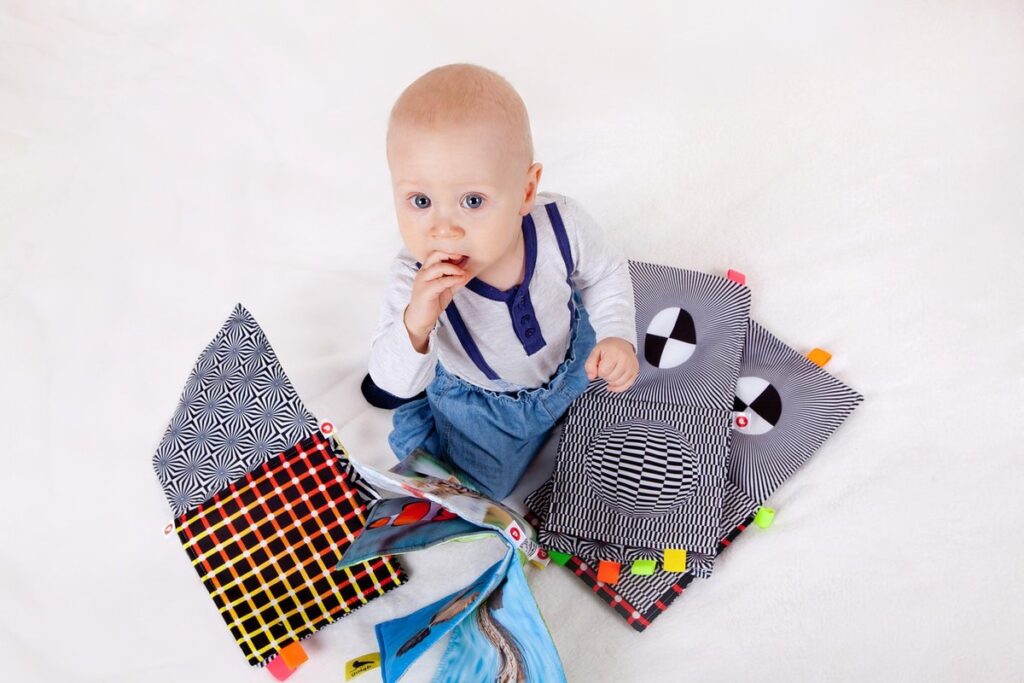
What is Sensory Processing Disorder (SPD)?
Sensory processing disorder, or SPD, can be a bit tricky to understand at first, but don’t worry, we’re here to break it down in simple terms. Let’s start by defining what SPD is and how it affects children’s daily lives.
Definition and Prevalence of SPD
Sensory Processing Disorder (SPD) is a neurological condition that affects the way children process and integrate sensory information from their environment. Essentially, kids with SPD have difficulty regulating their senses, which can lead to overwhelming and challenging experiences for them.
The prevalence of SPD is estimated to be around 5-16% of children in the United States, making it one of the most common neurodevelopmental disorders in childhood. However, many cases go undiagnosed or misdiagnosed due to a lack of awareness and understanding among parents, educators, and healthcare professionals.
When kids with SPD are exposed to certain sights, sounds, smells, tastes, or textures, they may become over- or under-sensitive to them. For example, a child with sensory processing issues might become easily overwhelmed by the noise level in a classroom, while another child might not be able to stop touching rough fabrics or play with sand. As a result, children with SPD often struggle with everyday activities, social interactions, and emotional regulation.
It’s essential for parents and caregivers to recognize the signs of SPD in their child and seek professional help from an occupational therapist (OT) who specializes in sensory integration therapy.
Symptoms and Characteristics of SPD
Children with Sensory Processing Disorder (SPD) may exhibit a range of symptoms and characteristics that can be challenging for parents to recognize. One common trait is sensory seeking behavior, where kids crave intense sensory experiences, such as spinning around, crashing into things, or seeking deep pressure. For instance, some children might enjoy playing with playdough, slime, or sand repeatedly, indicating their brain’s struggle to regulate sensory input.
On the other hand, some kids may exhibit avoidance behaviors, shying away from certain textures, sounds, or smells that overwhelm them. They might cover their ears during loud noises, refuse to eat foods with strong flavors or textures, or become anxious in crowded spaces. These reactions can be misinterpreted as pickiness or stubbornness but are often a sign of sensory overload.
Regulation difficulties also plague many children with SPD. They may have trouble calming down after a stimulating activity, leading to meltdowns, tantrums, or restlessness. To support your child’s sensory needs, try providing a calm and predictable environment, offering choices between different textures or activities, and encouraging physical movement, such as dance or yoga, to help regulate their senses.
Causes and Risk Factors of Sensory Processing Disorder
Identifying the underlying causes of sensory processing disorder can help parents better understand their child’s behavior, and reduce frustration for both kids and adults alike. Understanding these factors is a crucial step in developing effective support strategies.
Genetic and Environmental Factors
Research suggests that both genetic and environmental factors can contribute to the development of Sensory Processing Disorder (SPD) in children. While the exact causes of SPD are still not fully understood, studies have identified certain genetic markers that may increase a child’s risk of developing the condition.
For example, research has found that children with a family history of autism spectrum disorder or ADHD are more likely to develop SPD. Additionally, some genetic conditions such as Fragile X syndrome and neurofibromatosis type 1 have been linked to an increased risk of SPD.
Environmental factors can also play a role in the development of SPD. For instance, exposure to toxins and pollutants in utero or during early childhood may affect brain development and increase the risk of SPD. Prenatal exposure to pesticides, lead, and other environmental toxins has been shown to alter the structure and function of the brain, which may contribute to sensory processing difficulties.
If you’re concerned that your child’s genetic predisposition or environmental exposures may be contributing to their sensory processing challenges, consult with a healthcare professional for personalized guidance.
Triggers and Complications in Children with SPD
Children with Sensory Processing Disorder (SPD) can be extremely sensitive to certain triggers that exacerbate their symptoms and lead to complications. Stress is a common trigger that can intensify sensory issues in kids with SPD. When children experience stress, their brains can become overwhelmed, leading to an increase in anxiety and hyperarousal. This can cause them to become even more reactive to sensory stimuli, making everyday situations like school or social events even more challenging.
Medical conditions such as autism, ADHD, and anxiety disorders can also contribute to complications in kids with SPD. For example, a child with SPD may experience increased sensitivity to certain sounds, sights, or textures due to an underlying medical condition. It’s essential for parents and caregivers to be aware of these potential triggers and work closely with healthcare professionals to develop strategies that address the child’s unique needs.
By understanding how different triggers can impact a child’s sensory experience, parents can take proactive steps to create a more supportive environment at home and in school. This might involve creating a calm and predictable daily routine, providing extra support during times of high stress, or using accommodations like earplugs or weighted blankets to help regulate their senses.
Diagnosing Sensory Processing Disorder: Signs, Tests, and Professionals Involved
If you suspect your child might have sensory processing disorder, it’s essential to know how to diagnose it accurately. In this section, we’ll break down the signs, tests, and professionals involved in the diagnosis process.
Identifying Red Flags and Referral Guidelines
Identifying red flags and referral guidelines are crucial steps for parents who suspect their child may have Sensory Processing Disorder (SPD). If you notice that your child is frequently overwhelmed by certain sights, sounds, smells, tastes, or textures, it’s essential to pay close attention. Some common warning signs include covering their ears during loud noises, avoiding physical contact with others, or becoming easily frustrated in crowded or chaotic environments.
If you’re unsure about your child’s behavior, consult with your pediatrician for guidance on the next steps. Typically, a referral is made if the child exhibits three or more of the following behaviors:
* Difficulty adjusting to changes in routine
* Sensitivity to certain textures or smells
* Avoidance of specific activities due to sensory concerns
* Frequent meltdowns or tantrums related to sensory issues
* Delayed speech or language development
When referring your child to a professional for evaluation, be prepared to provide detailed descriptions of their behavior and any challenges you’ve observed. Keep a sensory journal to track your child’s responses to different stimuli, noting specific triggers and reactions. This information will help the evaluating professional better understand your child’s needs and develop an effective treatment plan.
Types of Diagnostic Tools and Assessments Used
When it comes to diagnosing Sensory Processing Disorder (SPD) in kids, occupational therapists (OTs) and other healthcare professionals rely on a variety of diagnostic tools and assessments. These tools help identify the sensory processing difficulties that are unique to each child.
Some common diagnostic tools used by OTs include the Sensory Profile (SP), which is a rating scale completed by parents or caregivers to assess a child’s sensory processing patterns. The SP helps identify areas where a child may be experiencing difficulties with sensation, such as over-responsiveness to certain textures or sounds. Another tool is the Sensory Integration and Praxis Tests (SIPT), which evaluates a child’s ability to integrate sensory information from multiple sources.
Other assessments used by OTs include the Short Sensory Inventory (SSI) and the Developmental Questionnaire (DQ). These tools help identify patterns of sensory behavior, such as hypersensitivity or hyposensitivity to certain stimuli. Healthcare professionals may also use behavioral observations and parent reports to gather more information about a child’s sensory processing difficulties.
These diagnostic tools provide a comprehensive understanding of a child’s sensory needs, helping OTs develop targeted interventions to support their development and improve daily functioning.
Treatment and Management Strategies for Sensory Processing Disorder
Now that we’ve explored what sensory processing disorder is, let’s dive into the practical steps you can take to help your child thrive. Effective management strategies will be discussed in detail.
Occupational Therapy Interventions and Techniques
Occupational therapists (OTs) play a vital role in helping children with Sensory Processing Disorder (SPD) develop coping strategies and manage their symptoms. One effective technique used by OTs is sensory integration therapy, which involves providing the child with a variety of experiences to help their brain process and integrate sensory information.
During sensory integration therapy sessions, OTs may use a range of techniques, such as deep pressure, joint compression, or swinging, to provide the child’s nervous system with a sense of calm and security. These experiences can help regulate the child’s sensory processing and reduce symptoms of hyperarousal or hypoarousal.
For example, an OT might use a swing or a trampoline to provide a calming, organizing experience for a child who has difficulty regulating their movement and balance. Alternatively, they might use deep pressure strokes or joint compressions to help a child feel grounded and secure.
By providing these experiences, OTs can help children with SPD develop the skills and strategies they need to manage their sensory processing difficulties and thrive in everyday life.
Home-Based Strategies and Accommodations for Families
Creating a supportive environment at home is crucial for children with Sensory Processing Disorder (SPD). It can be overwhelming to manage a child’s sensory needs, but with the right strategies and accommodations, you can make a significant difference. Start by observing your child’s sensory preferences and triggers. Notice which activities or environments tend to overwhelm them, and identify their preferred ways of processing sensory information.
For example, some children may love being outside and engaging in nature-based activities, while others may prefer more structured environments like playrooms with specific textures and toys. Respect their individual needs and create a space that caters to their preferences. For instance, if your child is overstimulated by certain sounds or smells, try to minimize exposure or provide alternative ways for them to cope.
Some practical tips include setting up designated sensory-friendly areas in the home, such as a “quiet corner” or a “sensory bin station.” These spaces can help your child regulate their sensory experiences and take breaks from overwhelming environments. Additionally, consider implementing daily routines that incorporate sensory integration activities, like yoga, swimming, or trampoline exercises, which can be beneficial for children with SPD.
Supporting Children with Sensory Processing Disorder in Schools
When supporting children with sensory processing disorder in schools, it’s essential to understand how you can create a calm and inclusive learning environment that meets their unique needs. We’ll explore practical tips for teachers and educators.
Creating a Sensory-Friendly School Environment
Creating a sensory-friendly school environment is crucial for children with Sensory Processing Disorder (SPD) to feel comfortable and focused during their learning experience. Schools can modify their environments by providing accommodations that cater to individual needs.
Designated quiet spaces, also known as “calm rooms,” are an excellent accommodation for students with SPD. These quiet areas offer a peaceful escape from overwhelming sensory stimuli, allowing children to recharge and refocus. Typically equipped with soft lighting, comfortable seating, and calming scents, calm rooms provide a safe haven for students who feel overwhelmed.
In addition to designated quiet spaces, schools can also modify their physical environment by reducing noise levels, using visual schedules, and providing flexible seating arrangements. For instance, classrooms can be set up with adjustable lighting and sound systems to accommodate individual needs. Schools may also consider implementing sensory breaks throughout the day, allowing students to engage in physical activities that promote relaxation.
By making these simple modifications, schools can significantly improve the learning experience for children with SPD, fostering a sense of inclusion and support within the classroom.
Collaboration Between Teachers, OTs, and Families
Effective collaboration among educators, healthcare professionals, and families is crucial for helping children with Sensory Processing Disorder (SPD) succeed in school. When teachers, occupational therapists (OTs), and parents work together, they can create a supportive environment that caters to the child’s unique needs.
For instance, a teacher may notice that a student has trouble focusing during lessons or seems overstimulated by their classroom environment. In this case, the teacher can reach out to the OT who is working with the child to get insight into strategies for managing sensory overload. The OT might suggest providing the child with regular breaks or using fidget toys to help them stay focused.
Families play a vital role in this collaborative process as well. They often have valuable information about their child’s daily routines, triggers, and coping mechanisms. By sharing this information with teachers and OTs, families can help create a consistent support system that translates from home to school. This seamless communication helps reduce stress for the child and ensures they receive the necessary accommodations to thrive academically and emotionally.
Living with Sensory Processing Disorder: Challenges, Triumphs, and Resources
If your child has been diagnosed with sensory processing disorder (SPD), you’re likely facing unique challenges in daily life. This section offers guidance on navigating those difficulties and finding support.
Coping Mechanisms and Self-Care Strategies for Families
Living with Sensory Processing Disorder (SPD) can be overwhelming for kids and their families. Managing stress and finding balance is crucial to maintain overall well-being. One effective coping mechanism is setting aside dedicated time for self-care. This could be as simple as having a quiet morning coffee while the rest of the family enjoys breakfast, or scheduling regular massages for your child.
It’s also essential to have an open dialogue with your child about their feelings and sensory needs. Encourage them to express themselves through creative activities like drawing or writing. These outlets can help process emotions and reduce stress. Additionally, involve other family members in self-care practices, such as yoga or meditation, to promote a sense of unity.
When seeking support from others, consider joining online SPD communities or local support groups where you can connect with families who understand the challenges you’re facing. Sharing experiences and advice can be incredibly helpful.
Reliable Online Communities, Support Groups, and Resources
Living with sensory processing disorder (SPD) can be overwhelming, especially for families who are just starting to navigate this journey. That’s why it’s essential to connect with others who understand what you’re going through. Fortunately, there are many reliable online communities, support groups, and resources available where you can find information, share your experiences, and seek guidance.
Some trustworthy online forums include SPD Foundation’s online community, Autism Society’s Support Forum, and Sensory Processing Disorder subreddit. These platforms offer a safe space to connect with others who share similar challenges and triumphs. You can ask questions, share your story, and receive support from individuals who truly understand the complexities of living with SPD.
Additionally, websites like Understood.org, Sensoryfriendly.com, and SPD Foundation’s website provide valuable information on sensory-friendly products, strategies for managing meltdowns, and tips for creating a sensory-friendly environment. You can also find online therapy options and telehealth services that cater to children with SPD. By leveraging these resources, you’ll be better equipped to support your child and navigate the ups and downs of living with SPD.
Frequently Asked Questions
Can a child with SPD thrive in a regular classroom setting?
While it’s possible for children with SPD to succeed in regular classrooms, it often requires accommodations and support from teachers and staff. Implementing sensory-friendly strategies, such as providing fidget toys or allowing breaks during lessons, can help create a more inclusive environment. Open communication between parents, educators, and the child themselves is key to ensuring their needs are met.
How long does it take for a child with SPD to adjust to treatment?
Every child’s progress varies, but with consistent occupational therapy and home-based accommodations, noticeable improvements can occur within a few months. It’s essential to work closely with an occupational therapist (OT) to create a personalized plan that addresses the child’s unique needs. Be patient, as small steps towards progress are often seen early on.
What are some everyday things I can do at home to help my child with SPD?
Simple changes can make a big difference in creating a sensory-friendly environment at home. Try using gentle lighting, playing calming music, and offering a variety of textures like playdough or slime for fidgeting purposes. Setting aside dedicated time for physical activity, such as dancing or swimming, can also help regulate their senses.
How can I differentiate between an SPD-related meltdown and a typical tantrum?
Children with SPD often exhibit meltdowns due to overwhelming sensory experiences rather than simply being upset or frustrated. Look for signs like covering ears during loud noises or becoming agitated in crowded areas. When you recognize these triggers, try offering calming strategies or removing the child from the source of stress.
Can a child outgrow SPD, or is it a lifelong condition?
While some children may experience improvements over time as their brains adapt and mature, others may continue to struggle with sensory processing throughout their lives. Early diagnosis and consistent treatment can significantly impact long-term outcomes. Consult an occupational therapist for guidance on what to expect and how to best support your child’s ongoing development.